Do You Smell Skunk?

Do you smell that?

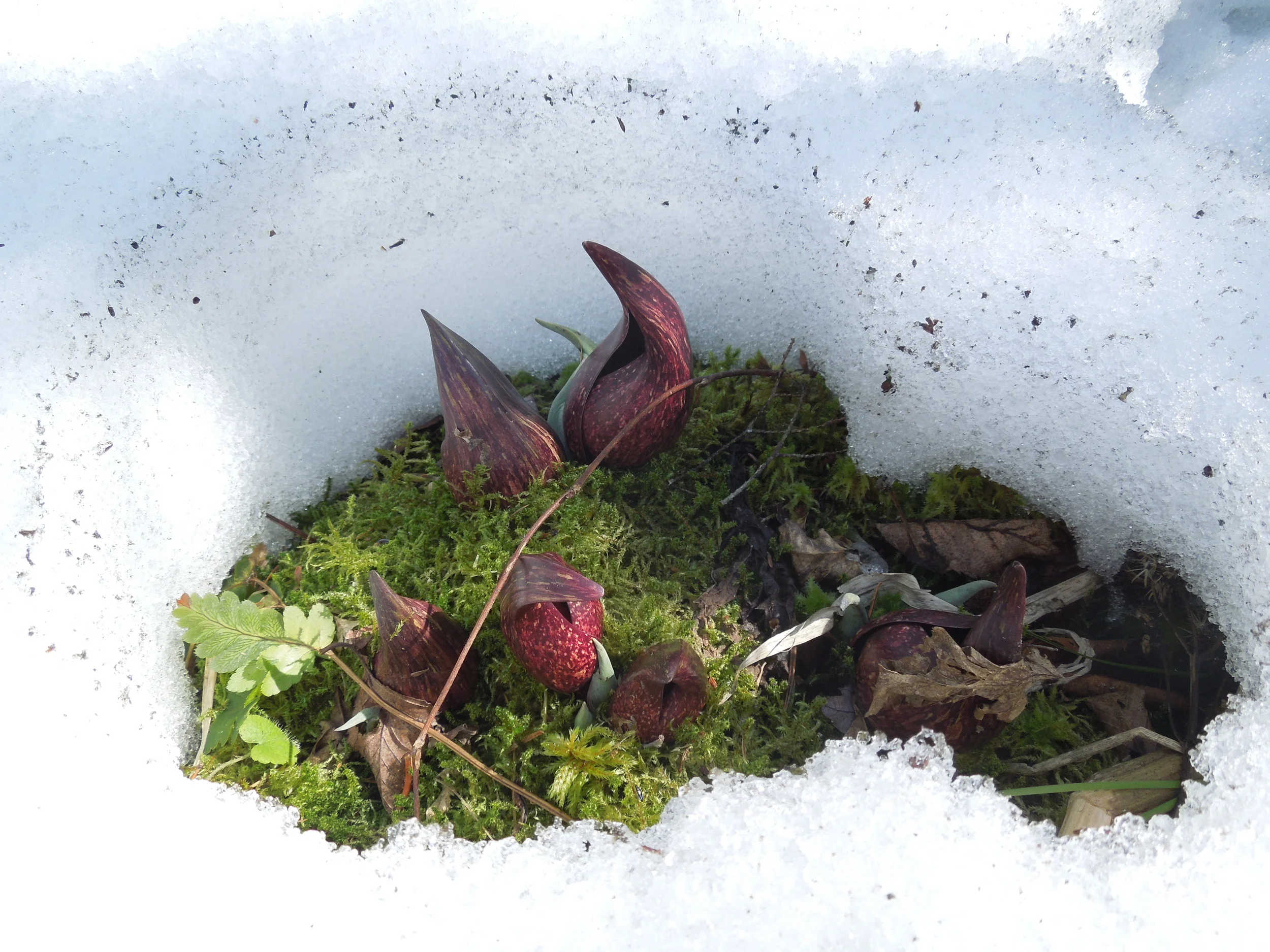
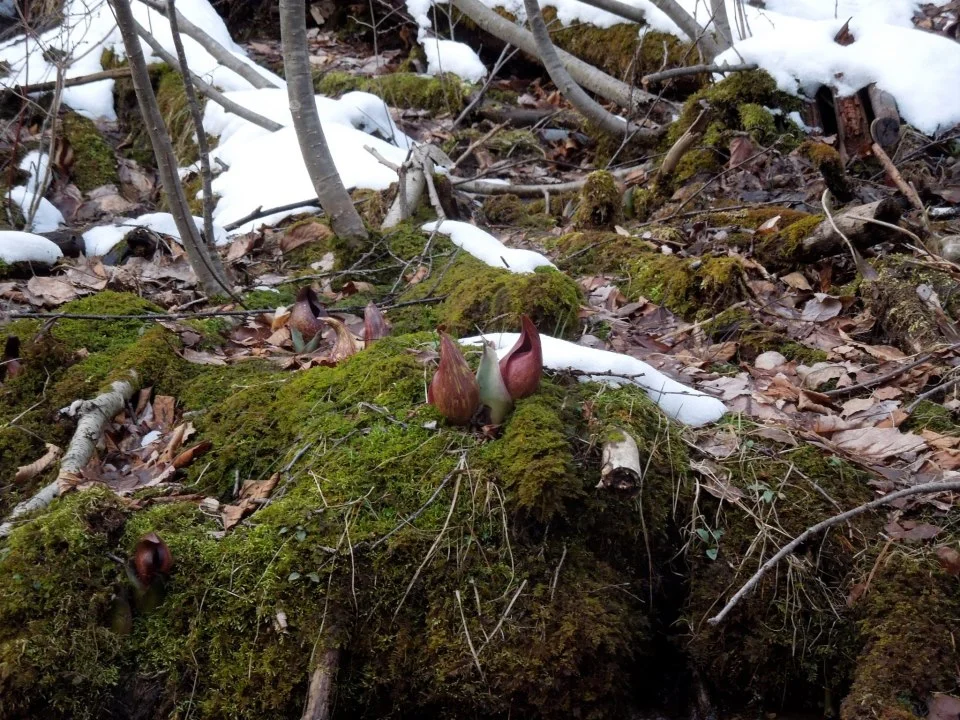
All around northeastern North America, a strange smell is starting to hang in the air. The skunky odor could easily be mistaken for an actual skunk but it isn't quite that strong. Some say garlic is a more apt description. If you are in a wet area you may notice small chimneys in the snow or what looks like a red and yellow parrot beak poking up from the ground. The smell gets stronger as you bend down to get a closer look. What you are seeing is Symplocarpus foetidus, better known as eastern skunk cabbage.
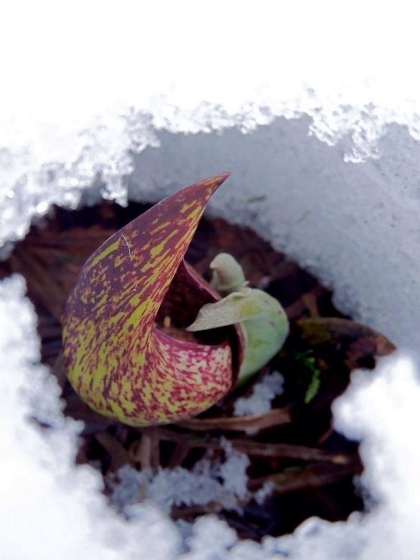
Skunk cabbage is a true spring wildflower. It is also one of those small groups of plants that can generate their own heat. This aroid can literally melt its way through the snow cover. Skunk cabbage hails from the same family of plants as the titan arum, Araceae. The inflorescence emerges in early spring, oten before the snow (if there is any) has had a chance to melt. Using heat generated via a unique form of metabolic activity, the inflorescence can reach temperatures of 15-25°C (59-77°F).

So, why the heat and smell? Well, if you like to bloom before the snow melts, you better hope you can at least melt through some of it. In deeper areas, skunk cabbage flowers create chimneys in the snow, which helps channel the scent up into the air. Though it may seem surprising, there are in fact insects out and about during the early days of spring. The smell attracts pollinators such as carrion flies and gnats. The heat also aids in volatilizing the odor, thus causing it to spread out farther. By blooming this early, skunk cabbage assures that its flowers get a majority of the attention.

After flowering is finished, the plant then throws up its large, green, elephant ear leaves. They are unmistakable. As the plant continues to grow throughout the season, its roots contract into the soil, digging the plant deeper and deeper. In effect, skunk cabbage grows down, not up. This is advantageous if you live in an area prone to flooding. The deeper you go, the harder it is to get pulled out.

I love this plant. It is wonderful to see its blooms poking up from underneath the snow. After so many months of drab colors and short days, this harbinger of spring is a breath of fresh, albeit stinky, air.
Further Reading: [1] [2] [3] [4] [5]

A Mallow Called Kankakee

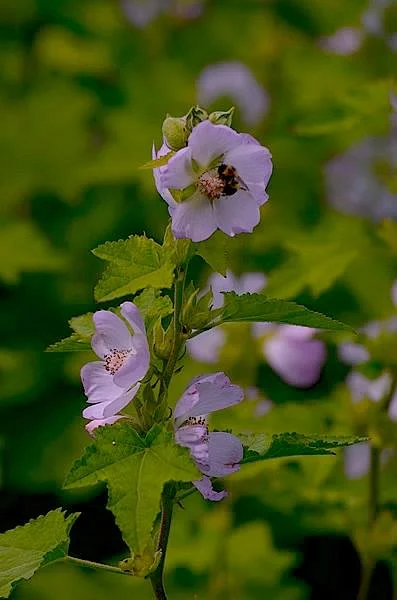
In the spirit of this week's podcast I would like to take a look at a very special plant. It happens to be one of the rarest plant species in the lower 48. What may surprise you even more is that this species is endemic to a small island in the middle of the Kankakee River of Illinois called Langham Island. I am, of course, talking about the Kankakee mallow (Iliamna remota).

It is strange to think of something endemic to a 20 acre island in the midwest but that seems to be the case. Though disjunct populations have been located in Indiana, experts feel that these were the result of early attempts at saving this species from extinction. In fact, the rarity of this plant was realized quite early on. A series of taxonomic revisions made it so that by the early 1920's, botanists knew that Iliamna remota was distinct from similar species such as liamna rivularis and Iliamna corei.

Despite its uniqueness, there doesn't seem to be too many explanations as to why this species is limited to Langham Island. Perhaps our recent glacial past has something to do with it. It very well could also be due to the fact that roughly 80% of Illinois has been converted to farmland. It is also due, in part, to the lack of life-giving fires that the prairies so desperately need. Indeed, after decades of attention, Langham Island and the Kankakee mallow seemed to have faded from the spotlight.

In 1981, botanists realized that most of the plants on the island had disappeared. Only 109 individuals remained and no seedlings were found. It was starting to look like this species was doomed to extinction. Growing up in their place were thick stands of Japanese honeysuckle and multiflora rose. Luckily a handful of concerned biologists decided to light some fires. Wherever the fires burned away the invasive competition, seedlings began to emerge. Close inspection would reveal that these were the next generation of Kanakakee mallow!

A missing piece of this biological puzzle had been restored. The mallow seeds were waiting in the soil for a fire to release them from the tyranny of these invaders. It would seem that the future of this species was a bright one. Sadly, another round of budget cuts coupled with a decrease in public interest had swept through the region. When a group of botanists again went looking for this species in the summer of 2014, they realized that, to their horror, history seemed to have repeated itself. Gone were the remaining populations of the Kankakee mallow. Honeysuckle and multiflora rose had returned with vengeance.

It was clear that if this species were to be saved, Langham Island would need more dedicated attention. Thus the Friends of Langham Island was born. Since then, brush cutting and controlled burns have meant that the Kankakee mallow has once again rose from the ashes, literally. Ongoing attention from a concerned group of citizens may be the only means left at saving this endangered plant.

Photo Credit: Prairie Moon Nursery

Further Reading:
www.habitat2030.org

Check out The Brain Scoop's video about this plant

Listen to a podcast episode dedicated to the restoration of these species' habitat

The Largest Seed in the World

Photo by Reed Wiedower licensed under CC BY-SA 2.0

Photo by Reed Wiedower licensed under CC BY-SA 2.0

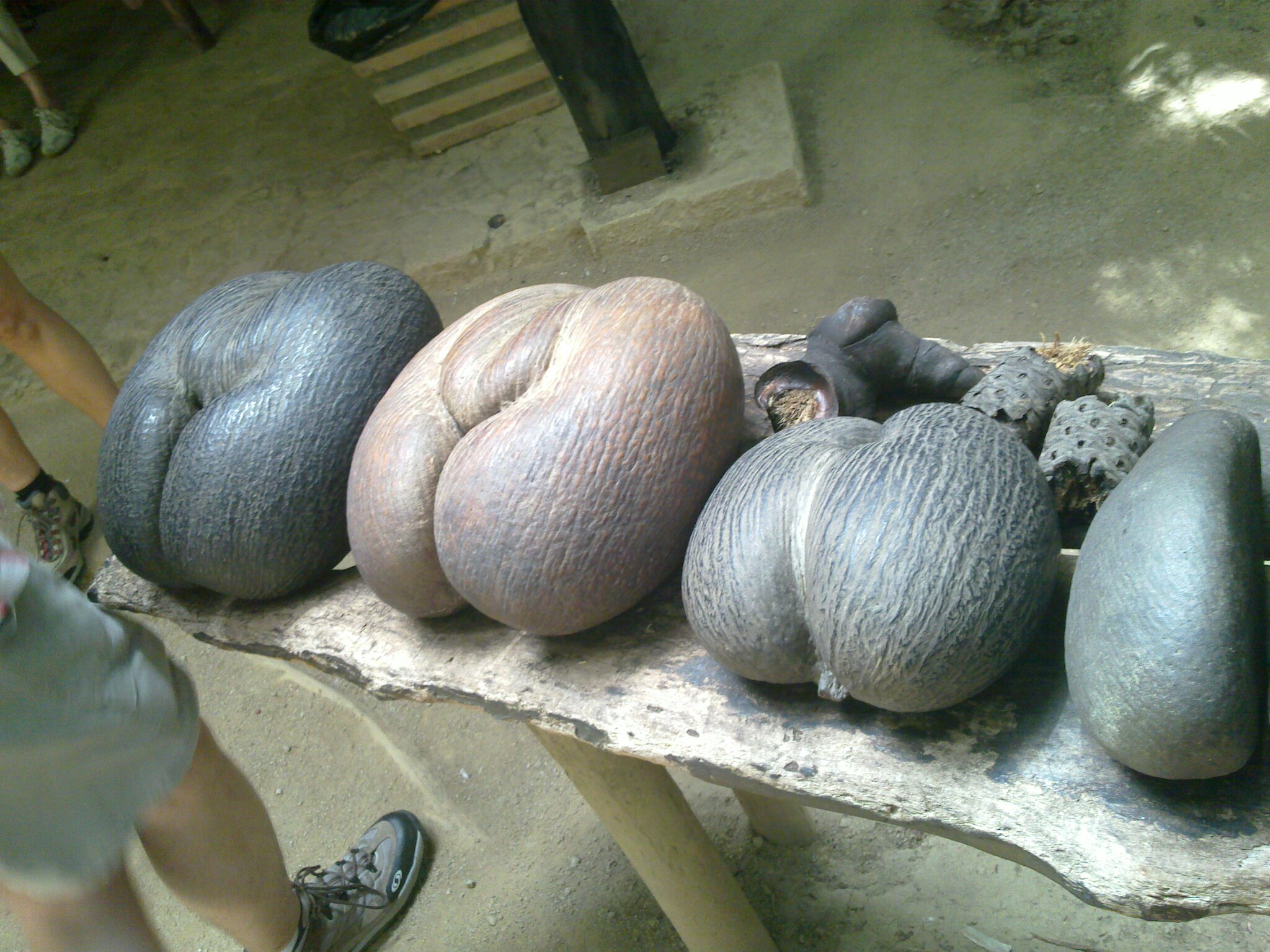
For Lodoicea maldivica, better known as coco de mer, producing the largest seeds in the world may seem like a cool fact for the record books but it certainly has its drawbacks. However, as with anything in nature, selection would not allow for wasteful traits to be passed on. Costs must be offset by a reproductive advantage on some level. A recent study looked at what these tradeoffs might be for L. maldivica and what they found is pretty incredible.

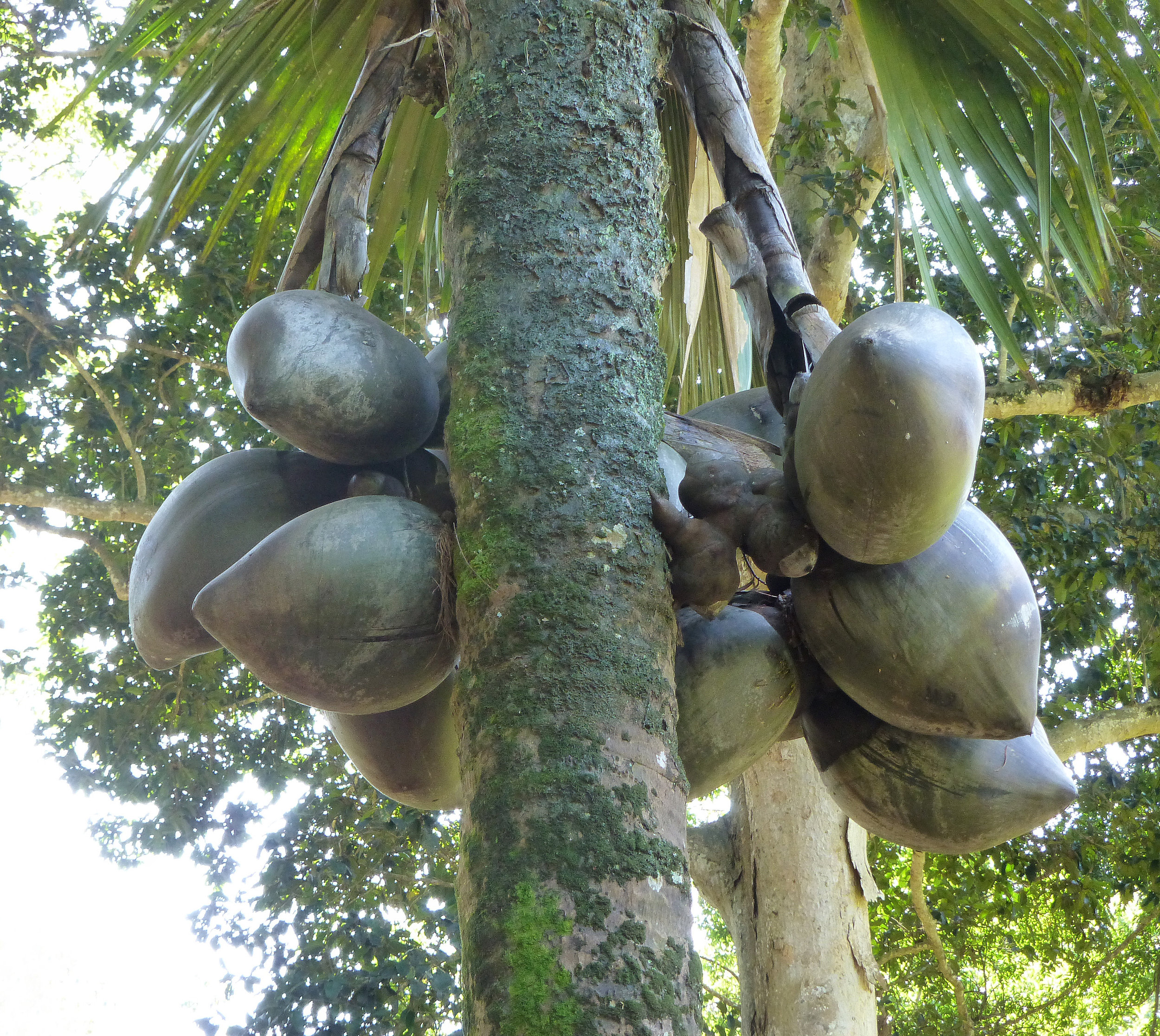
With seeds clocking in at upwards of 30 kg (66 lbs.) one has to wonder what L. maldivica is up to. It was long thought that, like the coconut, seeds of this palm must be dispersed by water. However, they are simply too dense to float. Instead, seed dispersal for this peculiar species of palm is actually quite limited. They simply fall from the tree and germinate below the canopy.

Photo by Wendy Cutler licensed under CC BY 2.0

Photo by Wendy Cutler licensed under CC BY 2.0

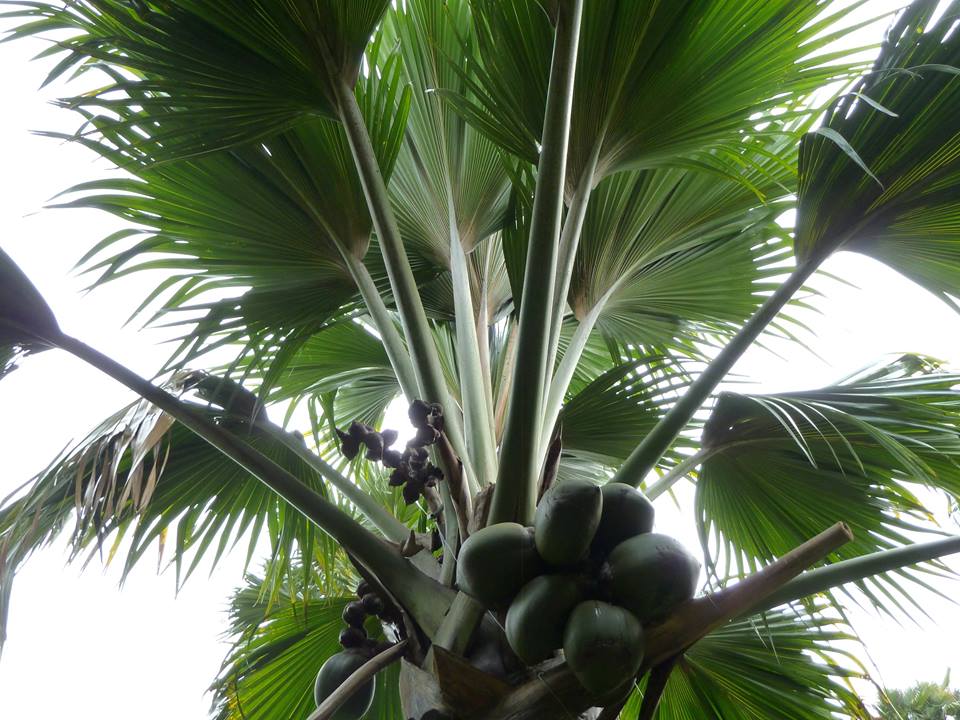
This may explain why L. maldivica is endemic only to the islands of Praslin and Curieuse in the Seychelles. It's not just the seeds that are huge either. The female flowers, which are borne on separate trees than the males, are the largest female flowers of any species of palm. At 10 m (32 ft.) in diameter, the leaves are also massive, fanning outwards on petioles that can reach 2 m to 4 m (6.5 - 13 ft) in length. It goes without saying that L. maldivica is a palm full of superlatives.

Counterintuitively, the habitats in which they grow are notoriously low in nutrients. Why then would this palm invest so much energy into growing these gigantic structures? Because they tend to germinate and grow beneath their parents, the offspring of L. maldivica would appear to be at a disadvantage from the start. A recent study suggests that the answer lies in those massive leaves.

Researchers found that the areas directly beneath the adult trees were wetter and had more soil nutrients compared to the surroundings. As it turns out, L. maldivica modifies its own habitat. Those massive leaves do more than just collect sun, they also act as giant funnels. In fact, most of the water that rains down onto the canopy is collected by the leaves. In this way, everything from water, debris, and even excess pollen is funneled down to the base of each tree.

Photo by Ji-Elle licensed under CC BY-SA 3.0

Photo by Ji-Elle licensed under CC BY-SA 3.0

Not only is this good for the parent tree, it is also a boon for the dispersal-limited offspring. Coupled with the considerable endosperm in those massive seeds, all of this additional water and fertilizer means that seedling L. maldivica enter into the world at a distinct advantage over many other plants on the islands. All of that endosperm serves to help fuel seedling growth while it is still shaded by its parent.

Sadly, over-harvesting of the seeds has crippled natural reproduction for L. maldivica. This coupled with habitat destruction paints a bleak picture for this record-holding palm. It has already been lost from three other Seychelles islands. Luckily there are many conservation efforts underway that are aimed at saving L. maldivica. The Seychelles are now considered a World Heritage Site and many of the wild populations of this palm lie within national parks.

Photo Credits: [1] [2] [3]

Further Reading: [1] [2]

The Truth About Clover

Photo by loriejeanne licensed under CC BY-NC-ND 2.0

Photo by loriejeanne licensed under CC BY-NC-ND 2.0

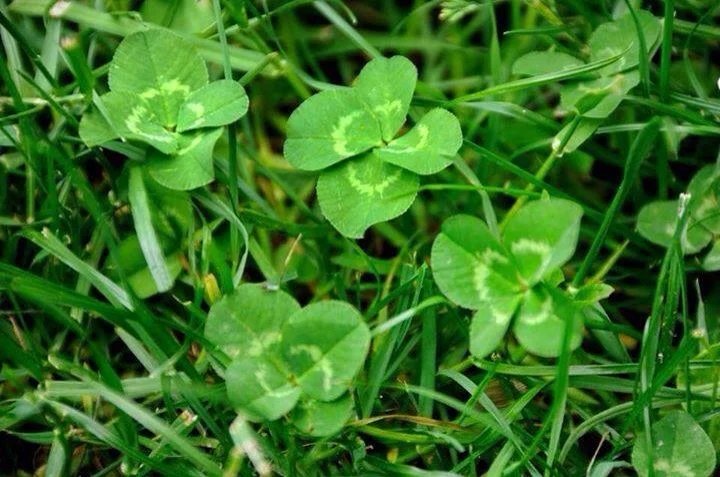
Irish or not, four-leaf clovers are ingrained in our culture. They are a symbol of good luck and finding one is quite exciting. When one speaks traditionally about finding a four-leaf clover they are usually referring to a member of the genus Trifolium, which is a genus of true clovers in the legume family. As the generic name suggests, true clovers typically exhibit leaves of three. 

The odds of finding a four-leaf clover is roughly 1 in 10,000. You stand the best chance of finding them in patches of either white clover (Trifolium repens) or red clover (Trifolium pratense), which are actually native to parts of Europe and Africa. The mutation doesn't stop at four leaves either. Clovers with five or more leaves have been found and the world record for most leaves on a single clover is 56! What causes this mutation is a bit of a mystery. Some feel that it is environmental while others feel it is the result of recessive genes. A study done on white clover lends some support to the genetic connection. 

I find it interesting that some of the most the famous depictions of four-leaf "clovers" are not clovers at all but rather varieties of Oxalis tetraphylla. This Mexican species produces leaves divided into four with the characteristic lobe-like shape. Since it only ever produces four leaves, it is a failsafe for those looking to add a bit of "luck" to the season. 

Photo Credit: loriejeanne (http://bit.ly/1ibEJfy)

Further Reading:

https://www.crops.org/publications/cs/abstracts/50/4/1260

http://www.sciencebase.com/science-blog/five-leaf-clovers.html

http://news.nationalgeographic.com/news/2009/05/photogalleries/week-in-news-pictures-130/photo4.html

A Tenacious Little Mustard

image.jpg

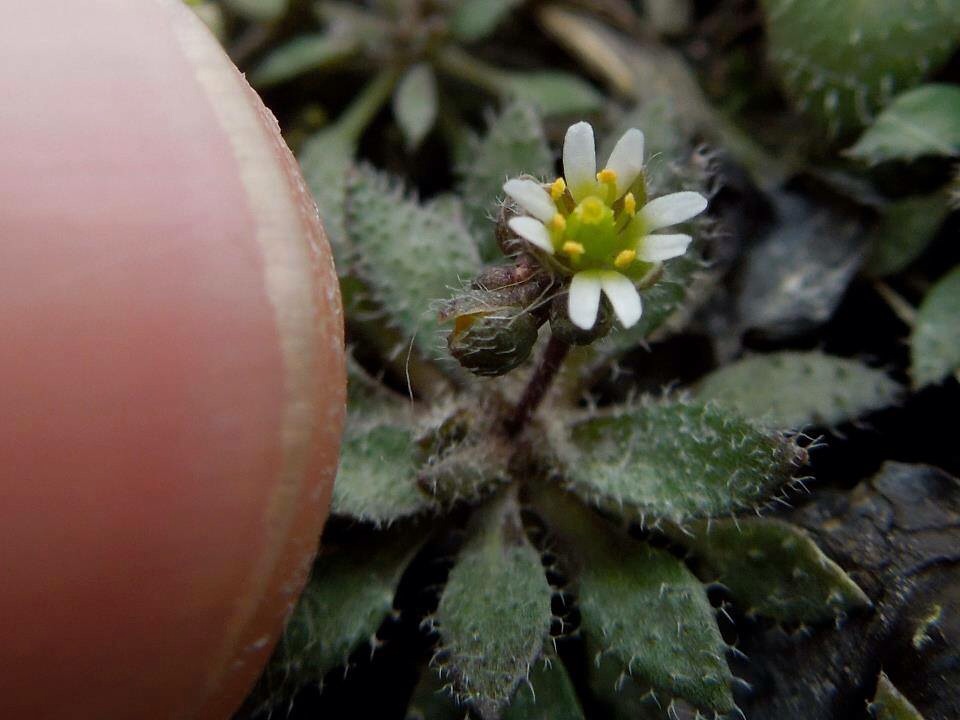
If you are looking to place a bet on what the first flower sighting of early spring will be, then a safe pick would be Draba verna. Known commonly as early Whitlow grass, the small stature of this tenacious mustard is quite deceiving. It is one tough cookie, certainly one of the toughest little plants I know. Though it is originally native to parts of Eurasia, encountering this little beauty after a long winter is a welcome treat. 

If you want to find this species, you have to look where humans are. It excels in disturbance. I most often see it growing along the edges of gravel parking lots. It is quite variable in appearance but is nonetheless recognizable due to its early flowering period and bright white, four petaled flowers. It is not uncommon for there to be plenty of snow still on the ground when these little plants begin throwing up flower buds. 

Like most winter weary denizens of the northern hemisphere, the flowers of Draba verna only seem to open on during bright, sunny days. There is good reason for this too. For starters, the few pollinators active this early in the season are only really out on fair weather days. Also, since dark and cloudy spring days are often cold and full of precipitation, it isn't worth the risk of damaging sensitive flower parts from wind, rain, or frost. Plants set seed by late spring but by that time ambient temperatures are too high for successful germination. Instead, seeds require a warm summer dormancy before they will begin germinating later in the fall. Sometimes the most interesting things come in very small packages. 

Further Reading:

http://plants.usda.gov/core/profile?symbol=DRVE2

http://www.jstor.org/discover/10.2307/2483459?sid=21106125483663&uid=2&uid=4

An Extinction in Chicago

Chicago may seem like a strange place for the last stronghold of a plant species, however, that was the case back in 1916. In 1912, a graduate student by the name of Norma Pfeiffer was exploring a wet prairie near Torrence Avenue in Chicago when she stumbled across something peculiar. What she found had completely stumped the botany department. Her description of this little mystery ended up earning her a Ph.D.

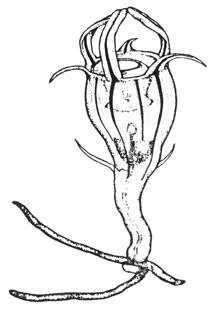
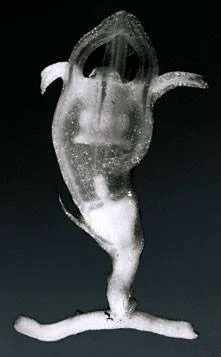
What she had discovered was indeed a plant, but it was like nothing else known in this region. The plant was named Thismia americana. T. americana, like all member of the Burmanniaceae family, is a mycoheterotroph. It made its living by parasitizing mycorrhizal fungi in the soil. Because of this lifestyle, T. americana did not bother with leaves or even chlorophyll. It simply stored up enough energy to produce its tiny translucent white and blue-green striped little flower, which barely breached the soil surface.

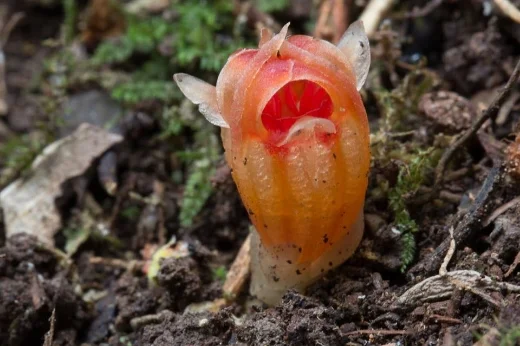
The oddest thing about finding a Thismia growing in Illinois (let alone in Chicago) is that the family with which this plant belonged is very much tropical in its distribution. Its closest living relatives grow only in Australia, New Zealand, and Tasmania (the color picture below). What was this odd little species doing in northern North America? Pfeiffer continued to encounter and examine these plants for another 5 years after her initial discovery. Sadly, 1916 was the last year that anyone ever saw these plants again. The site in which the original population was found has since been developed.

Photo by Tindo2 - Tim Rudman licensed under CC BY-NC 2.0

Photo by Tindo2 - Tim Rudman licensed under CC BY-NC 2.0

There have been many repeated attempts at rediscovering this species. In 1949, Pfeiffer herself worked with a team of botanists in an attempt to find new populations of T. americana. They were unsuccessful. Another search was launched in the early 1990's. Volunteers were given pictures and models of the plant in hopes that they could develop a search image. They were also tested using small bluish-white beads scattered around prairie vegetation to see if they were even capable of finding a flower as small as T. americana's. Just as in 1949, no Thismia were found (nor were most of the beads apparently) though the team did turn up at least 17 plant species never recorded in that region before. Their time was not wasted. Similar searches in 2002 and 2011 have produced similarly disappointing results.

How and why this species came to be part of the prairies of Illinois will forever remain a mystery. Many have tried to find it since. All have failed. Some still hold out hope that a small remnant population remains somewhere hidden beneath goldenrods and various grasses. Given the size and appearance it is easy to see how such a plant could be overlooked. If anything, Thismia americana stands as a reminder of how important even the smallest nature preserves can be. For species like this, the simple act of preserving a chunk of land smaller than a city block could have made all the difference.

Photo Credit: Tindo2 (http://bit.ly/1wmHiWu), Mark Mohlenbrock and http://www.chicagowilderness.org

Further Reading:
http://www.jstor.org/stable/2468713…

http://www.jstor.org/stable/2469255…

http://www.jstor.org/discover/10.1086/674315…

http://www.chicagowilderness.org/…/…/summer2004/thismia.html

Salamanders in the Trees

Photo by John P Clare licensed under CC BY-NC-ND 2.0

Photo by John P Clare licensed under CC BY-NC-ND 2.0

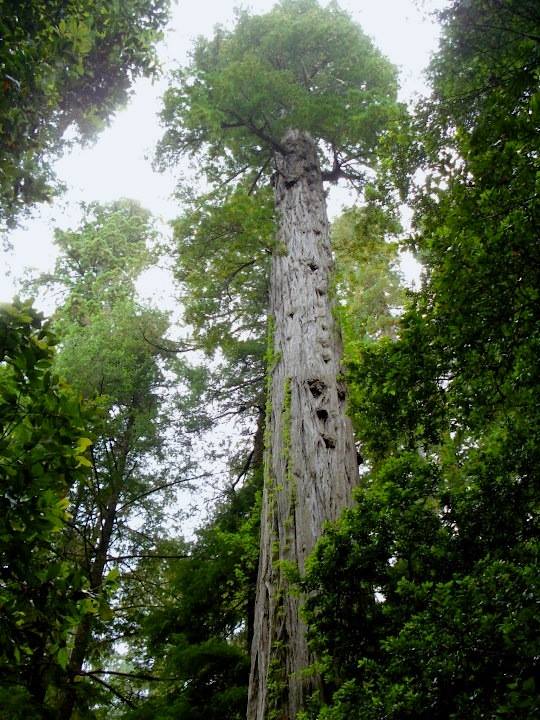
Redwoods are tall. Known scientifically as Sequoia sempervirens, this species is home to the tallest tree known to science. Even the branches of most redwoods would put all but the tallest trees to shame. It is no wonder then that the branches and crotches of these trees can sustain a lot of canopy debris. As debris builds up, it soon begins supporting entire floral communities of ferns, forbs, shrubs, and even other trees.

These epiphytic communities are hot spots of diversity among the redwood canopy. The sheer mass of these mats, with some weighing hundreds of kilograms, means they can hold a lot of water. Organisms that otherwise could not exist in such exposed areas find a safe haven free of desiccation. Everything from microbes to aquatic copepods call these places home. It is no wonder then that predators also haunt these microcosms.

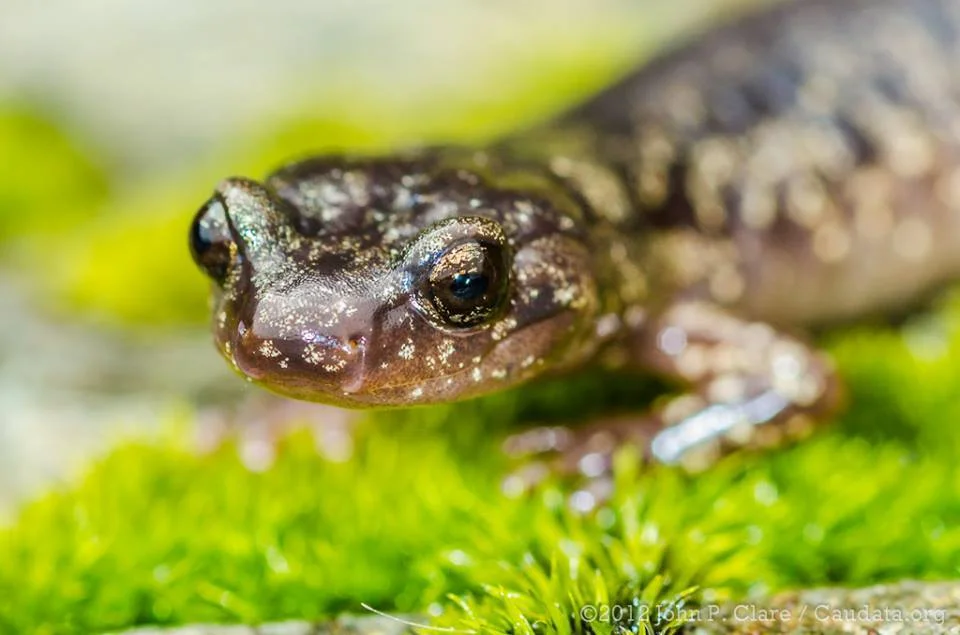
It has been discovered that at least one species of salamander, the wandering salamander (Aneides vagrans) lives at least some of its life in redwood canopies. Though it is not solely a denizen of these trees, they have been found living among these mats during both the dry and wet seasons leading some researchers to believe that at least some individuals live out their entire lives up in the canopy. The mats hold so much water that the microclimates around them stay favorable for these amphibians year round. As roots decay within the mat, small interconnected tunnels form, offering even more protection in an otherwise chaotic environment.

Cashews

Photo by Peter Nijenhuis licensed under CC BY-NC-ND 2.0

Photo by Peter Nijenhuis licensed under CC BY-NC-ND 2.0

I love cashews. I can't seem to get enough of them. Did you know that when you eat a cashew, you are only experiencing part of the fruit? Indeed, cashews are kind of weird and many of us in temperate climates never get a chance to fully appreciate what the cashew has to offer. You may also be surprised to learn that cashews and poison ivy are cousins.

Cashews or Anacardium occidentale as they are known scientifically are large trees belonging to the family Anacardiaceae. This makes them cousins of plants like poison ivy, sumac, pistachio, and mango (just to name a few). Like other members of this family, cashews produce chemicals that can cause severe skin allergies in humans. For cashews, this chemical is known as anacardic acid and is similar in its chemical makeup to urushiol. Because of this, cashews must be roasted before they can be sold. 

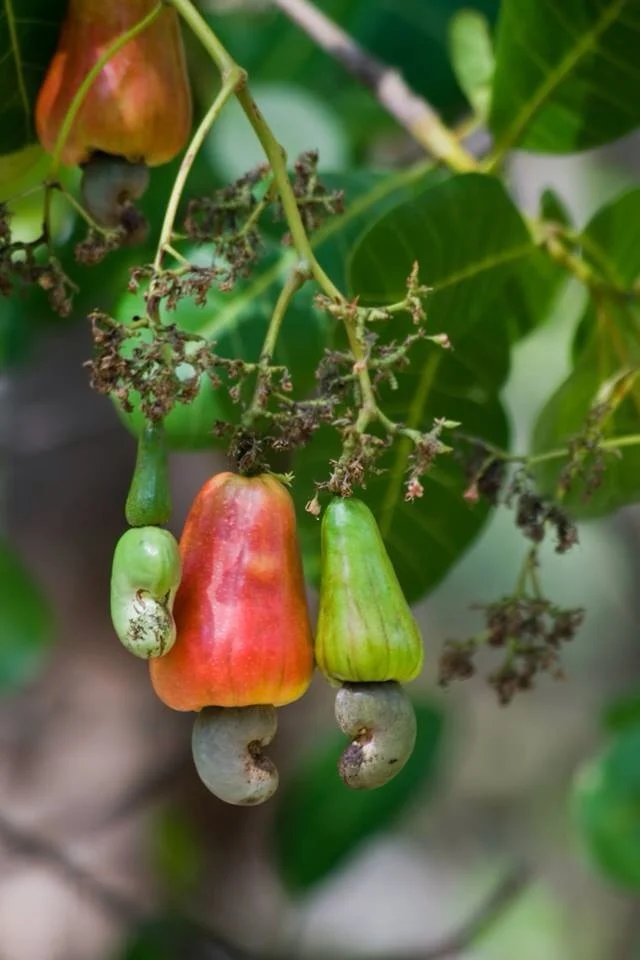
As I stated above, the cashew "nut" is only part of the reproductive effort of this species. They are not nuts in the true sense but rather a drupe similar to the pit of a cherry or peach. The drupes themselves hang from the bottom of a much larger accessory fruit called a cashew apple. This pear-shaped pseudocarp is quite juicy and does not ship well. Though it is a delicacy in tropical climates where these trees are cultivated, it rarely makes it to more temperate climates.

Cashews are currently native only to Brazil but fossils found in Eocene deposits from Germany hint at a much wider distribution. It is now believed that the group that gave rise to cashews originated in Africa and subsequently migrated outwards while South America was still attached. Today, the cashew is regaining some of its lost ground thanks to its agricultural importance. 

Speaking of agriculture, cashews are offering an interesting model for more sustainable farming practices. Cashews, like most other crops, are grown in large-scale monocultures. Thousands of gallons of pesticides are used on these crops to stave off pests. However, the pesticides kill more than just unwanted insects. What is interesting about cashews is that they naturally produce extrafloral nectaries (glands that secrete nectar) on their leaves. In the wild these glands attract ants looking for a high energy meal. The ants in turn guard these nectar sources from anything that may interfere with their feeding. As such, many potential pests are driven off by the ants. Research is being done to compare the rates of insect pests between cashew plantations that use pesticides and those that don't. It could be possible that by allowing ants to guard these nectar sources, farmers could avoid the use of pesticides to control insect damage. More work is needed but cashews are certainly a great model for developing such a system. 

Photo Credit: Peter Nijenhuis (http://bit.ly/1A0MmLI)

Further Reading:

http://www.jstor.org/stable/10.1086/520728

http://www.amjbot.org/content/85/6/835.full.pdf

The Spotted Ladyslipper

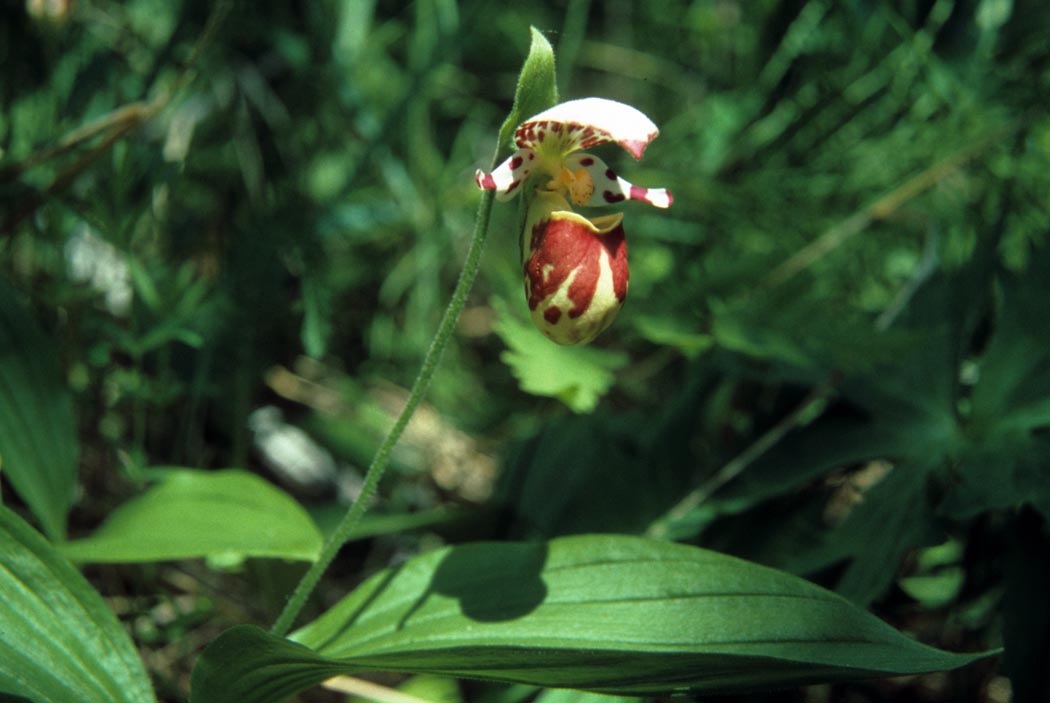
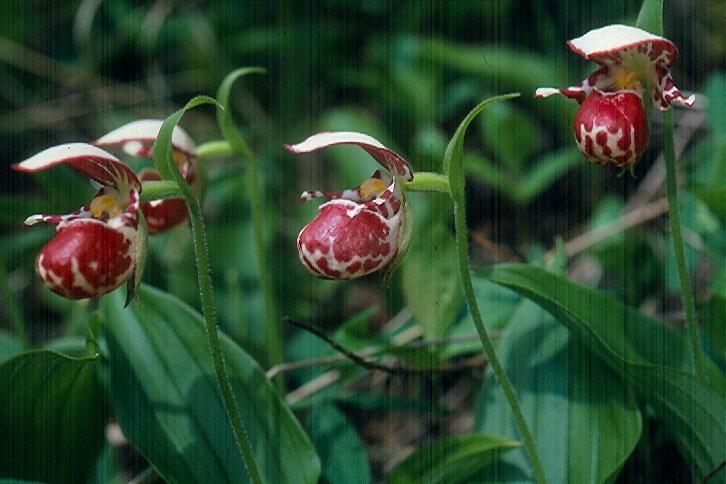
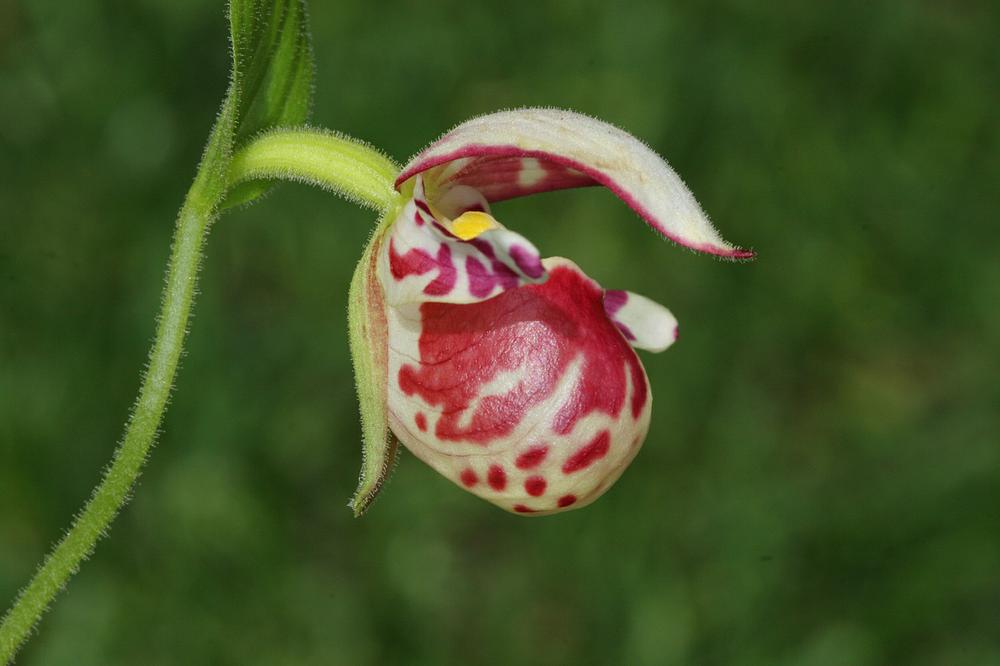
Cypripedium guttatum is a peculiar yet beautiful slipper orchid. It is native to a large swath of Asia and Russia as well as Alaska, Yukon, and the Northwest Territories. This disjunct distribution hints at the land bridge that once connected North America to Russia during the last ice age.

Photo Credits: Marilyn Barker Copyright © 2013 University of Alaska viahttp://goorchids.northamericanorchidcenter.org

Further Reading:
http://goorchids.northamericanorchidcenter.org/…/…/guttatum/

A Plant That Isn't

Photo by Karz09 licensed under CC BY-SA 4.0

Photo by Karz09 licensed under CC BY-SA 4.0

Every once in a while a story so silly makes it through some of the larger news organizations that it just makes you want to slap your forehead so hard that you knock yourself out. A few years back a story broke and spread like wildfire. Apparently a Chinese nun discovered a legendary Buddhist flower growing under her washing machine. The story took the world by storm. Everyone seemed to be talking about it. But just as quickly as it came, it was gone, which was probably for the better. These Buddhist flowers are referred to as "Udumbara" and there are a lot of historical references to them throughout religious texts. However, like aliens, Bigfoot, and the Loch Ness Monster, from time to time these pseudo-scientific trends get out of hand.

There are so many botany fails when it comes to the idea of Udumbara that you really wonder what kind of reality some people exist in. For starters, Udumbara is said to only bloom once every 3,000 years. Oh really? Who keeps track of these events? Evolutionarily speaking, what could possibly be the benefit to a strategy like this? Second, every supposed picture of an Udumbara depicts a plant with no chlorophyll and no roots. They seem to grow on some pretty strange surfaces as well. Whereas there are many examples of achlorophyllous plants in nature, they are still readily recognizable as plants. Also, they all have intricate and specific adaptations to be able to live this way. Some tap into the roots of a host plant while others steal nutrients from mycorhizzal fungi. Okay, so perhaps the latter is what Udumbara does... Not so fast. The extreme differences in the supposed locations that they are found would seem to suggest that a possible fungal symbiont is quite a generalist. If that is the case, why aren't Udumbara more common? Finally, if the discoverers of these "plants" are so adamant about their existence then why have none ever made it into the hands of a competent botanist for a more thorough study?

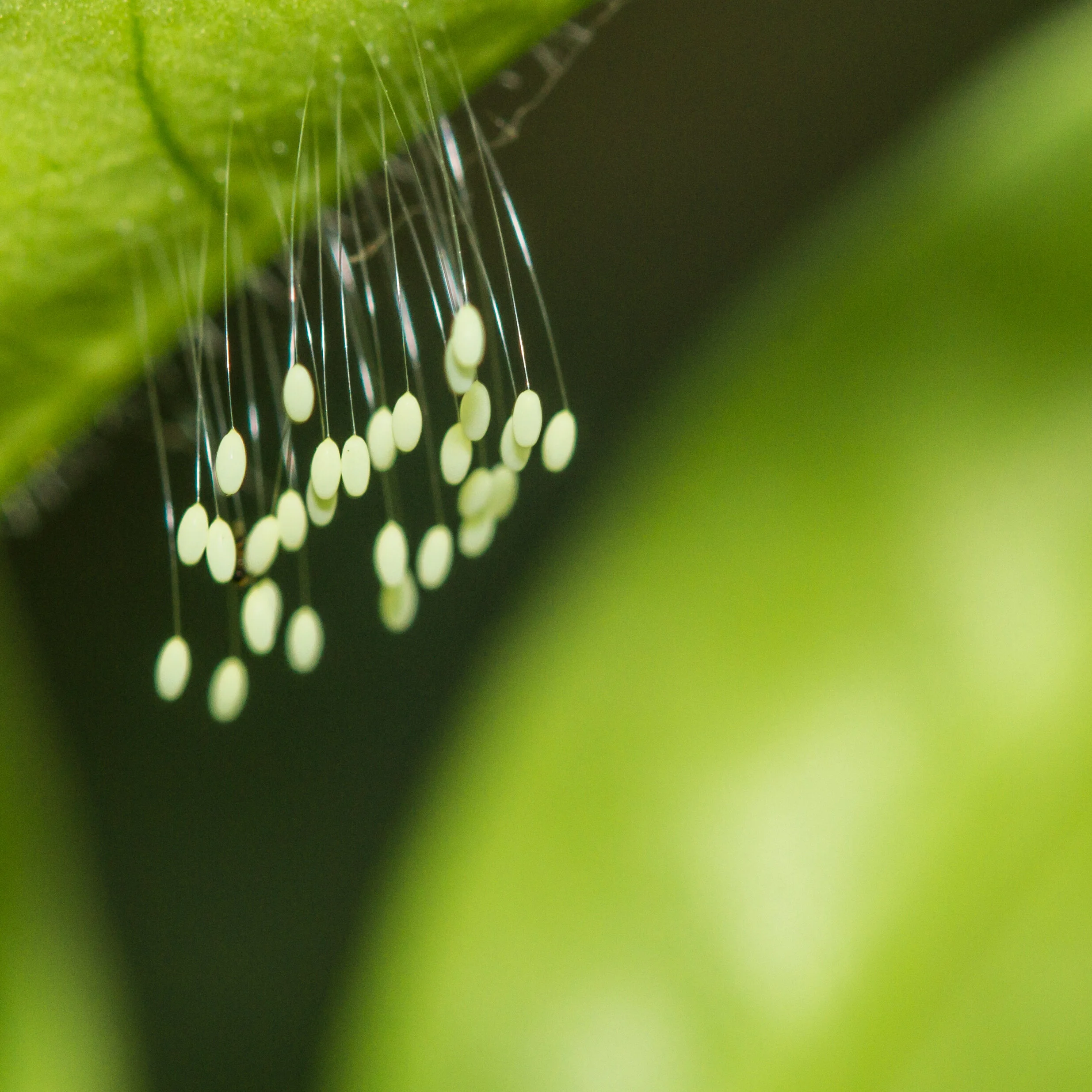
There are numerous blog posts claiming that the denial of the existence of the Udumbara flower is some sort of mass botanical cover-up conspiracy (yea, such a thought exists). There are plenty of others that claim "irrefutable proof" via macro shots of some blurry structures which, to the authors, seem to show actual floral anatomy. Though I am not writing this post to bash on religious beliefs, I am making an attempt to attack the perpetuation of pseudo-scientific dogmas that are still painfully abundant in otherwise modern times. The real explanation for Udumbara is most likely lacewing eggs. Lacewings lay their eggs on the ends of long strands of silk to help hide them from predators like ants. Many of the reported pictures of Udumbara flowers depict exactly that. Other pictures depict what more closely resembles the fruiting bodies of some slime molds which take up that morphology once they mature.

As far as I am concerned I have yet to see anything remotely convincing that these Udumbara "flowers" are anything other than lacewing eggs or slime mold. To claim that the botanical community is conspiring against the true identity of these "flowers" is to be completely naive to how botanists tick. To think that any botanist would turn down an opportunity to admire and study a plant previously unknown to science is just plain silly. The internet can be such a wonderful tool for research and broadening horizons but it is also a cesspool of misinformation and one wrong turn can send you spiraling into the realm of crazy. Be careful of where you get your information. It's okay to be open minded but don't be so open minded that your brain falls out. Question everything and embrace the discipline that is scientific thought and reasoning.

Photo Credit: Be Zen

Further Reading: http://naturelap.wordpress.com/2010/03/04/udumbara-flower-that-blooms-every-3000-years/

http://www.theepochtimes.com/n2/science/udumbara-blossoms-buddhist-celestial-31484.html

http://www.telegraph.co.uk/news/worldnews/asia/china/7345137/Rare-Buddhist-flower-found-under-nuns-washing-machine.html

A New Look at a Common Bladderwort

Photo by Kevin Thiele licensed under CC BY 2.0

Photo by Kevin Thiele licensed under CC BY 2.0

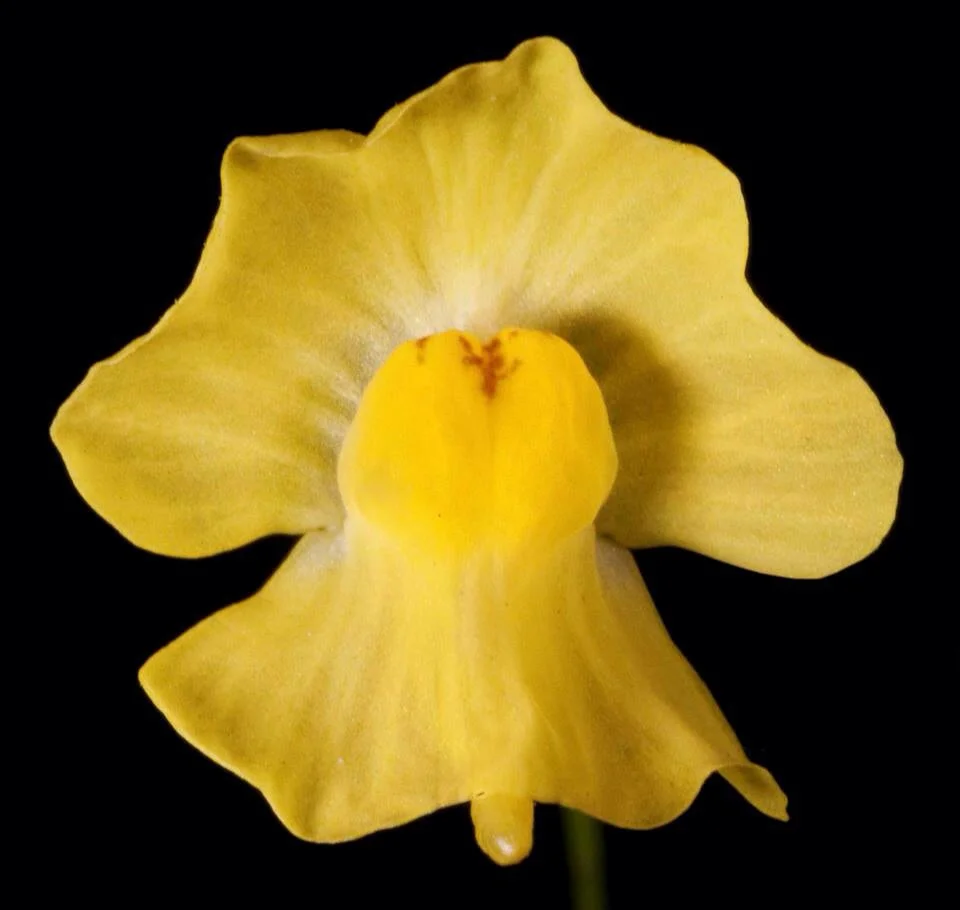
It is so often that common species are overshadowed by something more exotic. Indeed, we know more about some of the rarest plants on earth than we do about species growing in our own back yards. Every once in a while researchers break this pattern and sometimes this yields some amazing results. Nowhere has this been better illustrated in recent years than on the humped bladderwort, Utricularia gibba. 

This wonderful little carnivore can be found growing in shallow waters all over the world. Like all Utricularia, it uses tiny little bladders to capture its even tinier prey. Despite its diminutive size, U. gibba is nonetheless a very derived species. For all of its wonderful physical attributes, the real adventure begins at the microscopic level. As it turns out, U. gibba has some amazing genetic attributes that are shining light on some incredible evolutionary mechanisms. 

When researchers from the University at Buffalo, Universitat de Barcelona in Spain, and LANGEBIO in Mexico decided to sequence the genome of this plant, what they found was quite startling. For a rather complex little plant, the genome of U. gibba is incredibly small. What the researchers found is that U. gibba appears to be very efficient with its DNA. Let's back up for a moment and consider this fact. 

The genomes of most multicellular organisms contain both coding and non-coding DNA. For decades researchers have gone back and forth on how important non-coding DNA is. They do not code for any protein sequences but they may play a role in things like transcription and translation. For a long time this non-coding DNA has been referred to as junk DNA. 

This is where things get interesting. Sequencing of the U. gibba genome revealed that only 3% of its genome consisted of non-coding or junk DNA. For some reason the U. gibba lineage has managed to delete most of it. To put things in perspective, the human genome is comprised of roughly 98% non-coding or junk DNA. Despite its rather small and efficient genome, U. gibba nonetheless has more genes than plants with larger genomes. This may seem confusing but think of it this way, whereas U. gibba has a smaller overall genetic code, it is comprised of more genes that code for things like digestive enzymes (needed for digesting prey) and cell walls (needed to keep water out) than plants with more overall genetic code such as grapes or Arabidopsis. 

As one author put it, this tiny ubiquitous plant has revealed "a jewel box full of evolutionary treasures." It is a species many of us have encountered time and again at the local fishing hole or in your favorite swimming pond. Time and again we pass by the obvious. We overlook those organisms that are most familiar to us. We do so at the cost of so much knowledge. It would seem that the proverbial "Old Dog" has plenty of tricks to teach us. 

Photo Credit: Kevin Thiele (http://bit.ly/1Flouqd) and Reinaldo Aguilar (http://bit.ly/1B6mnHN)

Further Reading:

http://www.nature.com/nature/journal/v498/n7452/full/nature12132.html

http://mbe.oxfordjournals.org/content/early/2015/01/31/molbev.msv020

http://plants.usda.gov/core/profile?symbol=UTGI

Microclimates

image.jpg

How can we know exactly when and where a seed will germinate? The simple answer is we can't. Much to the chagrin of anyone who has ever tried to grow plants from seed, there seems to be an endless amount of obstacles between deposition of seed and whether or not it will germinate. At the end of the day, it seems that the land will decide where a plant is going to grow. Because of this, the seed to seedling stage of a plants life is the first and greatest bottleneck in the patterns we see in plant communities around the world. 

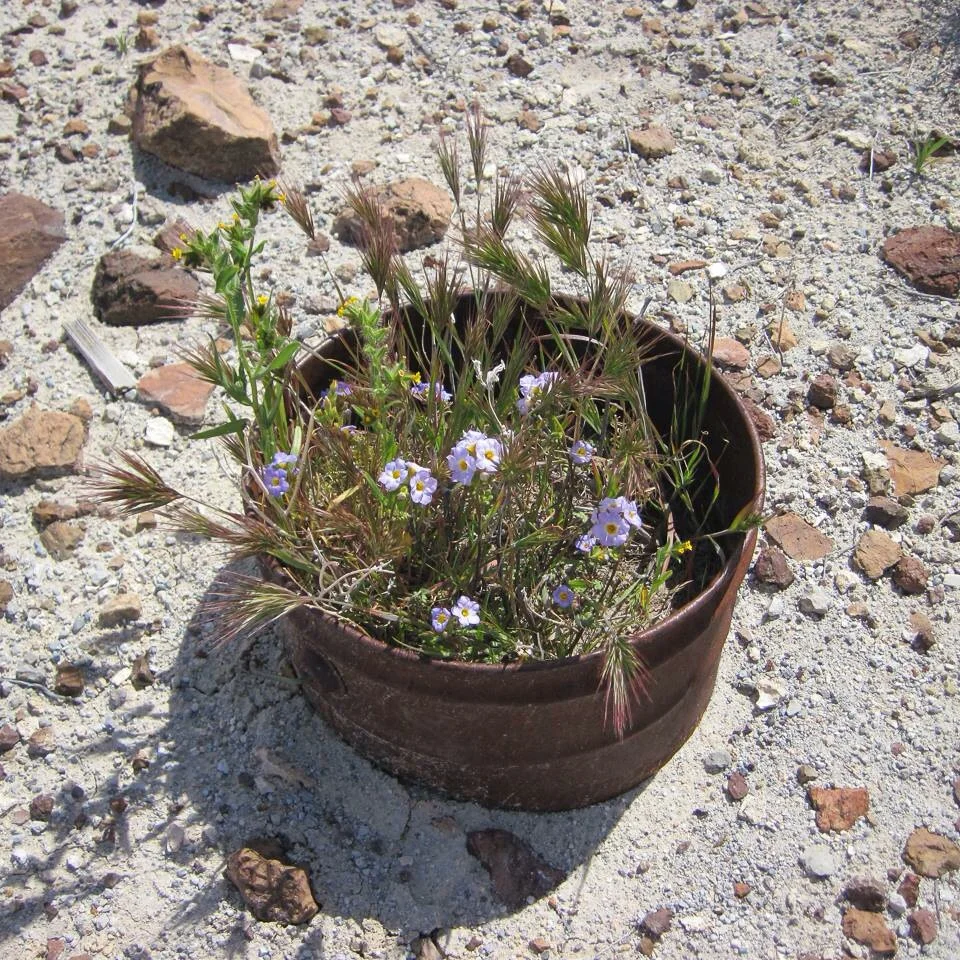
For some plants its easy. If seed makes it to a location, the plants will grow. For many (and I mean many) plant species, habitat means everything. Anyone interested in growing plants must never overlook microclimates. We all know what climate means. At least we should. Just like entire regions can have their own climates, so too can different parts of the landscape. It could be that snow melt happens slower in one area, making the ground slightly more saturated. Perhaps there is a layer of clay underneath helping to hold water longer. If you are a high desert or alpine species, perhaps a small rock or boulder provides just enough protection from violent winds. It could even be a clump of moss or a shrubs that shelters a seedling long enough for it to establish itself. Heck, it could just as easily be a rusted out old can in the middle of the Mojave Desert.   

The are limitless variations on the theme but they are all too often overlooked. There are few ways of predicting what will work and what won't. On more than one occasion I have forgotten about seeds planted years ago only to have the plants suddenly appear out of nowhere. As with everything in nature, these things are dynamic. What ecology is in need of are more studies that investigate the recruitment limitations of individual or groups of species. We need ecologists speaking with restoration practitioners and vice versa. We need to keep in mind that organisms can inform theory and then some. 

Photo Credit: Zachary Cava (https://www.flickr.com/photos/101789078@N06/)

Further Reading:

http://www.jstor.org/stable/1514074?seq=1#page_scan_tab_contents

Sweet Nectar

image.jpg

Plants produce some serious chemical cocktails. Any compound that a plant produces that isn't involved in growth or reproduction is coined a secondary metabolite. These compounds often function as herbivore deterrents. We humans are well aware of this fact and have been utilizing plants as medicine for millennia. Though the human animal may appear unique in this aspect, self-medicating has nonetheless been discovered in many other animals. Everything from monkeys to birds and even elephants seek out specific plants for things like parasite control and birthing. A study published in 2015 suggests that using plants as medication may even extend to insects. 

It has been documented that for a multitude of plant lineages, secondary metabolites are not restricted to vegetative structures. Many species produce secondary metabolites in their nectar. One interesting example of this can be found in coffee trees (Coffea sp.). These plants produce caffeinated nectar that has shown to keep bees coming back for more, not unlike we humans frequent our coffee pots. Plenty of other plants are doing this as well. Everything from amino acids, alkaloids, phenolics, glycosides, terpenoids, and even microRNA have turned up in the nectar of different plant species.

Researchers wanted to know if these chemicals may be benefiting pollinators. By isolating the different compounds, researchers found that bumblebees drinking from these flowers had drastically reduced parasite loads, specifically the gut parasite Crithidia. About half of the compounds tested were implicated in reducing parasite load but one group in particular stood out - the tobacco alkaloids. 

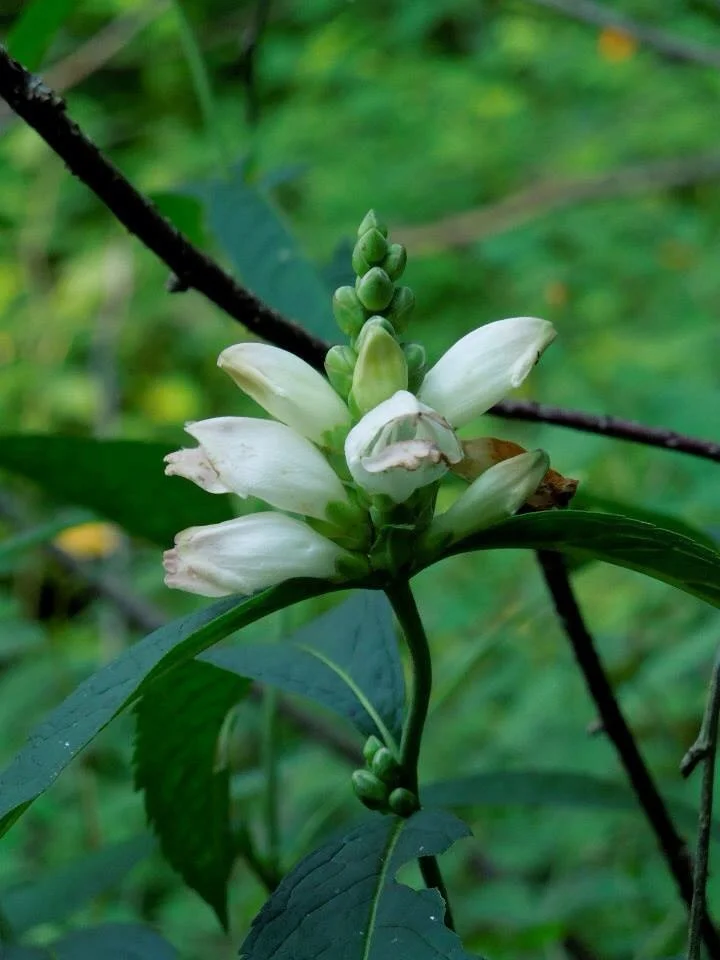
Alkaloids such anabasine are not limited to tobacco plants. They can be found in the nectar of trees like the basswoods (Tilia sp.) and forbs like the turtle heads (Chelone sp.). Bees that drank nectar containing these alkaloids saw parasite reductions of upwards of 80%. However, like any viable medicine, there were side effects. The eggs of bees that drank these compounds took considerably longer to develop and hatch. This cost may be well worth the lower parasite transmission rates and likely do not pose considerable selective pressures.

Whether or not bees are specifically targeting these plants for their anti-parasite properties remains to be seen. More recent work has found that we must be tentative in our conclusions at this point. Tests on other nectar compounds have shown no benefit to pollinators. Either way, these findings have opened up a whole new door into the interactions between plants and their pollinators. 

Further Reading: [1]  [2]

Time

image.jpg

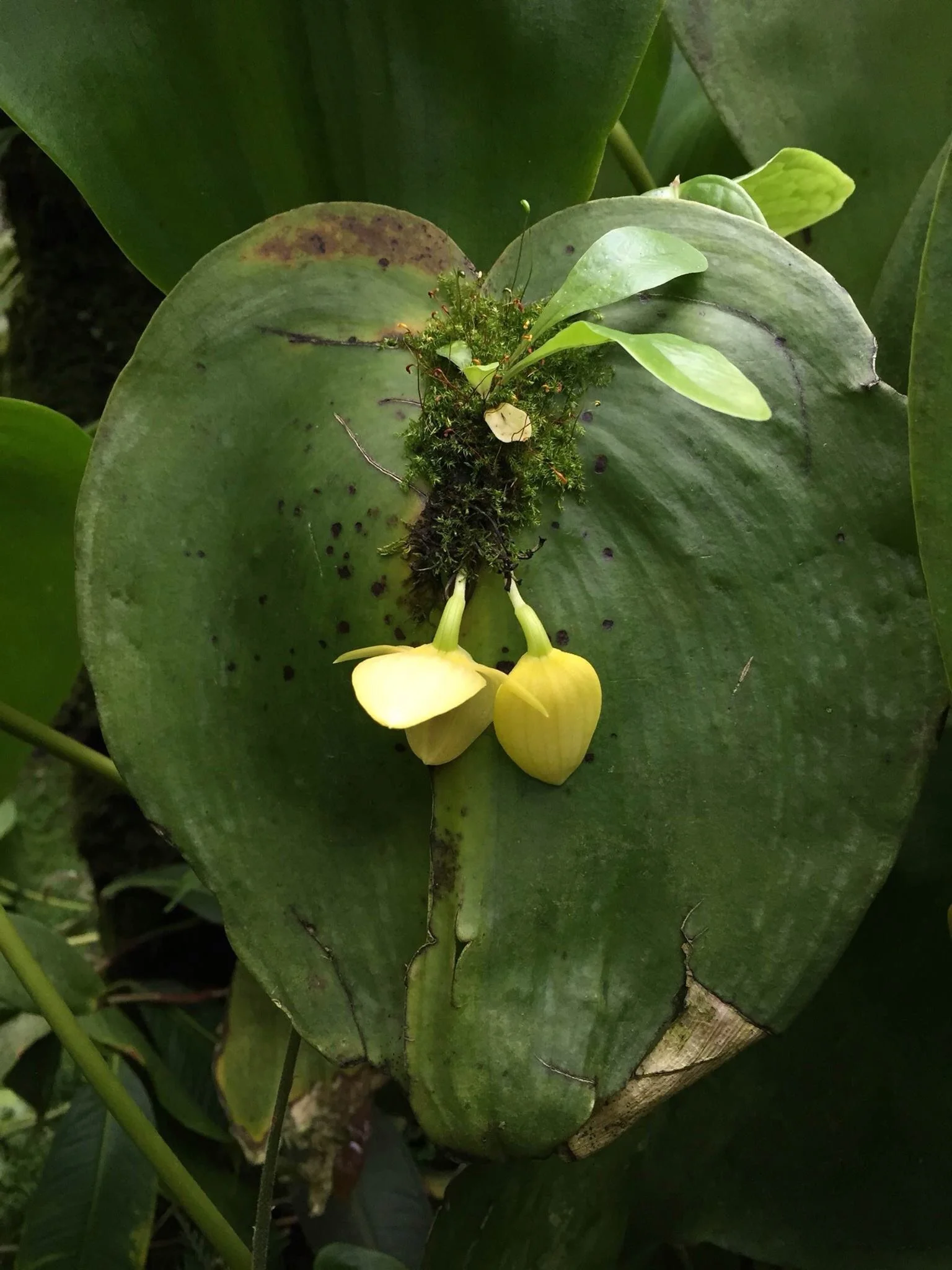
There is something very special about old plants. They offer us a way of appreciating a timescale that we can never fully understand. I am especially fond of finding people who have had house plants in their family for generations. I grew up with a few that had already been around for decades before I was born. Here is a wonderful example of what I am talking about. This Acronia titan orchid has been blooming for years and has acquired a wonderful little moss patch in the crux of its leaf. Out of that moss grows a fern.

This photo comes to us courtesy of Kevin Holcomb. You can find him on instagram via @orchid_beard

A Real Cliffhanger

image.jpg

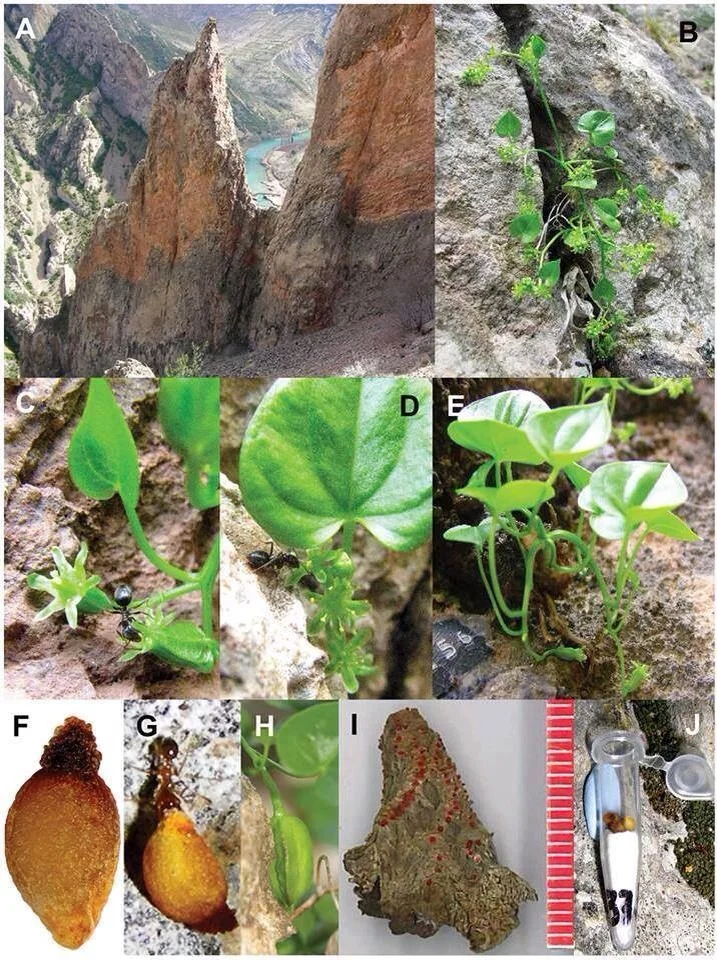
Cliff faces are some of the most interesting habitat types on the planet. Few places in the world are as inhospitable. They are low in nutrient levels, they have limited space for root growth, and offer very little for recruitment. Cliffs do offer some benefits though. They are often sheltered from extremes in climate and can be inaccessible to large herbivores. With that in mind, it is understandable how they can be a haven for some very unique and equally extreme life forms.

One such life form that comes to mind is Borderea chouardii. This strange plant grows only on a couple cliff faces in the Pyrenees mountain range in Spain. It is critically endangered as it represents a relict population of a once tropical Tertiary environment. What makes it more interesting is the double mutualism it has formed with ants. As we have touched on a few times in the past, ants are often recruited as seed dispersers. Borderea chouardii does just that. In many of the observed cases of seed dispersal, researchers found that ants were the culprit. Interestingly enough, a majority of the remaining cases were due to the plant literally planting its own seeds. Known as "skototropism," the stems of the seed cases grow into dark crevices, which are perfect spots for seed to germinate and grow. Surprisingly, gravity plays a very small role in the reproduction of this species.

Let me back up for a bit here. I did mention this plant has a double mutualism with ant species after all. Based on years of observation, researchers found that ants actually served as the most efficient pollinator for Borderea chouardii. This is not a common thing. Generally speaking, ants do not make for effective pollinators. Most species have glands that secrete substances that destroy pollen. However, in a mountainous cliff setting, winged insects are relatively rare, so Borderea chouardii and ants have evolved together into this oddball double mutualism. To add an extra layer of complexity to the system, dare I mention that it isn't just one ant species that Borderea chouardii relies on, but rather 3. Two ant species serve as the pollinators while a a third ant species serves as a seed disperser. This is one risky plant species. The plant gets around the rarity of successful recruitment by living a long time. Individual plants can live upwards of 300 years, which is quite possibly the record for a non-clonal forb species.

Photo Credit: María B. García, Xavier Espadaler, Jens M. Olesen

Further Reading:

http://www.plosone.org/…/info%3Adoi%2F10.1371%2Fjournal.pon…

http://www.iucnredlist.org/details/162110/0

Seeds That Plant Themselves

Photo by Matt Lavin licensed under CC BY-SA 2.0

Photo by Matt Lavin licensed under CC BY-SA 2.0

With March (and hopefully spring) just around the corner here in the northern hemisphere, I have been thinking a lot about my garden plans. Winter is a time to get your hands on seeds. What a wonderful thing seeds are. They carry within them the genetic blueprints for building a plant. They are also the means by which most plants get around. Each seed has the potential to start a new generation somewhere else. We are well aware of the myriad ways in which plants equip their seeds for dispersal but the investment doesn't stop there. Many plant species produce seeds that maximize the likelihood of successful germination once dispersed. The ways in which this is done are as diverse as they are interesting.

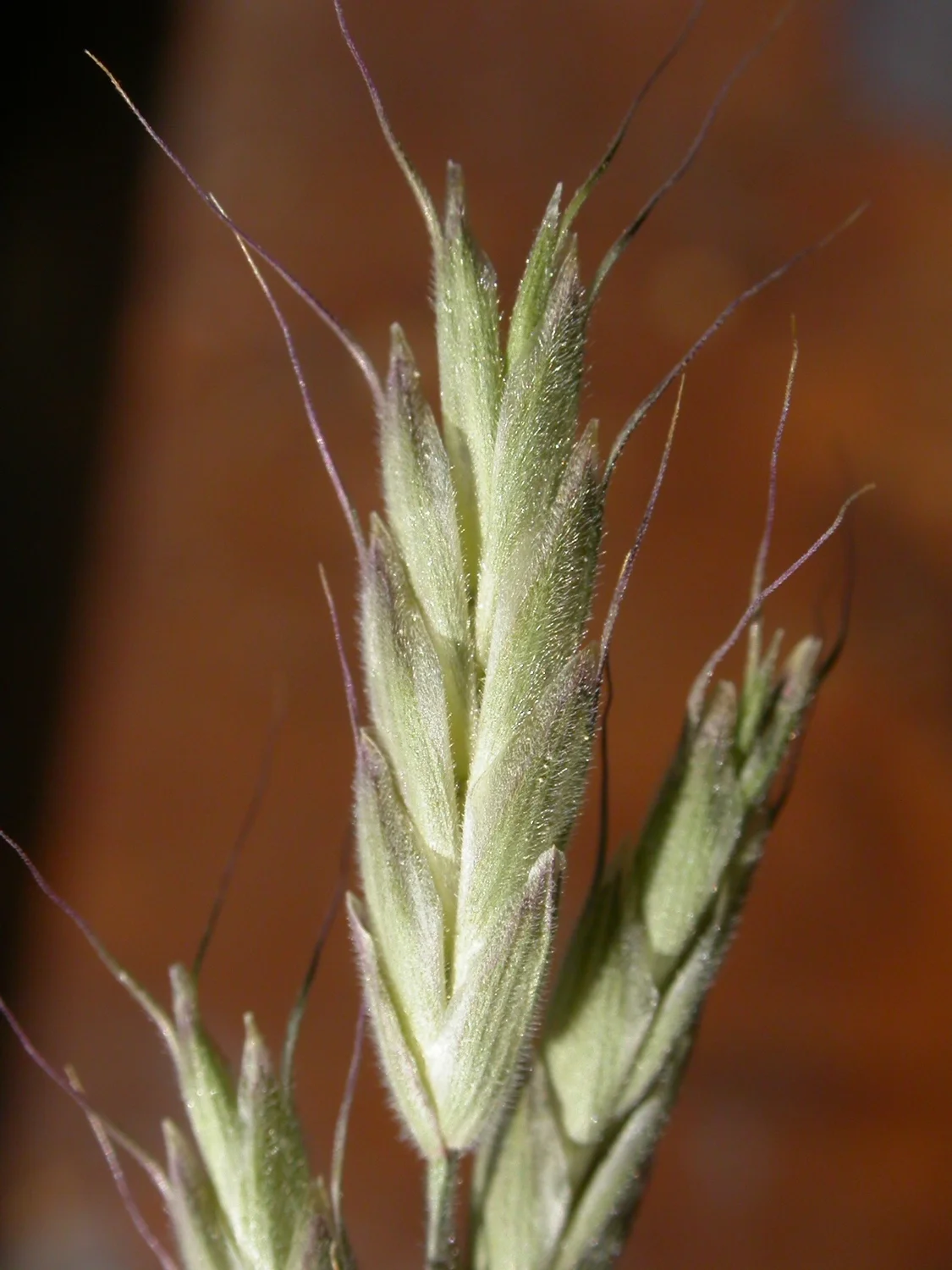
One of the most remarkable examples of this involves hair-like structures called awns. Awns can be bristly and thus can become tangled in the fur or feathers of an animal. Once on the ground, some awns serve a different purpose. They can be rather sensitive to humidity. This is referred to as "hygroscopic." Hygroscopic awns will begin to twist when humidity levels rise. This movement will actually drill the seed down into the soil where it can safely germinate. Many grasses as well as some geranium seeds behave in this way.

Other seeds have awns or pappuses (hairs) that point backward at an angle which, once driven into the soil, prevent the seed from being pushed back out. This is especially useful when the young roots begin pushing their way down into the soil. Others have pappuses that expand and contract with humidity, placing the seed at a favorable angle for germination when moisture levels are just right. These adaptations are commonly found in species of Leontodon, Taraxacum, Sonchus, Senecio, and Erigeron. Some plants even produce seeds with hairs that become mucilaginous when wet, literally gluing them to the surrounding soil. This adaptation can be seen in Polemonium viscosum.

A seed is an investment for the future. Being static organisms, plants rely on subsequent generations to maintain their presence in and migrate into new habitats. Countless seeds are produced and only a handful will ever survive to flower and repeat the process. Despite these odds, plants are nonetheless incredibly successful.

Photo Credit: Matt Lavin (http://bit.ly/1Bnh4oq)

Further Reading:
http://www.jstor.org/stable/2258879…

http://www.jstor.org/stable/1940966…

Fly Guild

Photo by Rictor Norton & David Allen licensed under CC BY 2.0

Photo by Rictor Norton & David Allen licensed under CC BY 2.0

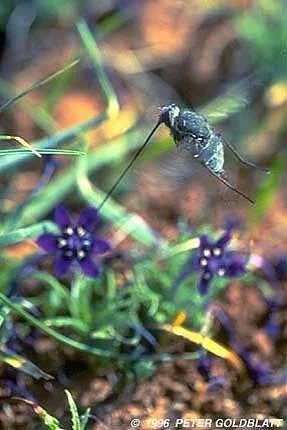
Lapeirousia oreogena grows in the western portion of South Africa. Though it may be difficult to tell by looking at it, this little plant is a member of the iris family. Decked out in its striking shade of purple, the white spots on its petals really stand out. Shaped like arrowheads, it would almost seem as if the plant was trying to advertise the perfect place to grab a sip of nectar. Indeed, that is exactly what they are doing. Those white arrows serve as guides for a rather peculiar pollinator.

Prosoeca peringueyi is a pretty incredible little fly. For starters, its proboscis is 2 inches in length! It looks rather awkward buzzing around a patch of these beautiful irises. Seeing it in action may change your mind though. It is truly an ariel acrobat as it maneuvers itself above a flower and expertly dips its long proboscis down the slightly longer nectar tube of the flowers. How is the fly so adept at hitting its target every time? The answer lies in those white arrows. 

A team of researchers performed a series of experiments in which they covered up the white arrows of some flowers. As it turned out, the flies still approached the flowers but, with no arrows visible, successful insertion of the proboscis was drastically reduced. The arrows serve as a guide for the flies to tell them exactly where they are going to be able to get an energy rich drink.

How exactly does a system like this evolve? A clue to the answer lies in the fertility of these irises. Plants that aren't visited sequentially by these long-tongued flies do not set seed. As it turns out, the plants need the flies to be just out of reach of the bottom of the nectar tube for efficient transfer of pollen. Over time, an evolutionary arms race developed in which the proboscis of the flies gradually got longer to get as much nectar as possible and thus selecting for irises with longer and longer flower tubes.

This system seems to have had an effect on other plant species growing in this region too. Lapeirousia oreogena is only in bloom for a small window of time during the growing season. What happens to these long tongued flies when this window is closed? Interestingly, other plant species form what is referred to as a guild with L. oreogena. They all cater to these flies with varying lengths of elongated nectar tubes. In total, at least 28 plant species in this region have seemed to have converged on this pollination syndrome. To see more of these plants, click here.

Photo Credits: Rictor Norton, David Allen (http://bit.ly/1jzvHeK) and Peter Goldblatt

Further Reading: [1] [2] [3] [4] [5]

Amber Fossils of Grain

image.jpg

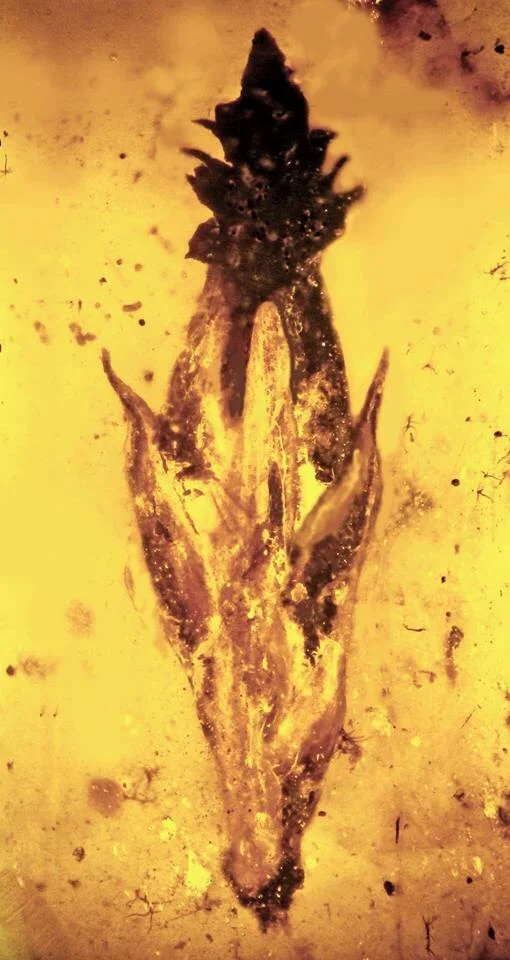
In what may be one of the most interesting fossil discoveries in recent years, scientists from Oregon State University have described the earliest fossil evidence of grasses. Encased in 100 million year old amber this ancient grass spikelet suggests grasses were already around in the early to mid Cretaceous period. This is some 20 to 30 million years earlier than previous estimates for grass evolution. If that isn't cool enough, the grass appears to have been infected by a fungus related to ergot (the darker portion at the top), showing that this parasitism may be as old as grasses themselves. 

We humans have a long history with ergot's fondness for grasses. It is best known for producing the chemical precursors of LSD (as well as many other useful drugs) and has been implicated in some major historical events throughout our short time on this planet. However, suggesting that dinosaurs were getting high off the stuff is pushing it. Ergot likely evolved its chemical cocktail to deter herbivores from eating the grasses that it parasitizes. It has a bitter taste and cattle are said to avoid grasses that have been infected by it. It is quite possible that dinosaurs probably did the same thing. 

Either way, this finding represents a major milestone in the understanding of one of the most important plant families on the planet. Following the mass extinction at the end of the Cretaceous, grasses quickly rose to dominate roughly 20% of global vegetation. This little piece of amber now suggests that dinosaurs and their neighbors likely had a role in shaping this plant family. 

Photo Credit: Oregon State University

Further Reading: [1]