There's Water In Them There Rocks!


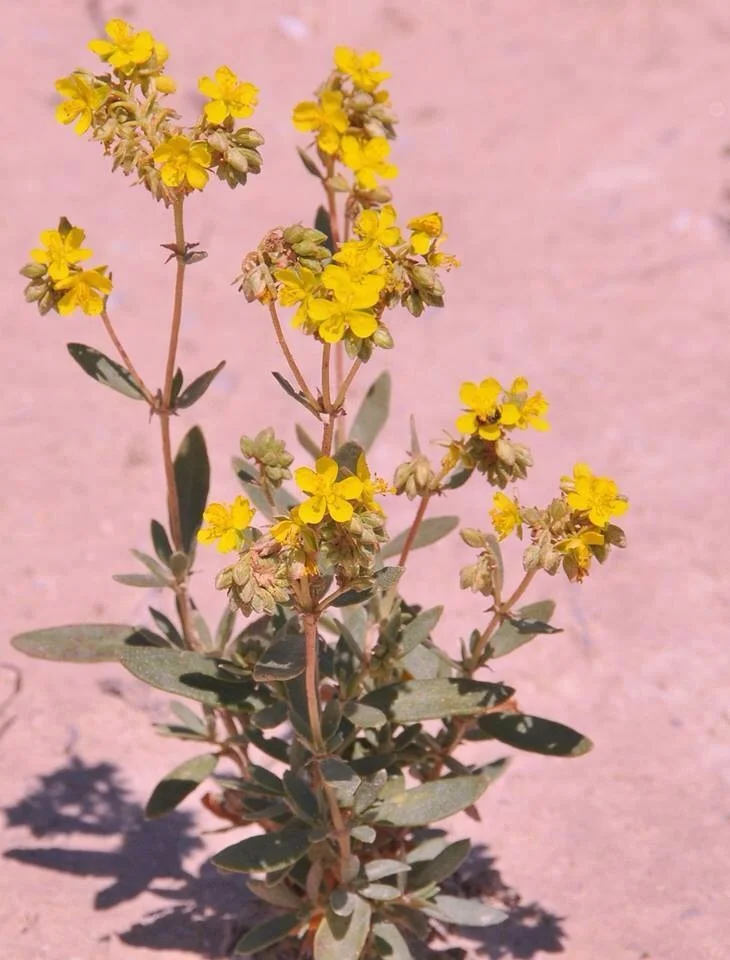
Photo by José María Escolano licensed under CC BY-NC-SA 2.0

Photo by José María Escolano licensed under CC BY-NC-SA 2.0

Plants go to great lengths to obtain the necessities of survival. Nowhere is this more apparent than in the desert regions around the world. Amazingly, myriads of plants have adapted to the harsh conditions that deserts offer up. Needless to say, water is a major limiting resource in these climates and many of the adaptations we see in desert plant species have to do with obtaining and holding on to as much water as possible. Some species get around the issue by going dormant whereas others stick it out using deep taproots that plug into the groundwater. A select few others hit the rocks.

Rocks? Well, gypsum to be precise. This interesting mineral is quite common in arid regions throughout the world. What is more interesting is that 20.8% of a gypsum crystal is water. Because of this, it has been suspected that gypsum in the soil could be a potential source of water for plants growing in these regions and a team of researchers out of Spain may have found just that.

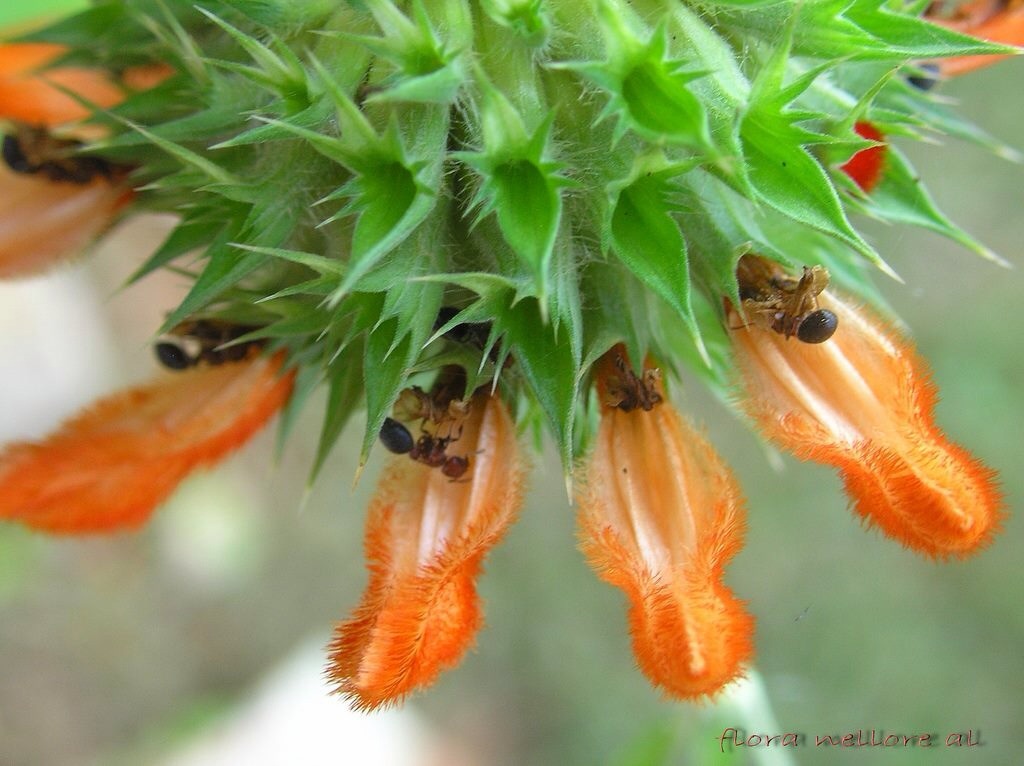
Meet Helianthemum squamatum. This distant relative of hibiscus grows throughout the gypsum hills of the Mediterranean region. Unlike other desert plants, it is shallowly rooted. Unlike other shallowly rooted species, H. squamatum doesn't go dormant during the dry summer months. The physiology of this species in the context of the dry environments that it grows offers up quite a conundrum. How does this plant get the water it needs to grow through the hottest, driest months of the year?

By analyzing the isotopic composition of the water within the plant and comparing it to background sources, the team found that 90% of the plants water intake during the dry summer months comes from the crystallization water in gypsum! How is this possible? How does a plant get water from a mineral?

The actual physiological processes involved are not yet understood but there are some running hypotheses. The first has to do with temperature. When gypsum is exposed to temperatures above 40 degrees C, water can be released from the crystalline matrix. It would then be available to the plants via passive uptake. 40 degrees C is not unheard of in these environments. Any water that isn't taken up by the plants could be reincorporated back into gypsum when things cool down at night. Another possibility is that H. squamatum grows its roots into and around the gypsum. Using root exudates, it is possible that the plant is able to dissolve gypsum to some degree, thus unleashing the water within. This may rely on the microbial community associated with the roots. Until further research can be done on this, the jury is still out.

The most exciting aspect of this research is the doors it has now opened in our search for extraterrestrial life. Life as we know it depends on water. Our search for this molecule has us looking for planets in a sweet spot where water can be found in a liquid state. Knowing now that at least some life on our planet is able to obtain water from gypsum broadens the kinds of places we can look. Mars is chock full of gypsum. Just sayin'.

Photo Credit: José María Escolano (http://bit.ly/ZeSVzB)

Further Reading:

http://www.nature.com/ncomms/2014/140818/ncomms5660/full/ncomms5660.html
On Parasites and Diversity

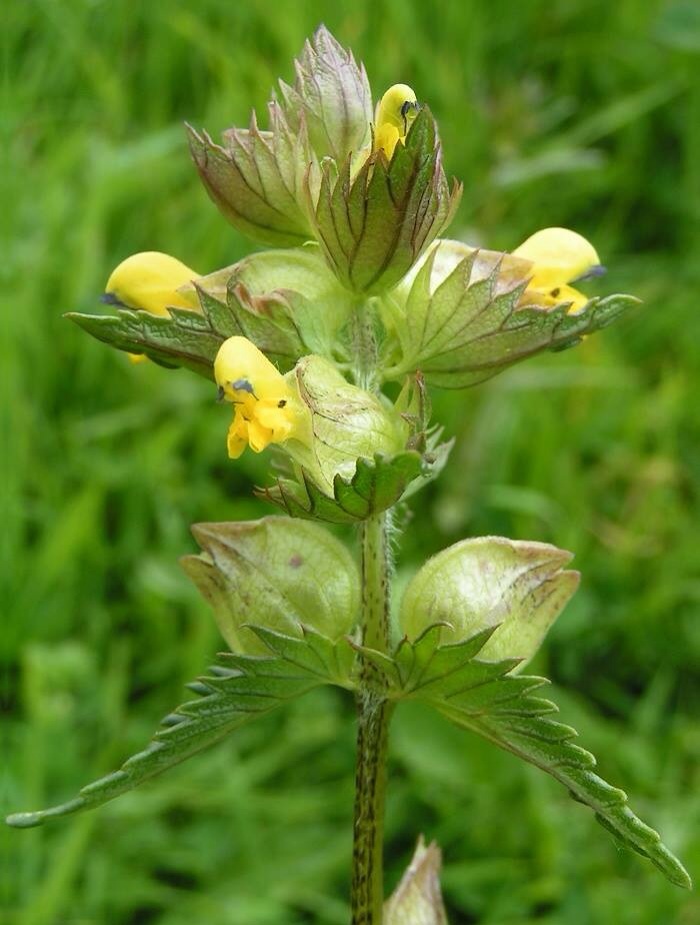
Photo by Sannse licensed under CC BY-SA 3.0

Photo by Sannse licensed under CC BY-SA 3.0

We all too readily demonize parasites. It is kind of understandable though. The thought of something living in or on you at your expense is enough to make our skin crawl. There are a lot of evolutionary pressures that make us look unfavorably about organisms with such lifestyles. However, to completely write parasites off as a bane to life as we know it may be a huge mistake on our part. More and more we are realizing that parasites play an important role in ecosystem functioning and may even serve as indicators of environmental health. 

Plants are no stranger to such parasitic dynamics. Many species have forgone some if not all photosynthetic ability in exchange for a parasitic lifestyle. There is no question that plant parasites can and do have net negative effects on their hosts, however, its never that simple. Research is showing that parasitic plants can have profound effects on the structure and productivity of surrounding plant communities. 

For starters, parasitic plants can increase the competitive ability of non-host species. By knocking back the performance of their host, other plant species can pick up the slack so-to-speak. This can often lead to an increase in overall plant diversity in a given habitat. A common thread throughout studies that have looked at parasitic plants is that proportion of grasses declined when parasitic plants were present. This made room for less competitive forbs to increase in number. In effect, parasitic plants can level the playing field for other, less competitive plant species. 

By altering ecosystem structure, parasitic plants can also alter the way nutrients flow through the system. This can have some seriously profound ramifications. For instance, the presence of the hemiparasitic Rhinanthus minor in grasslands has been shown to  increasing rates of nitrogen cycling. Though the ramifications of this are dynamic, it is nonetheless proof that parasites should not simply be maligned and that, despite our perspective, nature is far more complex than we realize. 

Photo Credit: Sannse (Wikimedia Commons)

Further Reading:

http://www.nature.com/nature/journal/v439/n7079/full/nature04197.html#B10

http://link.springer.com/article/10.1007%2FBF00319016

http://www.sciencedirect.com/science/article/pii/S0006320797000104

http://www.jstor.org/stable/10.1086/303294

Snakeroot

image.jpg

There are many luxuries that we take for granted that are rather recent developments in our history. One such luxury is avoiding what was known as milk sickness. During the 19th century, milk sickness claimed the lives of countless thousands and it did so in a very violent manner, often manifesting in serious tremors, vomiting, coma and eventually death. It took a long time for early settlers to figure out what was causing milk sickness. We owe it to a woman named Dr. Anna Pierce Hobbs Bixby along with the rumored input of a Shawnee woman for getting to the root of the mystery.

As it turns out, milk sickness is caused from consuming the meat or milk of cattle that have fed on white snakeroot (Ageratina altissima). Once belonging to the same genus as boneset and Joe Pye weed, white snakeroot loves growing in the same kinds of areas that settlers grazed their cattle. It contains a toxin known as tremetol that, when consumed by cattle, builds up in the meat and milk. If cattle products are then ingested by humans, milk sickness is soon to follow. Famously, Abraham Lincoln's mother is said to have been killed by milk sickness.

White snakeroot blooms in late summer and continues through fall. In some areas it is the dominant species growing, which is great if you are one of the many pollinators that utilize this plant. Thankfully, today milk sickness is an almost unheard of occurrence and we owe much of that to Dr. Bixby.

Further Reading: http://plants.usda.gov/core/profile?symbol=agal5

Groundnut

image.jpg

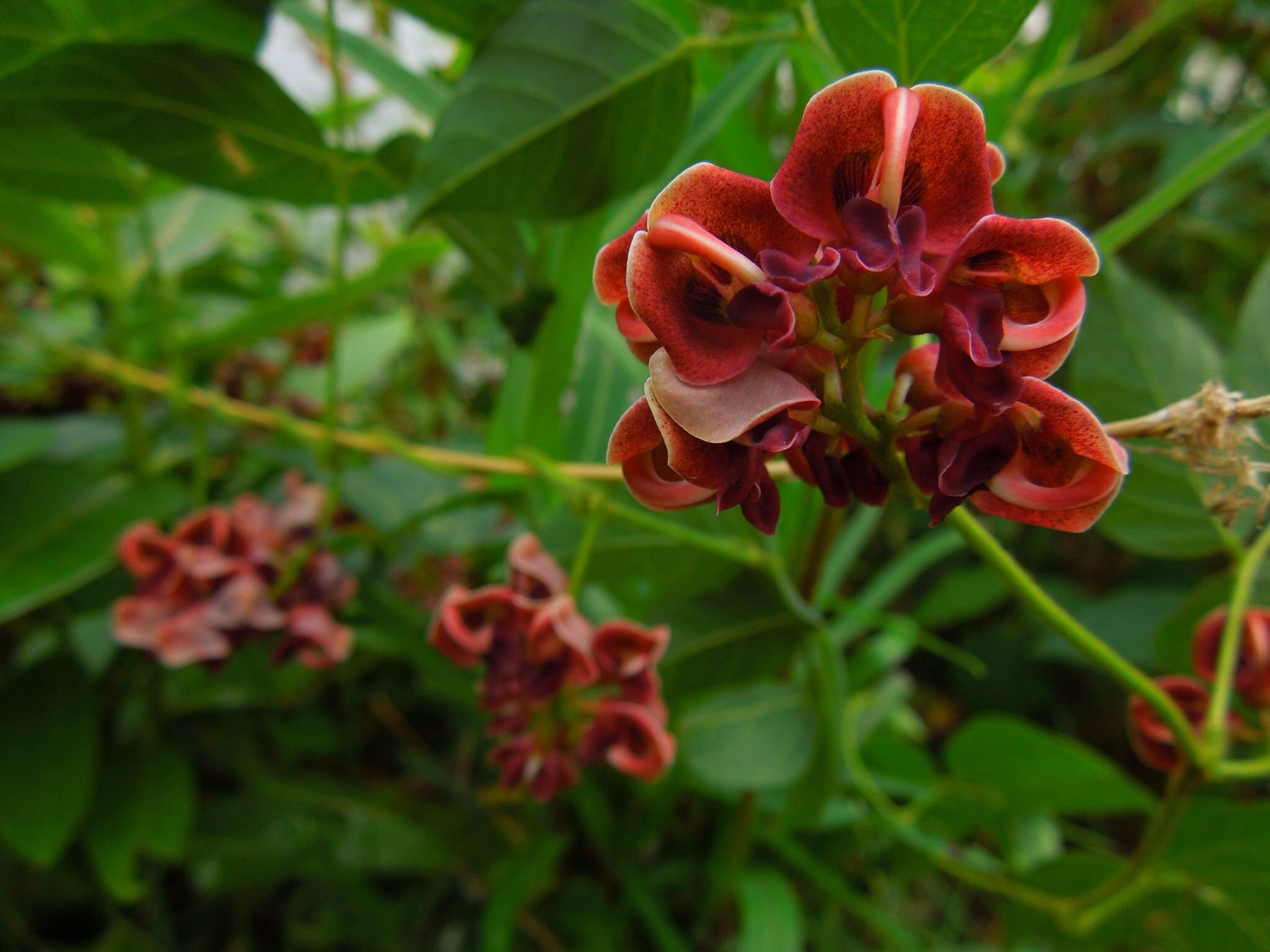
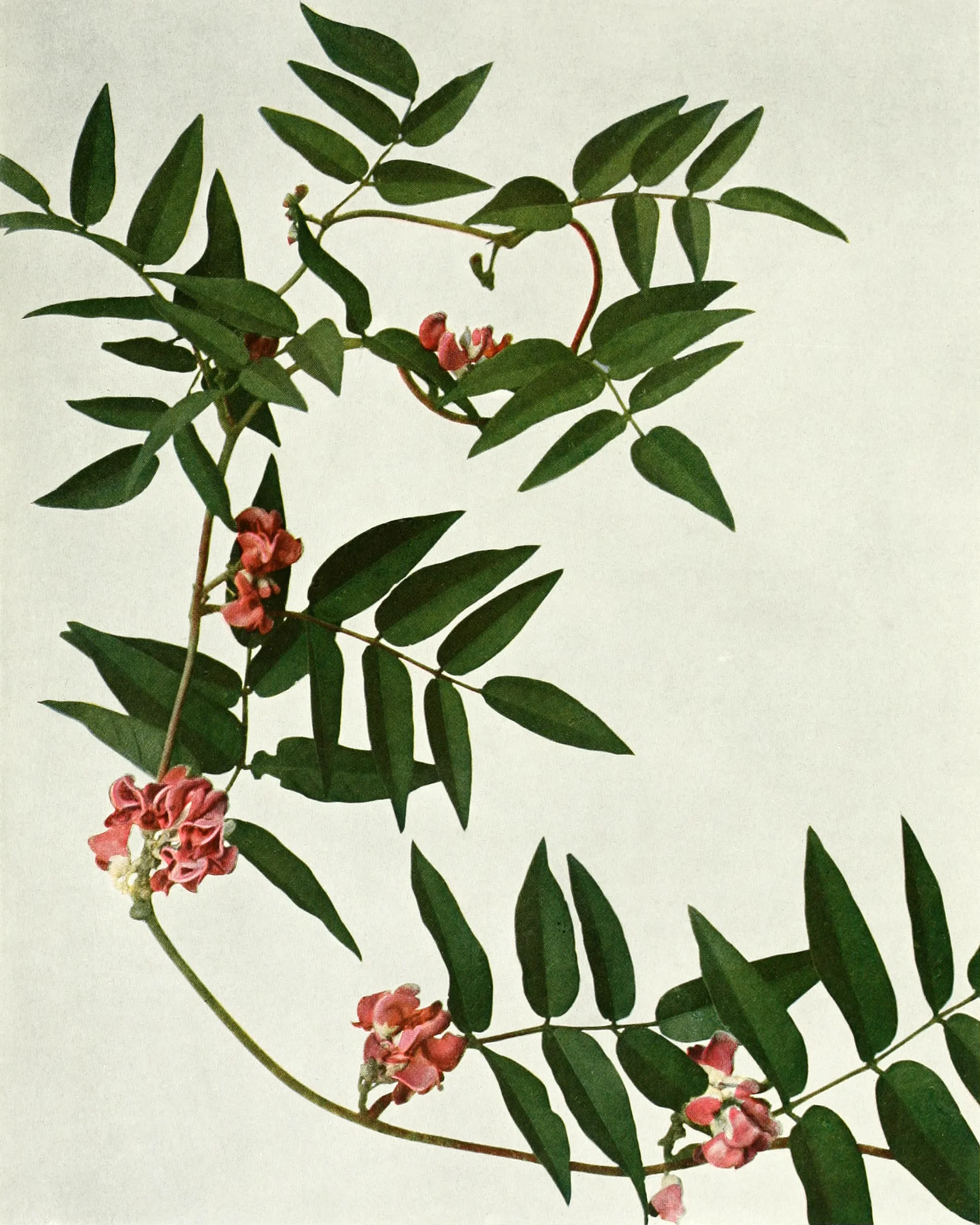
As common names go, groundnut doesn't quite seem fitting for such a distinctive plant. Known scientifically as Apios americana, this leguminous vine can be found growing along a variety of edge habitats throughout much of eastern North America. It becomes most obvious to passers by from July through September when it is flowering. 

Okay, to be fair, groundnut is a fairly accurate description. Not only are the seeds of this vine edible, so too are the starchy tubers it grows from. However, I think this all detracts from a rather intriguing ecology. Populations of groundnut occur in one of two forms - diploid (2 sets of chromosomes) or triploid (three sets of chromosomes). It would seem that entire populations can sometimes consist of the triploid variety. 

This is a bit odd because triploid plants are sterile. Though they produce seemingly functional flowers, they never produce seed. Instead, these populations reproduce vegetatively via their underground tubers. Other than their lack of reproductive ability, there doesn't seem to be any other noticeable differences between diploids and triploids. Whatever the reason, it is obviously working for the groundnut.

Speaking of reproduction, there seems to be a bit of mystery concerning the types of pollinators targeted by this vine. Groundnut flowers, with their carrion-like appearance and strange odor, may be attracting carrion flies. Some authors are rather set on this hypothesis despite very little evidence. A more thorough investigation into the pollination ecology of groundnut revealed that bees were the only visitors, however, nothing conclusive could be said about their effectiveness.

What can be said is that the flowers require insects of a certain size for pollination to occur. The flowers themselves are essentially miniature spring traps. When insects of a certain size land on the flowers they trigger the release of the anthers, which slam into the insect, dusting it with pollen. This is a very similar strategy to a close relative of groundnut, alfalfa (Medicago sativa), which is definitely bee pollinated. 

Despite all of the confusion surrounding groundnut, it is nonetheless a great species. It fixes nitrogen, provides food for wildlife and humans alike, and looks really cool to boot. This would be a great addition to a native plant garden throughout its range. 

Further Reading: [1] [2] [3] [4]

Pollination Plasticity

© Danny Keßler

© Danny Keßler

Pollinators are great -- that is, unless they also feed upon the plant they are pollinating. In the arid regions of western North America, Nicotiana attenuata, sometimes referred to as coyote tobacco, has this very problem. 

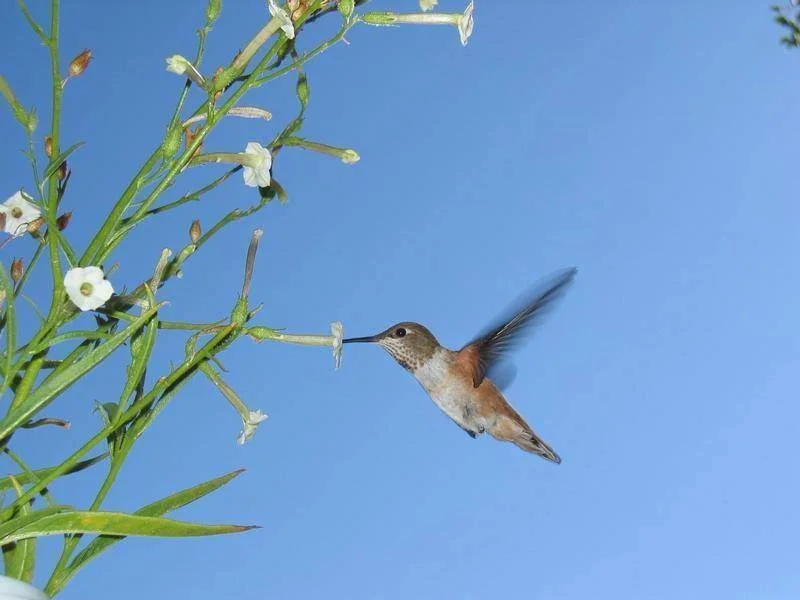
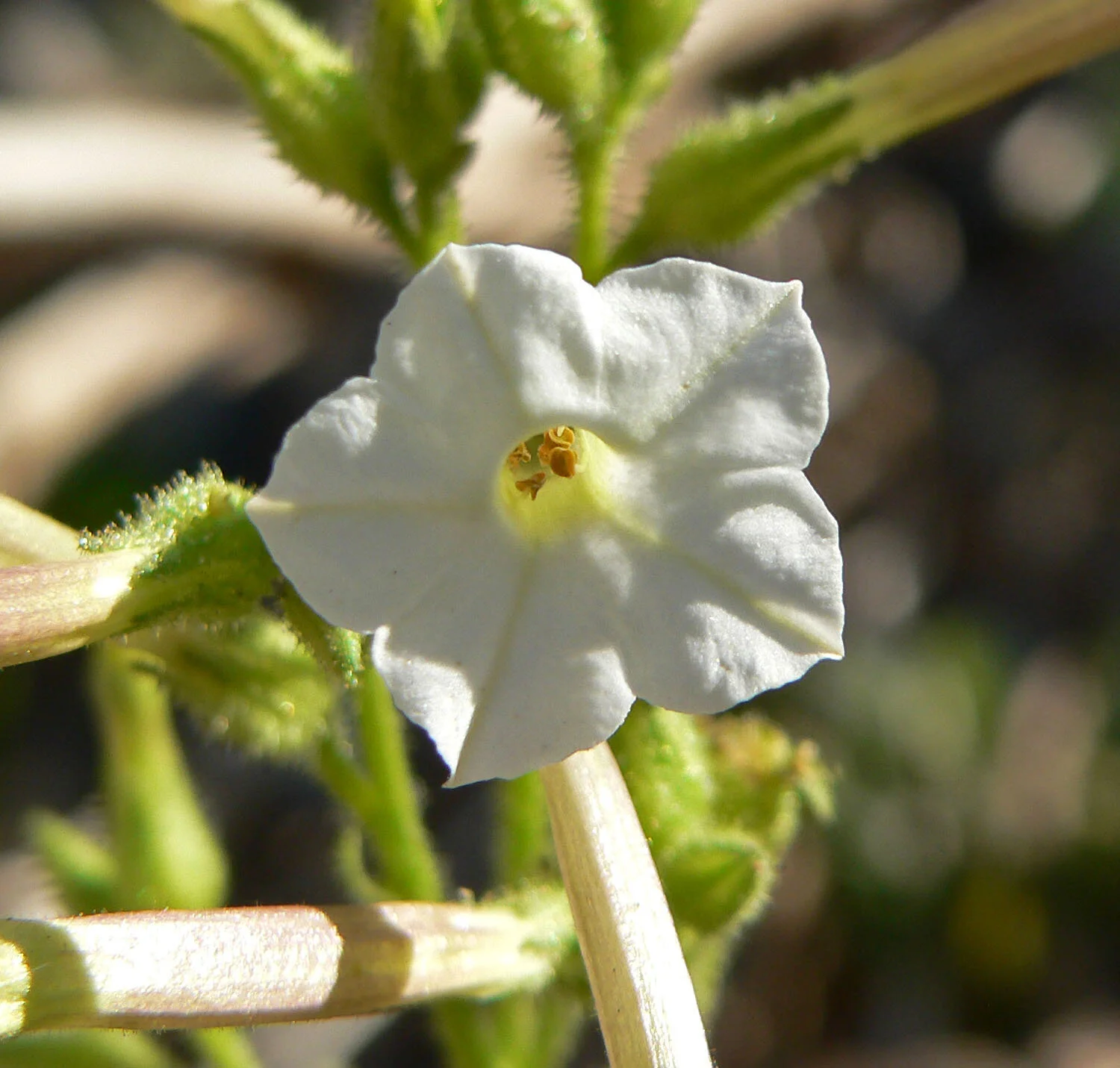
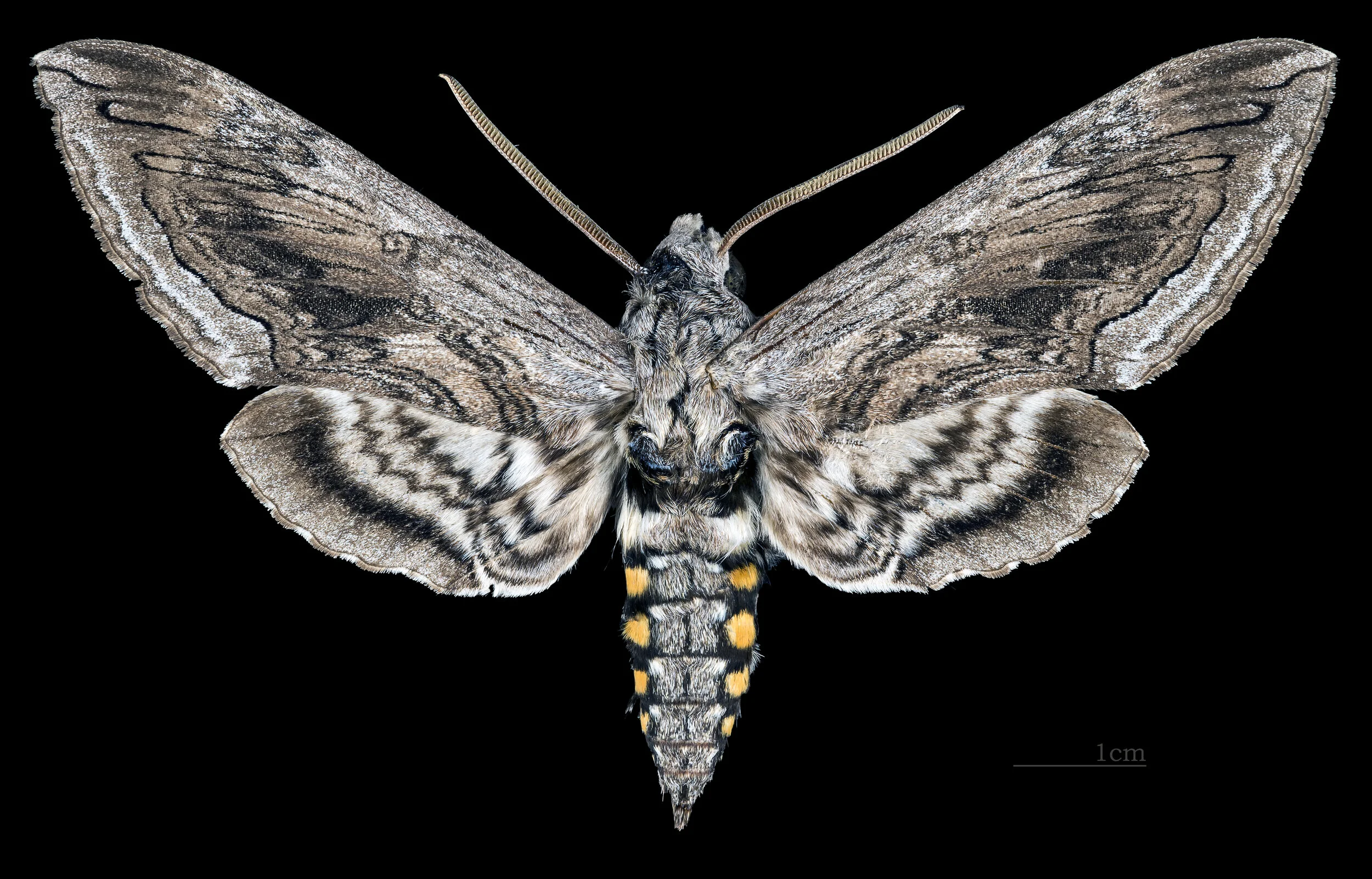
Blooming at night, its white flowers are heavily scented, which attracts its pollinator, a species of hawkmoth known to science as Manduca quinquemaculata. Female hawkmoths do a little bit more than just grab a sip of nectar. Their larvae feed on members of the tobacco family and, as anyone with tomatoes can tell you, they have a voracious apatite. Visiting female moths use the meal break as a chance to lay their eggs. However, this does not have to be a death sentence for the plant. Researchers noticed a strange thing about N. attenuata plants that had feeding damage from hawkmoth caterpillars. Their flowers seemed to change.

Photo by Stan Shebs licensed under CC BY-SA 3.0

Photo by Stan Shebs licensed under CC BY-SA 3.0

And change they did. Coyote tobacco plants with caterpillars will start to produce flowers that open during the day, instead of at night. The plants also stopped producing a scent. What's more, the flowers didn't open very far either. What is the reason for these drastic changes? Are the plants stressed out from the caterpillar attack?

Not exactly. In fact, the answer is quite remarkable. As it it turns out, plants with caterpillars munching on them were intentionally shifting their entire reproductive strategy to avoid the larvae of their intended pollinators. Flowers that open during the day no longer attracted the attention of moths, which reduced the number of new eggs being laid. Instead, the flowers started attracting the attention of hummingbirds. Hummingbirds are pretty effective as pollinators and their offspring don't eat the plants that their parents feed on. 

Manduca quinquemaculata adult male. Photo by Didier Descouens licensed under CC BY-SA 4.0

Manduca quinquemaculata adult male. Photo by Didier Descouens licensed under CC BY-SA 4.0

So, how does the plant know when its being fed upon? Caterpillar spit. Chemicals in the saliva of the caterpillar trigger a chemical response within the plant that tells it to start ramping up defenses (of which nicotine is one). This signaling cascade also tells the plant to start producing day opening flowers instead of night opening flowers. It just goes to show you how a little attention to detail can uncover some amazing aspects of the world around us. 

Photo Credit: Danny Kessler, MPI chemische Ökologie, Wikimedia Commons

Further Reading: [1] [2]

Euphrasia

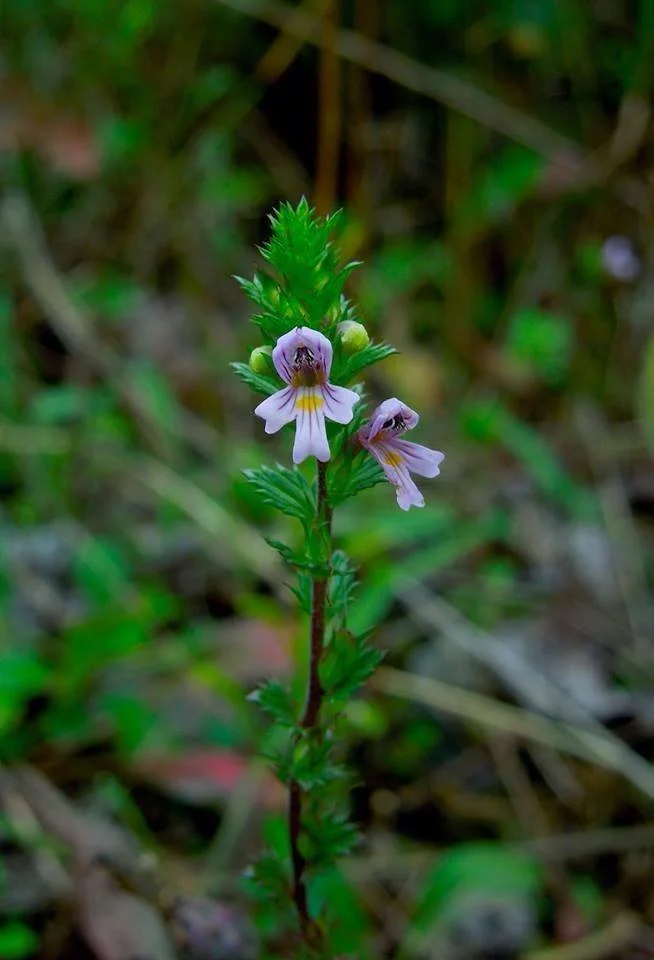
Meet Euphrasia nemorosa, the eyebright. This lovely little plant is native to the northern regions of North America. A quick glance at the flowers of this species may seem to suggest a member of the mint family but this would be wrong. Once placed in Scrophulariaceae, it is now thought to reside in Orobanchaceae. Like other members of this group, E. nemorosa is a hemiparasite. It uses specialized roots to tap into the roots of plants growing around it. In the wild, research has shown that E. nemorosa seems to prefer to parasitize grasses but laboratory experiments have shown that it will parasitize a variety of plants if given the chance. It can even grow without parasitizing other plants but those that did grew small and weak. 

Parasitic plants are an interesting bunch. They push the limits of what is traditionally accepted in the realm of plant physiology. Non-parasitic plants usually have to balance between CO2 uptake and water loss. They do this by controlling their stomata, which are tiny openings on the leaf. Because they are attached to a host, parasitic plants do not have to worry about minimizing water loss and instead want to maximize water loss to gain as much carbon from their host plant as possible. 

Another interesting aspect of Euphrasia ecology is their preference for disturbance. Euphrasia are plants of disturbed meadows, fields, and man-made habitats. There is a lot of work being done to examine which kinds of species thrive in and around humans. Research has shown that by selecting for native species like Euphrasia, the species composition on these types of disturbed habitats can take on a more biodiverse character instead of the usual non-native monoculture.

Further Reading:
https://gobotany.newenglandwild.org/species/euphrasia/nemorosa/

http://www.archive.bsbi.org.uk/Wats6p1.pdf

http://jxb.oxfordjournals.org/content/39/8/1009.short

http://www.archive.bsbi.org.uk/Wats5p11.pdf

Central America - Part 2: The Journey to San Vito

The sun was up and burning by 6 AM. We were sweating by the time we arrived at the bus station. I always over-pack. Always. My backpack was loaded with extra clothes and camera gear. Luckily we were in store for a 6 + hour bus ride. The night before didn't do much in the way of helping me catch up on sleep. Alajuela is a loud city. It seemed like none of the cars had mufflers. Every passing hour came complete with multiple car alarms as well. Despite our exhaustion, we were excited to be catching the bus to San Vito. 

We first had to catch a bus into San Jose. It was an interesting process. It was a weekday morning and we quickly got caught up in rush hour traffic. Walking was easy. It would seem that driving in this country takes a whole new set of skills that I simply do not have. There are no street signs and everyone seems to follow some unwritten Darwinian traffic code - only the strongest survive. Trucks and buses move in and out of tiny, crowded streets without hitting the cars sandwiched in between them. Motorcycles and mopeds weave their way through what little space remains. Watching this unfold was an experience unlike anything I had ever encountered. I would surely crumble under these conditions. My pampered American ways had no place on these roads. 

We managed to find the first bus. What should have been a 15 minute commute from Alajuela to San Jose was actually going to be about an hour. Luckily I found myself sitting next to a man names Carlos. His English was perfect, probably better and more formal than my own. Carlos could certainly sense how out of place I was and was kind enough to strike up a conversation. As it turns out, Carlos is a plant scientist working at an agricultural research institute in San Jose. His work centers around making Costa Rican farming more sustainable. His current project involved introducing new potato varieties from Peru into the mix to help transition away from monocultures. 

We talked for a while about his approach to this but his concerns seemed daunting. Like everywhere else in the world, Costa Rica is facing an uncertain future with climate change. Areas that once sustained certain types of farming are no longer able to do so. He made sure to point out every farm along our rout and explain to me what was obviously wrong - huge, chemical-laden coffee plantations, timber lots chock full of invasive eucalyptus trees, and almost no erosion control anywhere, which is clogging up tropical streams with an endless supply of runoff and sediments. 

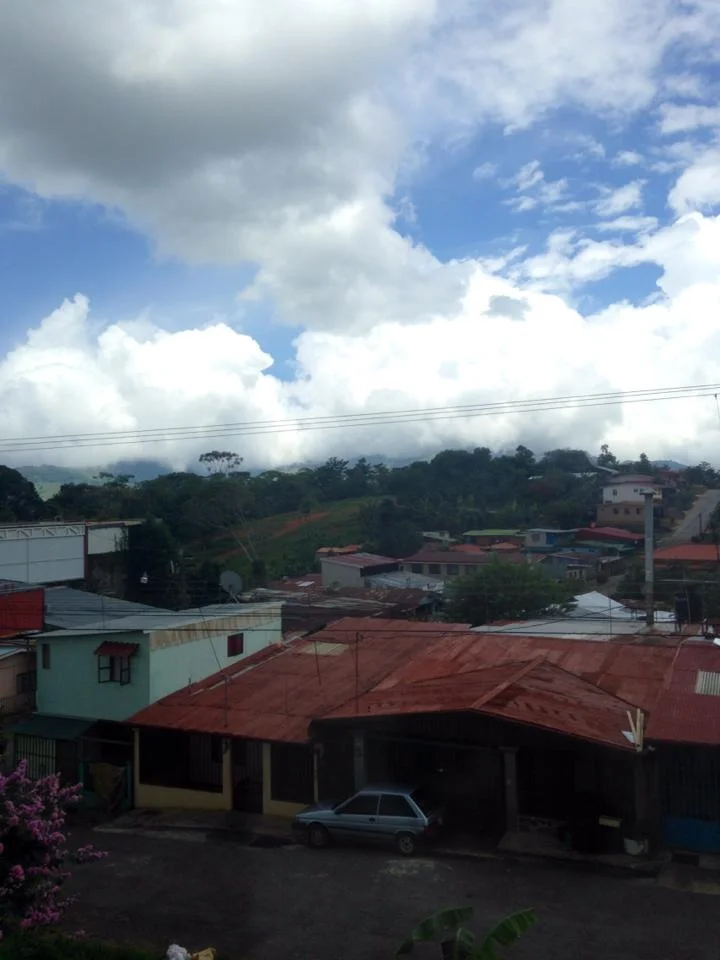
I could have talked to Carlos all day, however, we had to part ways. I was lucky to have met him. We grabbed a cab to the next bus station. Yet another awkward ride ensued as the kind cab driver did his best to speak in slow, easy Spanish. Within an hour our bus had arrived. We boarded with only a handful of other people. From what I have come to understand, there are two main routs from San Jose to San Vito - one takes you through the mountains and the other takes you down the coast. With my face glued to the window, it soon became apparent that our driver was taking us through the mountains. 

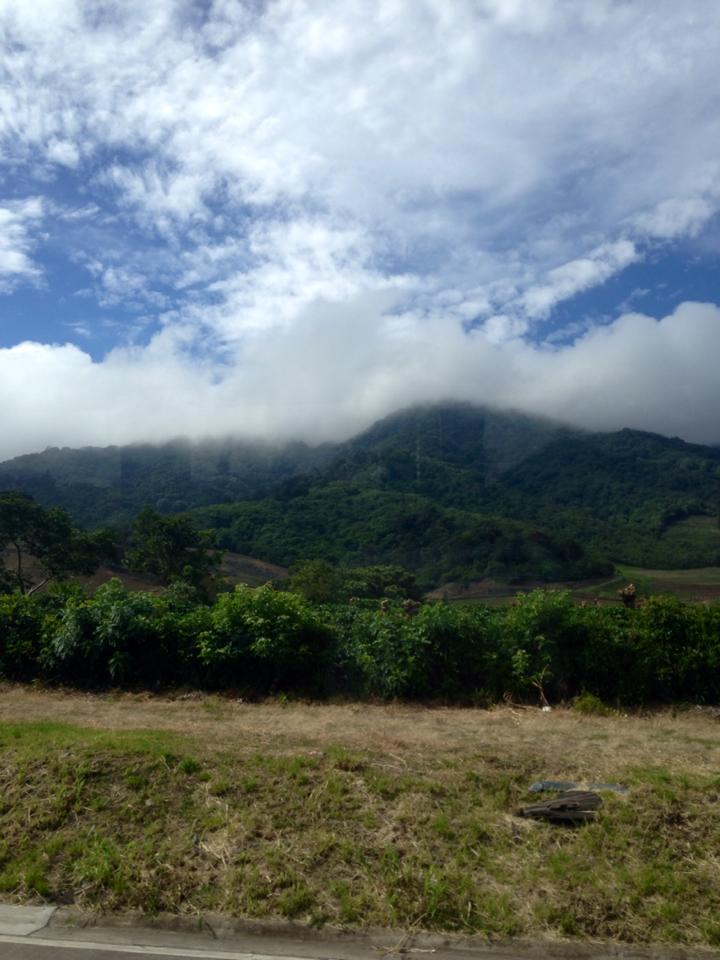
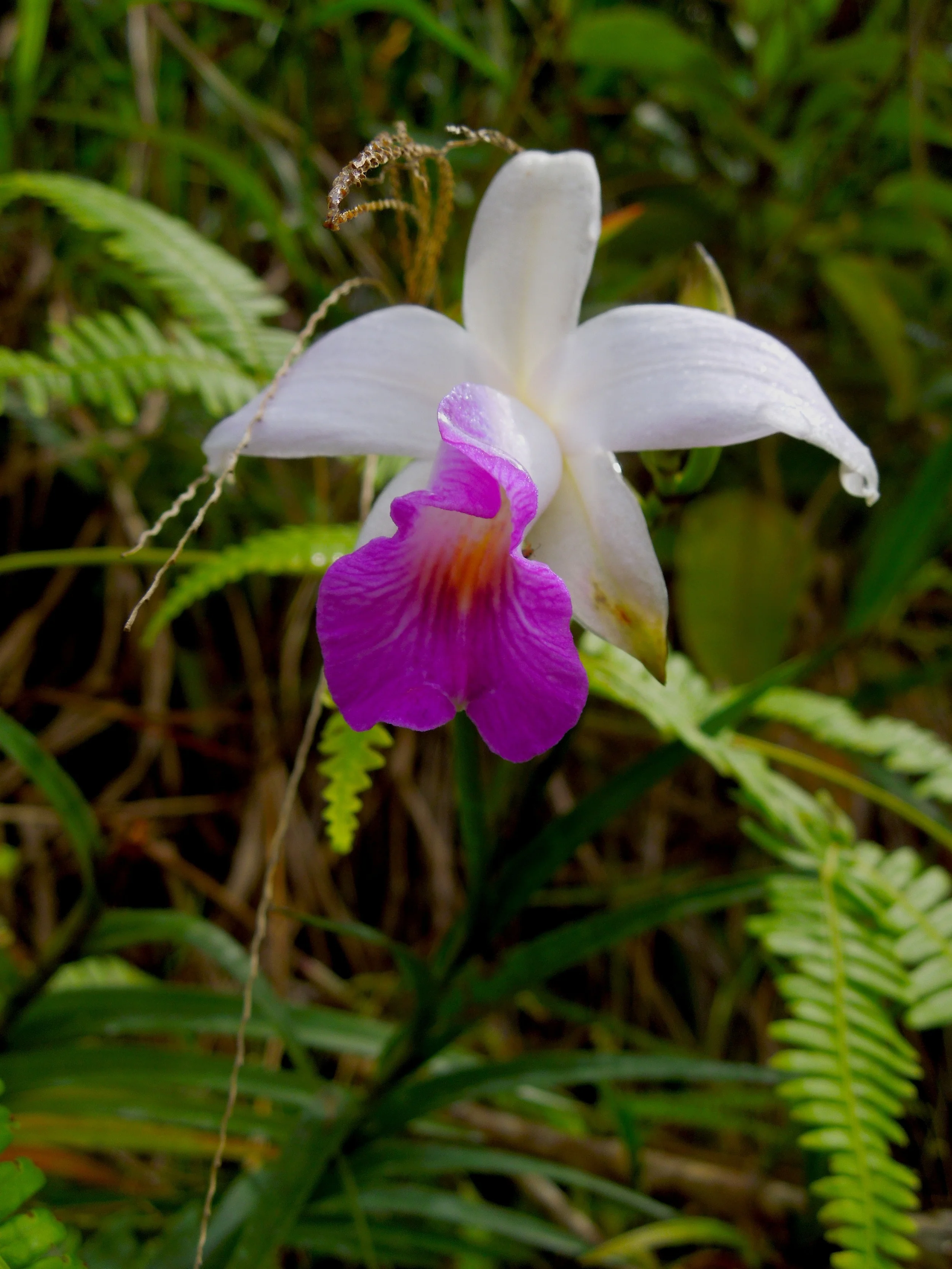
Like a kid in a candy shop, the scenery had my complete attention. The combination of the size of the bus and the elevation that we had to climb meant that the ride was slow enough that I could actually do some botanizing from the window. Again, I had almost no idea what I was seeing. The only plants I was remotely able to recognize were some sort of Dicranopteris fern that covered exposed roadsides and plenty of bamboo orchids (Arundina graminifolia), a species that has naturalized throughout the tropics but was originally native to parts of Asia. The rest quickly became a green blur of tree ferns, palms, and other tropical looking trees. I couldn't wait to explore with someone who knows a thing or two about Costa Rican flora.

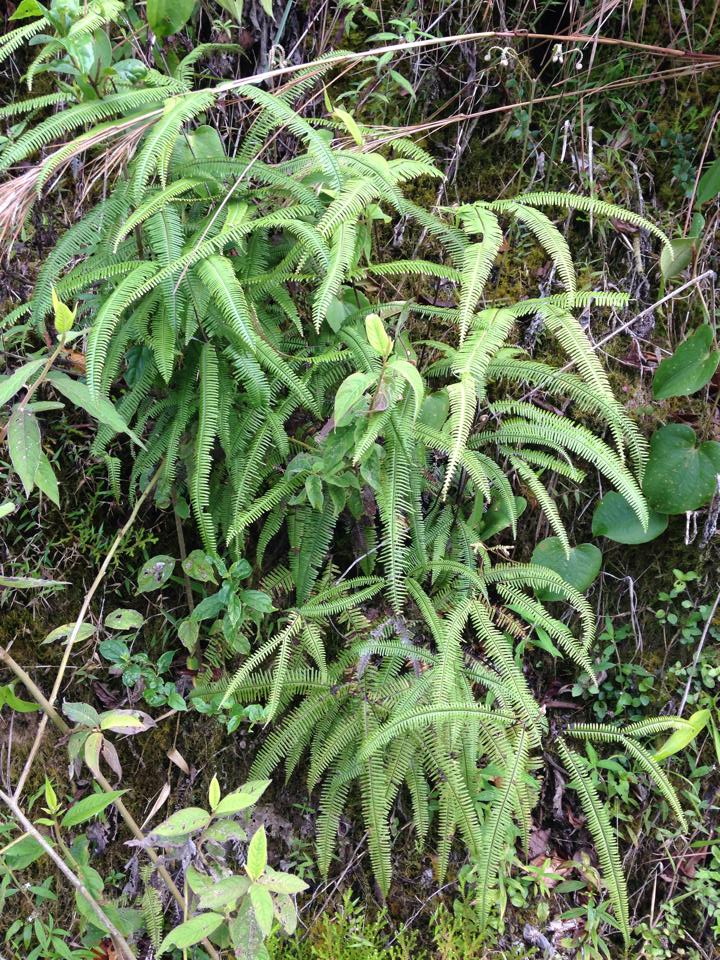
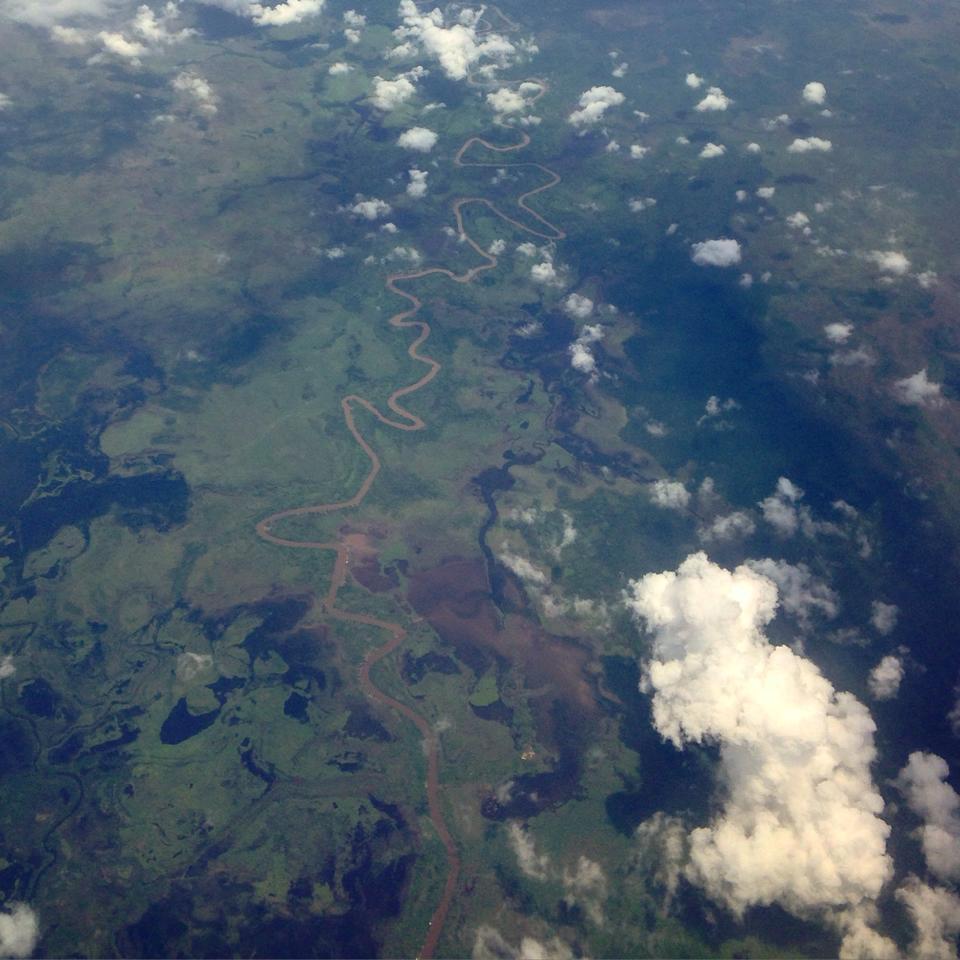
We actually made good time considering the length of the trip. In just under 6 hours we were walking down the main path at the Wilson Botanical Garden. Here we were to meet our friend Dave. We found him watering some cacti. Though this was technically the rainy season, they had not received any rain in over a week. Some of the plants didn't quite know what to do. We found our sleeping arrangements for the next few days and were anxious to start exploring. The main grounds of the garden were jaw droppingly gorgeous. There was more plant diversity within a stones throw than anywhere else I have ever been. Dave had some work to finish up so he gave us a map of the grounds and sent us on our way. 

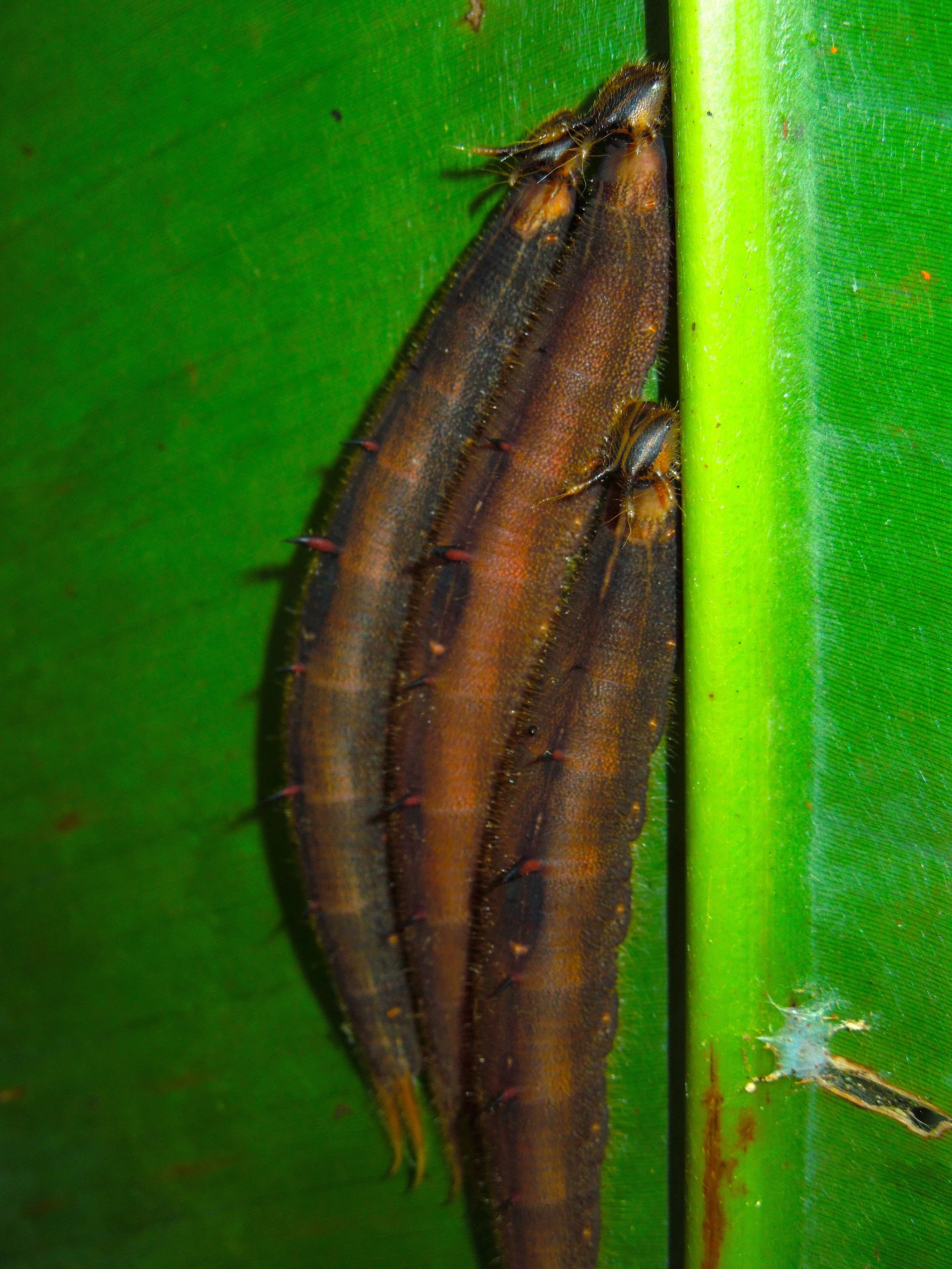
Being completely new to this area, I was a bit wary of what I might encounter. Does Costa Rica have its own tropical version of poison ivy? Was I going to brush up against or touch something that would result in a rash? I asked Dave if there was anything I should avoid and he had only one response, caterpillars. "Don't touch any of the caterpillars. Some can totally ruin your day." Noted. 

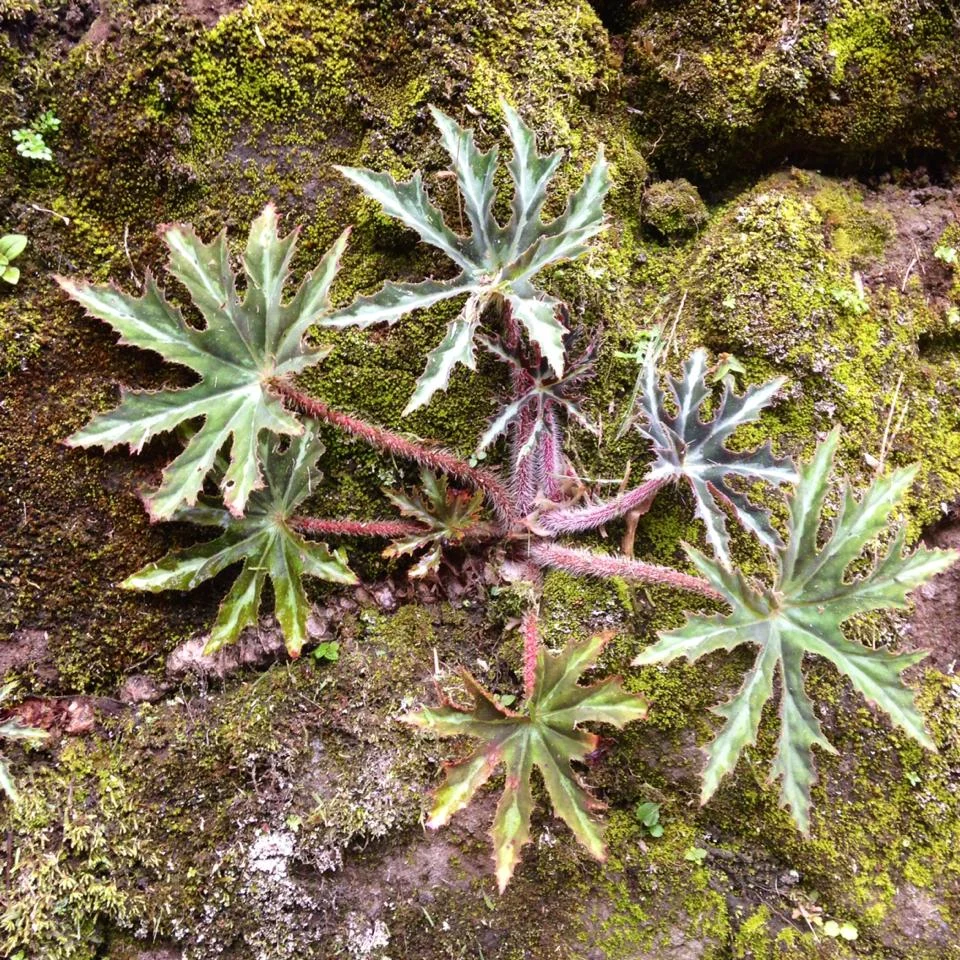
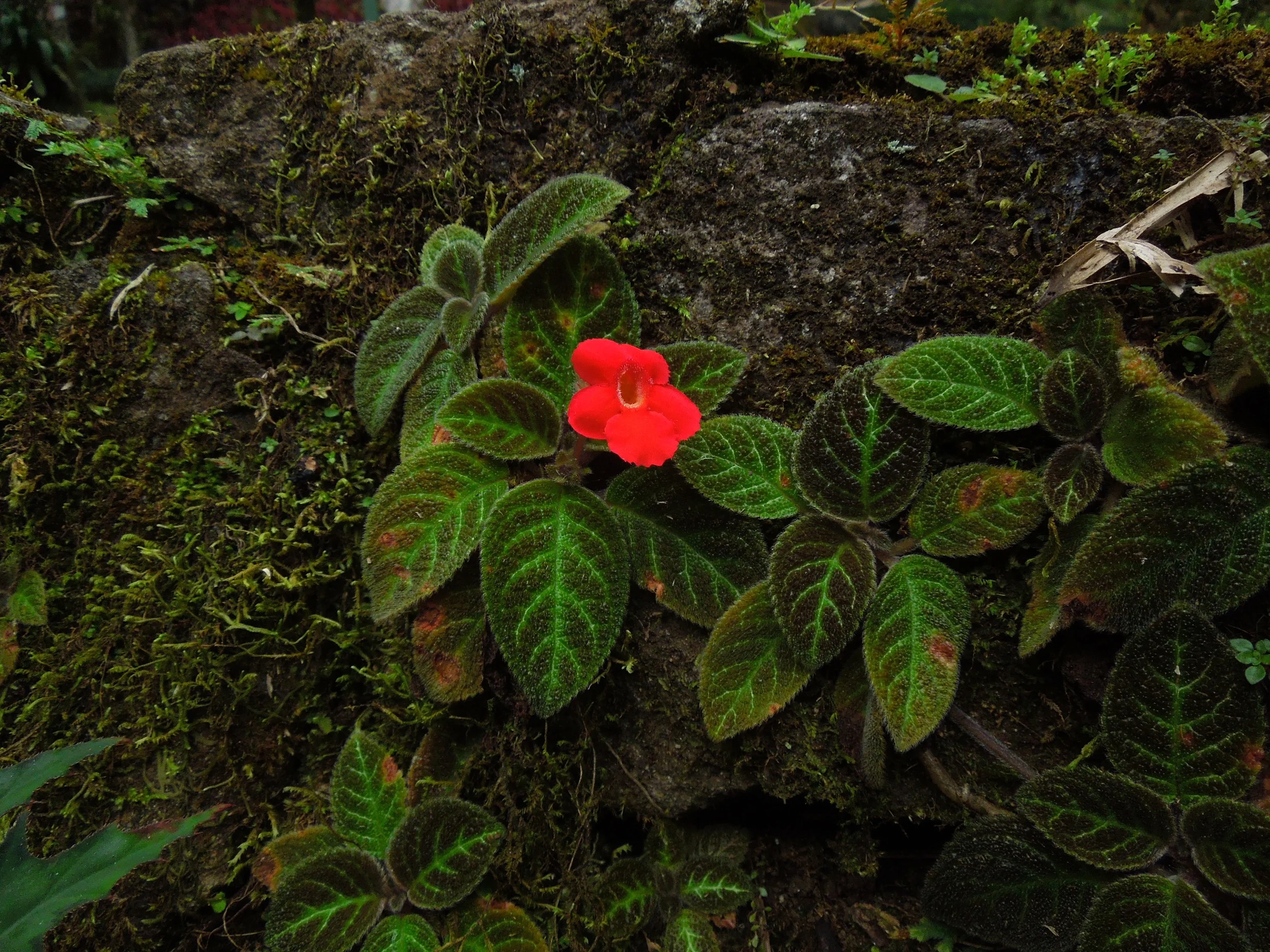
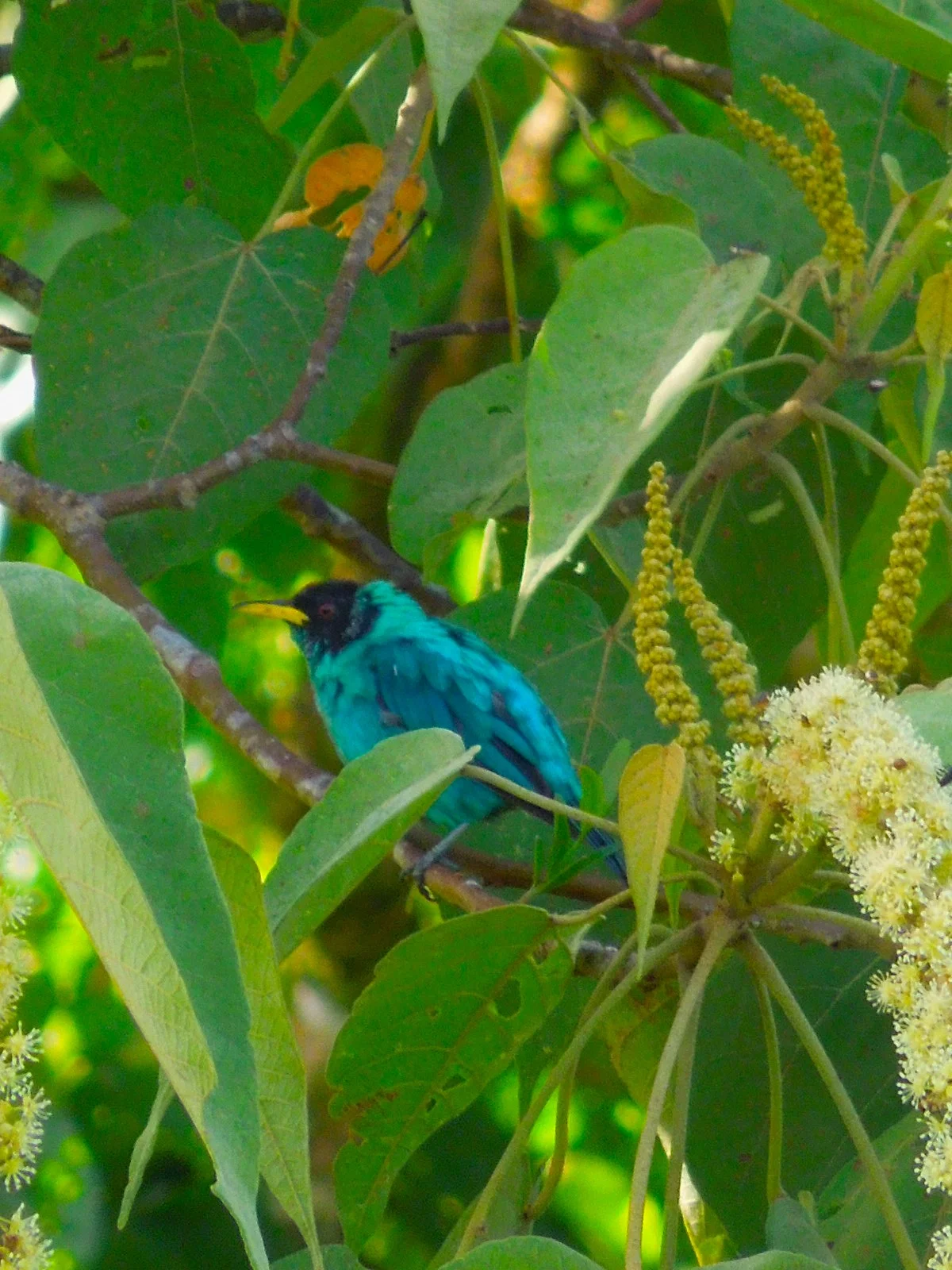
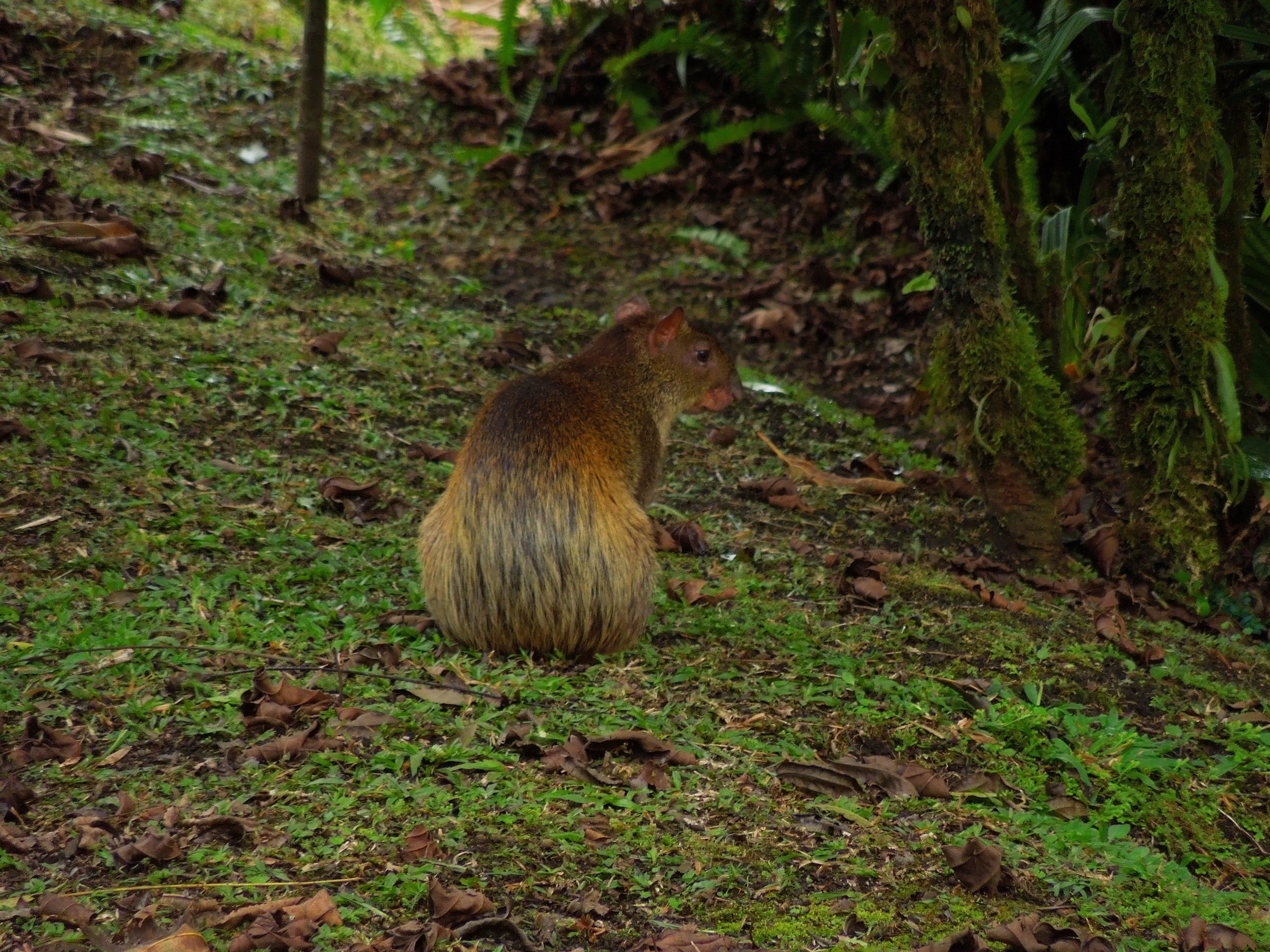
Being much closer to the equator than New York, we had to get used to the sun schedule. It starts getting dark around 6 during this time of year and we didn't want to be out unsupervised after dark. We kept our musings to the immediate area near our cabin. A friend joked that going to a botanical garden in a rainforest is kind of like going to a zoo in Africa. Though it was a funny comparison, it couldn't be farther from the truth. The beauty of the Wilson Botanical Garden is that it allows you an up-close and personal look at the flora. Sure, there are paths and labels but these are a great place to familiarize yourself with some of the local species before setting off blindly into the jungle. Begonias and gesneriads carpet walls and rocks, Palms offer shade for ferns and orchids alike. Countless endemic bird, insects, and amphibians haunt these grounds. We even saw our first wild agouti. I was both overjoyed and overwhelmed. 

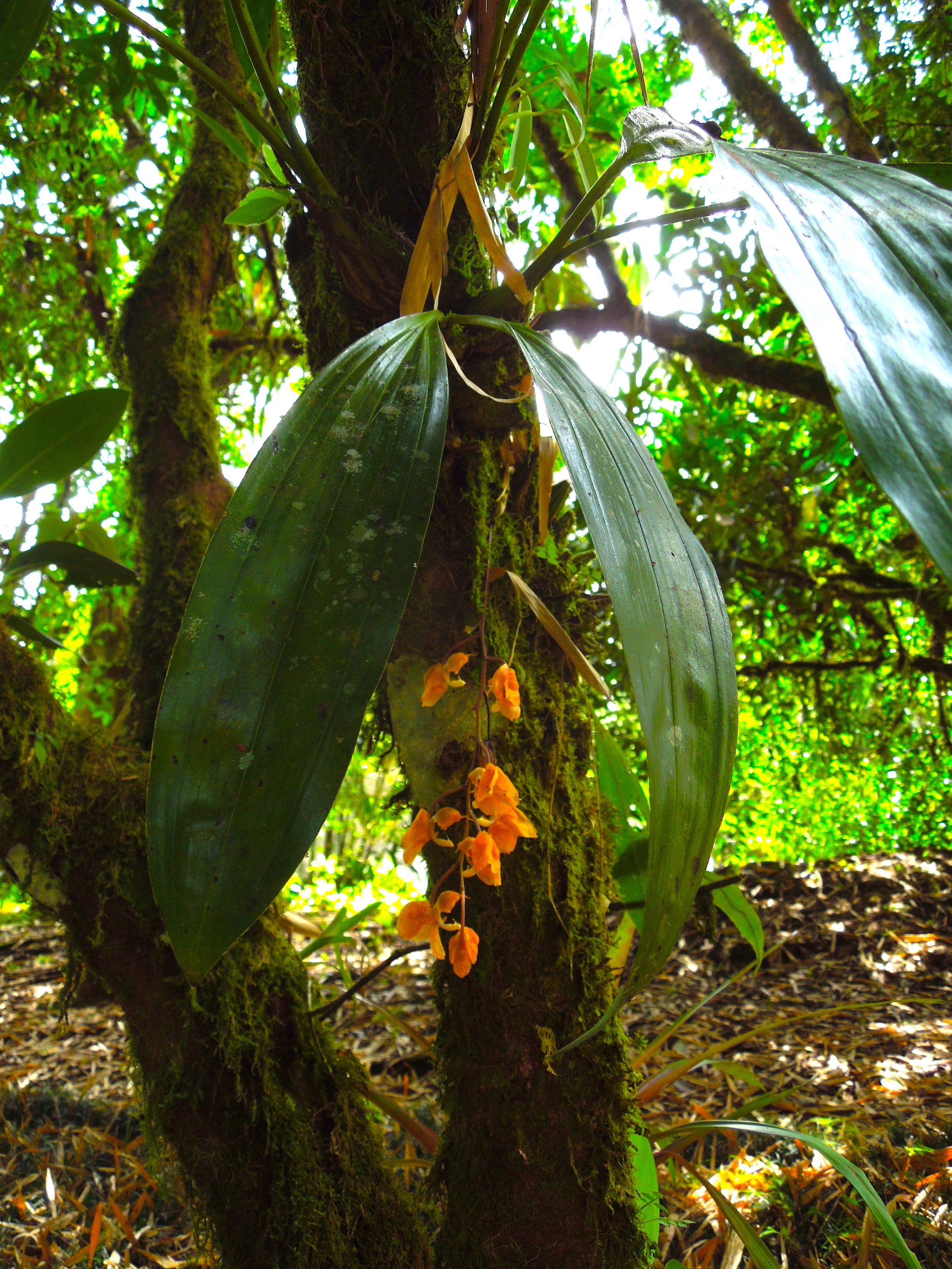
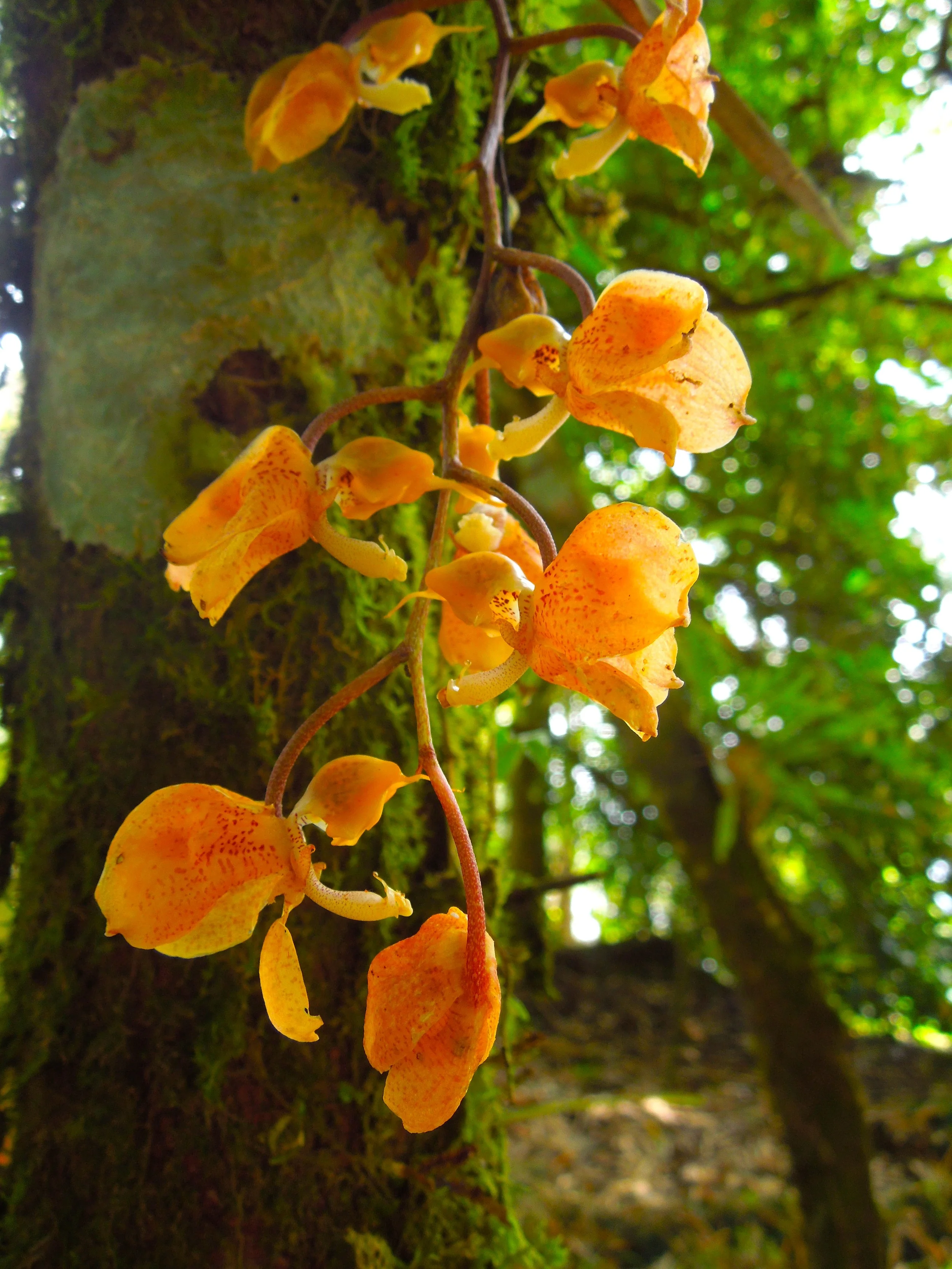
As if on cue, it happened. We rounded a bend and dangling off the side of a tree was an orchid in full bloom. It was Gongora armeniaca. I never really understood what it meant to be speechless until this moment. In fact, I don't think my brain could fully comprehend what it was seeing. The long inflorescence was in full bloom. Each of its strange flowers were perfect. I have seen Gongoras before as curiosities tucked in the back of orchids rooms at various botanical gardens. However, nothing comes close to seeing a species like this in situ. I was going to have to pay a lot of attention to trunks and branches if I was going to see more botanical wonders like this. 

Central America - Part 1: Costa Rica

This journey really began back in April. Grad school was coming to a close and our move to Illinois was scheduled for August. A celebration was in order. Other than a brief exploration of a Caribbean island and a few visits to Florida, I have never really experienced anything remotely tropical. Through documentaries and an obsession with houseplants that borders on hoarding, I developed a longing for the equatorial rainforests of the world. It was high time I visited some. 

We managed to find ourselves some cheap tickets into Costa Rica. My friend and horticultural mentor, Dave Janas, had taken a job at the Wilson Botanical Garden in San Vito. I could not think of a better person to introduce us to the flora and fauna of this region. With our flights set we now had something to day dream about for the next few months. 

In no time at all the day had arrived. We hopped on a plane in Buffalo, NY and in less than half a day we had landed in San Jose, Costa Rica. All we had were our backpacks and some cash. No matter how much you read and prepare there is always going to be some culture shock. This was especially true in my case. I had been to Portugal as a kid, though I hardly remember most of it. Other than Canada and the Caribbean, I have not traveled much outside of the country. I was ready for something new and challenging but very little sleep and my almost non-existent grasp on Spanish made the first few hours a bit trying. After an awkward cab ride from the airport in San Jose to our hostel in Alajuela, I needed to regroup a bit. 

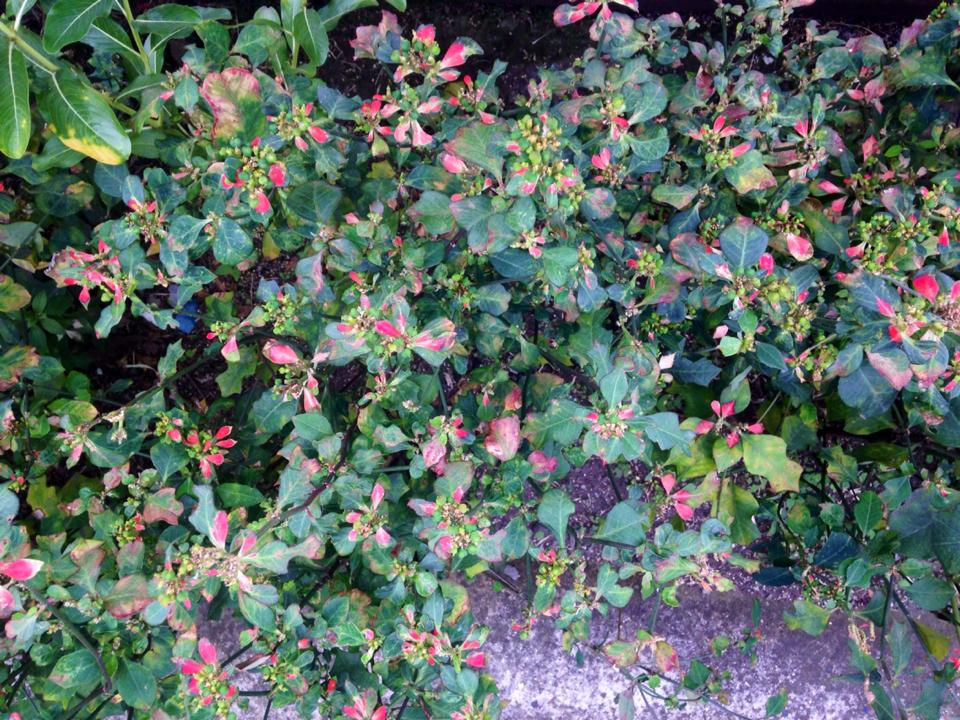
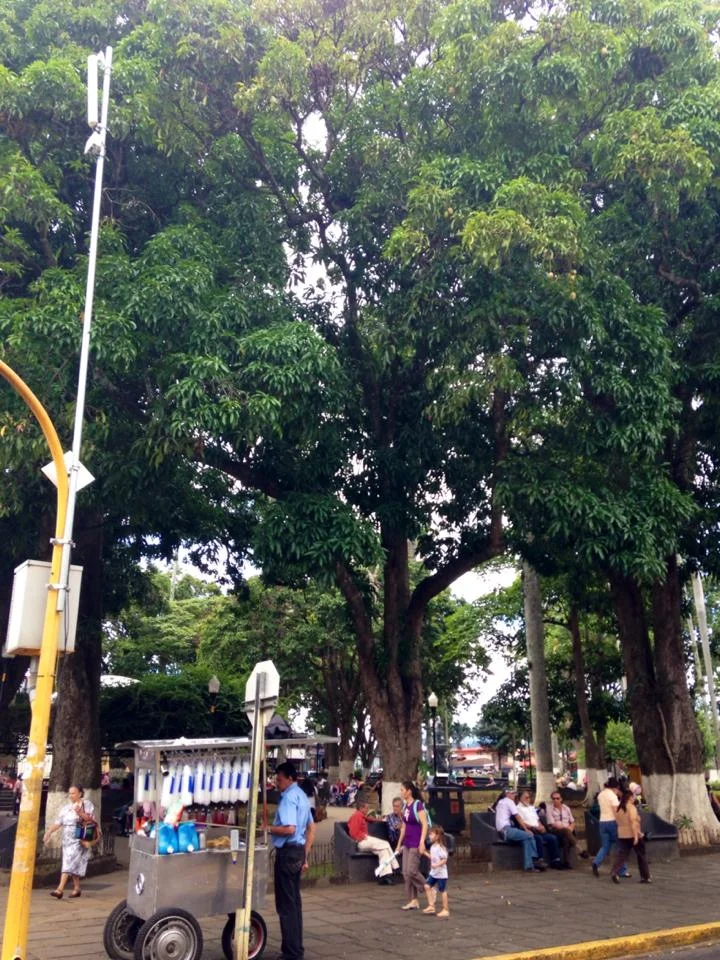
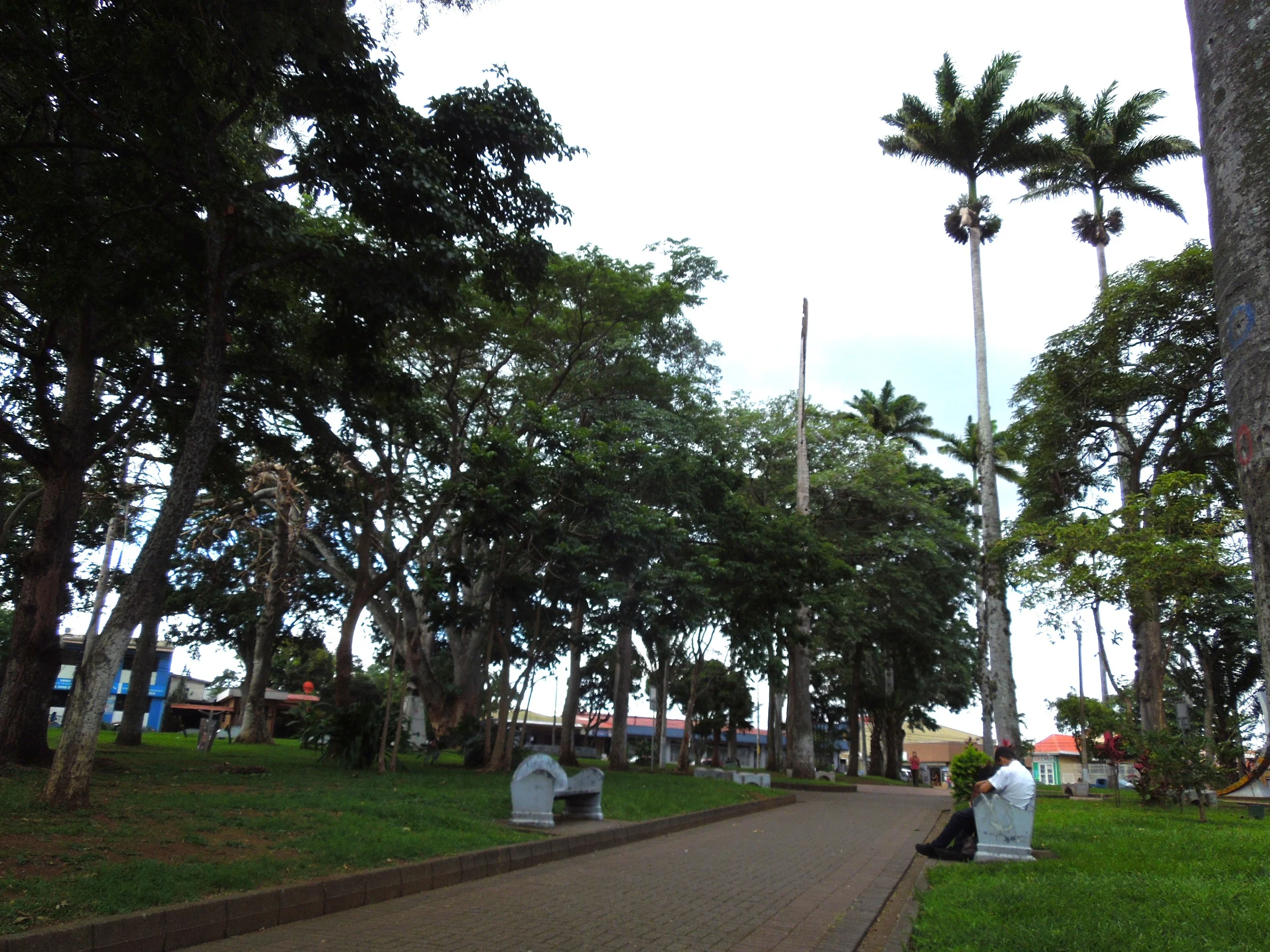
After a small nap, I was ready to get my bearings. It was time to explore Alajuela a bit. We decided to grab some food and see what the parks were like in town. Getting around town proved to be a slow process - not because of transportation or any sort of infrastructure but because every garden was teaming with plants I have either never seen before or only encountered in the indoor section of a nursery or botanical garden. Poinsettias and palms were obvious favorites. They decorated most open lots. There were also a handful of mango trees dotting the city scape. When we finally arrived at the park, I could barely contain myself. 

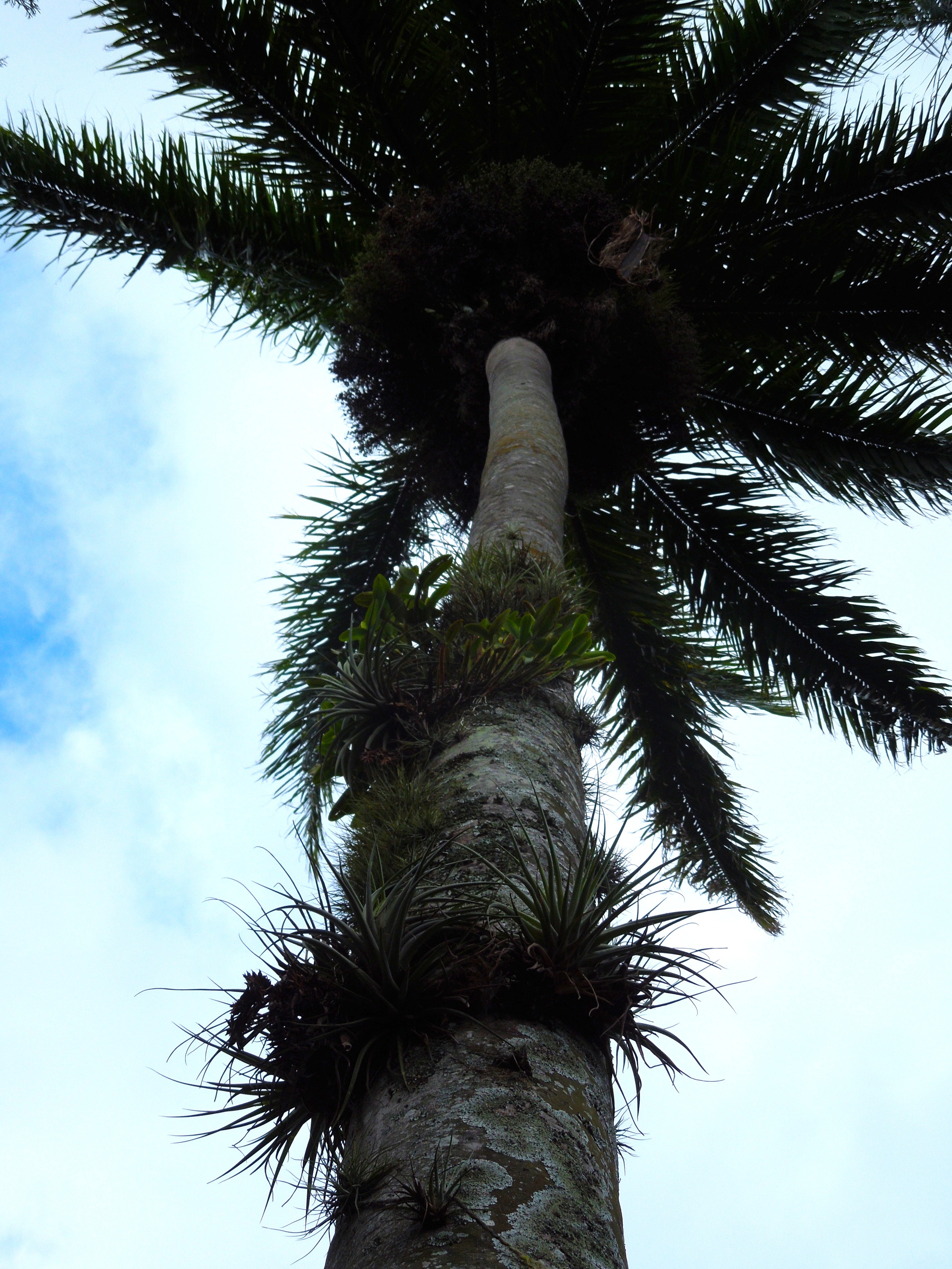
It wasn't very big but it was packed. The ground was trampled as well. It was obvious that this was quite a popular place. Most of what was growing there were various palms and each palm was adorned with its fair share of tillandsias. It didn't take long for my ever-present search image to locate a few orchids as well. At this point you may be asking "what species?!" and to that I will say that I haven't the slightest idea. I was quickly realizing just how out of my element I was. Other than some of the more obvious plants that decorate houses and offices up north, most of what I was seeing was completely new to me. This was going to be an exciting trip. Never in my life have I been this ignorant to the plants and animals around me. If this is how the dense urban centers were going to be, I could hardly wait to run off into a real rainforest. That leg of the adventure was to begin at dawn the next day. 

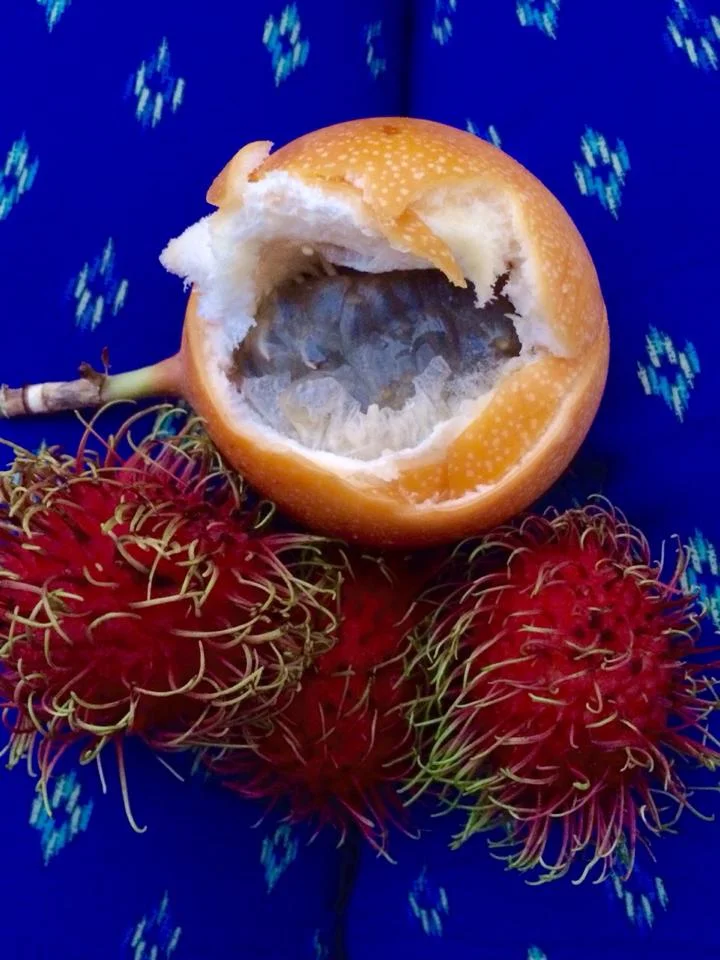
We found a fruit vendor and grabbed some dinner for the evening. It consisted of some granadilla (Passiflora ligularis) and rambutans (Nephelium lappaceum). We sat on a bench and ate all the while a pair of crimson-fronted parakeets were loudly tending to something inside a hole in a dead palm. I had finally done it. I was finally about to explore one of these tropical wonderlands.

A Case of Sexual Fluidity in the Plant World

image.jpg

In humans, sex is determined at fertilization. The embryo receives either an X or a Y chromosome. Many other organisms have their sex determined in a manner similar to this as well. The case with plants is not so rigid. Many plants produce both male and female parts on the same flower, others have flowers that are either male or female, while some can change their sex throughout their lifetime. The latter is quite interesting and offers an insight into the differences in maleness and femaleness. 

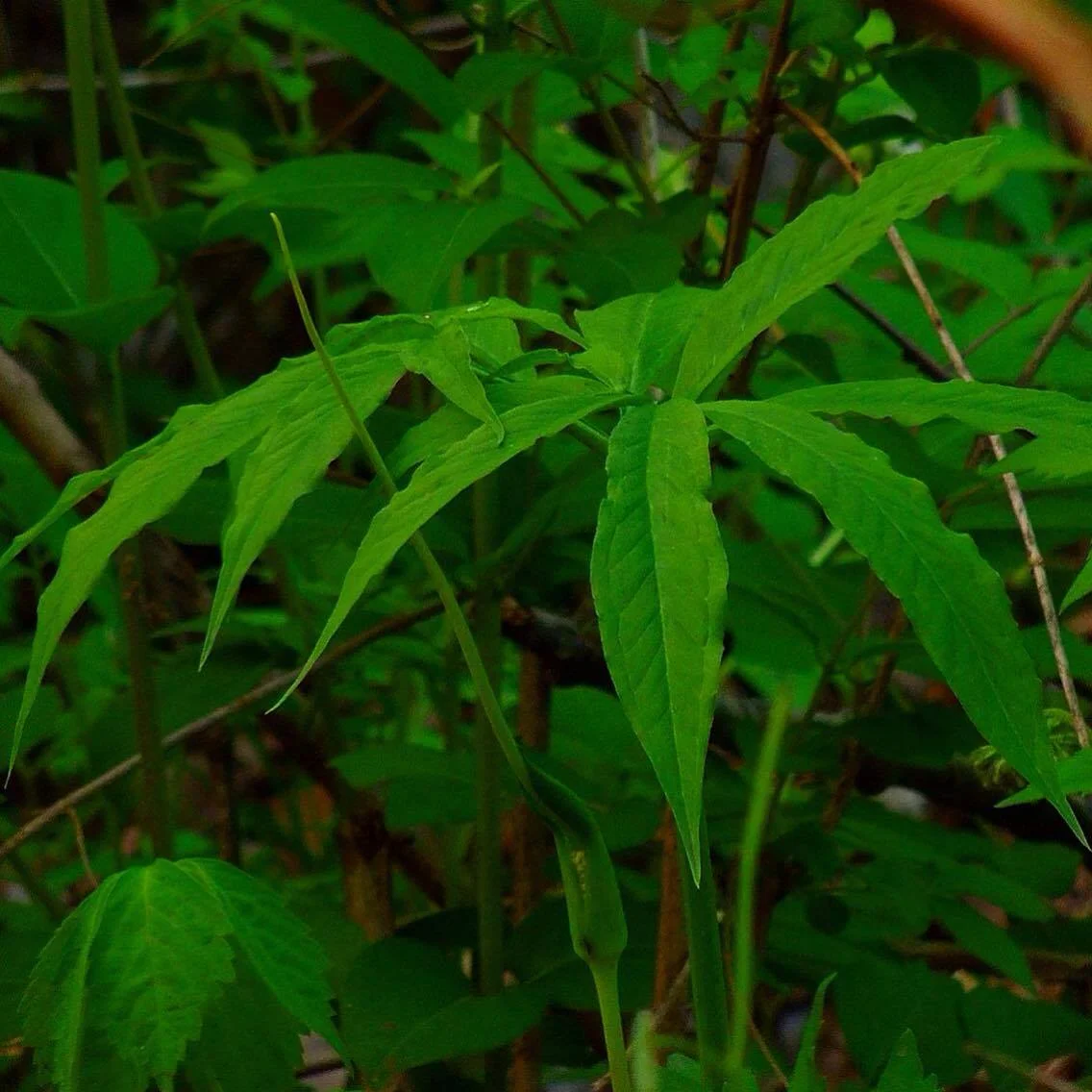
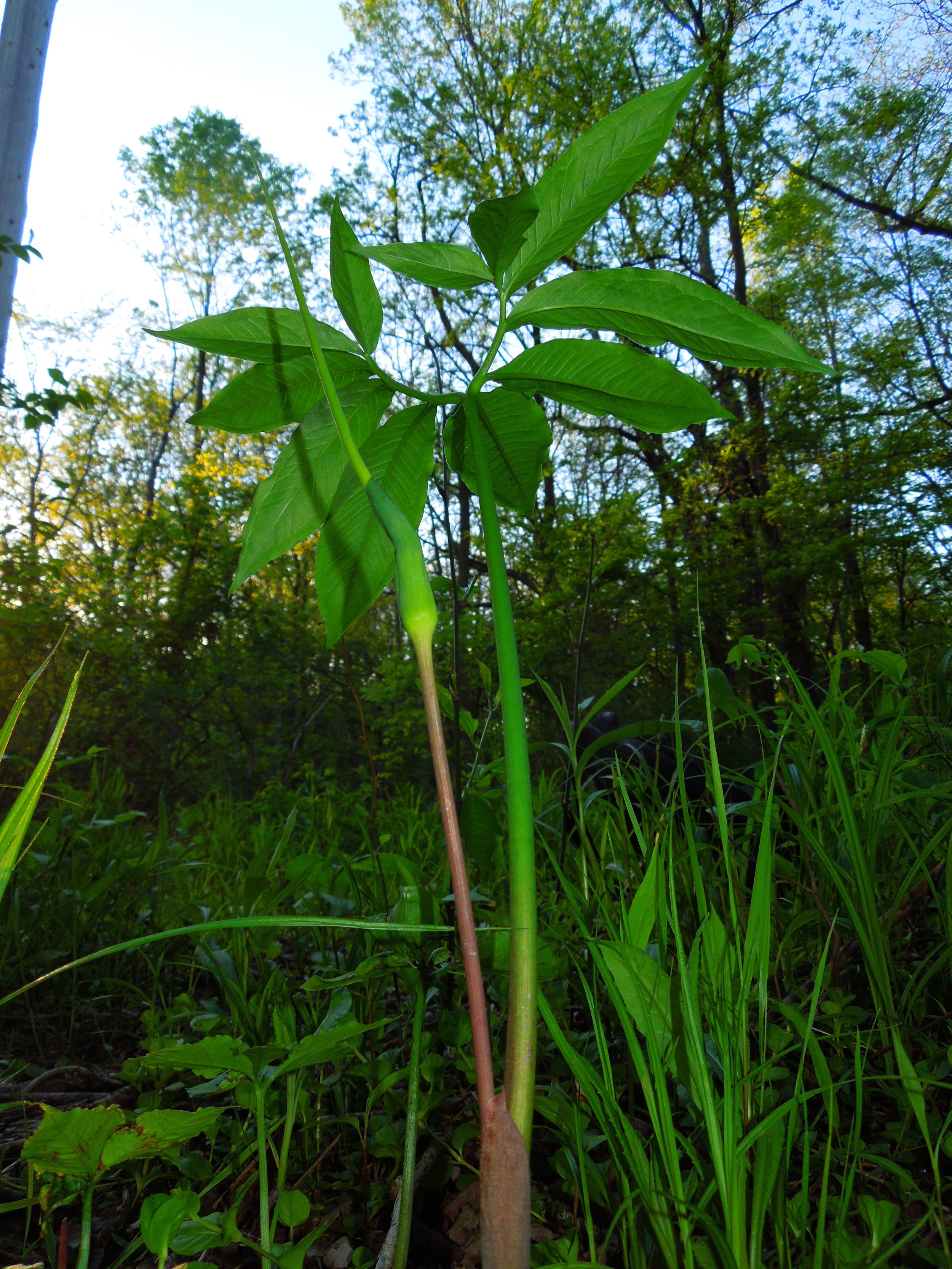
The green dragon (Arisaema dracontium) is an arum related to jack-in-the-pulpit. It is wide spread throughout the east but declining in much of its northern range. This species produces a single inflorescence that can be purely male, both male and female, or, in some rare cases, entirely female. The mechanism for this has been a subject of interest for many botanists as it does not seem to be dictated solely by genetics. It has been discovered that any given plant may switch up its flowering strategy from year to year.

What researchers have found is that male flowers are most often produced in younger plants as well as plants that are stressed. In years where environmental conditions are not as conducive to survival or if the plants have not had enough time to build up energy reserves, it is not uncommon to find only male plants. This is advantageous since male flowers and pollen are a lot less costly to produce than ovaries. Also, the plant does not have to allocate resources into developing seeds. In good years and also in older, larger plants, inflorescence are produced that are both male and female. If the plants are less stressed and large enough, more energy can be allocated to seed production. In some rare cases, very large plants have been known to produce only female flowers. This seems to be a strategy that is adopted only under the best of conditions. 

It should be noted that whereas there seems to be a threshold for environmental conditions as well as plant size in determining what kinds of flowers will be produced, each green dragon population seems to vary. In essence there is some genetic determination for how the plant will respond in any given year but this is where teasing the gene environment out of the actual environment gets tricky. Studying these plants is giving us more insight into the advantages and disadvantages of each sex as well as helping to inform how sensitive species like the green dragon will respond in a changing climate. 


Further Reading:

http://plants.usda.gov/core/profile?symbol=ardr3

http://www.jstor.org/stable/2656980

http://www.jstor.org/stable/2445597?seq=1

Flower Color Beyond What We Can See

Photo by Plantsurfer licensed under CC BY-SA 3.0

Photo by Plantsurfer licensed under CC BY-SA 3.0

Despite their aesthetic appeal, flowers are not here to dazzle us. While they have enticed us to spread the offspring of many species around the globe, flowers have one purpose and one purpose only - sex. 

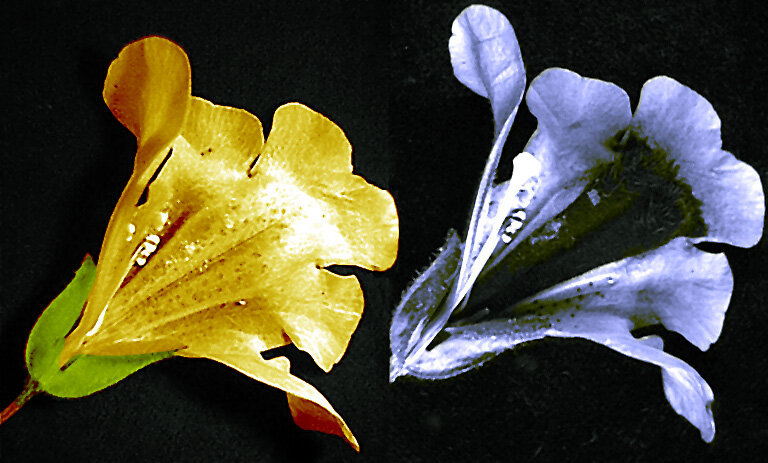
There are many different and even tricky ways flowers manage pollination. The most common and by far the most widely utilized is the use of insects. Though flowers look like they have done everything they can to attract pollinators, we can only see a narrow range of the electromagnetic spectrum. What we see as visible light is only a mere fraction of what is really out there. 

Many insects see well into the ultraviolet range and this has caused some very interesting evolutionary adaptations in flowers to attract insects to their business parts. When viewed with UV cameras, many species of plants have seemed to have drawn maps and arrows to their anthers and stigmas. It is amazing to witness a species of say Potentilla with, to us, solid yellow petals in this manner. The patterns that appear are striking! There are far too many examples to go into detail on this subject so instead, here is a great website to show you some examples 

http://www.naturfotograf.com/UV_flowers_list.html

New Plant Species Discovered on Facebook

Photo by Paulo Gonella licensed under CC BY-SA 3.0

Photo by Paulo Gonella licensed under CC BY-SA 3.0

There are many downsides to the amount of time some of us spend on the internet but there is no denying that there are some incredible benefits as well. Never before in human history has information been so readily available to so many people. Without Facebook, In Defense of Plants would not have anywhere near the platform from which I can interact with all of you wonderful plant folk. In what may be one of the coolest uses of social media to date, a new species of carnivorous plant has been discovered using Facebook! 

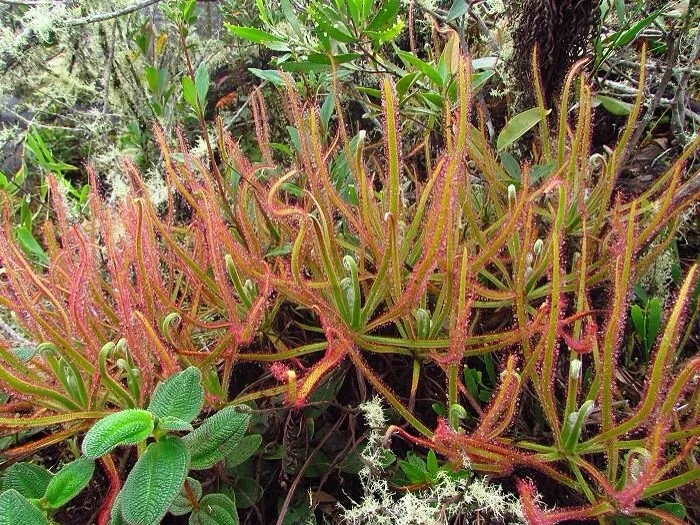
While exploring a mountain top in Brazil, amateur researcher  Reginaldo Vasconcelos snapped a few shots of a large sundew. Upon returning home, the pictures were uploaded to Facebook for the world to see. It didn't take long for scientists to notice that the plant in the picture was something quite special. 

Indeed, what Vasconcelos had photographed was a species of Drosera completely new to science! This is the first time that a new species has been discovered using social media. Experts have now published the first scientific description of this species. It has been named Drosera magnifica - the magnificent sundew. 

And magnificent it is! According to the authors of the paper, "It is the largest sundew in the Americas, and the second-largest carnivorous plant in the Americas. In this respect it is also a spectacular plant.” The plant was discovered in Minas Gerais, Brazil. Oddly enough, the mountain on which it was found is readily accessible. How this species went undiscovered for so long is quite a mystery. It just goes to show you how little we know about the world we live in. 

That sad part about this discovery is that the mountain it is endemic to is surrounded by cattle ranches as well as coffee and eucalyptus plantations. The future of this brand new species is by no means certain. Researchers have already elevated its status to critically endangered. Unless other populations are found, this species may disappear not long after its discovery. 

Photo Credit: Paulo Gonella

Further Reading:

http://www.mapress.com/phytotaxa/content/2015/f/p00220p267f.pdf

Invasive Ants Destroy Plant Sex Lives

Photo by Lalithamba licensed under CC BY 2.0

Photo by Lalithamba licensed under CC BY 2.0

For all of the amazing symbioses ants and plants share, there is one thing ants seem to get in the way of... plant sex. That's right, plants have found a use for ants in pretty much every way except for when it comes to reproduction (with some exceptions of course). Ants being what they are, they can easily become a force to be reckoned with. For this reason, many plant species have co-opted ants as defense agents, luring them in with nectar-releasing glands, a resource that ants guard quite heavily. 

When it comes to flowering, however, ants can become a bit overbearing. Research done at the University of Toronto shows that the invasive European fire ant has a tendency to guard floral nectar so heavily that they chase away pollinators. By observing fire ants and bumblebees, they found that ants change bumblebee foraging behaviors. The fire ants often harassed and attacked bumblebees as they visited flowers, causing them to spend significantly less time at each flower, a fact that could very well result in reduced pollination for the plant in question. 

This reduction in pollination is made even more apparent for dioecious plants. Since ants are after nectar and not pollen, male flowers received more bumblebee visits than nectar-producing female flowers. This could become quite damaging in regions with heavy fire ant infestations. 

As it turns out, the ants don't even need to be present to ward off bumblebees. The mere scent of ants was enough to cause bumblebees to avoid flowers. They apparently associated the ant smell with being harassed and are more likely to not chance a visit. Of course, this study was performed on using an invasive ant species. Because so many plant species recruit ants for things like protection and seed dispersal, it is likely that under natural conditions, the benefit of associating with ants far outweighs any costs to reproductive fitness. More work is needed to see if other ant specie exhibit such aggressive behavior towards pollinators. 

Photo Credit: Lalithamba (https://www.flickr.com/people/45835639@N04)

Further Reading:

 http://www.researchgate.net/profile/James_Thomson13/publication/259319739_Ants_and_Ant_Scent_Reduce_Bumblebee_Pollination_of_Artificial_Flowers/links/554b8fd90cf21ed213595eff.pdf

The Evolution of a Helicopter

Stevenson, Robert A., Dennis Evangelista, and Cindy V. Looy. "When conifers took flight: a biomechanical evaluation of an imperfect evolutionary takeoff." Paleobiology 41.2 (2015): 205-225. [SOURCE]

Stevenson, Robert A., Dennis Evangelista, and Cindy V. Looy. "When conifers took flight: a biomechanical evaluation of an imperfect evolutionary takeoff." Paleobiology 41.2 (2015): 205-225. [SOURCE]

The whirring helicopter seeds of modern day conifers (as well as a handful of other tree species) are truly marvels of evolution. We humans have yet to top the simple efficiency of this form of locomotion. It is easy to see how such seed anatomy benefits a tree. Instead of plummeting to the ground and struggling under the shade of its parents, winged seeds are often carried great distances by the breeze. Such a dispersal mechanism is so effective that multiple tree lineages have converged on a single asymmetrical wing design of their samaras.  

The key to this type of seed dispersal lies in the movement of the seed in the air. The whirring motion allows the seeds to stay airborne as they are carried away from their cones. It would be all too easy to argue that any intermediate must be doomed to failure. However, this is not the case. A rich collection of 270 million year old fossils discovered in Texas is shining light on how at least one lineage of conifers settled in on this wonderful adaptation for seed dispersal. 

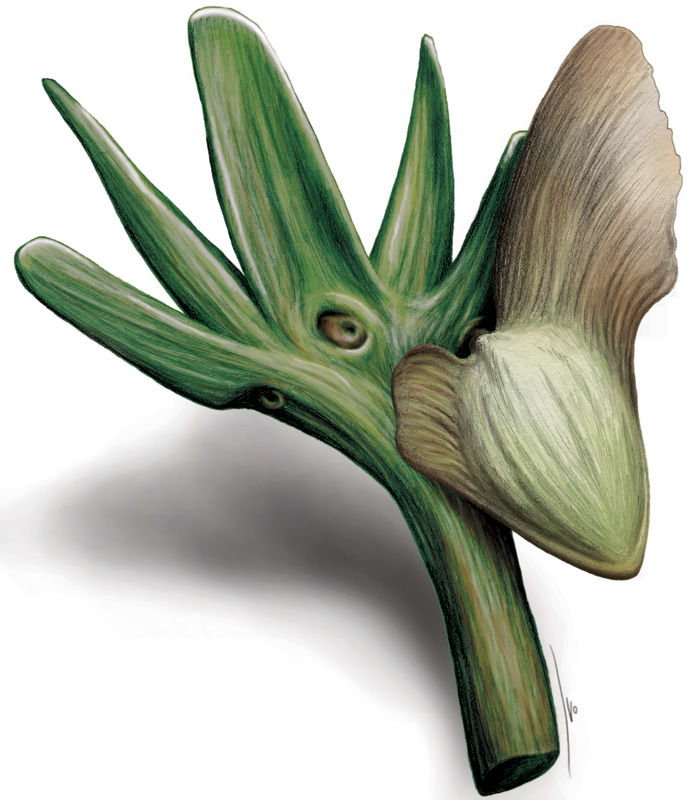
Instead of producing one type of winged seed, an ancient species of conifer known scientifically as Manifera talaris produced multiple different samara designs. Some were symmetrical, others were double winged, and still others matched what we would readily recognize as a samara today. It would seem that early conifers were “trying out” many different forms of wind dispersed seed designs. Manifera talaris was alive during the early Permian. At that time, there were not many animals alive (that we are aware of) that could function as seed dispersers for conifers. Instead, these early trees relied on the wind to do the work for them. 

Though these fossils offer a unique window into the evolution of winged seeds, they do not give any indication as to how each seed designs would have performed. For paleobotanist Dr. Cindy Looy, this meant a chance to have a little fun with science. She and her colleagues built functional paper models of each of the samara types represented in the fossils. By attaching the paper wings to comparably sized seeds from an extant conifer, she was able to test the flight performance of each of these samara types. What she found was quite interesting. 

As it turns out, symmetric and asymmetric double-winged seeds performed quite poorly. They fluttered to the ground, barely achieving any rotation. Contrast this with the asymmetric single-winged seeds, which stayed airborne for twice as long as any other samara design. What this research shows is that early conifers were, in a sense, "experimenting" with different samara designs. Those designs that allowed for greater seed dispersal produced more trees that did the same. 

Photo Credit: Dr. Cindy Looy

Further Reading: [1]


Yellow-Eyed-Grass

image.jpg

Over the last decade I have become quite familiar with the flora of western New York. I love and adore the species that call my neck of the woods home. For this reason, I get extra excited when I encounter something new. Identifying a plant I have never seen before is one of the best parts about botanizing. Having that species represent a family of plants entirely new to me is truly the icing on the cake. 

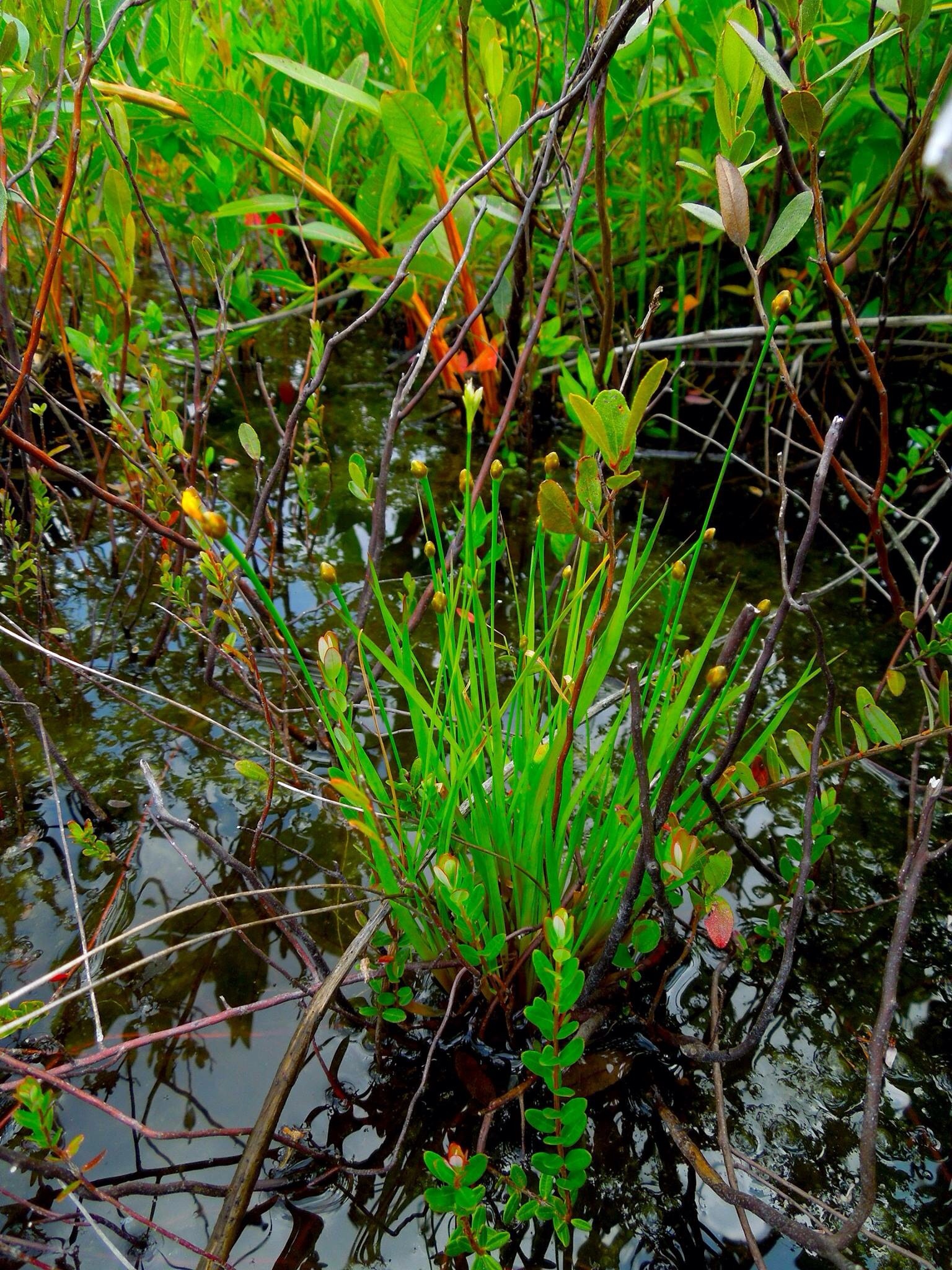
Bogs are some of my favorite habitat types. Their complexity in structure is well complemented by the myriad species that haunt the soggy terrain. They are made all the more wonderful when you consider their age. Bogs are glacial relicts, having existed unchanged since this region was freed from its icy grip. On a recent bog slog something different caught my eye. What appeared to be an odd clump of grass quickly revealed itself to be something new and different. 

Photo by Bob Peterson licensed under CC BY 2.0

Photo by Bob Peterson licensed under CC BY 2.0

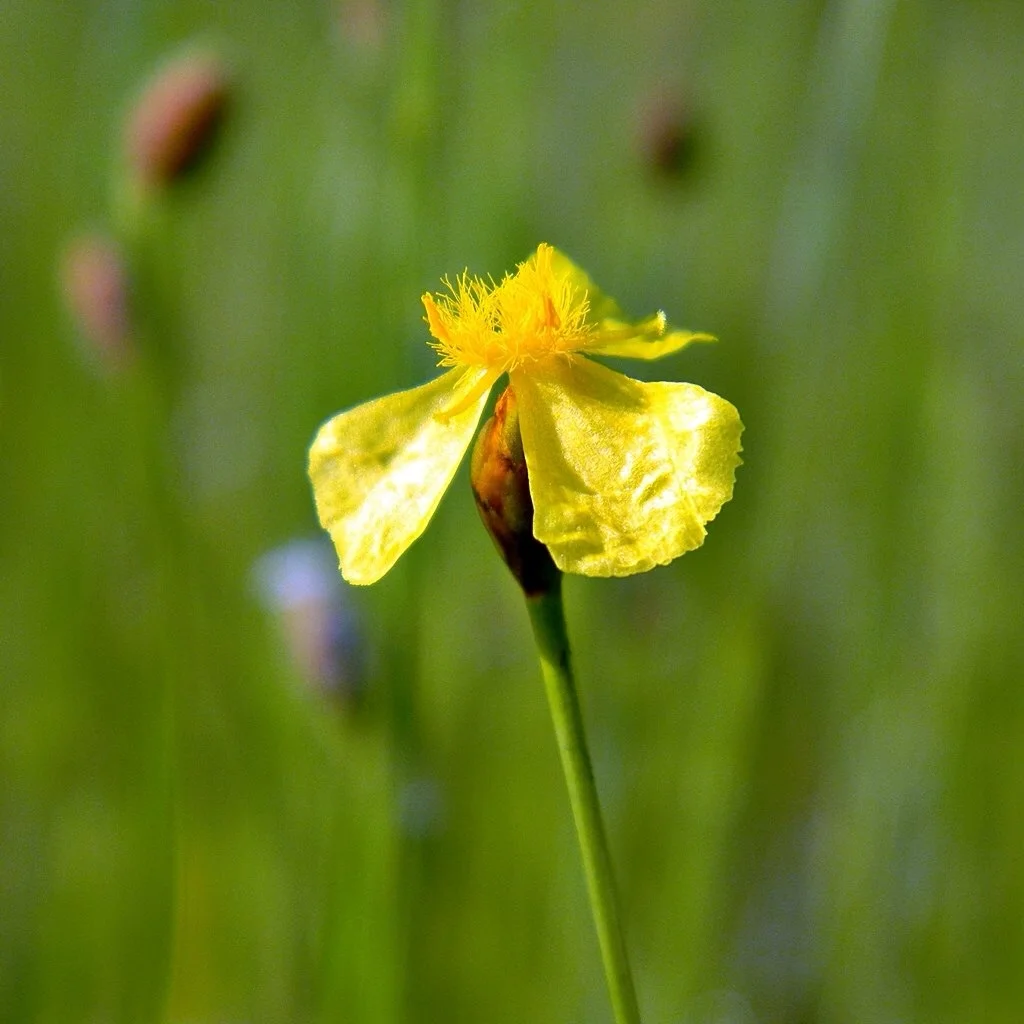
Sitting atop some of the blades were leathery clusters of bracts. Poking out from between these bracts were little yellow tufts. A closer inspection revealed that these tufts were three delicate petals of a flower unlike anything I was familiar with. Field guides were consulted and this odd little plant turned out to be a member of the group commonly referred to as yellow-eyed-grass. My first thoughts on this went immediately to the genus Sisyrinchium, those not-so-iris-like members of the iris family. Though they are similar in appearance, the yellow-eyed-grasses are not related to blue-eyed-grasses at all. 

Yellow-eyed-grasses not only belong in their own genus - Xyris - they also belong in their own family - Xyridaceae. They are more closely aligned with grasses than they are other flowering plants. There are something like 5 genera nestled into this family but a majority of the representatives belong in the genus Xyris. The plant I had found was Xyris difformis, the bog yellow-eyed-grass. They are plants of wet places, specializing in wetlands, bogs, and shorelines. Their ecology is interesting in that they sort themselves out along wave gradients, with most species preferring enough wave action to provide the proper soil texture and to limit competition from other wetland plant species. 

This group is incredibly interesting. They are also quite beautiful. Some species are becoming rare in North America as we continue to turn wetlands into housing developments and strip malls. With a global distribution, many of you are likely to encounter a member of Xyridaceae in your neck of the woods as well. Simply keep you eye open for any strange "grasses" growing in wet areas. 

Flower photo: Bob Peterson (http://bit.ly/1IcamFN)

Further Reading:

https://gobotany.newenglandwild.org/species/xyris/difformis/

http://www.nrcresearchpress.com/doi/abs/10.1139/b85-169#.VavIZipViko

http://www.nrcresearchpress.com/doi/abs/10.1139/b85-082#.VavIcCpViko

Spurge of the Sidewalk

Photo by Harry Rose licensed under CC BY 2.0

Photo by Harry Rose licensed under CC BY 2.0

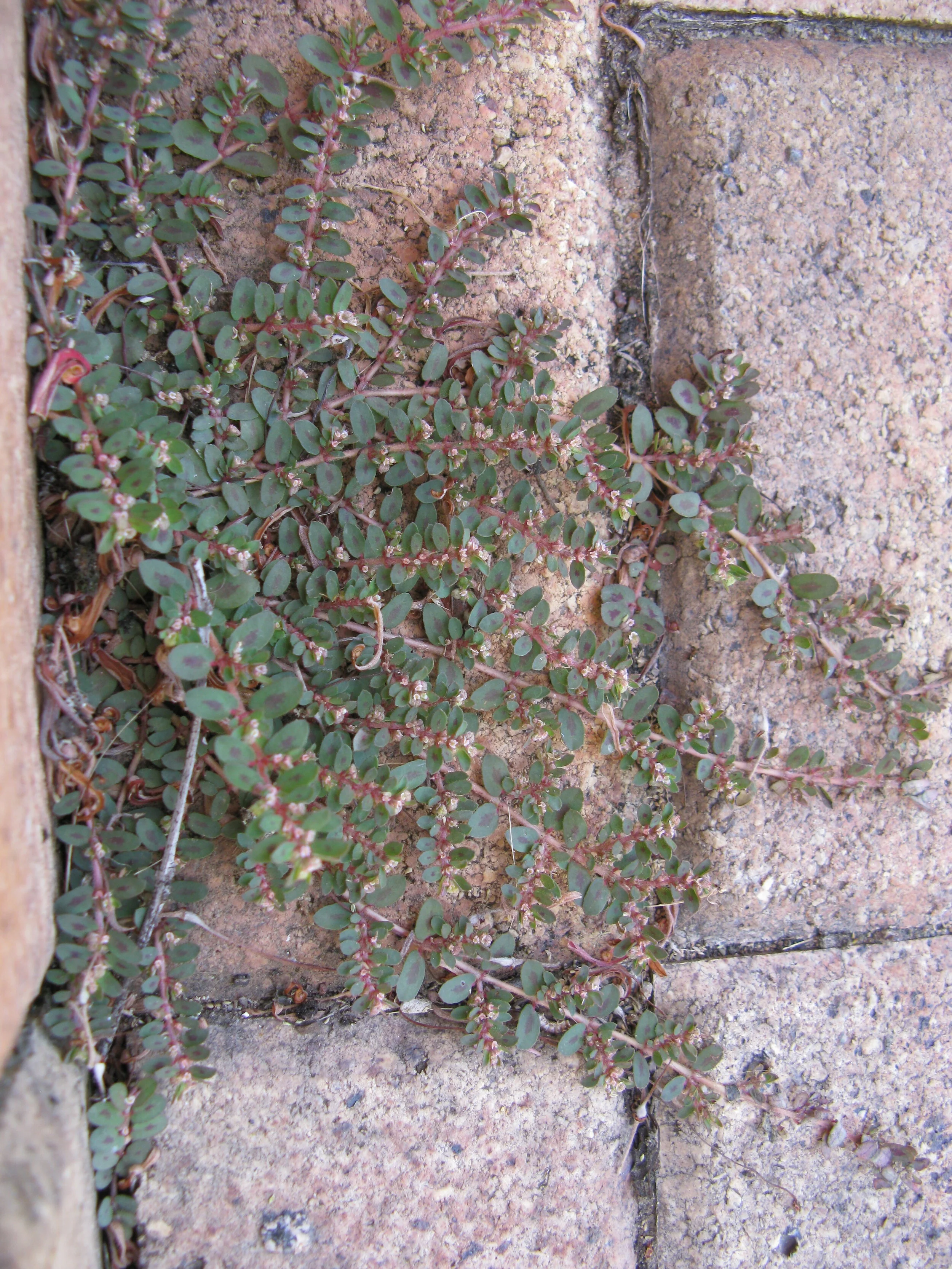
Meet the prostrate spurge aka Euphorbia supina aka Euphorbia maculata aka Chamaesyce maculata. Whew, that is a lot of names for such a small plant. Taxonomic struggles aside, many of you have probably seen this small forb growing all over. From fields to parking lots, and even city sidewalks, this small member of the spurge family is an early colonizer of waste places where not much else can grow. I have seen this plant my whole life but never took any notice of it's flowers. I can't say I blame myself considering their diminutive size. Like many members of the spurge family, the latex-like sap can cause a skin rash in some people, so be aware of this when weeding your garden. It is native to the lower 48 but has been introduced far and wide thanks to human activity and it's resilience in poor habitats. In at least one study, leachates from prostrate spurge were shown to inhibit nodule formation on the roots of legumes. In essence, this species may be inhibiting other early succession plant species in order to maintain open habitat for itself for as long as possible. I must say, after finally taking a closer look at this species, I have developed a new found respect for it. 

Photo Source: Wikimedia Commons

Further Reading:

http://plants.usda.gov/core/profile?symbol=chma15

http://www.jstor.org/discover/10.2307/2441417?uid=4&sid=21102522714117

Rattlesnake Master

image.jpg

I first heard of rattlesnake master (Eryngium yuccifolium) in William K. Stevens' book “Miracle Under the Oaks: The Revival of Nature in America.” Ever since then I have been enamored by this species. Who could blame me? Such a common name deserves a deeper inquiry. It would take a few years before I would be able to see an actual tall grass prairie and lay eyes on this wonderful, albeit strange member of the carrot family. 

Rattlesnake master gets its common name from the erroneous belief that the roots of this plant could be used to cure rattlesnake bites. I don't know about you but I certainly will not be chancing it. Its specific epithet "yuccifolium" comes from the resemblance its leaves have to that of Yucca. Unlike most carrots, which have dissected, lacy foliage, the leaves of rattlesnake master are strap-like and pointed with teeth running up the margins.

The clustered flowers exhibit protandry meaning the anthers mature and senesce before the pistils become receptive. This reduces the chances of self-fertilization, which increases the amount of genetic variation in a population. Being a member of the carrot family, rattlesnake master develops a very deep taproot making it a difficult species to transplant. Despite this fact, it grows readily from seed making it an excellent addition to a native prairie planting. What's more, the caterpillars of the Eryngium root borer moth (Papaipema eryngii) live solely off the roots of rattlesnake master. Without this plant, the moths could not survive. 

Photo Credit: [1]

Further Reading: [1] [2] [3] [4] [5]

Of Grass and Spiders

Photo credit:J. L. DeVore [SOURCE]

Photo credit:J. L. DeVore [SOURCE]

Spiders, toads, and grass. These three organisms seem kind of strange placed together in a single sentence. It would seem that the presence of each would have, if anything, marginal effects on the other. In healthy forests full of native species, this is the case. However, when new players enter the game, things are bound to change. As John Muir once said, “When we try to pick out anything by itself, we find it hitched to everything else in the universe.” As we grow to understand the natural world that we live in, the reality of this statement only becomes more apparent. 

The new player in this case is a grass. Microstegium vimineum, commonly referred to as Japanese stiltgrass, was introduced to the US sometime around 1919. Since then it has spread to over 16 states and is especially abundant in the southeast. It invades disturbed habitats and forms dense mats, which can completely displace native vegetation. It quickly rises to monoculture status and it is on the move. It is only a matter of time before it spreads well into the north. 

It’s not just vegetation that gets displaced either, most native insects don’t feed on M. vimineum. A monoculture of this grass is almost devoid of an insect community. However, there is one group of creepy crawlies that seems to have benefited from M. vimineum invasions. Wolf spiders are voracious predators. They eat a wide variety of insects and are certainly not above cannibalism. The dense carpets formed by M. vimineum offer security for wolf spiders. They can avoid one another and thus rise to abundance wherever this invasive grass grows. What few insects live in these stands quickly get gobbled up by the spiders. This is bad for yet another member of the forest community, the American toad. 

It has been noticed that, in forests where M. vimineum dominates, toads are on the decline. It was long thought that the lack of prey insects was the cause but recent research has pointed to a different culprit, the wolf spiders themselves. Aside from eating what little food can be found in the carpet of grass, they are also dining on young toads. Spider depredation on toads seems to be rather routine among the grass, so much so that toad survival decreased by 65% in these areas. To make matters worse, the effects of the invasive grass seem to be at their worst in areas that were once the best forests for toad survival. 

These findings are startling but by no means unique. The researchers are now going to look to see if this is happening to other amphibian species as well. At face value, it is not apparent how an invasive grass could affect toads but it is likely that instances like this are far more common than we even realize. 

Photo Credit: JAYNA L. DEVORE

Further Reading: [1]

A Temporary Inland Sea in Northeastern North America

10645007_990288874331311_6567061701149068499_n.jpg

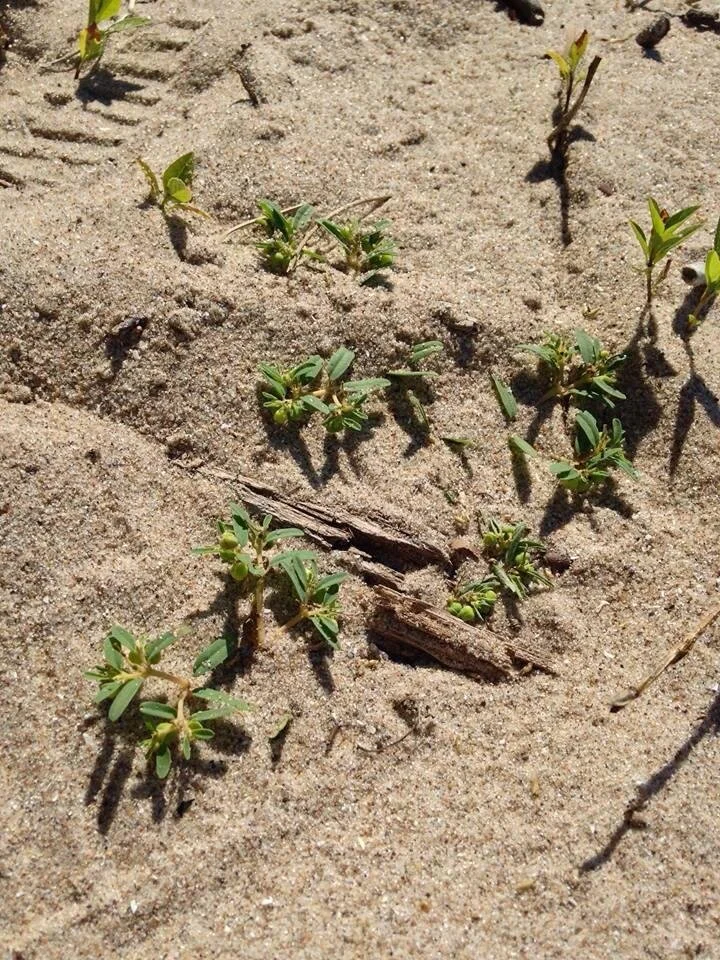
There are many species of small, nondescript spurge out there. All too often they go completely unnoticed, even by plant lovers like myself. As I have come to learn time and time again, every species has an interesting story to tell. That is why I started In Defense of Plants in the first place. The story I want to tell you today came to me from a chance encounter I had while exploring a beach on Lake Erie. I was musing over some tumbleweed I had found when I noticed some small spurge barely poking out of the sand around me. I took some pictures and moved on. Had I realized what I would come to learn from this spurge, I probably would have spent more time admiring it.

Our story begins roughly 18,000 years ago during the height of the last glacial period. Much of northern North America was buried under a massive glacial ice sheet. This was unlike anything we can witness on the continent today. In some spots the ice was well over a mile thick. The weight of that much ice on the land caused the bedrock underneath to compress, not unlike a mattress compresses under the weight of a human body. This compression pushed much of northeastern North America lower than sea level. Unlike a mattress, however, rock can take a very long time to rebound after the weight has been lifted. Around 13,000 years ago when the glaciers began to retreat, the land was still compressed below sea level. 

Map via Orbitale licensed under CC BY-SA 3.0

Map via Orbitale licensed under CC BY-SA 3.0

With the ice gone, the ocean quickly rushed in to fill what is now the St. Lawrence and Ottawa River valleys as well as Lake Champlain. A salty inland lake coined the Champlain Sea was the result of this influx of ocean water. For some time, the Champlain Sea provided seemingly out of place maritime habitat until isostatic rebound caused the land to rise enough to drain it some 10,000 years ago. During this period, the Champlain Sea was home to animals typically seen in the northern Atlantic today including whales, whose fossils have been found in parts of Montreal and Ottawa. Coastal plant communities formed along the shores of the Champlain Sea, which brings me back to my little spurge friend. 

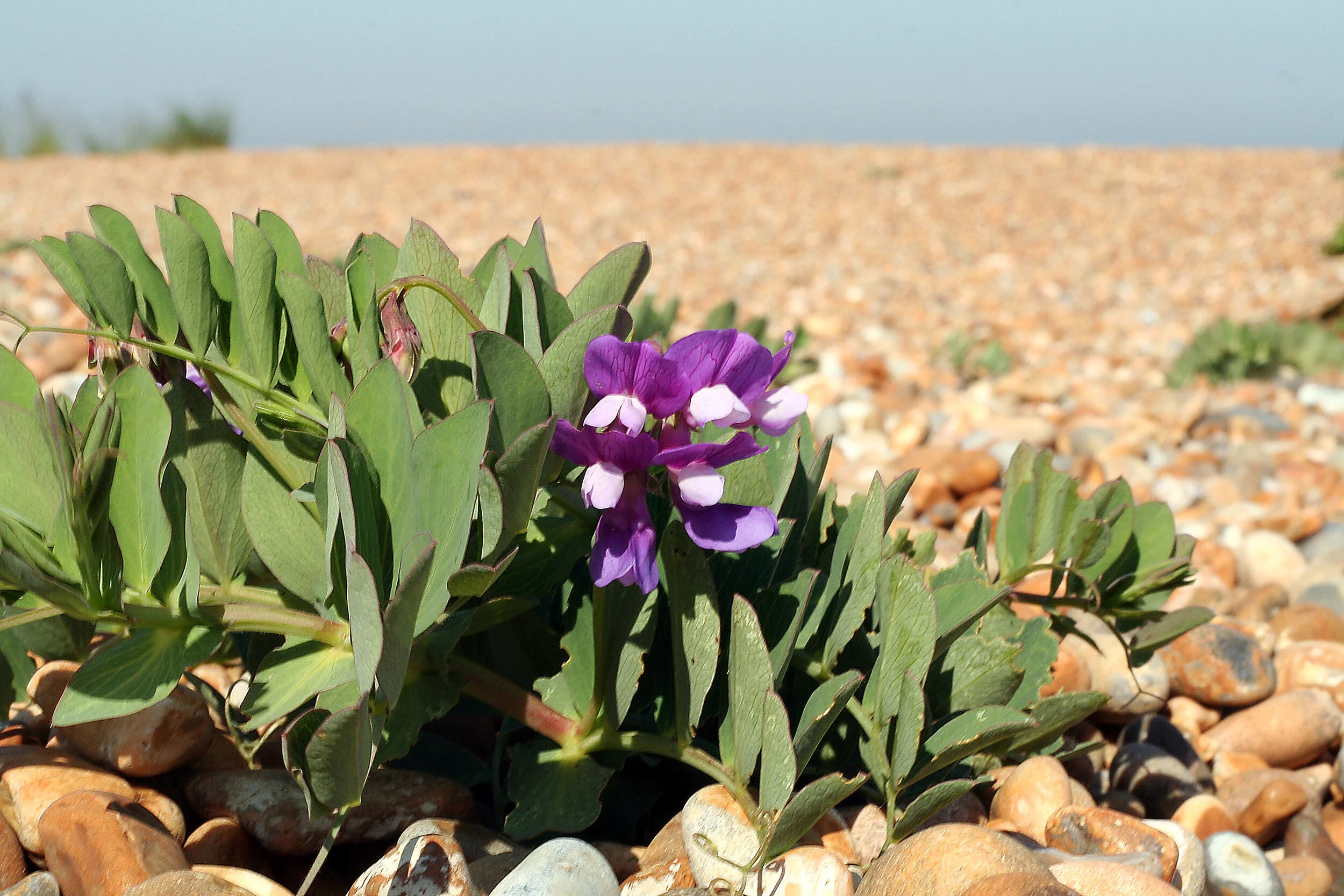
Inland beach pea (Lathyrus japonicus). Photo by Alastair Rae licensed under CC BY-SA 2.0

Inland beach pea (Lathyrus japonicus). Photo by Alastair Rae licensed under CC BY-SA 2.0

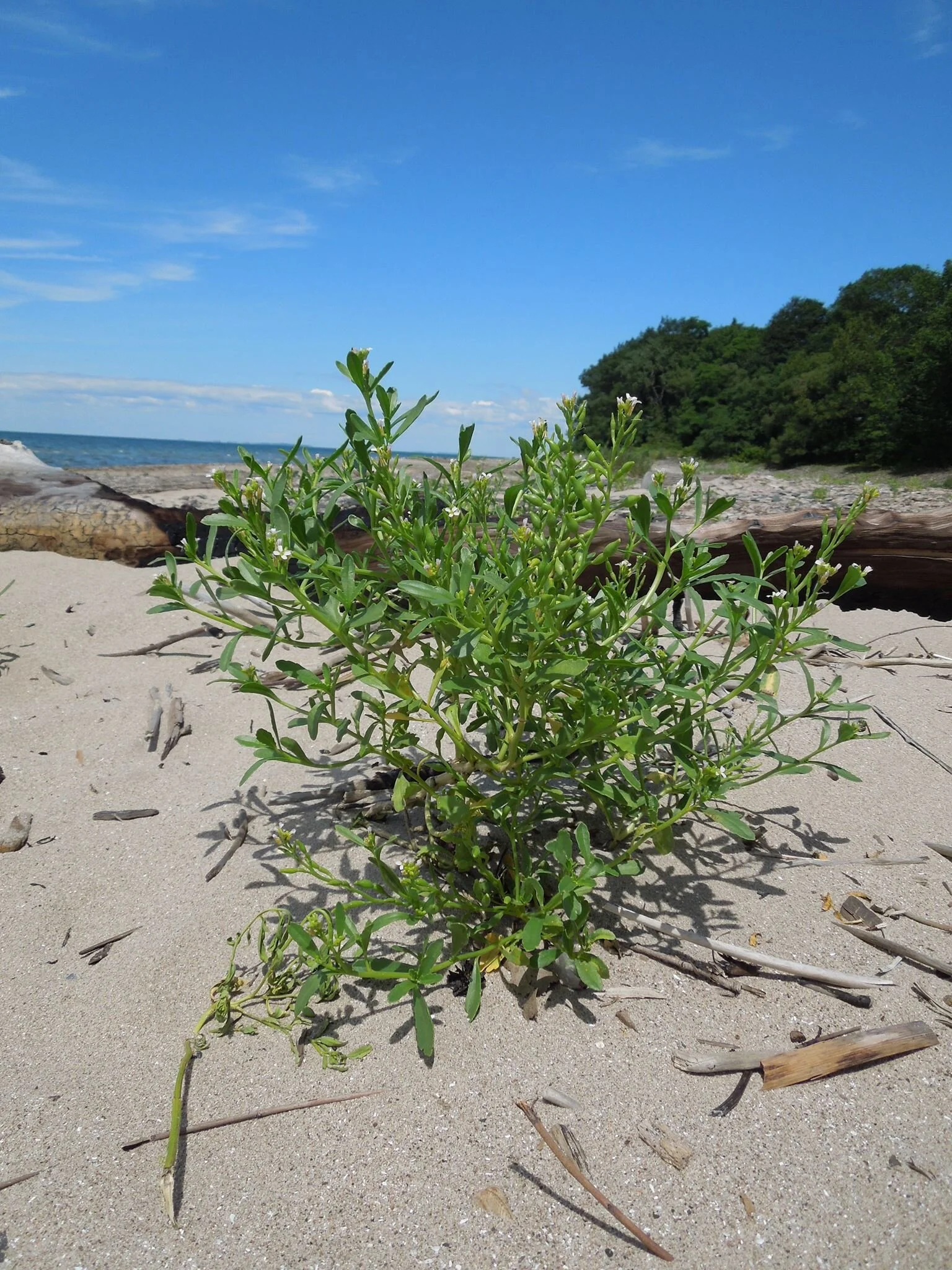
Sea rocket (Cakile edentula)

Sea rocket (Cakile edentula)

The species in question is Chamaesyce polygonifolia, the seaside spurge. By no means rare, this obscure little plant is more typically found along the coast of the Atlantic. Along with other species like the inland beach pea (Lathyrus japonicus) and sea rocket (Cakile edentula), these plants followed the shores of the Champlain Sea and remained here in sandy, disturbed habitats ever since. These species are echoes of a brief period of time when North America was going through a lot of changes. Again, had I known this at the time, I don't know if I would have left the beach so quickly that day. I love to be reminded of how small we really are, how fleeting our existence really is. I love meeting species that are players in a much bigger story and Chamaesyce polygonifolia and company are just that. 

Further Reading: [1] [2] [3]

Swamp Pink

Photo by Kerry Wixted licensed under CC BY 2.0

Photo by Kerry Wixted licensed under CC BY 2.0

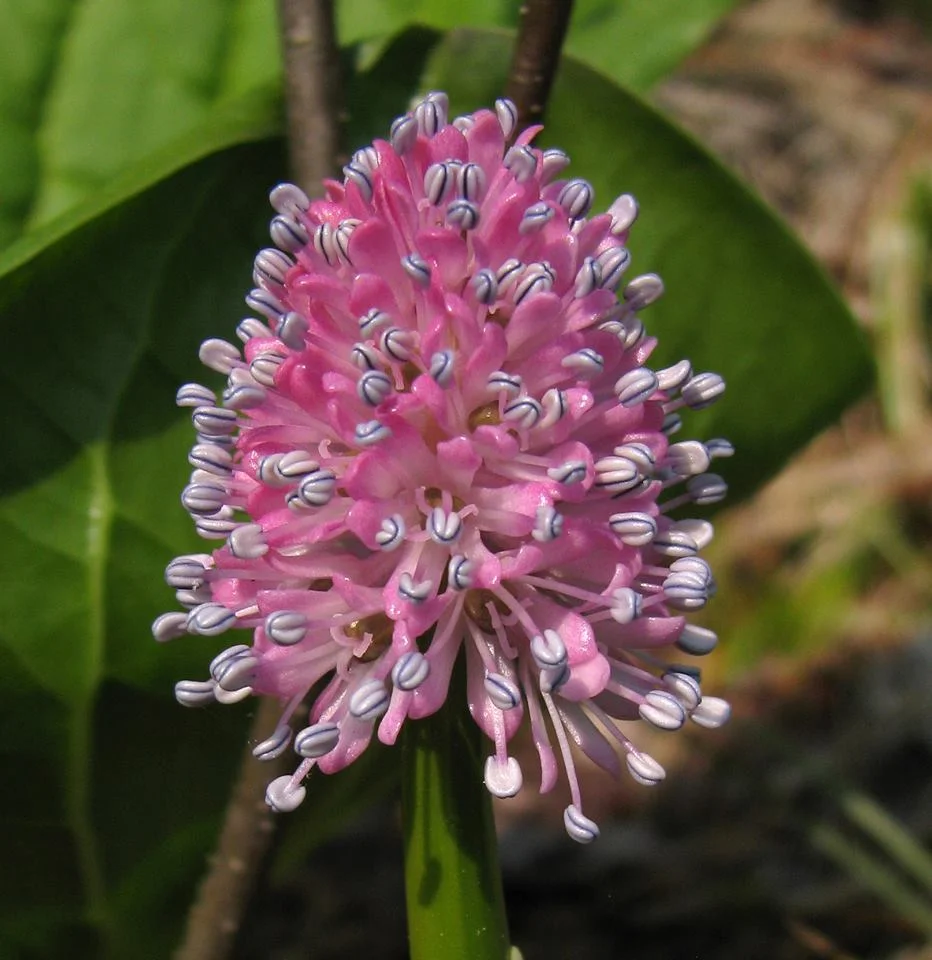
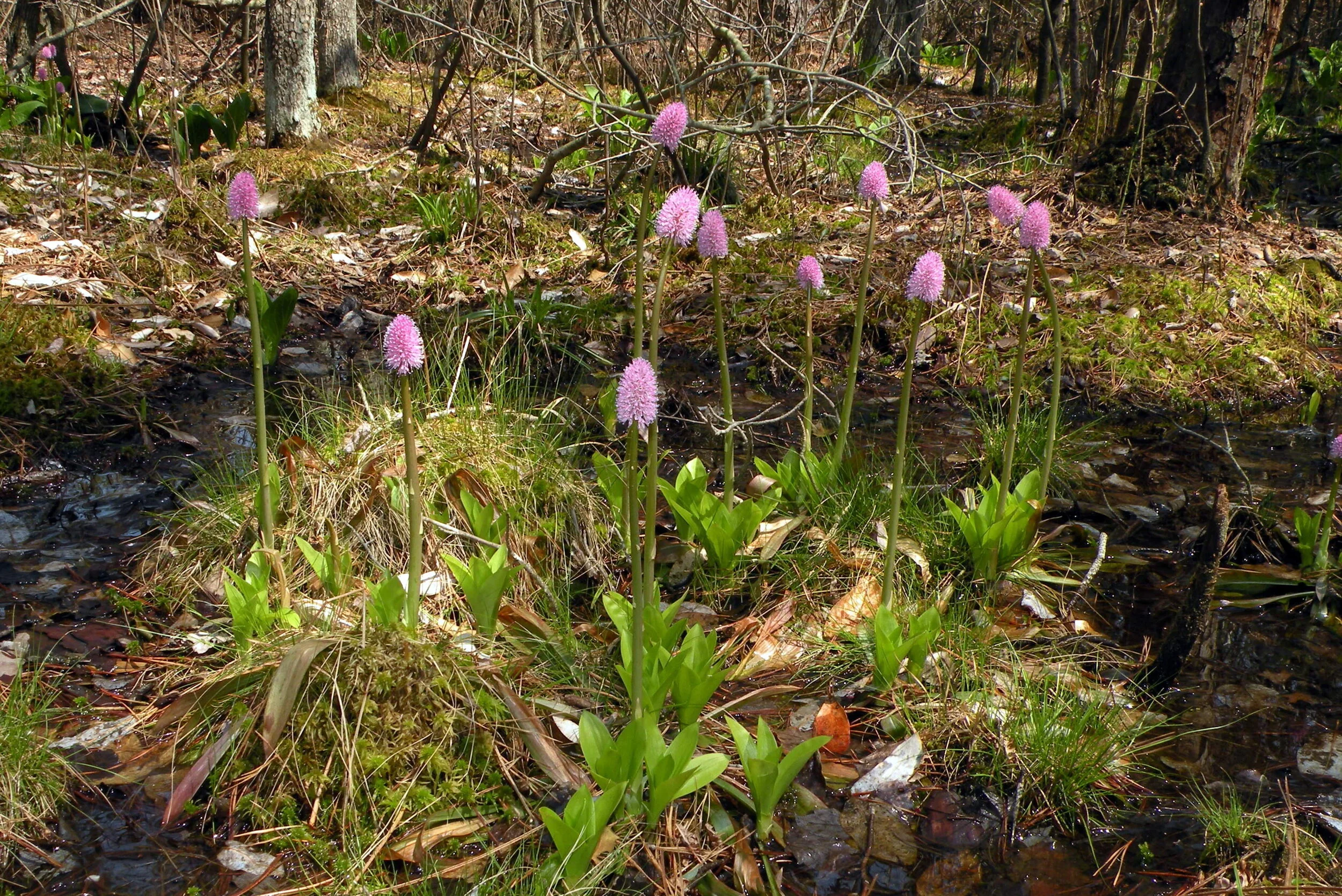
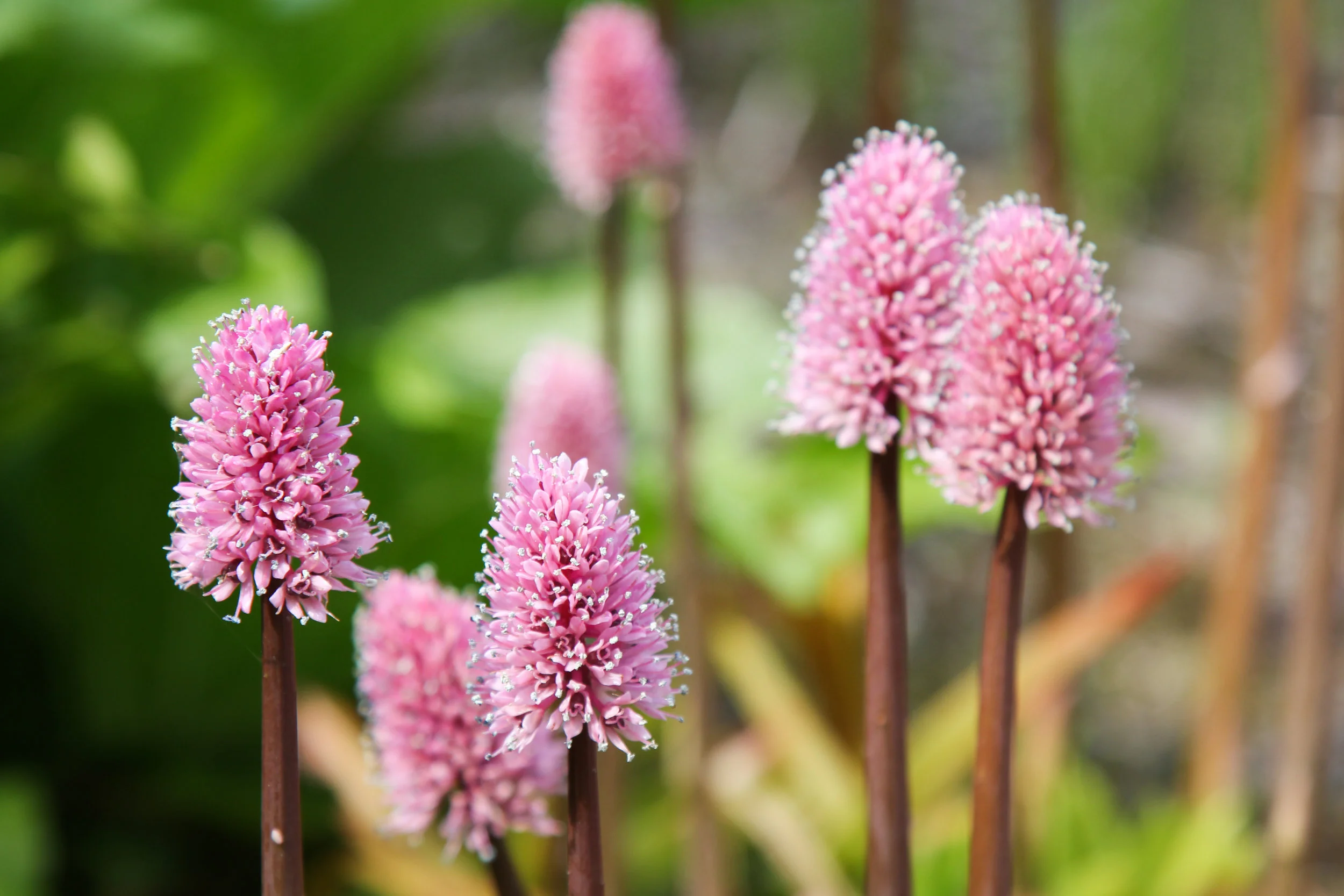
The name "swamp pink" just doesn't do Helonias bullata justice. Yes, this species grows in wetlands and yes, the flowers are indeed pink. However, seeing one of these beauties in person will help you realize that the grandeur of such a plant cannot be summed up by any title. Sadly, if we continue to treat wetlands with rampant disregard, future generations will only see swamp pinks in the pages of a book or in an internet photo album.

Photo by Doug McGrady licensed under CC BY 2.0

Photo by Doug McGrady licensed under CC BY 2.0

As stated, swamp pink likes to have its feet wet. Not just any old wetland will do though. Swamp pinks require a very stable water table with a water line that rests just below the dense rosette of strap-like leaves. At one time, this species could be found from Staten Island, New York all the way south to Georgia. There is even a disjunct population located in the Southern Appalachian Mountains. Today, swamp pink has been reduced to a mere fraction of this former range and now only occurs in isolated pockets of New Jersey, Delaware, Maryland, Virginia, North Carolina, South Carolina, and Georgia.

Photo by Maja Dumat licensed under CC BY 2.0

Photo by Maja Dumat licensed under CC BY 2.0

There are two major threats to the continued survival of this species - wetland destruction and poaching. Because it is a magnificent looking plant, it is often dug up and taken away. Sadly, swamp pink does not transplant well and plants rarely survive the ordeal. Far more deadly to this species is loss of habitat. It isn't just outright destruction of wetlands either. Alterations in the hydrology that stem from increased runoff and poor wetland buffering can cause entire populations to die off.

Both seed production and germination rates are low for this species. What's more, viable seeds suffer from minuscule dispersal distances. Because of this, establishment of new populations can be difficult. Also, since most reproduction is clonal, the gene pools of many extant populations are quite shallow. The plight of the swamp pink really brings meaning to the cultural meme "this is why we can't have nice things."

Hope for species like the swamp pink can only come through wetland conservation and restoration efforts. If you care about things like clean water and biodiversity, please consider supporting groups like The Wetlands Initiative: http://www.wetlands-initiative.org

Further Reading: [1] [2] [3]

The Bells of Oconee

Photo by Philip Bouchard licensed under CC BY-NC-ND 2.0

Photo by Philip Bouchard licensed under CC BY-NC-ND 2.0

The whole point of In Defense of Plants is to remove the human element and tell the story of plants for what they are. I find their stories to be far more interesting than any anthropocentric use they might have. However, the following tale was just far too compelling to ignore. It is a story of passion and, in the end, really encompasses the reality of the species it centers around.

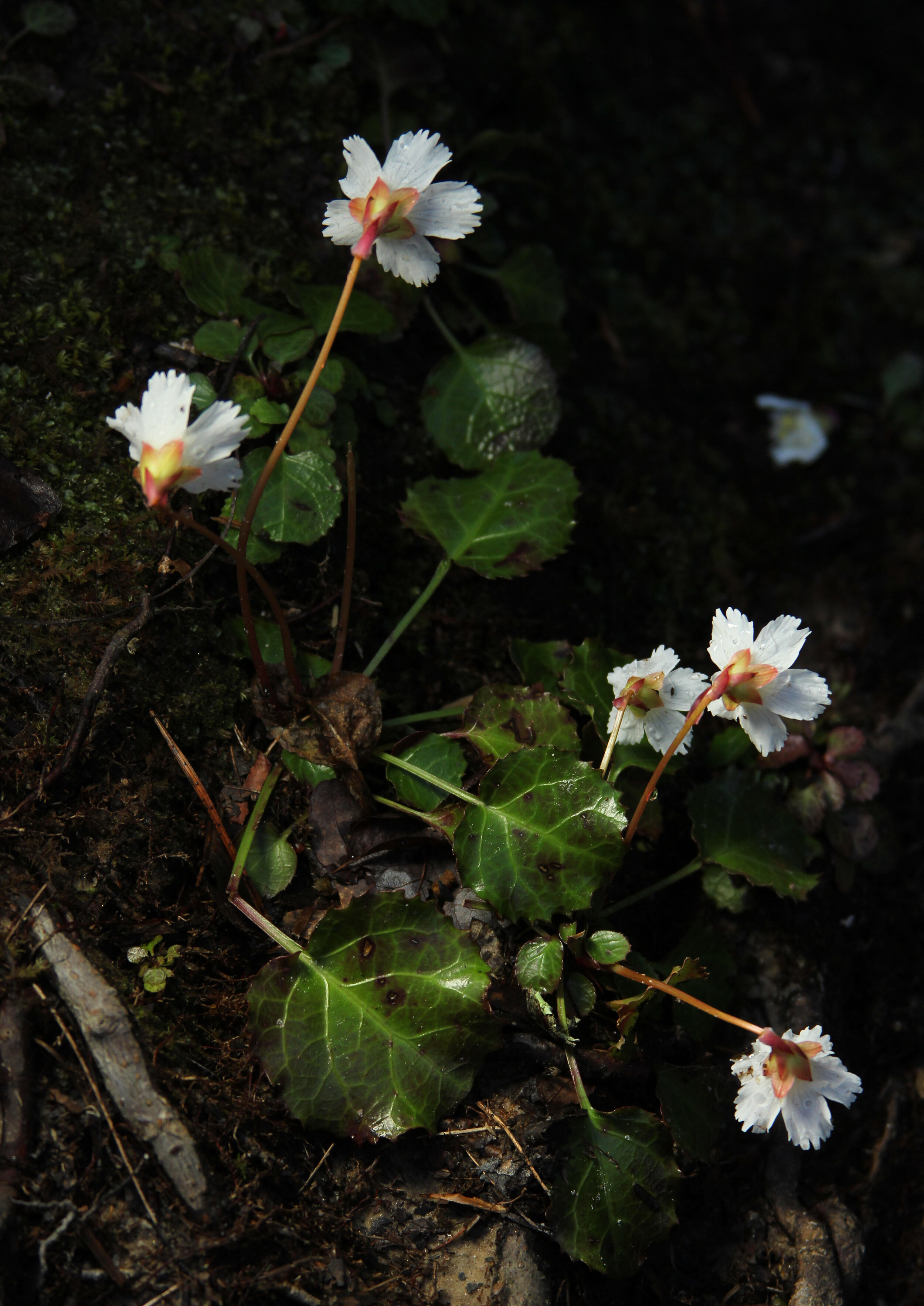
Asa Gray was an eminent 19th century botanist. In 1838, Gray left America for Europe in order to examine herbarium specimens which would reveal the original sources of American flora. While in Paris, Gray was pouring over collections made by Andre Michaux when he came across a poorly preserved specimen of an unnamed plant "with a habit of Pyrola and the foliage of Galax" originating from the "High Mountains of Carolina."

For whatever reason, Gray became enamored with this small pressed plant. He knew it had to be a new species. Upon returning to America, Gray went about organizing expeditions to rediscover this odd little botanical wonder. Sadly it would be another 40 years before he would see a living specimen. 

The species in question is Shortia galacifolia, better known as Oconee bells. A member of the family Diapensiaceae, Shortia is often described as a small, spreading, evergreen sub-shrub. In early spring, each plant produces a beautiful whiteish-pink, bell shaped flower. Today, Shortia is only known from a small handful of populations growing along a couple stream banks in the Southern Appalachians. The original population that Michaux collected from now lies under 980 feet of water, lost forever by the damming of the Keowee River. 

There has been a lot of speculation over why this plant is endemic. A lot of it has to do with Shortia's germination requirements. It is a plant of disturbance, relying on things like blowdowns or minor landslides to open the canopy just enough to create the perfect microclimate. As canopies close, populations languish and disappear. Fortunately for Shortia, collections have been out-planted at a handful of botanical gardens throughout the region where they grow and persist in great numbers. 

Further Reading:
http://arnoldia.arboretum.harvard.edu/pdf/articles/1991-51-4-asa-gray-and-his-quest-for-shortia-galacifolia.pdf

http://www.jstor.org/stable/2483507?seq=1#page_scan_tab_contents

http://www.jstor.org/stable/4033240?seq=1#page_scan_tab_contents

http://www.jstor.org/stable/23306488?seq=1#page_scan_tab_contents