My oh my, What a Beautiful Magnolia

Magnolia fraseri is, in my opinion, one of the most beautiful trees in our eastern forests. To see this species, one must travel to the Southern Appalachian Mountains where it is endemic. With its whorls of massive leaves, large, cream colored flowers, and smooth gray bark, it is an unmistakeable component of the Appalachian cove forests.

M. fraseri needs canopy gaps to persist. Anywhere that disturbance opens up the canopy and allows light in, M. fraseri is soon to follow. This tree has surely benefitted from the mass die off of eastern hemlock due to the invasive hemlock wooly adelgid. This species flowers in the spring. Magnolias as a whole are an ancient lineage of flowering plants, arising before bees evolved. For that reason, their flowers are pollinated by beetles instead of bees. The large, showy flowers soon give way to your typical magnolia seed pod. As the seeds mature, they are pushed out of their pod and their bright red coloration helps to attract their main seed disperser, birds.

Aside from seed production, the most common form of reproduction for M. fraseri is via stump sprouts. In fact, it is believed that many of the oldest M. fraseri in the Appalachian forest region are stump sprouts that harken back to a time in which forest clearing was more rampant.

The overall appearance of this tree feels tropical. The large leaves are are arranged like an umbrella and these whorls stack themselves all the way up the trunk. Why this species is not cultivated as a native landscape tree is beyond me and I think the following excerpt by Richard E. Weaver Jr. sums it up quite nicely:
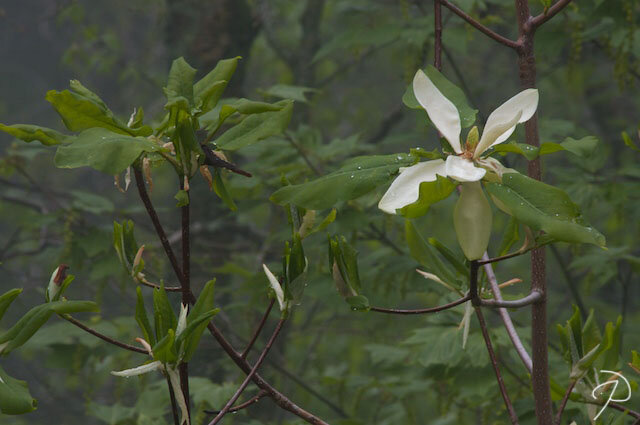
Photo by Jim Dollar licensed under CC BY-NC 2.0

Photo by Jim Dollar licensed under CC BY-NC 2.0

"Many of our fine native plants remain rare in cultivation in our own
country for a variety of reasons. Over-familiarity with them as wild
plants; lack of commercial availability; ignorance as to culture and
propagation; or plain snobbishness. Many are far better appreciated abroad."

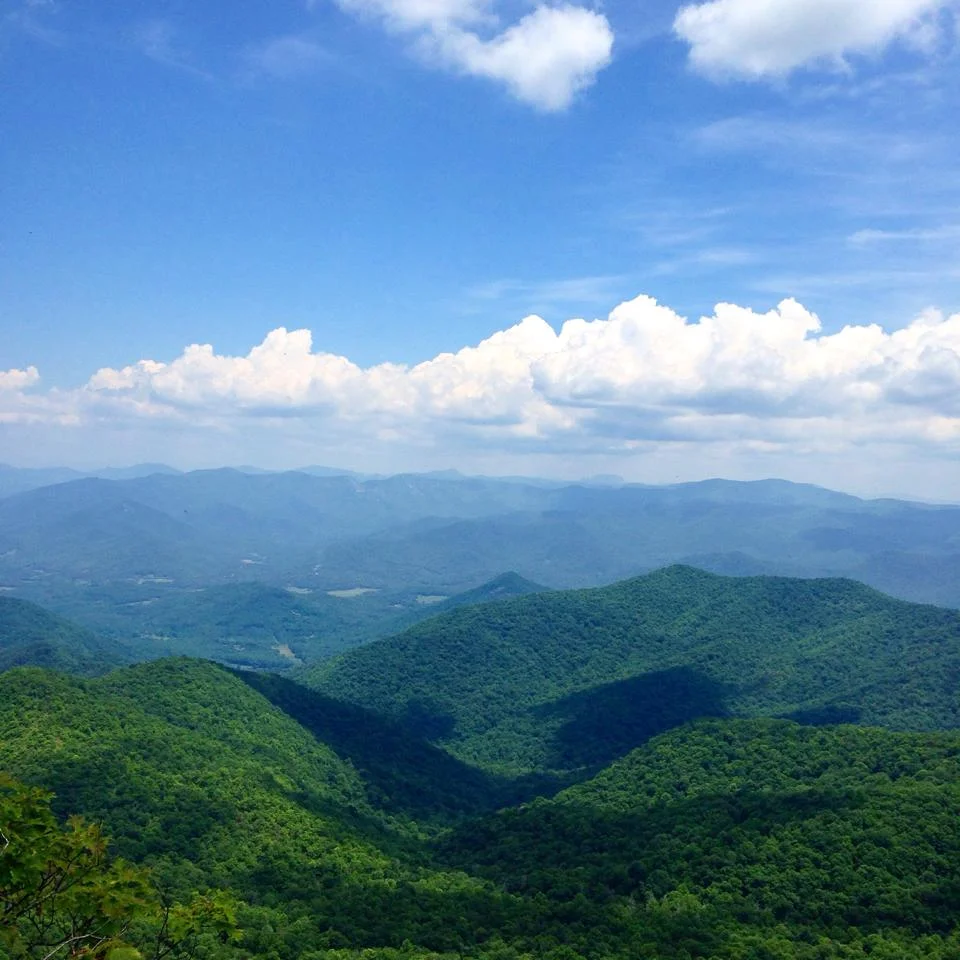
Magnolia fraseri was one of the first plants that greeted me upon entering North Carolina. It was growing alongside a pawpaw at a scenic overlook that showcased the hardwood forests that coat these mountains. I never pass up an opportunity to appreciate this tree and indeed I will carry the image of it in my mind wherever I go.

Photo Credit: Jim Dollar (http://bit.ly/1R2Qpjy)

Further Reading:
http://link.springer.com/article/10.1007/BF00346412

http://arnoldia.arboretum.harvard.edu/…/1981-41-2-magnolia-…

http://www.na.fs.fed.us/…/si…/volume_2/magnolia/fraseri.html
Scarlet Paintbrush

Roadways have been surprising me quite a bit as of late. Where I live, they are havens for aggressive invaders such as crown vetch (Securigera varia), sweet pea (Lathyrus odoratus), and a seemingly endless variety of turf grasses. However, this does not seem to be a pattern that repeats itself everywhere. More and more I have come to notice that roadsides in other locations harbor a wide variety of native plant life, some of which are downright surprising.


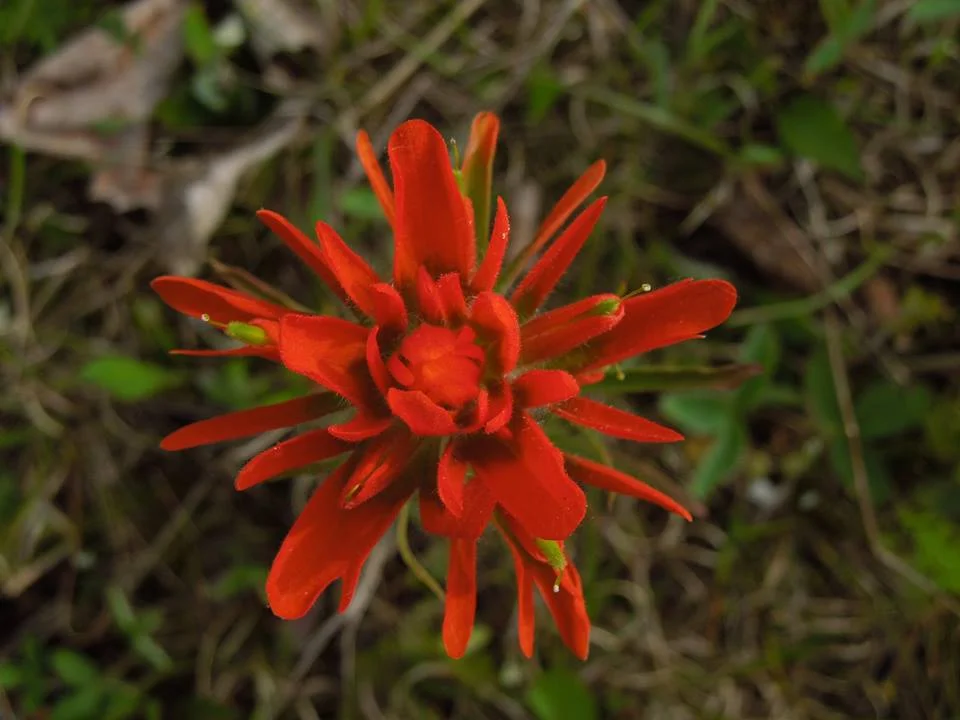
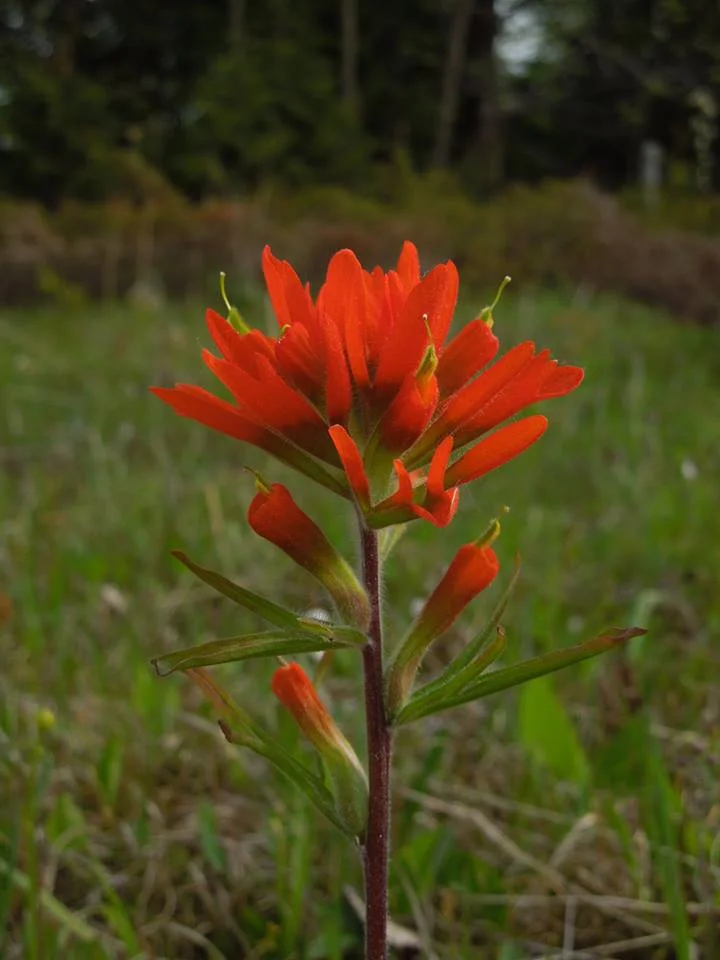
My most recent foray into Canada revealed some surprising roadside botany. While cruising down a highway, my friends and I began noticing bright red dots spread about the shoulders of the road. The red was so bright it was impossible to ignore. We had to find out the source. Within a few steps we soon realized where the color was coming from. It was none other than the scarlet paintbrush (Castilleja coccinea).


Needless to say, I was beyond excited. I have tried for years to grow this plant, which is endangered in the state of New York. All of my attempts have been met with failure so finally getting a chance to see this species was a momentous occasion. Like all others in this genus, C. coccinea is a hemiparasite. Using specialized roots it taps into the roots of neighboring plants and steals nutrients. Research has shown that C. coccinea doesn't seem to be too picky as to which plants it parasitizes, though it is likely that some plants are better hosts than others.


The plight of this species extends far beyond my home state. Native to much of eastern North America, this lovely species has been all but eradicated from the New England states. The most common reason for this is habitat destruction. We simply love to develop and farm the kinds of places that C. coccinea grows.


Another serious but less obvious threat to C. coccinea is succession. As is typical of our species, we tend to manage the land in a feast or famine sort of way. Its either total destruction or an adherence to an often false ideal centered around the word "pristine." A lack of disturbance is great for some species but spells disaster for others. Thus, as woody species, especially invasives such as multiflora rose (Rosa multiflora), encroach into open habitat, plants that cannot handle shading such as C. coccinea quickly disappear from the landscape. This is a species that requires some disturbance to survive. Land managers and stake holders would do good by paying attention to the habitat requirements of such species.

Further Reading:
http://www.newfs.org/docs/pdf/Castillejacoccinea.pdf
http://www.jstor.org/stable/2483296
http://plants.usda.gov/core/profile?symbol=caco17

Dutchman's Pipe

For me, all vines have a tropical feel to them. Though I am currently living far from any jungle, exploring the Appalachian Mountains certainly seems like it at times. I am enamored by the lush greenery that coats these mountains. One of my favorite sites is to look down a hillside and see Dutchman's pipe scrambling through the canopy. Hiking along the trails, these vines dangle just out of arms reach. 

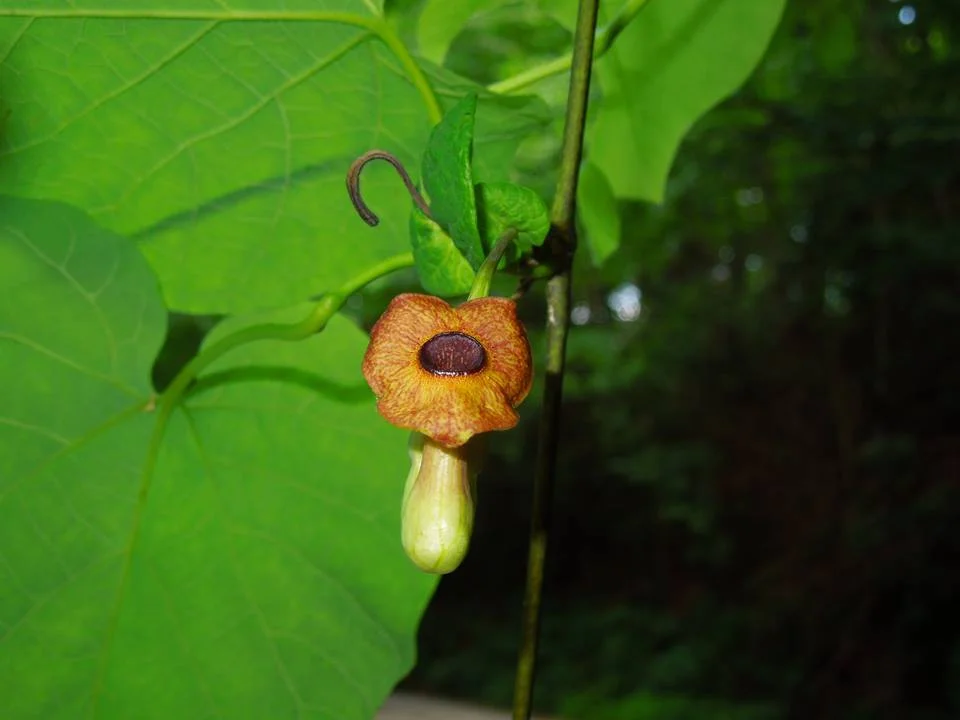
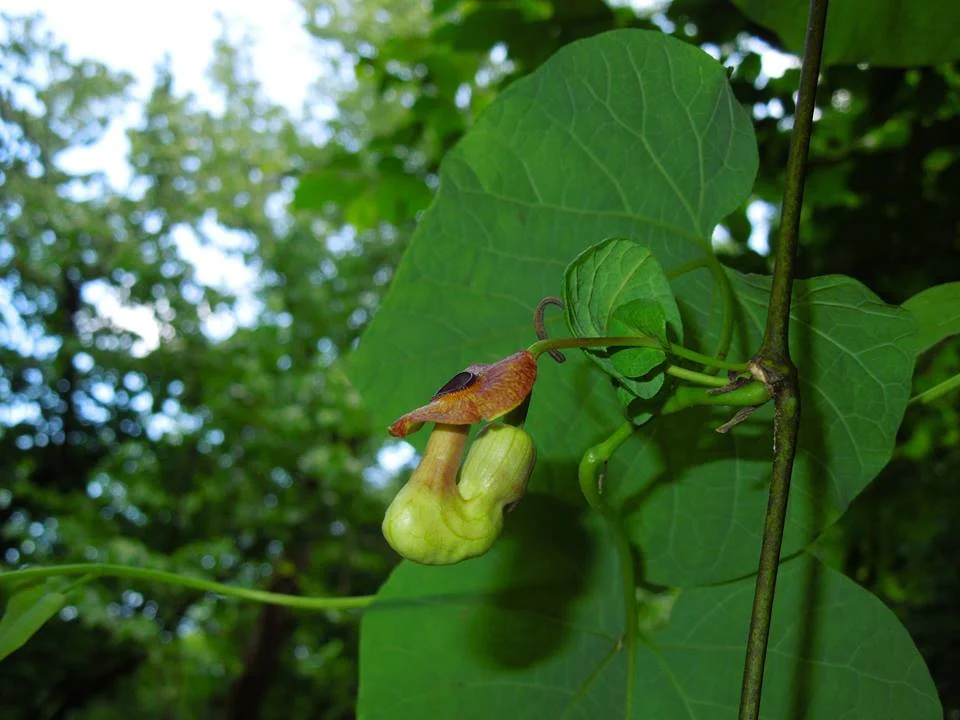
Known scientifically as Aristolochia macrophylla, the Dutchman's pipe vine belongs to the same family as plants in the genus Asarum and Hexastylis. Based on its growth habit, this seems like a wild departure from such grounded understory herbs. However, see this plant in flower and there is no mistaking its heritage. The blooms are where the name Dutchman's pipe comes from as each flower resembles a curved smoking pipe. These flowers are very much worth a closer inspection.

This shape is not for our amusement. As with any flower, its all about sex. These elaborate blooms emit a foul odor, which attracts flies. Looking for a meal and perhaps a place to lay their eggs, the flies crawl down into the curved tubular neck. Once inside they become trapped by backward pointing hairs. After sufficient time, pollen dusts the trapped insect and the hairs wither away. The fly is then free to leave the flower and hopefully make the same mistake again. Over the course of a few weeks, pollinated flowers are replaced by a large pod filled with wind-borne seeds. 

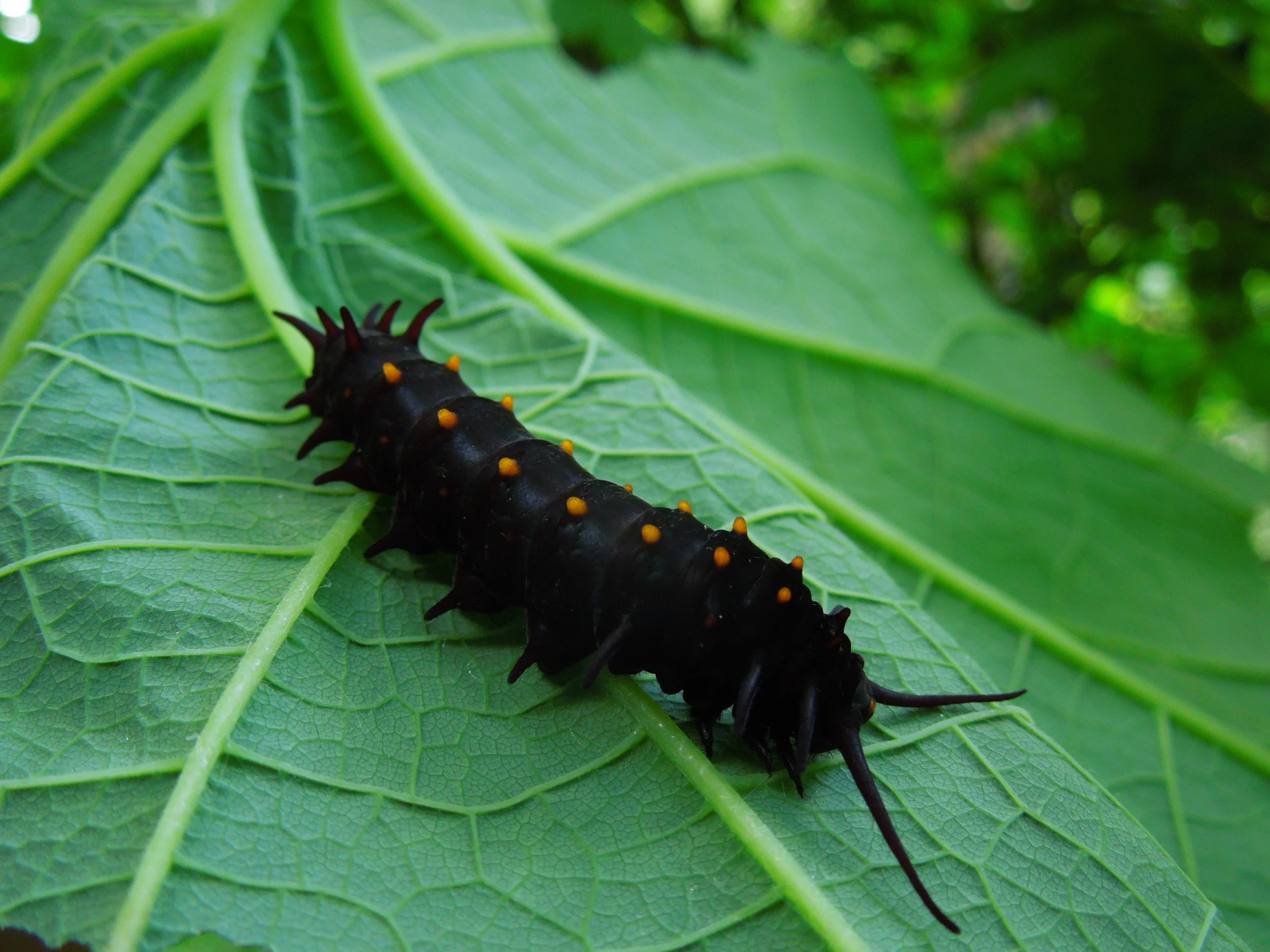
Aside from tricking flies, Dutchman's pipe has a close relationship with another flying insect. The larvae of the stunning pipevine swallowtail (Battus philenor) feed solely on members of this genus. With large leaves, beautiful flowers, and important ecological relationships, Dutchman's pipe is the whole package. Its vining habit adds complexity to forests throughout its range. It is also a wonderful plant for native gardeners looking for a unique climber. 
 

Photo by Franco Folini licensed under CC BY-SA 2.0

Photo by Franco Folini licensed under CC BY-SA 2.0

An Aromatic Parasite

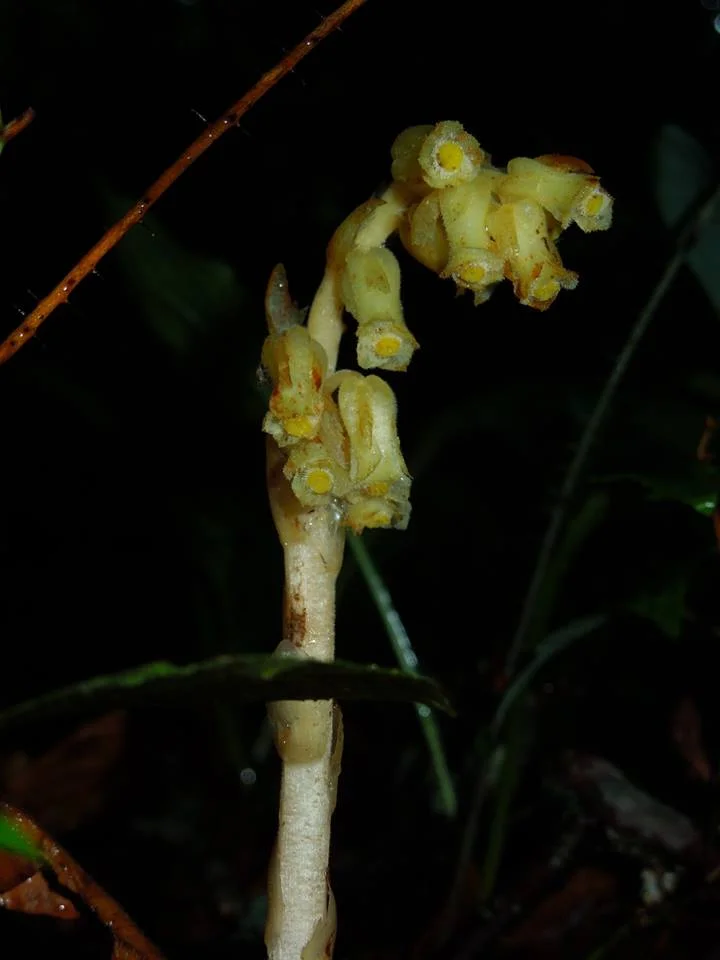
What smells like honey and parasitizes fungi? Why, Monotropa hypopitys of course! Its specific epithet gives you an idea of where you may stumble across one of these strange beauties. Hypo means under and pitys means pines. It is no wonder then that the common name of this species is "pinesap."


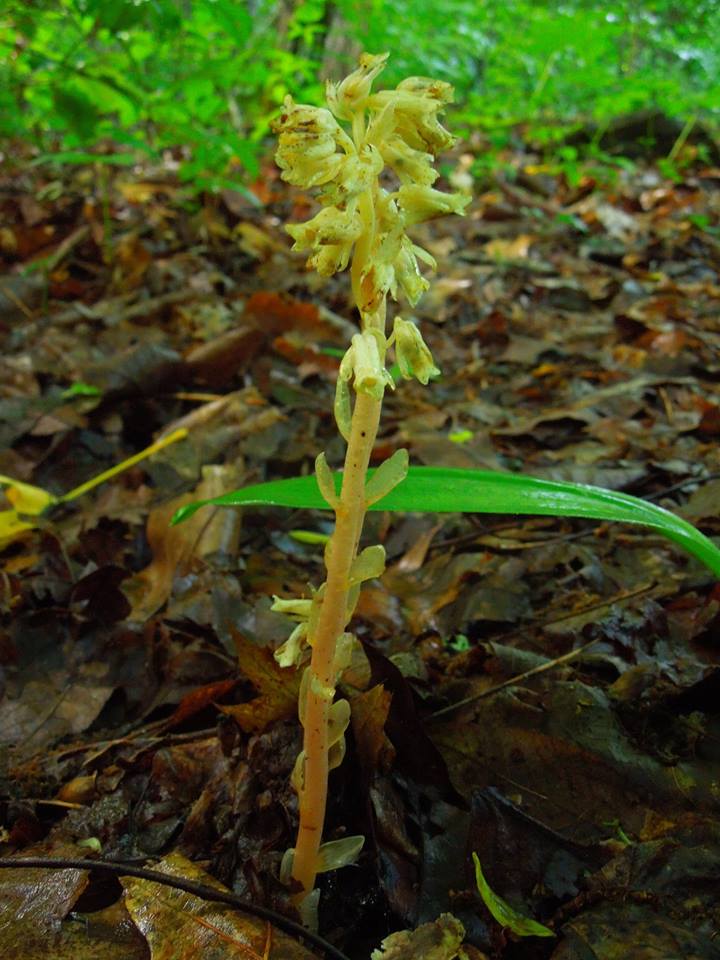
I love parasitic plants and to find this species was a real excitement. I smelled it before I saw it. The yellowish coloration of this specimen represents the norm, however, individuals with a more reddish hue are not unheard of. Pinesap has a distribution spanning the forests of the northern hemisphere. It is the most widely distributed member of the genus. Despite this fact, stumbling across a population is a relatively rare occurrence.


Pinesap falls under the category of mycoheterotroph. It parasitizes fungi, specifically those in the genus Tricholoma. As such, it is an indirect parasite of trees, taking nutrients that the fungi obtained from the trees they associate with. The relationship between pinesap and its associate fungi are rather specific. The structures they form are so unique that researchers have created a new term just to describe it - 'monotropoid’.


For most of its life, pinesap lives underground as a collection of highly specialized roots. Come early summer, individuals with enough stored energy will throw up what looks like a stem covered in flowers. In actuality, pinesap does not produce anything that could be called a true stem. Instead, the structure we see is actually an inflorescence called a raceme.


As mentioned above, the flowers have a scent that reminds me of spicy honey. Bees are the main visitors of the flowers, though most researchers feel that the plant mainly self pollinates. It has been observed that yellow individuals tend to flower earlier in the summer while red individuals tend to flower closer to fall. Whether this is any indication that these are separate subspecies remains to be seen. Recent genetic analysis suggests that pinesap may very well deserve its on genus, Hypopitys monotropa. More work needs to be done to figure out if it is deserved.

Further Reading:

http://www.fs.fed.us/wildflowers/beauty/mycotrophic/monotropa_hypopitys.shtml

American Heart's Tongue Fern

When looking for ferns, it is easy to have a specific kind of search imagine in your head. Your mind's eye is tuned into the long, lacy look of dissected fronds but there are ferns out there that will challenge you to break that mold. I have had the wonderful privilege of meeting some of these fern species this year, but there is one species in particular that has really stuck out.

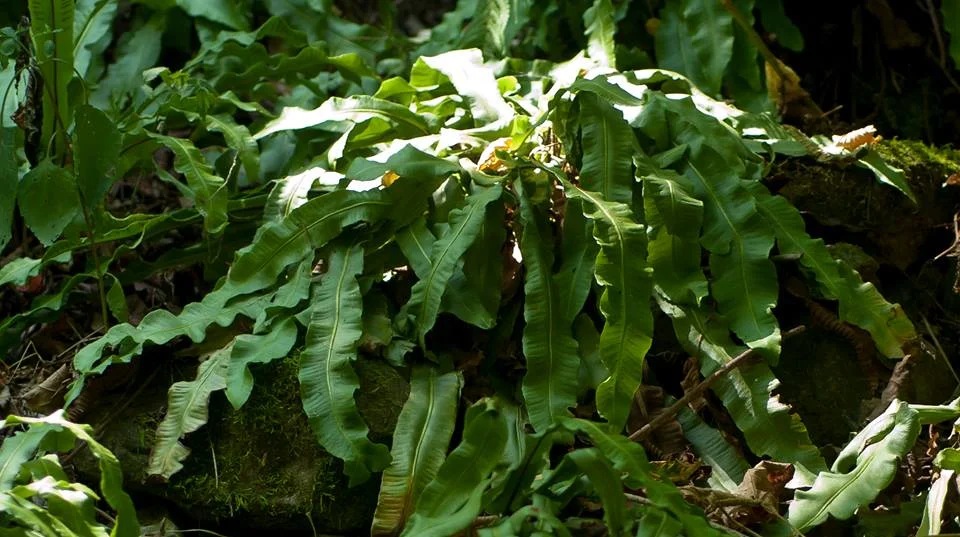
Meet the American hart's tongue fern, Asplenium scolopendrium var. americanum. The hart's tongue, as you can see, is absolutely striking. Its long, slender, uncut fronds form a disheveled rosette and the sori running along the underside make each frond look like a big, green centipede. Asplenium scolopendrium itself is a wide ranging species of fern, growing on limestone outcroppings throughout Europe but populations in North America are rather sparse and disjunct. In fact, the U.S. Fish and Wildlife Service has listed it as a threatened species. There are some morphological distinctions between the European and North American populations but the major difference is in their number of chromosomes. European hart's tongues are diploid whereas North America's are tetraploid. Because of these differences, botanists consider them distinct varieties.

Why the American variety is so rare is not fully understood, but human activities have not helped matters. Mining, logging, and development have wiped out many historic populations of these ferns. Their habitat specificity mixed with their already low numbers make for little to no range expansion for most populations. They seem to grow in close association with dolomitic limestone, which is high in magnesium. 

They also seem to rely on a specific mix of bryophyte communities, low light levels, moisture, and snow pack in order to persist. Spores that land on significant bryophyte patches seem to germinate better. Young ferns seem to perform better in mixed light levels, especially near canopy gaps. It has also been shown that snow pack is directly correlated to the vigor of each population. In years with below average snow pack, the plants seem to have trouble retaining enough moisture to survive.

This is such an incredible species of fern. To lose it would mean a serious loss for our planet. There is a good effort being put forth to protect, study, grow, and form a deeper understanding with the American hart's tongue fern. The more we learn about this species, the better we can understand what it is going to take to ensure that it persists far into the future.

Photo Credit: James Johnson (http://imgur.com/a/J1Ez5)

Further Reading:
http://www.fws.gov/northeast/nyfo/es/amhtfrecovplan.pdf

http://www.bioone.org/doi/abs/10.3159/TORREY-D-11-00054.1

http://www.fs.fed.us/

http://www.centerforplantconservation.org/

Beetleweed

One of the many aspects I love about being in the mountains is that they seem to defy time. Not in any science fiction sort of way, but more in terms of seasonality. What I mean by this is that if a plant is done flowering at the base of the mountain, there is a good chance that it is still flowering closer to the top. This ability to rewind flowering seasons has been beautifully illustrated this month by beetleweed (Galax urceolata).

This lovely plant is a member of the family Diapensiaceae. It is the only species in that genus. When I first arrived in the Southern Appalachians a couple of weeks ago, most of the plants at low altitudes were nearly done flowering. I was a bit disappointed as I had never seen this species in person before. It didn't take long before the situation was remedied. 

The first trip up a mountainside revealed that plants midway up where just reaching full bloom and plants near the top were just beginning. Going up in elevation is a fun proxy for going up in latitude. Changes in microclimates mean plants are experiencing different cycles every few hundred feet. As such, this whole month I have been able to enjoy sequential blooming of a wide variety of plants simply by hiking up.

Galax urceolata is a beautiful plant. Get up close and the beauty is replaced by a rather mousy odor. There isn't much information on what is pollinating this species but my bet is on either flies or beetles. Recently I did observe a bumblebee briefly visiting an inflorescence but whether or not this was a one off remains to be seen. It is an evergreen plant, keeping its leaves all winter. The leaves turn from green to red as they fill with anthocyanin pigments. There has been a lot of discussion over the role these pigments play in the survival of this species. Some feel it is a way of protecting against harsh light. Evidence is showing the issue to be more complex than that. Though they probably serve many functions, the main purpose of these pigments may actually be to protect the plants cellular machinery from dangerous oxygen free radicals. 

Another interesting thing about this species is that both diploid and tetraploid populations exist and there is evidence that they segregate themselves by habitat. This very well could lead to speciation, rising the species count in this genus to two. For now, treating them as a single species is fine by me. It looks like I will get to enjoy these beautiful albeit stinky blooms for the rest of my stay in the mountains. 

Further Reading:
http://link.springer.com/chapter/10.1007/978-0-387-77335-3_1#page-1

http://www.fs.fed.us/database/feis/plants/forb/galurc/all.html
http://plants.usda.gov/core/profile?symbol=gaur2

Snuffing the Fire

Photo by Peilun Hsu licensed under CC BY-NC 2.0

Photo by Peilun Hsu licensed under CC BY-NC 2.0

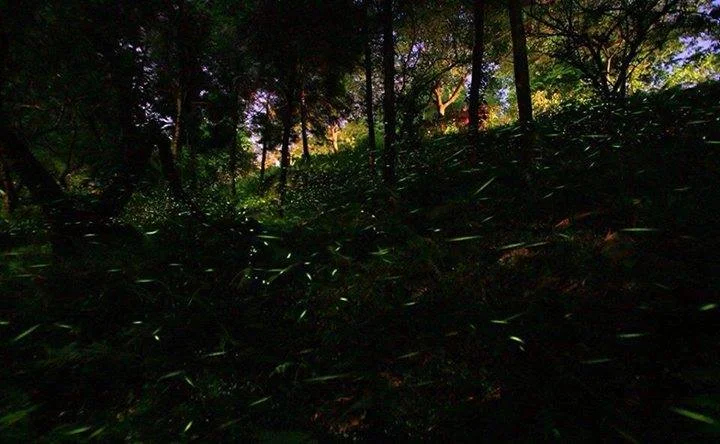
Few childhood memories are more fond to me than catching fireflies on summer evenings. These little beetles are famous the world over for their dazzling light displays. Using chemical means, they are some of the most efficient light producers ever discovered. Their displays are for the purpose of mating and there are as many variations on the theme as there are species. Sadly, like so many natural wonders that we take for granted, fireflies are disappearing from our wild places. Future generations may never know the joys of these natural fireworks. 

Exactly why we are seeing a decline in fireflies is not certain. Researchers are only just beginning to uncover the secret world of the firefly. The answer is undoubtedly complex, however, evidence is beginning to pour in that we should look no farther than ourselves for the cause.

Fireflies require a few things to get by. The first is some sort of standing water. They seem to love ponds, creeks, rivers, and vernal pools. Second is tall grass and a lot of forest litter. Their larvae live and hunt in and amongst fallen logs and plant litter. Though we aren't entirely sure what their larvae eat, they are certainly hunting things like snails, slugs, and small insects, which also require moist areas with a lot of debris. Fireflies also need taller plants like grasses. They will climb up the stems to begin their aerial light displays. Finally, fireflies need darkness. They communicate by light and any surplus light sources are likely to mess them up. 

With increasing human development, former firefly habitat is giving way to paved roads and chemical laden lawns. Mowers run endlessly during the summer, eliminating fireflies and their habitat. People are needlessly clearing land of brush piles and fallen logs, which their larvae as well as their prey need. Light pollution is only getting worse too. As with many other insects, the wanton use of insecticides are undoubtedly taking their toll as well. Areas that once harbored huge populations of fireflies are quickly becoming overrun with human traffic as new housing, commercial and other forms of development garble up what free land remains. 

At this point you may be wondering what you can do to help. If you are a land owner, please consider the following:

- Turn off outside lights at night when they aren't needed
- Let logs and other plant debris accumulate in places around your property
- Consider creating a water feature of some sort
- Avoid the use of pesticides and fertilizers on your lawns
- Plant native plants
- Don't over-mow your lawn and leave some areas un-mowed

The best part about these solutions is that they benefit so much more than just fireflies. Native wildlife will be all the better if you take these steps to making your property more ecologically friendly. We are lucky to be aware of this issue but we must take matters into our own hands. Get out there and enjoy nature and try to be a bit of steward at the same time. 

Photo Credit: Peilun Hsu (http://bit.ly/1rJkufG)

Further Reading:
http://www.firefly.org/why-are-fireflies-disappearing.html
Under the Umbrellaleaf

image.jpg

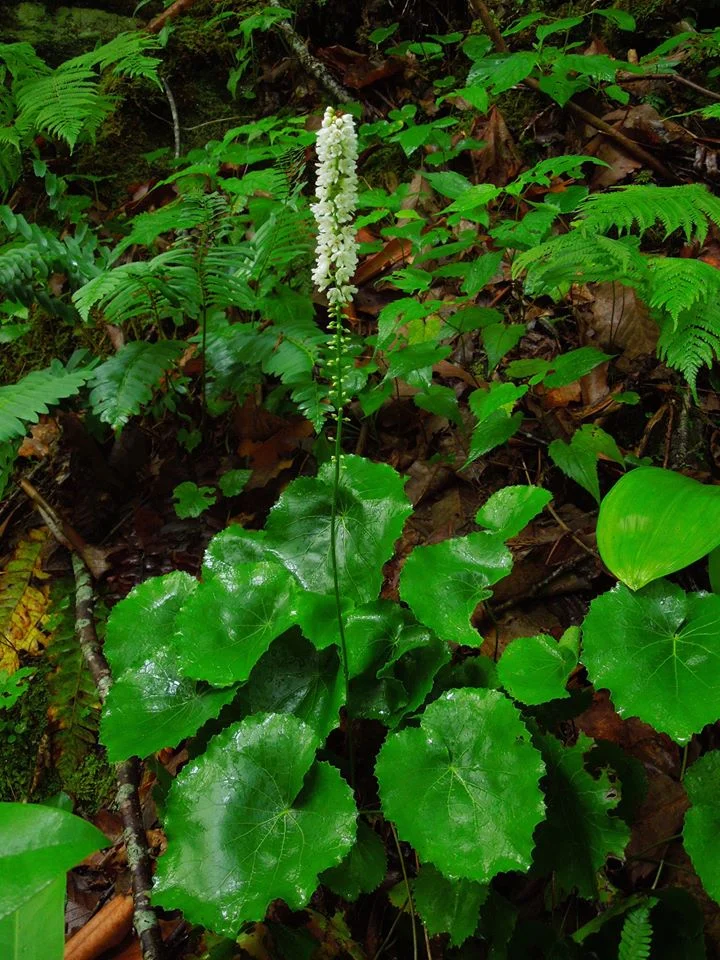
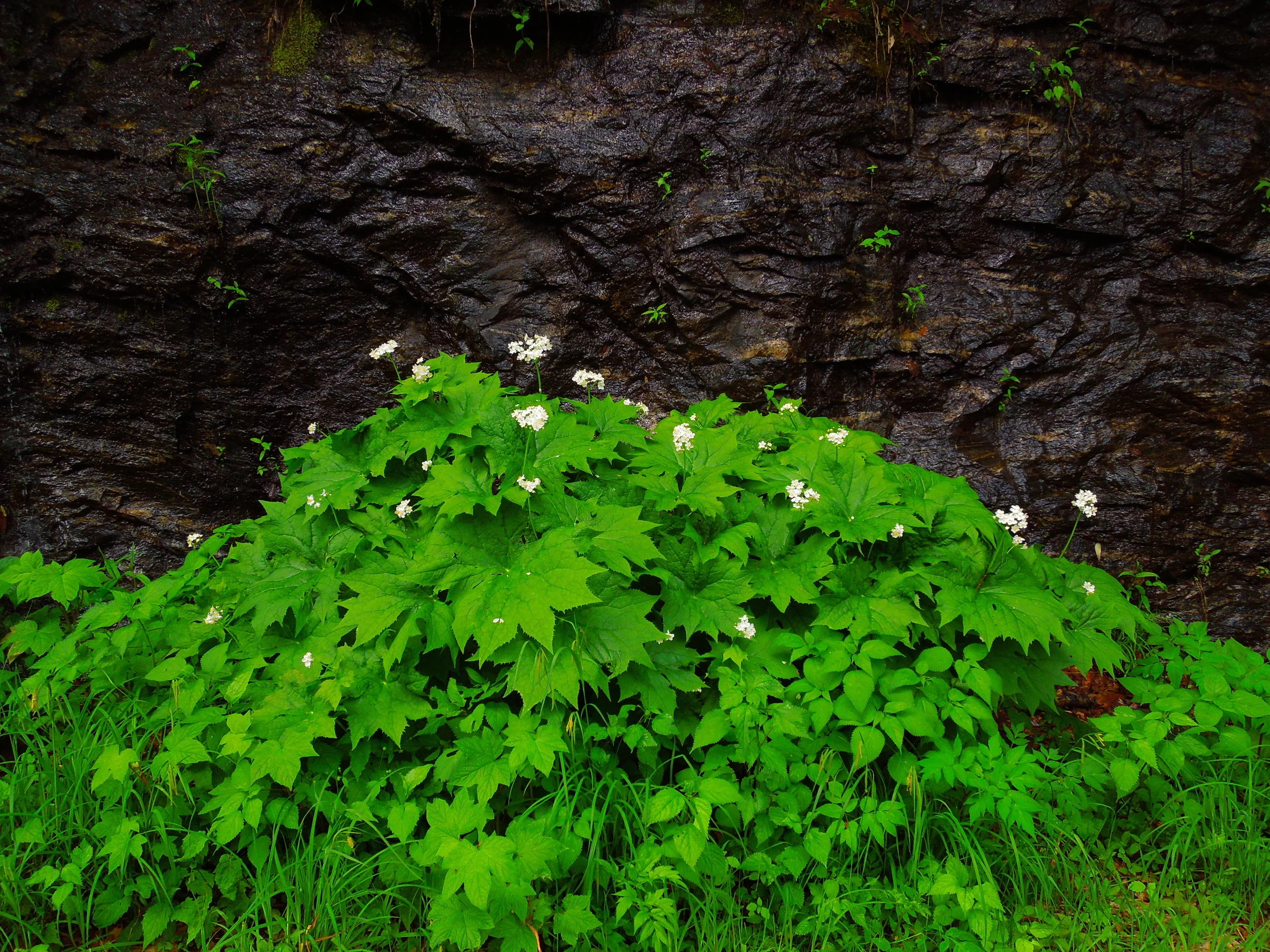
The first time I ever laid eyes on this species, I was certain there must be a mistake. What was a large Begonia doing growing on a wet seep deep in the woods somewhere in the Southern Appalachians. Surely something very strange was going on in this spot. After a few minutes of observation though, I realized my initial assumption wasn't correct. This wasn't an escaped species of Begonia. Instead, what my field guide revealed was that this gorgeous plant is actually a wonderful southeastern native called Diphylleia cymosa.

Known commonly as "umbrellaleaf," D. cymosa is a member of the family Berberidaceae and is a distant cousin of the more widely spread mayapple. North America has only one species of Diphylleia as does Japan (D. grayi) and China (D. sinensis). Phylogenetic evidence hints at a time in which North America and Asia were connected and shared much of their respective flora. Tectonic movements have since isolated these once connected populations, allowing ample time for the speciation that led to the species we know and love today. North America's species (D. cymosa) is found only in wet areas of the Appalachian Mountains.

Photo by Owen and Aki licensed under CC BY-NC-ND 2.0

Photo by Owen and Aki licensed under CC BY-NC-ND 2.0

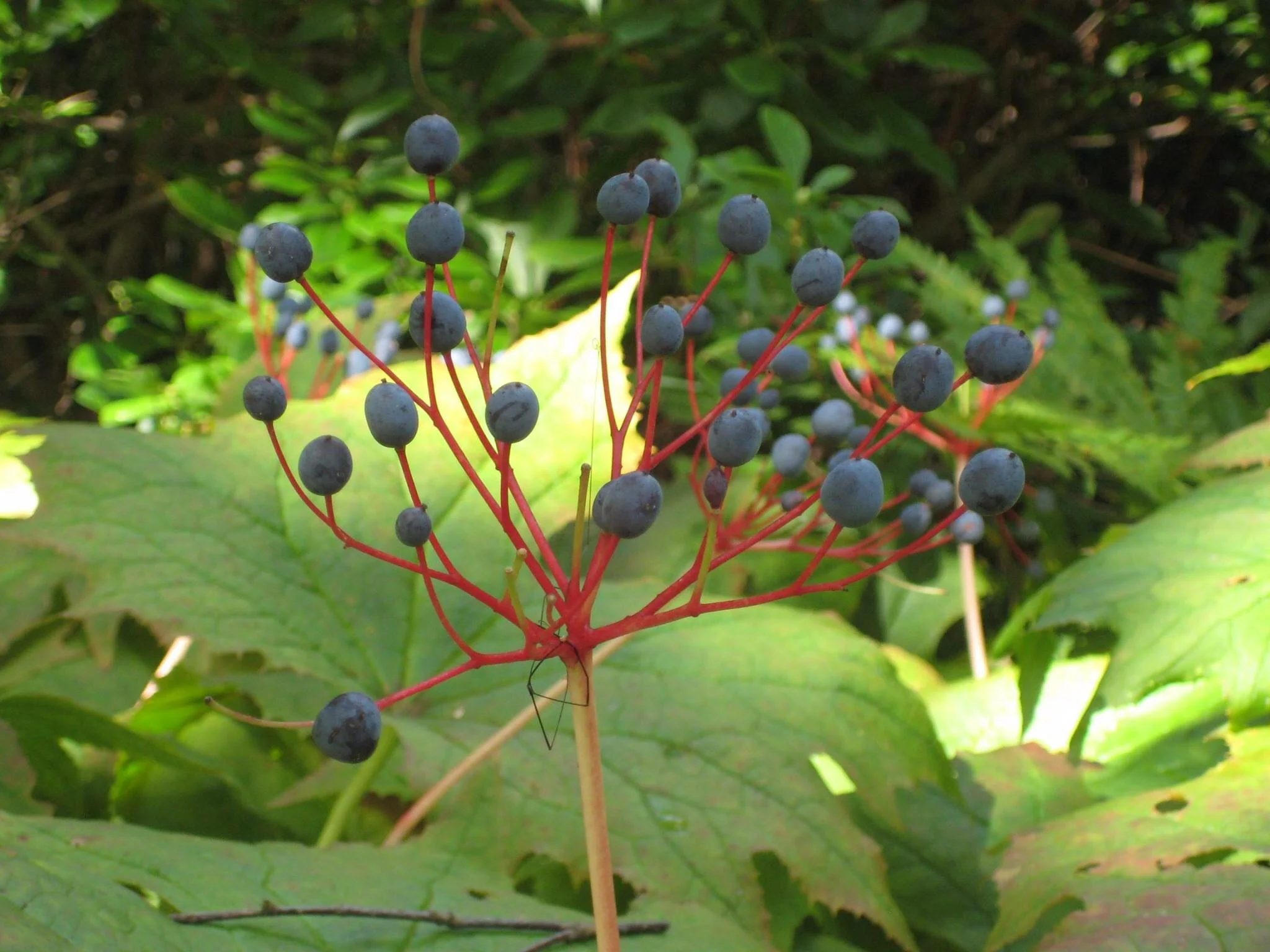
As the generic name "Diphylleia" suggests, each individual plant produces two large, umbrella-like leaves. Arising from the middle of these leaves is a cluster or "cyme" of beautiful white flowers. After pollination, the cyme gives way to a cluster of berries, which gradually turn a deep shade of blue. The pedicels themselves turn a deep shade of red. All of this creates a beautiful fruit display aimed at attracting woodland birds, D. cymosa's main seed dispersers. 

Photo Credit: Owen and Aki (http://bit.ly/1gjC2w4) and Emma Harrower (http://bit.ly/1S34aiJ)

Further Reading:

http://plants.usda.gov/core/profile?symbol=DICY2

http://ejournal.sinica.edu.tw/bbas/content/2002/2/bot432-08.html
http://www.researchgate.net/profile/Yang_Liu44/publication/232687031_Phylogenetic_and_Biogeographic_Diversification_of_Berberidaceae_in_the_Northern_Hemisphere/links/0c960521f8b6436444000000.pdf

"The Mountains Are Calling and I Must Go..." - John Muir

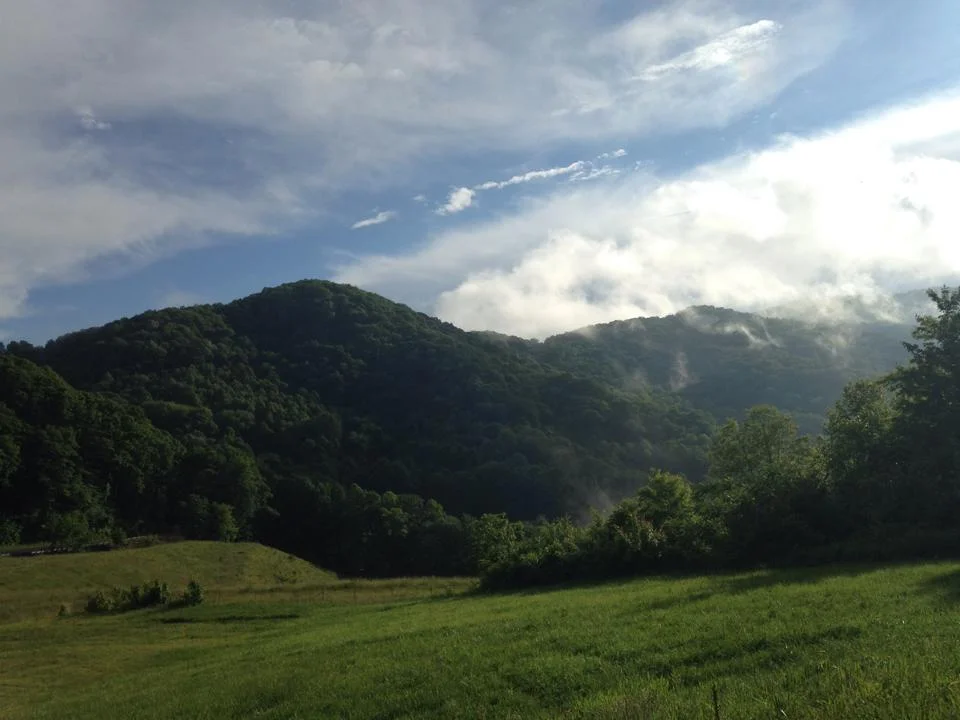
I find myself thinking the same thing as I drive to work every morning - "Screw you, North Carolina! How dare you be so beautiful?" I say this with love of course. I mean it too. My daily commute takes me through the Cowee Mountains, which represent only the tiniest fraction of the giant fold in the continent that we collectively refer to as the "Appalachian Mountains." Driving between these forested peaks, it feels as if time stands still. They are a stark and constant reminder of just how small and insignificant our time on this planet really is. 

What so few realize is that these mountains are some of the oldest on Earth. They are the collective result of some serious geology. Between 325 million and 260 million years ago, Africa slammed into North America (though it wasn't the continent we know today) causing massive upheaval of the crust. This was also the birth of the super-continent Pangea. The resulting upheaval produced a mountain chain similar in size to the present day Himalayas (think Mt. Everest). They have been steadily eroding ever since. 

Today, the highest peaks reach somewhere in the 6,000 feet (1,800 m) range. Despite this reduction in size, the Appalachian Mountains have nonetheless been a major driver in the ecology of eastern North America. They have served as refugia for species escaping glaciation, they act as corridors for migration, and they even produce their own climate. They may not be the snow capped mountains of the American West but they have a uniqueness all their own. There aren't many places in this world in which one can explore broadleaf deciduous forests at elevation. If I could end up here I think I would die a happy man. For now, I am spending every free moment absorbing the beauty and splendor of this place. It is going to be hard to leave...

Heading South

I never much considered southern North America as a place I would enjoy. Born and raised in the north, I always assumed that anywhere below Pennsylvania would be too hot and sticky for me. A brief trip to Great Smoky Mountains National Park changed all of that. I fell head over heals for the forests of this region. Species I had only read about or perhaps stumbled across once or twice up home were now surrounding me, bursting forth with a profusion unlike anything I had ever seen before. There is something special about this region. The trip ended seemingly as soon as it began but I was hooked. 

Fast forward a few more years. When I found out that I would be pursuing a  PhD in Illinois, I was both excited and apprehensive. A career goal I set for myself back in the early days of high school was finally set in motion. This was reason to celebrate. Yet, leaving behind any form of topography for the ironed out landscape of the American midwest seemed a bit nerve racking. However, my nerves were quickly assuaged after finding out that my research was going to be based in the southern Appalachian Mountains. It was back to the forested peaks for me!

On June 2nd, 2015, I said goodbye to Buffalo and headed south. The purpose of this trip was to get a feel for where I would be working and hopefully inspire me into generating some hypotheses. Needless to say I was ecstatic about spending a month in the mountains. At the point of writing this, I am now 5 days into this journey and it is safe to say that I am completely transfixed with these mountains.

On the surface, this is not hard to imagine. A combination of topography, climate, and lots of history support some of the most diverse plant communities on the entire continent. This place is bursting at the seams with life. Every morning I awake to a cacophony of birdsong. I listen intently to songs whose  identity escapes me. As I sit out on the deck, sucking down the coffee that will fuel me during the morning plant surveys, I look out into a rich Appalachian cove forest. Up on the deck I stand about midway in the canopy staring down ancient oaks, magnolias, maples, and even the occasional holly. The birds are busy harvesting this year's crop of caterpillars to feed their rapidly growing chicks. This world is alive. 

To earn my keep, I am assisting in some plant surveys. My mentor and friend Dr. Robert Warren has set up experimental plots along north and south facing slopes and my friend Lauren and I are tasked with identifying everything growing within them. I couldn't ask for a better gig. It is going to be a great month. In my down time I plant to explore as much of this place as possible. Not a minute will go to waste. The icing on the cake is that I am surrounded by like minded ecologists in training. Everyone down here has their own speciality, their own questions, and their own passions that drive them to do what they do. Nowhere have I felt more at home. 


Blowout Penstemon

Photo by Vernon Jenewein Vljenewein Public domain

Photo by Vernon Jenewein Vljenewein Public domain

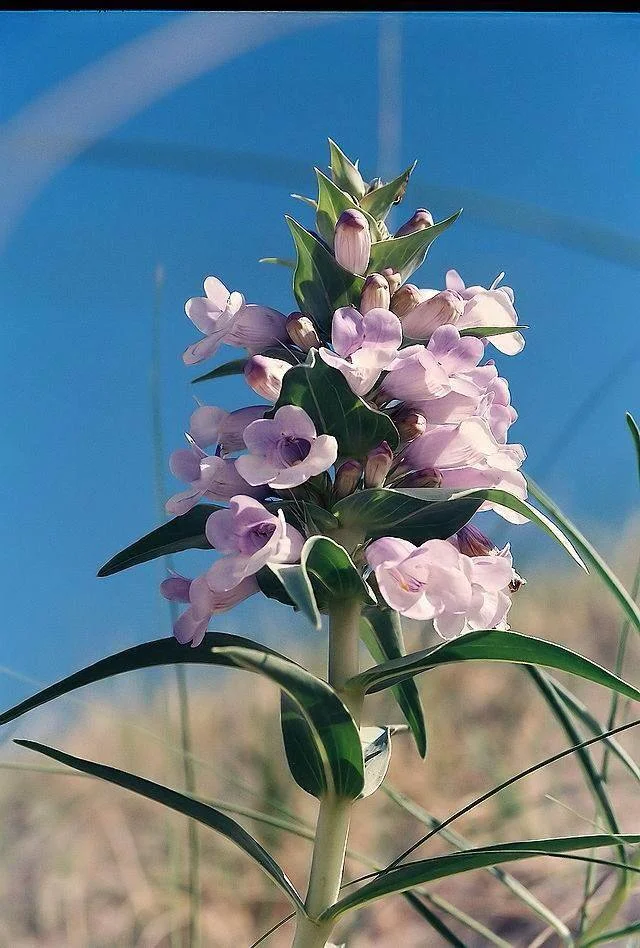
While living and working in Wyoming, I had the chance to meet so many amazing plant species. Many of these were quite unique to the high desert environments where we were assigned. Countless hours were spent searching large swaths of land rarely visited by humans. One species of plant managed to elude me during my time in that beautiful part of the country. The plant is incredibly rare and thus a focus of federal protection and restoration efforts. 

Based on first impressions, blowout penstemon (Penstemon haydenii) may look like any other penstemon. The similarities stop there and indeed, this is one of the most unique species of penstemon I have ever heard of. Originally it was only known from a few locations in the Sand Hills of Nebraska. Recently, a few populations were discovered in Wyoming but it is by no means common. 

As its common name suggests, P. haydenii is a specialist of blowouts. These depressions in the sand are caused by blustering winds that carve out and remove all vegetation. Most plants cannot survive in these conditions. There is very little water, the sands are constantly shifting, and as the wind kicks up sand at high speeds, the abrasive force can actually cut down frail vegetation. This is where P. haydenii excels. 

It has a thick, waxy cuticle covering its stem and leaves that protect it from this sandblasting effect as well as drought. The seeds of these species are dispersed by wind and have extreme longevity in the soil. They can remain dormant for decades until the right conditions are present for them to germinate. P. haydenii seeds need at least 2 weeks of steady moisture and lots of abrasion from sand in order to break dormancy. Research has shown that these conditions are only ever present one out of every 8 to 10 years. As a result, P. haydenii has a debilitatingly small recruitment window. 

This rarity has placed it on the endangered species list. Ironically, the very regulations that were put into place to control range degradation by cattle ranchers may have caused serious declines in this species. It was once common practice to over-graze the land where P. haydenii is found and as a result, vegetation became sparse. This increased the likelihood of blowout formation, which favored P. haydenii. Fire suppression is another threat. Regular fires help kill back vegetation that would otherwise outcompete P. haydenii

With droughts on the increase and human activities expanding into areas where the few remaining populations of P. haydenii occur, the future of this strange little endemic is uncertain. There has been a lot of effort to save and restore this species numbers but it is by no means the end of the story. Only time will tell...

Photo Credit: Vernon Jenewein Vljenewein

Further Reading:
http://plants.usda.gov/core/profile?symbol=peha12

http://ecos.fws.gov/speciesProfile/profile/speciesProfile.action?spcode=Q2EX

Ubiquitous Bracken

Photo by certified su licensed under CC BY 2.0

Photo by certified su licensed under CC BY 2.0

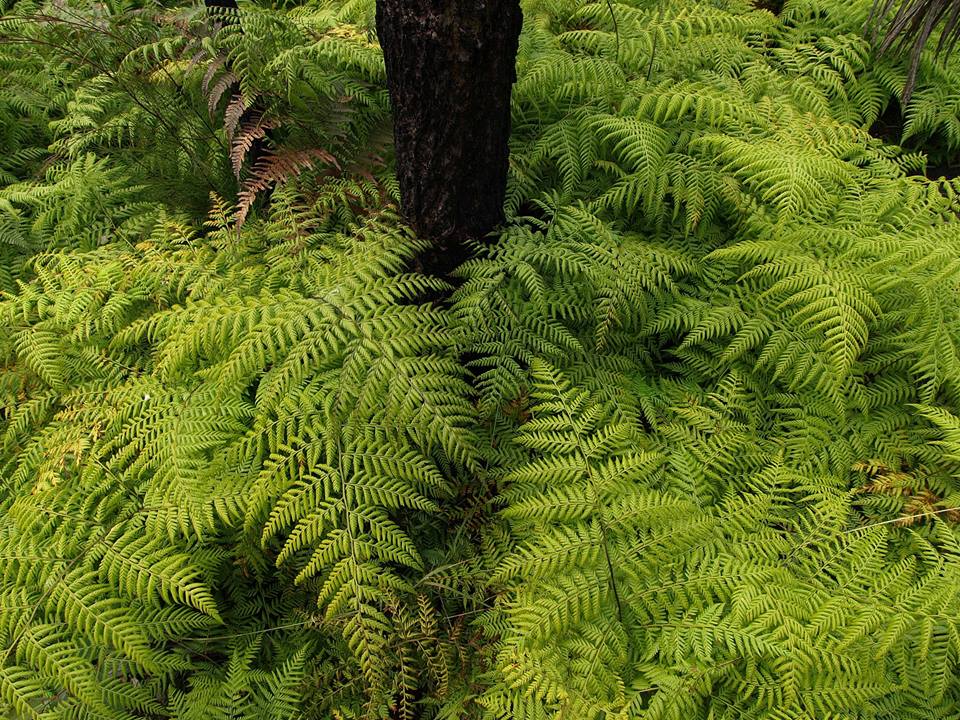
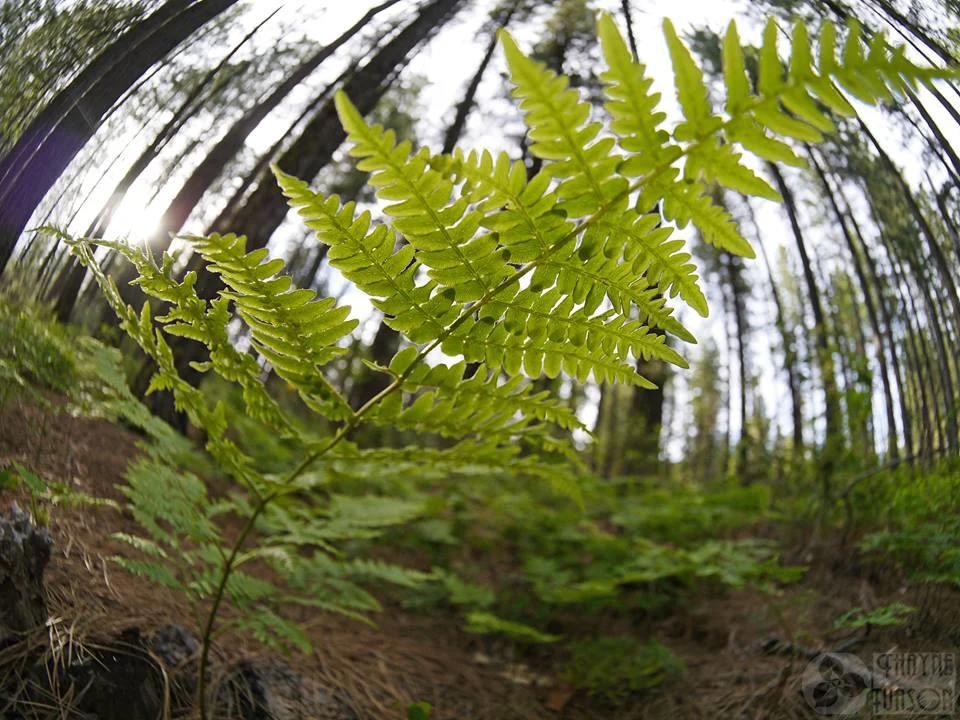
Bracken ferns are a true success story if there ever was one. They occur in temperate and subtropical regions of every continent on the planet except for Antarctica. They very well may be one of the most widely distributed ferns on the planet. In late spring, their unmistakable fiddle heads poke up out of the soil like some sort of alien life-form and quickly unfurl into a giant, beautiful frond.

Known scientifically as Pteridium aquilinum, some authors treat all common bracken fern as a single species. Others feel that the group should be broken up into something like 10 different species. That will be a debate for another day. The fact of the matter is, bracken are very robust plants. As long as they can get enough light, bracken can handle a wide variety of habitat conditions. They thrive on human disturbance and thus are considered rather weedy or even invasive in many habitats.

With ambling rhizomes these plants can rapidly spread to saturate open habitats. Large populations are often referred to as bracken barrens. Their establishment and persistence is aided by the production of allelopathic chemicals, which can limit the establishment of other plants. This is especially true following fires. However, where forests are sparse, dense stands of bracken can actually provide a shaded haven for woodland herbs that would otherwise not be able to establish.

Photo by Thayne Tuason licensed under CC BY-NC 2.0

Photo by Thayne Tuason licensed under CC BY-NC 2.0

Bracken is not only toxic to plants, it is also highly toxic to animals. Bracken produces hydrogen cyanide when young fronds are damaged, quickly poisoning whatever may be munching on the frond. It also contains chemicals that cause uncontrollable rapid molting in insects, leading to a quick demise for any bug unlucky to have fed upon this fern. They also produce a chemcial known as ptaquiloside, which is highly carcinogenic in mammals.

With ample defenses and a hardy disposition, it is easy to see why these ferns are so successful. Coming across a large patch of these plants is, to me, a beautiful sight. It is the ultimate irony that we continue to create the very conditions that cause them rise to invasive status. If anything, they stand as a reminder that we humans are simply part of a greater ecological system, not masters of it.

Photo Credits: Thayne Tuason (http://bit.ly/1JVvfBz) and certified su (http://bit.ly/1FpIYRF)

Further Reading: [1] [2] [3]

Mayapple

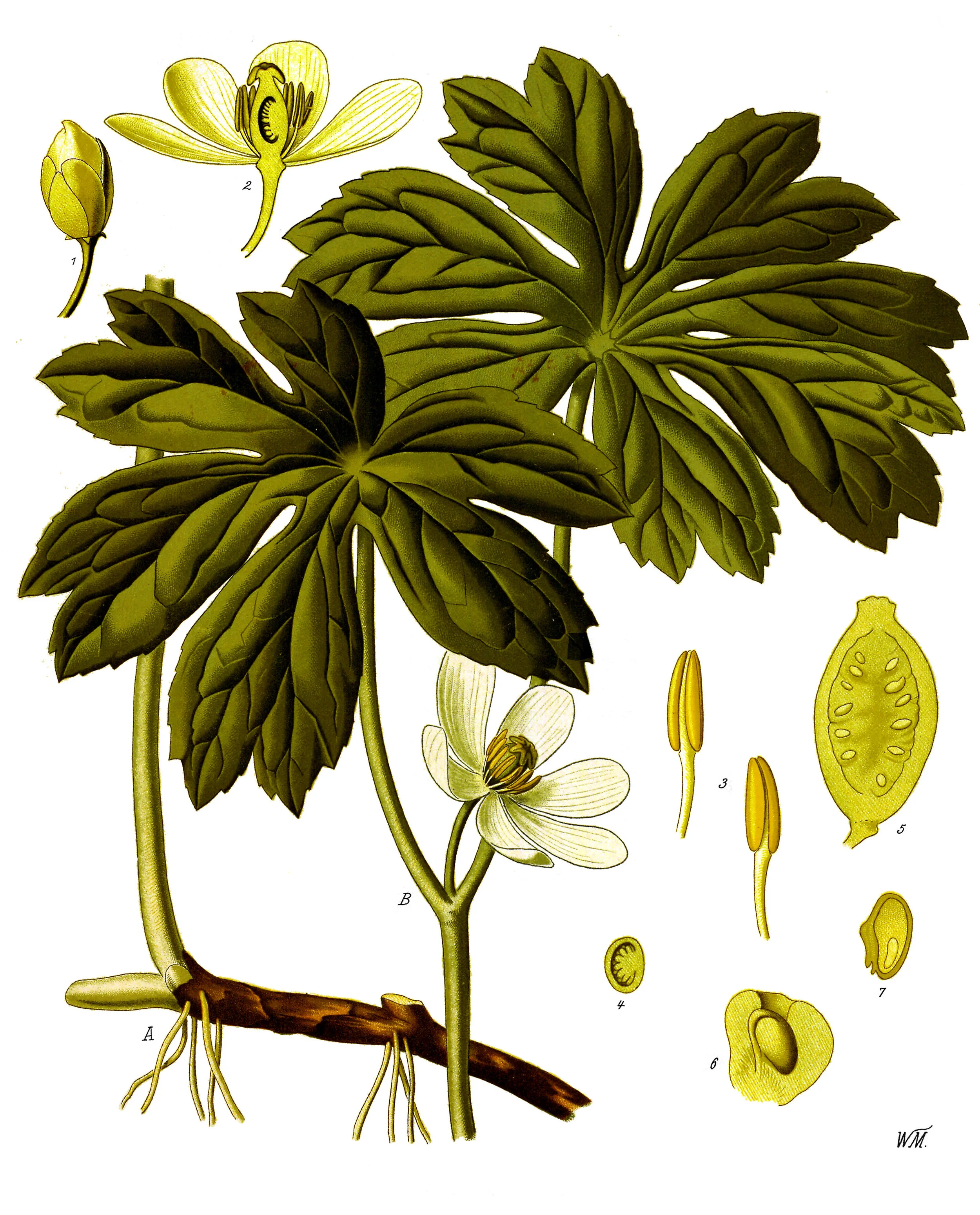
All across eastern North America, one of my all time favorite wildflowers is coming into bloom. Looking like some sort of strange, tropical umbrella, mayapple (Podophyllum peltatum) is more easily recognizable by its overall appearance than its flowers. However, bend down and take a look under any plant with two leaves and you will be rewarded by one heck of a bloom. 

At home in the family Berberidaceae, the genus Podophyllum is predominantly Asian. Mayapple is the only species within this genus found anywhere else in the world. Mayapples exhibit two forms of reproduction, rhizomatous and sexual. When you see a great big stand of mayapple in the forest, there is a good chance they are all genetically identical. The rhizomes spread out underground, throwing up new plants as they go. This method of asexual reproduction has interesting implications for how this plant reproduces sexually. 

Podophyllum_peltatum_-_Köhler–s_Medizinal-Pflanzen-246.jpg

Mayapples will not self-pollinate. They need to cross with a genetically different individual for proper seed set. This can be troublesome in that mayapple flowers do not produce nectar and bees quickly become savvy to this and are less likely to visit multiple different patches of flowering mayapples consecutively. This is where neighboring flowers come into play. Research has shown that mayapples patches growing near flowering plants that do offer rewards to pollinators are significantly more likely to be pollinated themselves. Apparently bees aren’t as dissuaded by mayapples ruse when there are plenty of other meals to be had.

For mayapples, flowering brings with it an additional set of challenges. It takes a lot of energy to produce flowers, fruits, and seeds. Research has also demonstrated that flowering and fruit production in mayapples significantly decreases the chances of flowering in the future and significantly increases the likelihood of the plants demise. Still, enough plants survive long enough to flower multiple times throughout their life. 

Photo by Nicholas A. Tonelli licensed under CC BY 2.0

Photo by Nicholas A. Tonelli licensed under CC BY 2.0

Mayapples, as the common name suggests, produce rather large fruit that turns a bright yellow when ripe. This is the only time in which consuming a piece of mayapple is safe as this species is highly toxic. This does not seem to deter other animals though. In my experience, fruits are short lived on the plant, quickly being gobbled up by raccoons and the like. The most interesting aspect of mayapple ecology to me is that, in at least part of its range, mayapple relies on box turtles as their main seed dispersers. Box turtles relish the fruit and seeds passing through the gut of the turtle are much more likely to germinate. All in all this is a familiar friend that never disappoints. If you are lucky enough to live where mayapples are native, get outside and experience a mayapple bloom for yourself. You will be very glad that you did!

Photo Credits: [2] [3]

Further Reading: [1] [2] [3] [4] [5]

The Arisaema Complex

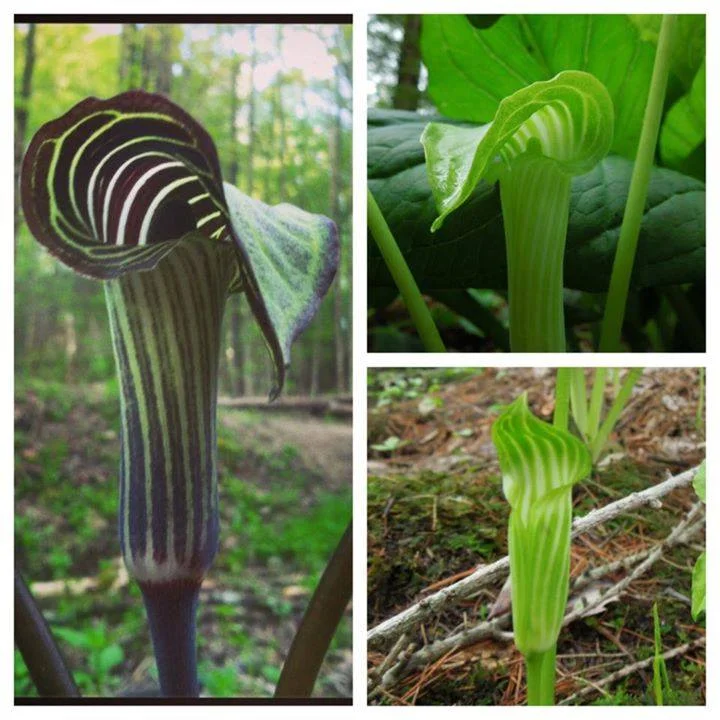
If you live in the east, Jack-in-the-pulpit or Arisaema triphyllum, is most likely an unmistakable part of late spring. Being a member of the arum family, the bracts of the plant form a tube and hood over the spadix and flowers. This is a highly variable species, in fact, there are at least 4 recognized subspecies that make up the Arisaema complex, A. triphyllum ssp. pusillum, A. triphyllum ssp. quinatum, A. triphyllum ssp. stewardsonii, and A. triphyllum ssp. triphyllum.

Interestingly enough, each subspecies seems to be reproductively isolated from the others. Each also seems to prefer its own habitat. For instance, triphyllum, a denizen of rich woods, blooms after the last frosts while stewardsonii, a denizen of swamps and bogs, blooms a few weeks later. Another interesting aspect of this complex is that pusillum and stweardsonii are both diploid plants, having 28 sets of chromosomes each, whereas triphyllum, our most common subspecies, is believed to be a hybrid of the two and is tetraploid and thus has 56 sets of chromosomes. Some would argue that these plants should be treated as distinct species since the characteristics that designate each subspecies seem rather specific but all across their range, there are many plants that seem to blur the lines. This is a debate that is only going to be solved by more accurate DNA analysis. However, nature doesn't seem to be reading any science texts and therefore rarely falls into our neat, clear-cut mindsets.

Being an arum, this species does produce some heat as well as an odor. The flowers produce a smell reminiscent of mushrooms and indeed, this is to attract their main pollinators, fungus gnats. Next time you come across a blooming Jack-in-the-pulpit, get down and take a whiff. It isn't necessarily good or bad but either way it is an experience. This species is gaining some traction in the gardening community as well due to its ease of care and unique appearance. It is also easy to establish from seed, however, make sure to wear gloves and avoid any skin contact while de-fleshing the seeds because being that it is a member of the arum family, this species produces calcium oxalate crystals that can cause severe burning.

Further Reading:
http://www.efloras.org/florataxon.aspx?flora_id=1&taxon_id=222000013

http://www.theprimrosepath.com/Featured_Plants/Arisaema_triphyllum/triphyllumcomplex.htm

http://plants.usda.gov/java/profile?symbol=ARTR

http://www.amjbot.org/content/90/12/1729.full.pdf+html?sid=5babeddb-908d-4782-a866-6e0938b93580

http://www.amjbot.org/content/91/6/881.full.pdf+html?sid=5babeddb-908d-4782-a866-6e0938b93580

Ancient Equisetum

Photo by Christian Ostrosky licensed under CC BY-NC-ND 2.0

Photo by Christian Ostrosky licensed under CC BY-NC-ND 2.0

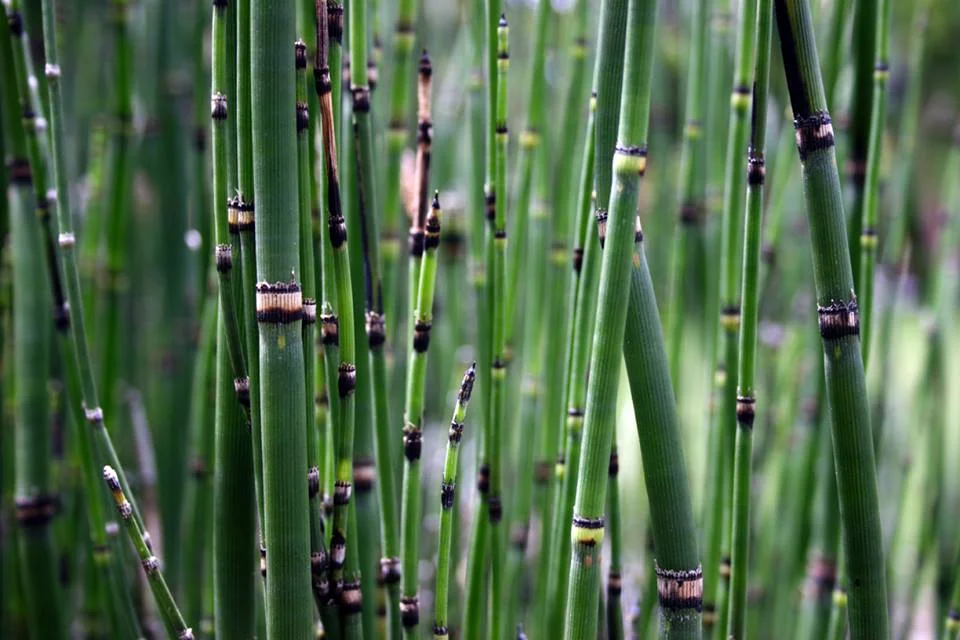
Whenever you cross paths with an Equisetum, you are looking at a member of the sole surviving genus of a once great lineage. The horsetails, as they are commonly called, hit their peak during the Devonian Era, some 350 + million years ago. Back then, they comprised a considerable portion of those early forests. Much of the world's coal deposits are derived from these plants.

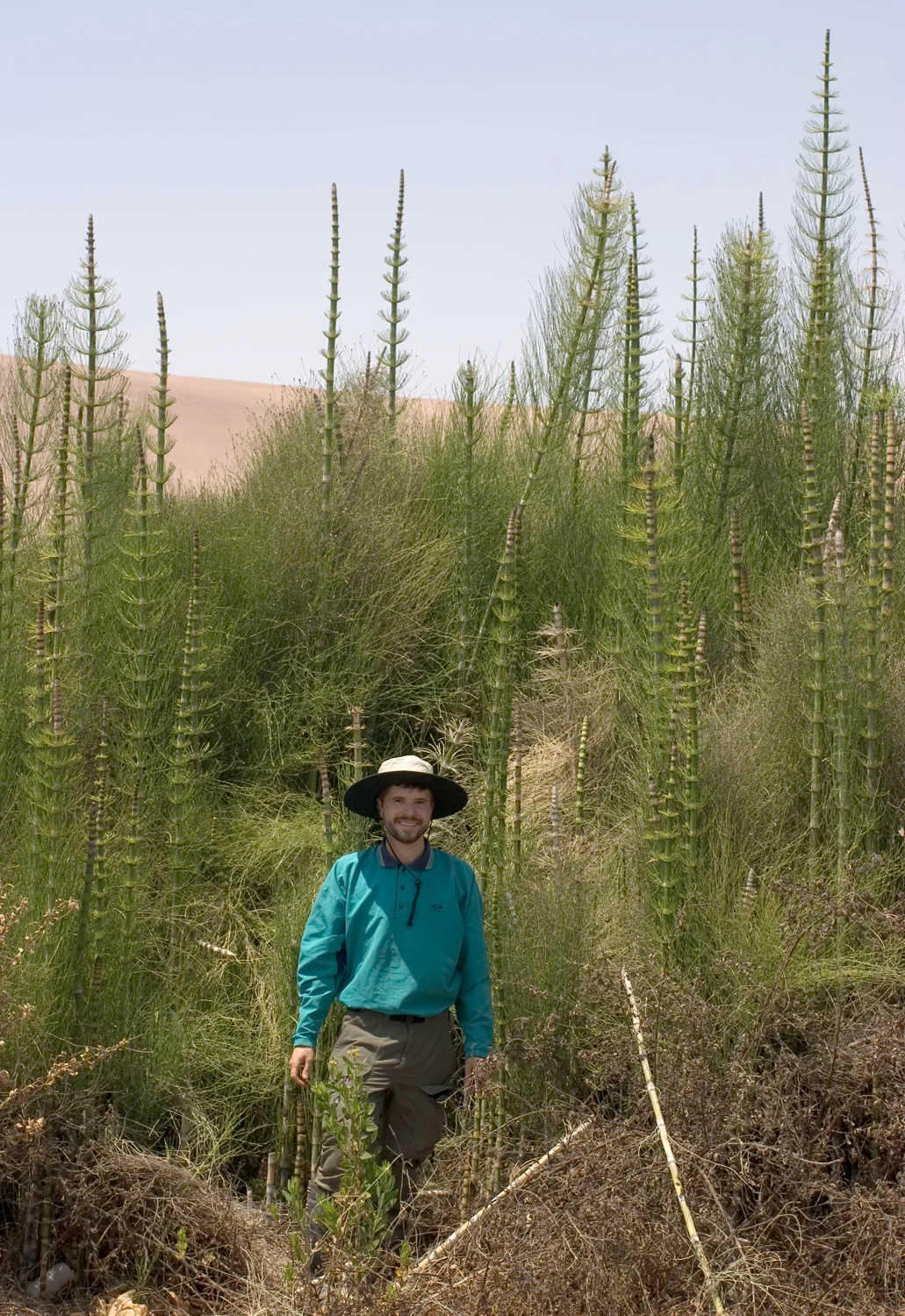
The horsetails once towered over the landscape, reaching heights of 30 meters or more. Today, however, they have been reduced to mostly small, lanky plants. The tallest of the extant horestails are the giant horsetail (Equisetum giganteum) and the Mexican giant horsetail (Equisetum myriochaetum) of Central and South America. These two species are known to reach heights of 16 ft. (4 m.) and 24 ft. (7 m.) respectively. Certainly an impressive site to see.

Equisetum giganteum (Chad Husby for scale.) Photo by Chad Husby licensed under CC BY-NC-ND 2.0

Equisetum giganteum (Chad Husby for scale.) Photo by Chad Husby licensed under CC BY-NC-ND 2.0

As a genus, Equisetum is composed of somewhere around 20 species, with many instances of hybridization known to occur. Most species tend to frequent wet areas, though dry, nutrient poor soils seem to suit some species just fine. The horsetails are known for their biomineralisation of silica, earning some the common name of "scouring rush." Settlers used to use these plants to clean their pots and pans. However, this is certainly not why this trait evolved. It is likely that the silicates have something to do with structural support as well as physical protection against pathogens. More work needs to be done looking at the benefits rather than the mechanisms involved.

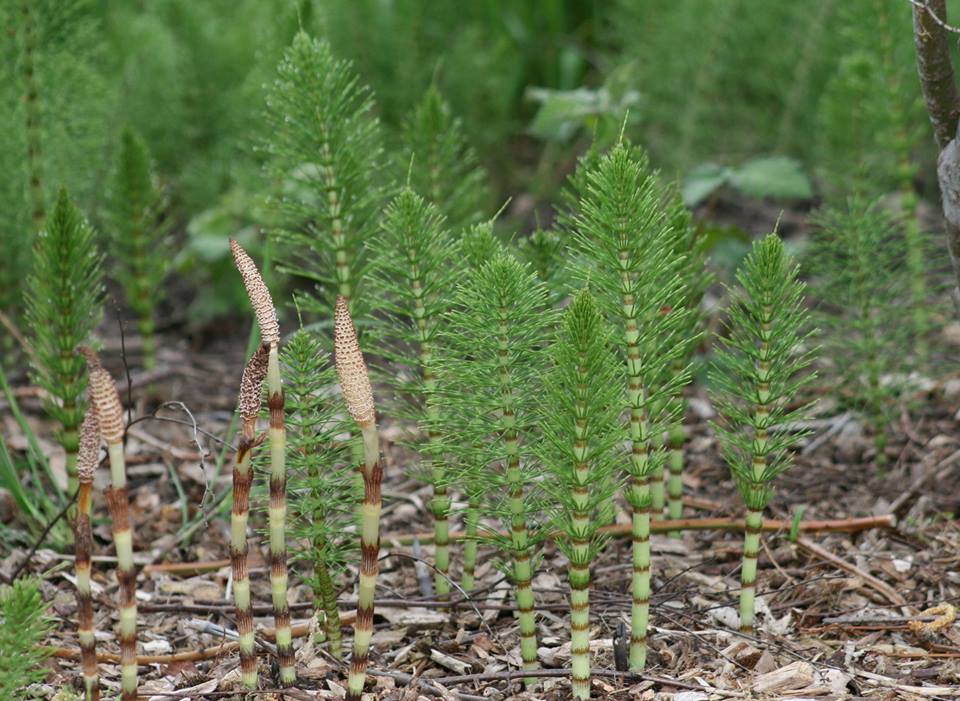
Though they are not ferns, horsetails are frequently referred to as "fern allies." This is due to the fact that, like ferns, horsetails are not seed plants. Instead, they produce spores and exhibit a distinct alternation of generations between the small, gamete-producing gametophyte and the tall spore-producing sporophyte. Spores are produced from a cone-like structure at the top of the stem called a stobilus. This may be attached to the photosynthetic stem or it can arise as its own non-photosynthetic stem. Either way it is an interesting structure to encounter and well worth studying under some form of magnification.

Despite their diminutive appearance, many horsetails are quite hardy and thrive in human disturbance. For this reason, horsetails such as E. hyemale and E. arvense have come to be considered aggressive invasive species in many areas. They thrive in nutrient poor soils and their deep, wide-ranging rhizomes can make control difficult to impossible. There is something to be said for these little plants. Love them or hate them, they have stood the test of time. They were some of the first plants on land and it is likely that some will be here to stay, even if we go the way of the Devonian forests.

Photo by born1945 licensed under CC BY 2.0

Photo by born1945 licensed under CC BY 2.0

Photo Credits: [1] [2] [3] [4]

Further Reading: [1] [2] [3]

Toothworts

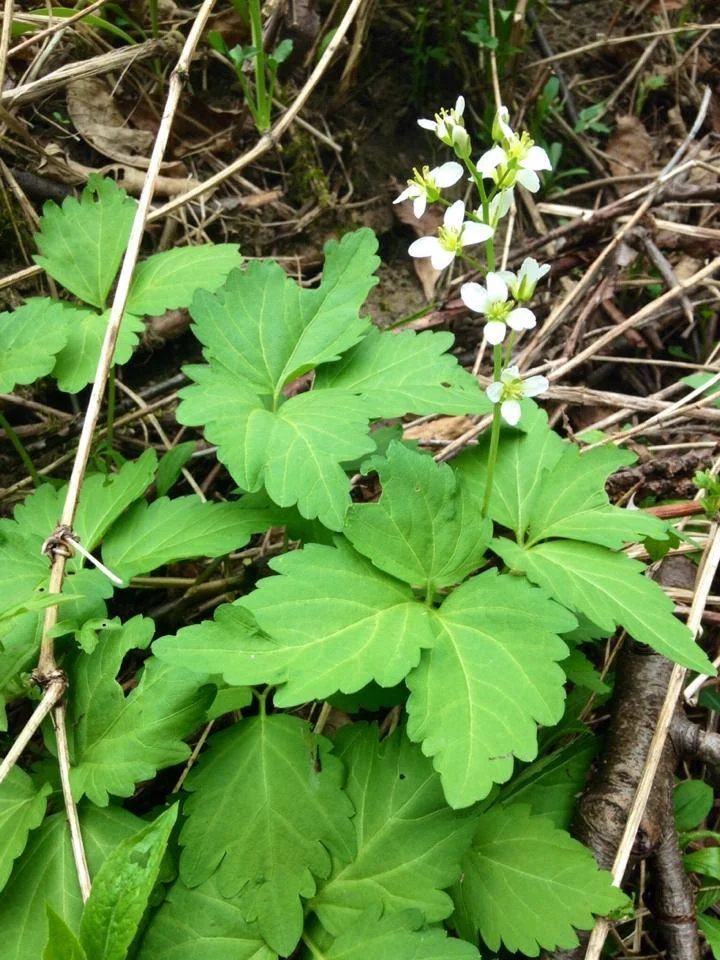
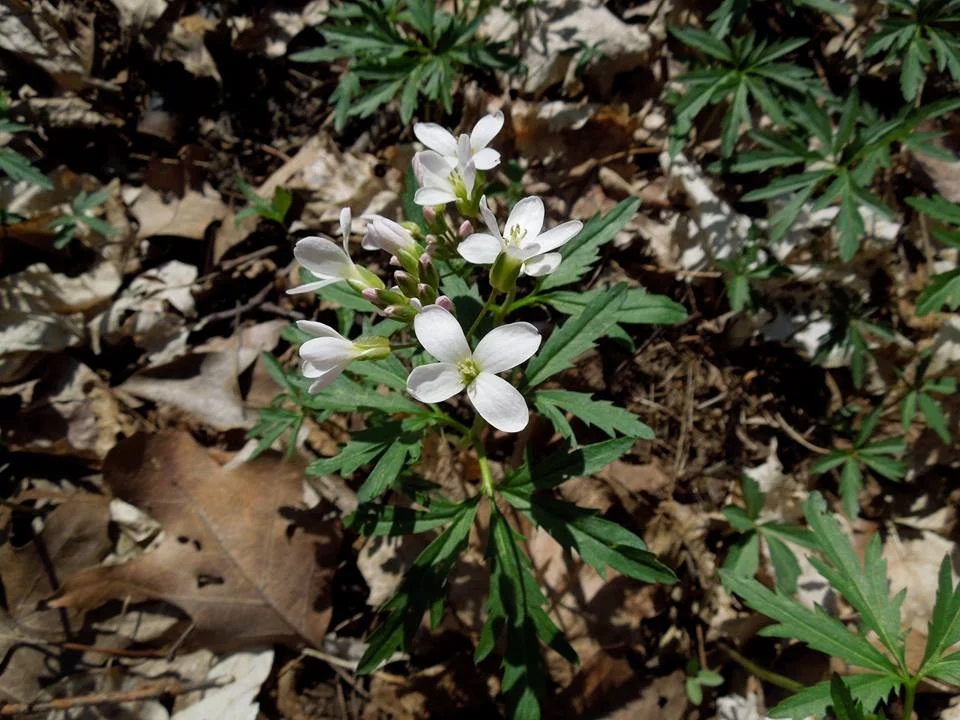
North America's native toothworts are something worth celebrating. These wonderful little mustards burst into bloom each spring all over moist deciduous forests, putting on a show that lasts only a few weeks. By mid June these little plants are just about ready for dormancy. Coming across a patch of any toothwort species is always a joy, especially after a long winter.

The toothworts were once placed in the genus Dentaria but are now residing in the genus Cardamine. With their four-petaled flowers and long, slender siliques they are unmistakable as members of the mustard family. Probably the most familiar species to most would be the cutleaf toothwort, Cardamine concatenata. Finding it is a good indication that the land has not been too heavily disturbed. It is one of the first species to disappear after heavy human disturbance.

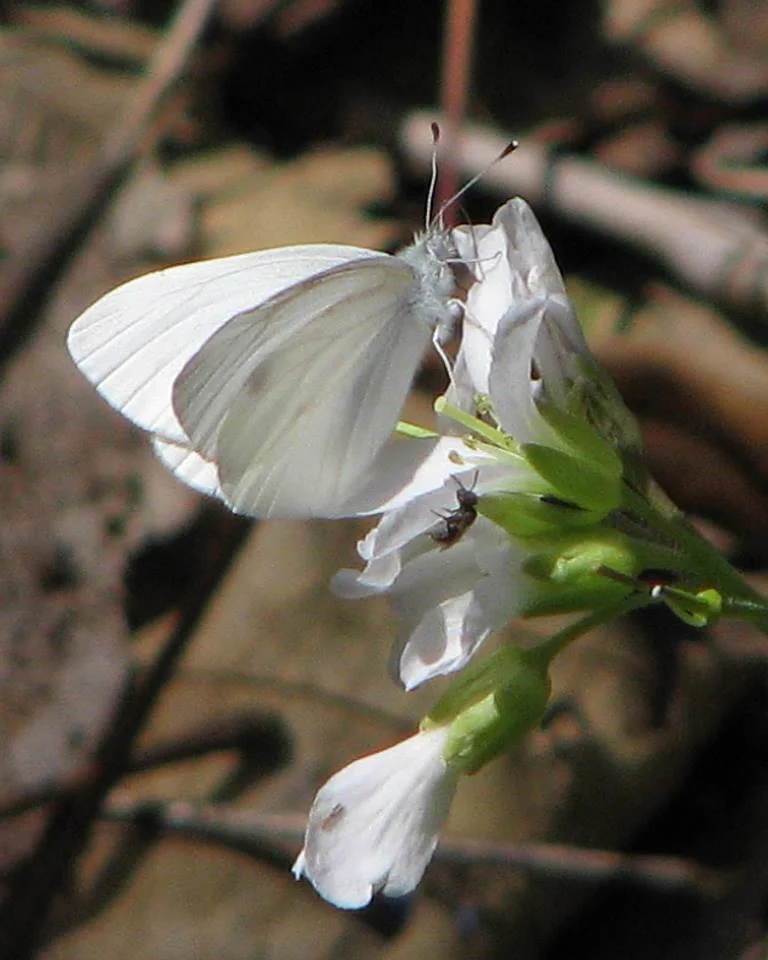
There are a handful of other toothworts that play an important role of at least one lepidopteran species flying around eastern forests, the Virginia white butterfly (Pieris virginiensis). Its larvae feed primarily on the slender toothwort (Cardamine angustata) and the broad leaf toothwort (Cardamine diphylla). Due to severe habitat fragmentation, this butterfly has declined rapidly throughout parts of its range. As forests give way to farmland and sub-developments, the toothworts they raise their young on quickly disappear. Also, populations of the Virginia white are becoming more and more isolated as they will not disperse across fields, roadways, or any other open space. Instead, they must rely on pockets of forest with healthy toothwort populations.

Photo by Vicki DeLoach licensed under CC BY-NC-ND 2.0

Photo by Vicki DeLoach licensed under CC BY-NC-ND 2.0

To add insult to injury, the much maligned garlic mustard also finds toothwort habitat to its liking. Aside from crowding out toothworts, garlic mustard is toxic to Virginia white larvae. Sadly, the butterflies will still lay eggs on garlic mustard, dooming the next generation to almost certain death. As forest patches grow smaller and smaller and the native species within them disappear, entire food chains will come crashing down around them. The plight of the Virginia white stands as a stark reminder of why land conservation is a must.

Help monitor for the Virginia white in your area:http://www.leapbio.org/west-virginia-white

Photo Credits: Vicki DeLoach (http://bit.ly/1E1a8sD)

Further Reading:
http://www.fs.usda.gov/Inter…/FSE_DOCUMENTS/fsm91_054237.pdf

http://www.butterfliesandmoths.org/spec…/Pieris-virginiensis

http://images.peabody.yale.edu/…/1…/1994-48(2)171-Porter.pdf

Trillium Morph

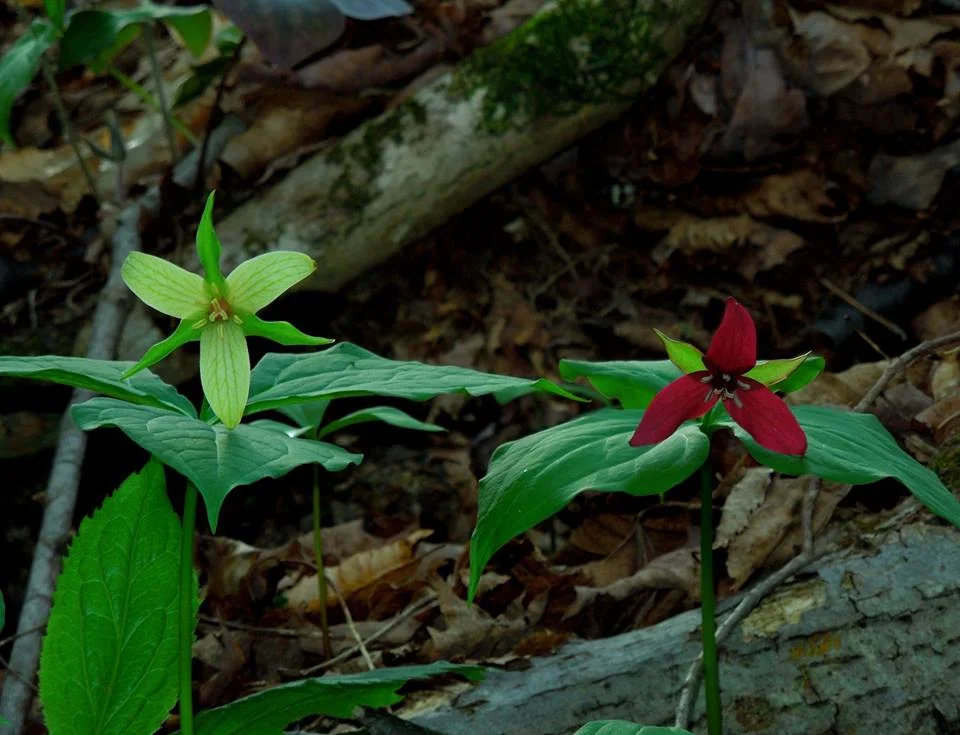
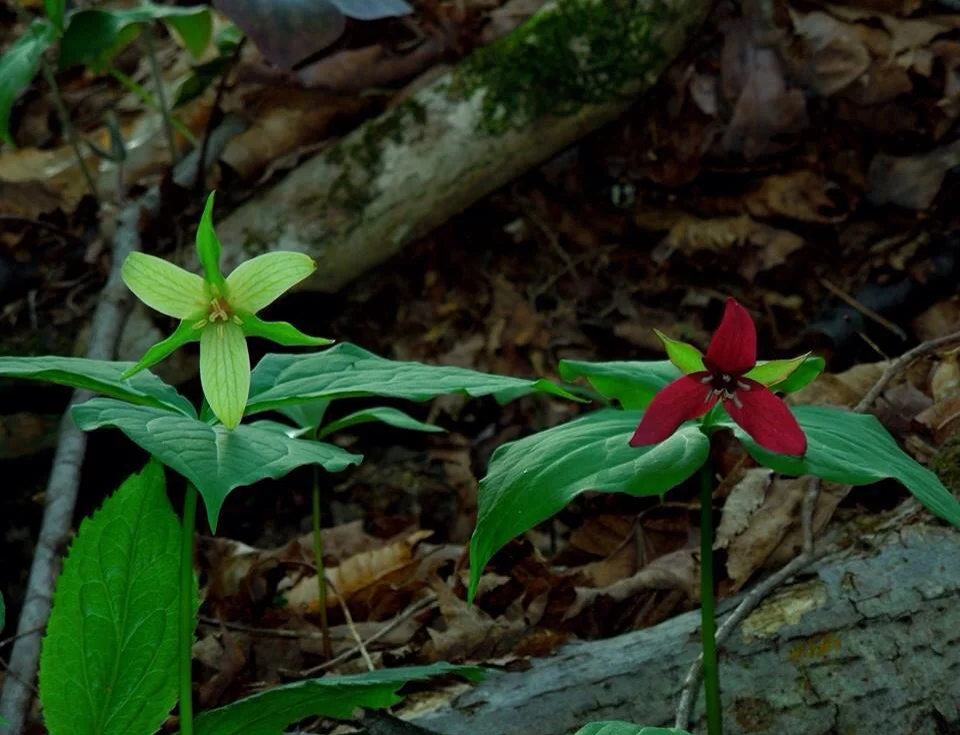
Did you know that there is a naturally occurring white morph of Trillium erectum? I was lucky enough this weekend to find this white one growing right next to its red counterpart. An exciting find indeed!

Sedges!

image.jpg

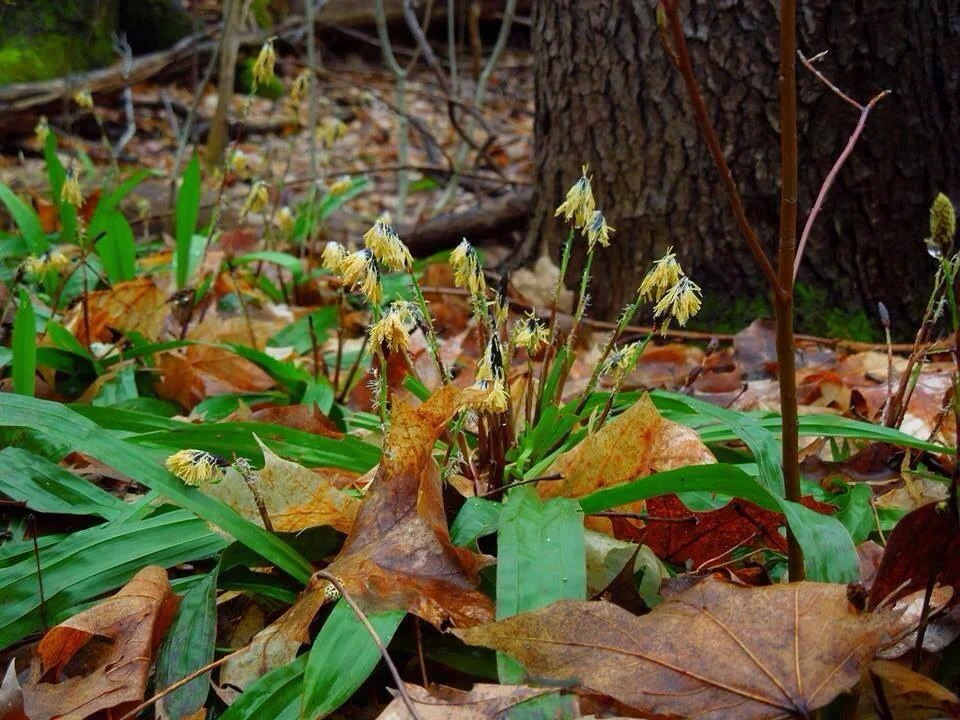
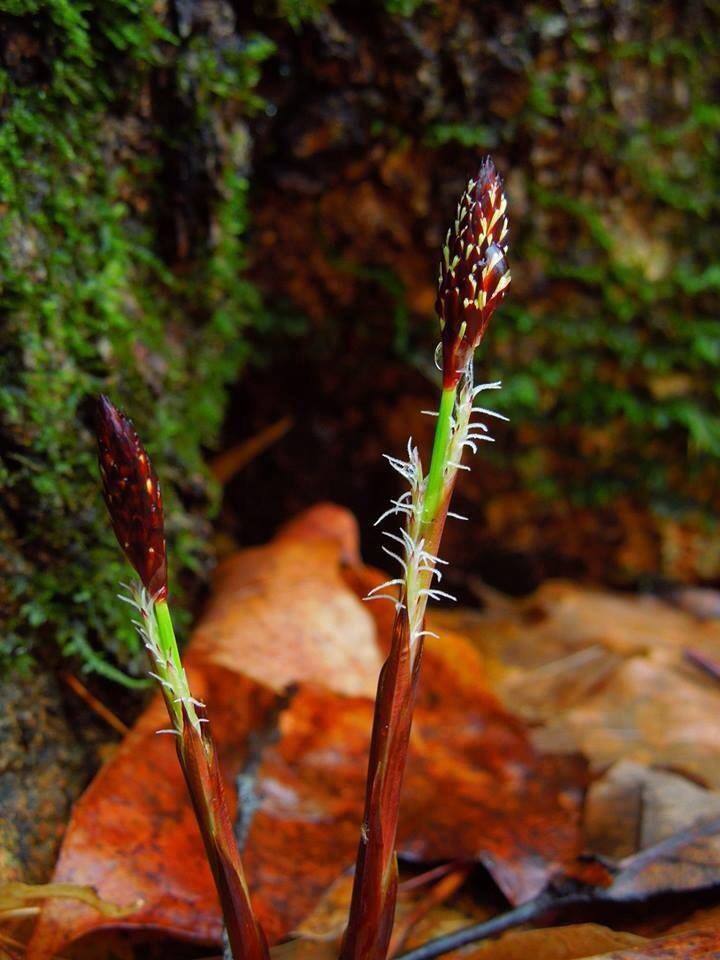
Spring is not only a good time of year to see showy wildflowers in bloom, it is also a good time of year to check out the flowers of some of our frequently overlooked native grasses and sedges.

There are so many species of grasses and sedges out there and their habitat preferences are just as varied. Most are quite a challenge to identify in my opinion. One must take a microscopic view of the flowering structures along with the seeds to really narrow it down. Either way, you don't necessarily need to know what species it is to enjoy it.

image.jpg

Get down and take a look at how each species presents its flowers. The structures can be quite elaborate and, with the aid of a hand lens, quite beautiful. Being mostly wind pollinated, there tends to be a pattern in which anthers are placed on top of the flowering spike and stigmas tucked below.

Sedges and grasses also occupy a very important ecological role in communities where they are native. They are food plants, shelter plants, and soil stabilizers. They can even serve as a growth surface for other plant species. Many different kinds of birds will nest in and around grasses and sedges as well. Some species are pivotal in the succession of different habitat types. 

Take some time to get to know these great plants. More nurseries are beginning to wake up to their potential as landscape plants. Definitely consider some species that are native to your neck of the woods next time you are in the mood for some gardening.

Further Reading:

http://plants.usda.gov/java/profile?symbol=CAPL5

http://www.illinoiswildflowers.info/grasses/grass_index.htm

Trillium

image.jpg

Trillium. The very name is synonymous with spring wherever they grow. Even the non-botanically minded amongst us could probably pick one out of a lineup. This wonderful genus holds such a special place in my heart and I anxiously await their return every year. The journey from seed to flowering plant is an arduous one for a trillium and some may take for granted just how much time has elapsed from the moment the first root pushed through the seed coat to the glorious flowers we admire each spring. The story of a Trillium, like any other plant, starts with a seed.

image.jpg

As with many other spring ephemerals, Trilliums belong to that group of plants that utilize ants as seed dispersers. Once underground in an ant midden, a Trillium seed plays the waiting game. Known as double dormancy, their seeds germinate in two phases. After a year underground, a root will appear followed by an immature rhizome and cotyledon. Here the plant remains, living off of the massive store of sunlight saved up in the endosperm for yet another year. Following this second year underground, the plant will throw up its first leaf.

image.jpg

In its fourth year of growth, the Trillium seedling will finally produce the characteristic whorl of 3 leaves we are familiar with. Now the real waiting game begins. Growing for such a short period of time each year and often in shady conditions, Trilliums must bide their time before enough energy is saved up to produce a flower. In an optimal setting, it can take a single Trillium 7 to 8 years to produce a flower. If conditions aren't the best, then it may take upwards of 10 years! Slow and steady wins the race in the genus Trillium. A large population of flowering Trillium could easily be 40 or 50 years old!

image.jpg

Sadly, when you couple this slow lifestyle with their undeniable beauty, you begin to spell disaster for wild trillium populations. A plant that takes that long to germinate and flower isn't the most marketable species for most nurseries and, as a result, Trillium are some of the most frequently poached plants in the wild. Because of their slow growth rate, poached populations rarely recover and small plots of land can quickly be cleared of Trilliums by a few greedy people. Leave wild Trilliums in the wild! 

Further Reading:

http://www.trilliumsunlimited.com/resources/3-1NPJ18-20.pdf

http://www.trilliumresearch.org/