An Orchid With Body Odor

Photo by Ryan LeBlanc licensed under CC BY-NC-SA 2.0

Photo by Ryan LeBlanc licensed under CC BY-NC-SA 2.0

Aside from ourselves, mosquitoes may be humanity's largest threat. For many species of mosquito, females require blood to produce eggs. As such, they voraciously seek out animals and in doing so can spread deadly diseases. They do this by homing in on the chemicals such as CO2 and other compounds given off by animals. What is less commonly known about mosquitoes is that blood isn't their only food source. Males and females alike seek out nectar as source of carbohydrates.

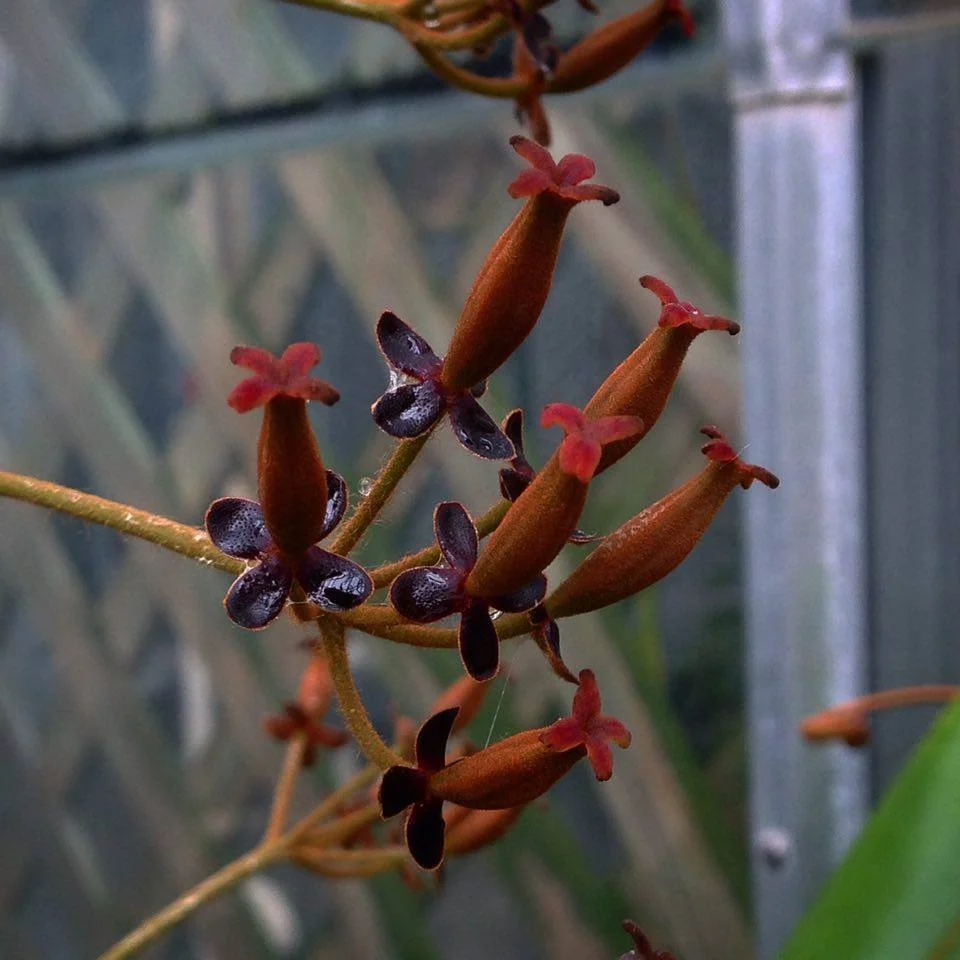
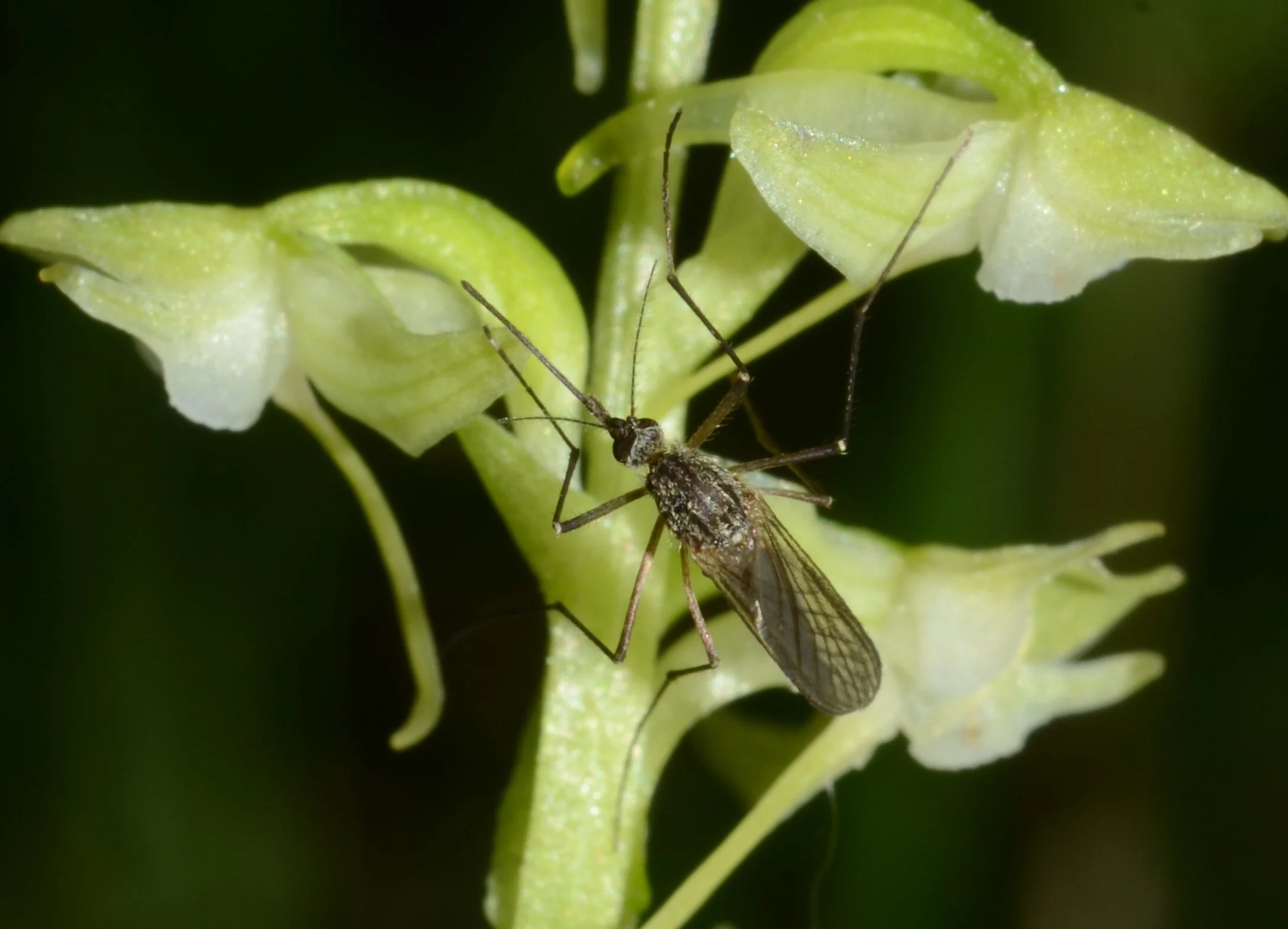
Though mosquitoes visit flowers on a regular basis, they are pretty poor pollinators. However, some plants have managed to hone in on the mosquito as a pollinator. It should be no surprise that some orchids utilize this strategy. Despite knowledge of this relationship, it has been largely unknown exactly how these plants lure mosquitoes to their flowers. Recent work on one orchid, Platanthera obtusata, has revealed a very intriguing strategy to attract their mosquito pollinators.

This orchid produces human body odor. Though it is undetectable to the human nose, it seems to work for mosquitoes. Researchers at the University of Washington were able to isolate the scent compounds and found that they elicited electrical activity in the mosquitoes antennae. Though more work needs to be done to verify that these compounds do indeed attract mosquitoes in the wild, it nonetheless hints at one of the most unique ruses in the floral world.

Photo Credit: Kiley Riffell and Jacob W. Frank

Further Reading:

http://bit.ly/1JXP2jk

Going Veg With Nepenthes ampullaria

Photo by Bernard DUPONT licensed under CC BY-SA 2.0

Photo by Bernard DUPONT licensed under CC BY-SA 2.0

Carnivory in the plant kingdom is an interesting evolutionary adaptation to living in nutrient poor environments. It has arisen in only a handful of different plant families and indeed, the genera that exhibit it are considered highly derived. There is something to be said about a sessile organism that can take down mobile prey at the rate that most carnivorous plants do.

Perhaps part of our fascination with these botanical wonders stems from their move towards dietary habits not unlike our own. The reason for their predatory behavior is to acquire nutrients like nitrogen and phosphorus. Without these essential nutrients, life as we know it would not exist. It is no wonder then that carnivorous plants have evolved some very interesting ways of getting them into their tissues and to me, there is nothing more peculiar than the way in which Nepenthes ampullaria gets its much needed nitrogen fix.

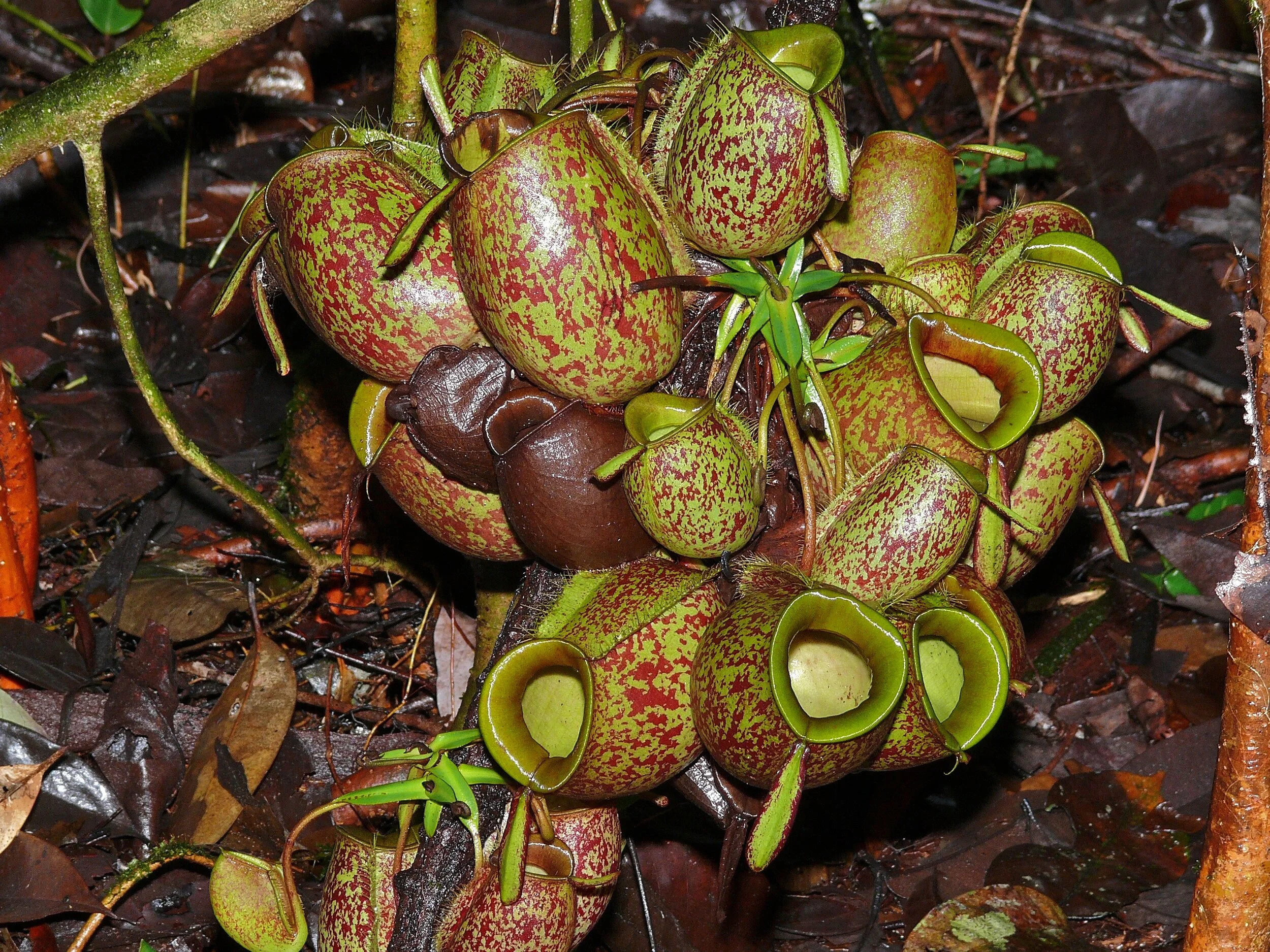
A rather widespread species, N. ampullaria is at home in the understory of the rain forests of the southeast Asian islands. It differs from its carnivorous cousins in a multitude of ways. For starters, the pitchers of N. ampullaria are oddly shaped. Resembling an urn, they sit in dense clusters all over the jungle floor, below the rest of the plant. Unlike other Nepenthes, the pitchers have only a small, vestigial lid with no nectar glands. Finally, the slippery, waxy surface that normally coats the inside of most Nepenthes pitchers is absent in the pitchers of N. ampullaria. All of these traits are clues to the unique way in which this species has evolved to acquire nitrogen.

N. ampullaria doesn't lure and digest insects. Instead, it relies on leaf litter from the forest canopy above for its nutritional needs. The urn-like shape, lack of a hood, and clustered growth enable the pitchers to accumulate considerable amounts of leaf litter in the pitchers. Because the pitchers are relatively long lived for a Nepenthes, lasting upwards of 6 months, they offer up a nice microhabitat for a multitude of insect and even frog larvae. The collective group of organisms living within the pitchers are referred to as an inquiline community.

Over time, an inquiline community develops in each of the pitchers. This is the key to the success of N. ampullaria. As the inquiline organisms breakdown the leaf litter, they release copious amounts of nitrogen-rich waste. The pitchers can then absorb this waste and begin to utilize it. At least one study found that an individual plant can obtain 35.7% of its foliar nitrogen in this manner. It has also been demonstrated that the pitchers actively manipulate the pumping of hydrogen ions into the fluid within to keep it less acidic than that of other Nepenthes.

I don't know if I would consider this a case of herbivory as the nitrogen is still coming from an animal source but it is nonetheless an interesting adaptation. Instead of using valuable resources on actively digesting its own prey, N. ampullaria is getting other organisms to do the work for it. Not too shabby.

Further Reading:

http://bit.ly/1IRbYG9

http://jxb.oxfordjournals.org/content/61/5/1365

http://link.springer.com/article/10.1007/s004420050390

http://bit.ly/1S10oej

Straight out of Seussville

Photo by Derek Keats licensed under CC BY-NC-ND 2.0

Photo by Derek Keats licensed under CC BY-NC-ND 2.0

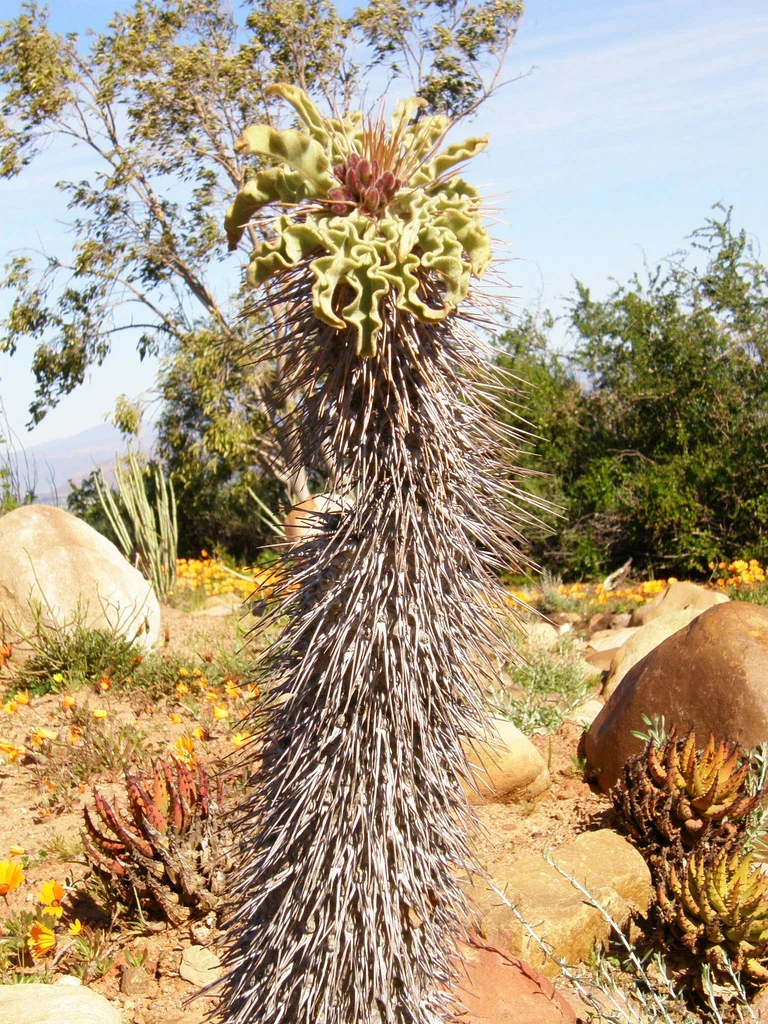
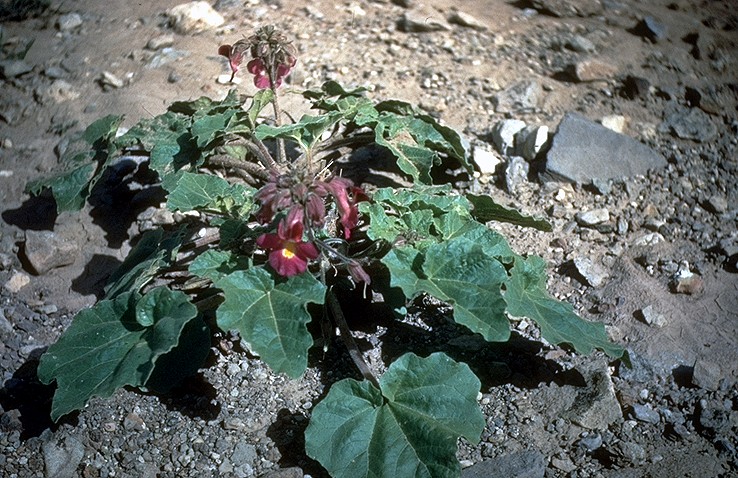
At first glance this photo seems fake. However, I assure you this is indeed a real plant. Meet Pachypodium namaquanum, the elephant's trunk. This bizarre member of the family Apocynaceae can be found growing in the dry rocky deserts of Richtersveld and southern Namibia in South Africa. Although it may seem better suited for life in a Dr. Seuss book, I assure you that all aspects of this plants strange appearance enable it to live in some of the harshest climates possible for a plant.

During the spring and summer months (November - March) temperatures in these regions can reach upwards of 50°C (122°F). It doesn't rain much either. What little water this plant does receive comes in the form of fog rolling in from the coast. Oddly enough, the elephant's trunk seems to prefer growing on the most exposed slopes possible, favoring spots where sun and wind are at their worst.

Photo by Rafael Medina licensed under CC BY-NC-ND 2.0

Photo by Rafael Medina licensed under CC BY-NC-ND 2.0

As such, everything about P. namaquanum seems to be focused on water conservation. The most obvious feature is that swollen trunk, which serves as a water storage organ. It is no surprise then that this valuable storage organ is covered in spines. These "trees" remain leafless during this time as well. This keeps valuable water reserves from evaporating in the summer heat.

There is at least one aspect of this plants physiology that seems to stand in the face of the harsh desert environment in which it lives. Anyone who has observed these plants in the wild may have noticed that their tips all seem to be pointing northwards. What's more, this inclination usually ranges between a 50° and 60° angle. This is strange because most desert plants usually prefer to minimized their exposure to solar radiation rather than face it head on.

The reason for this becomes more apparent with the onset of fall. Come April, the climate of this region becomes a bit more mild. Also, the sun begins to dip below the horizon for longer periods of time. It is around this time that the plant will produce leaves. A single whorl of velvety leaves emerges from the very tip of the stem. This is also the time in which it reproduces. Attractive yellow and red flowers spray out from between the leaves.

Because the success of the elephant's trunk is reliant on this relatively short growth period, the plant aims to maximize its gains. This is where the northern inclination comes into play. Such an orientation serves to maximize the amount of sunlight the leaves and the flowers receive. In this way, the leaves and flowers absorb twice as much sunlight than if they were vertically oriented. It is thought that the sunlight warms the flowers as well as brightens their display, making them impressive targets for local pollinators.

Like most members of this family, seeds are produced in pods and are borne on silky hairs. The slightest breeze can carry them a great distance. Though germination comes relatively easy to this species, it is nonetheless declining in the wild. Mining and livestock have taken up a lot of their available habitat. Poaching is second to these threats as its strange appearance makes it highly sought after by greedy gardeners.

Photo Source: [1] [2] [3] [4]

Further Reading: [1] [2] [3]

The Fanged Pitcher Plant of Borneo

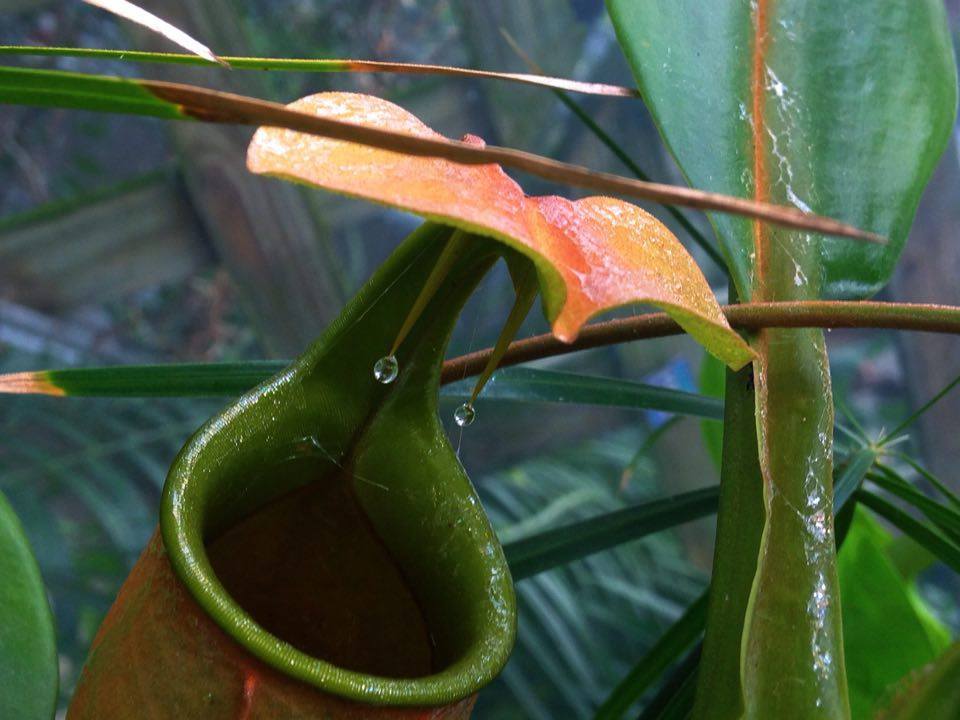
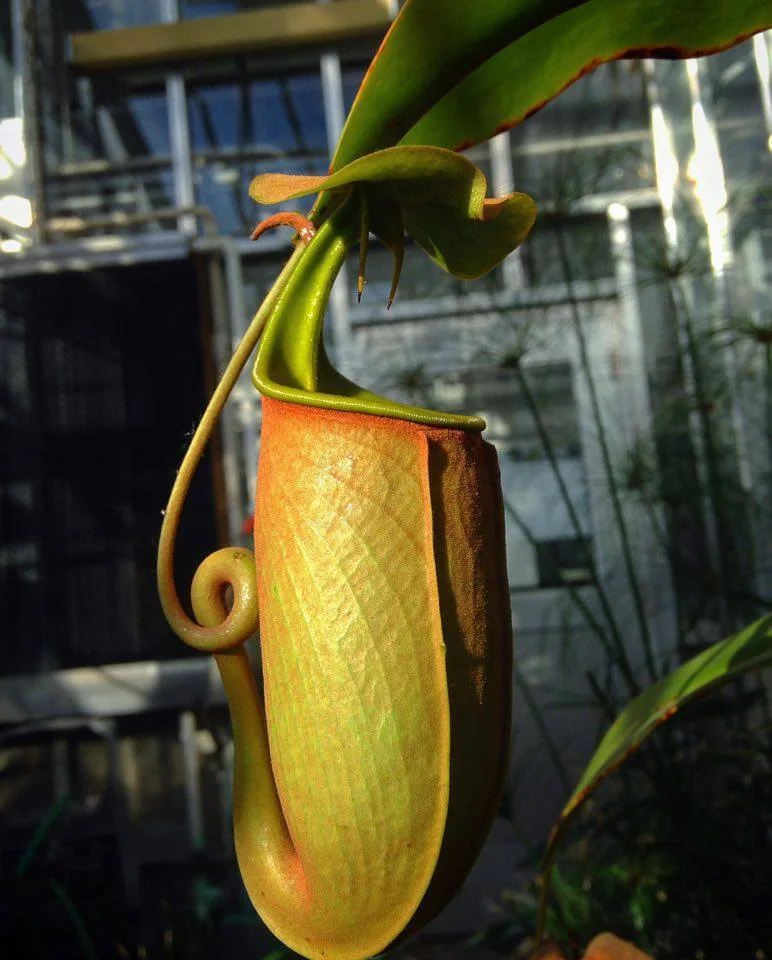
As mammals, and even more so as apes, we tend to associate fangs with threats. The image of two dagger-like teeth can send chills up ones spine. Perhaps it is fitting then that a carnivorous plant from a southeast Asian island would sport a pair of ominous fangs. Friends, I present to you the bizarre fanged pitcher plant (Nepenthes bicalcarata).

This ominous-looking species is endemic to Borneo and gets its common name from the pair of "fangs" that grow from the lid, just above the mouth of the pitcher. Looks aren't the only unique feature of this species though. Indeed, the entire ecology of the fanged pitcher plant is fascinatingly complex.

Lets tackle the obvious question first. What is up with those fangs? There has been a lot of debate among botanists as to what function they might serve. Some have posited the idea that they may deter mammals from feeding on pitcher contents. Others see them as mere artifacts of development and attribute no function to them whatsoever.

In reality they are involved in capturing insects. The fangs bear disproportionately large nectaries that lure prey into a precarious position just above the mouth of the pitcher. Strangely enough, this may have evolved to compensate for the fact that the inside of the pitchers are not very slippery. Whereas other pitcher plant species rely on waxy walls to make sure prey can't escape, the fanged pitcher plant has relatively little waxy surface area within its pitchers. What's more, the pitchers are not very effective at capturing prey unless they have been wetted by rain. The fluid within the pitchers also differs from other Nepenthes in that it is not very acidic, contains few digestive enzymes, and isn't very viscous. Why?

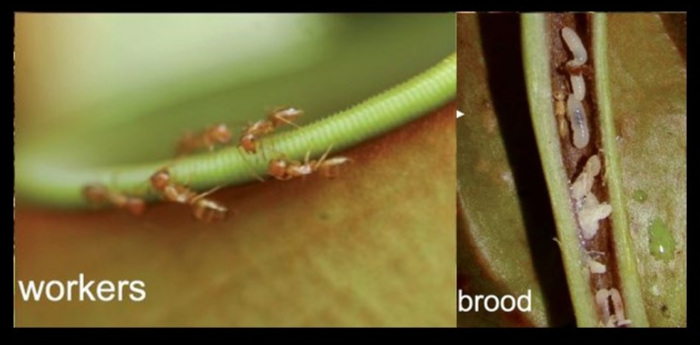
Worker ants cleaning the pitcher (left) and an ant brood chamber inside of the pitcher tendril (right). Photo by Bazile, V., J.A. Moran, G. Le Moguédec, D.J. Marshall & L. Gaume 2012. A carnivorous plant fed by its ant symbiont: a unique multi-f…

Worker ants cleaning the pitcher (left) and an ant brood chamber inside of the pitcher tendril (right). Photo by Bazile, V., J.A. Moran, G. Le Moguédec, D.J. Marshall & L. Gaume 2012. A carnivorous plant fed by its ant symbiont: a unique multi-faceted nutritional mutualism. PLoS ONE 7(5): e36179. doi:10.1371/journal.pone.0036179 licensed under CC BY 2.5

The answer lies with a specific species of ant. The fanged pitcher plant is the sole host of a carpenter ant known scientifically as Camponotus schmitzi. The tendrils that hold the pitchers themselves are hollow and serve as nest sites for these ants. Ant colonies take up residence in the tendrils and will hunt along the insides of the pitchers. In fact, they literally go swimming in the pitcher fluid to find their meals!

This is why the pitcher fluid differs so drastically from other Nepenthes. The fanged pitcher plant actually does very little of its own digestion. Instead, it relies on the resident ant colony to subdue and breakdown large prey. As a payment for offering the ants room and board, the ants help the plant feed via the breakdown of captured insects (which are often disposed of in the pitchers) and the deposition of nitrogen-rich feces. Indeed, plants without a resident ant colony are found to be significantly smaller and produce fewer pitchers than those with ants. The ants also protect and clean the plant, removing fungi and hungry insect pests.

Sadly, like many other species of Nepenthes, over-harvesting for the horticultural trade as well as habitat destruction have caused a decline in numbers in the wild. With species like this it is so important to make sure you are buying nursery grown specimens. Never buy a wild collected plant! Also, if you are lucky enough to grow these plants, propagate them! Only by reducing the demand for wild specimens can we hope of curbing at least some of the poaching threats. Also, what better way to get your friends into gardening than by sharing with them amazing carnivores like the fanged pitcher plant.

Female flowers

Female flowers

Photo Credit: [1]
Further Reading: [1] [2] [3] [4] [5]

Tropical Oaks - Lessons in Biogeography from a Giant Acorn

12376154_1260382873988575_685493213411905846_n.jpg

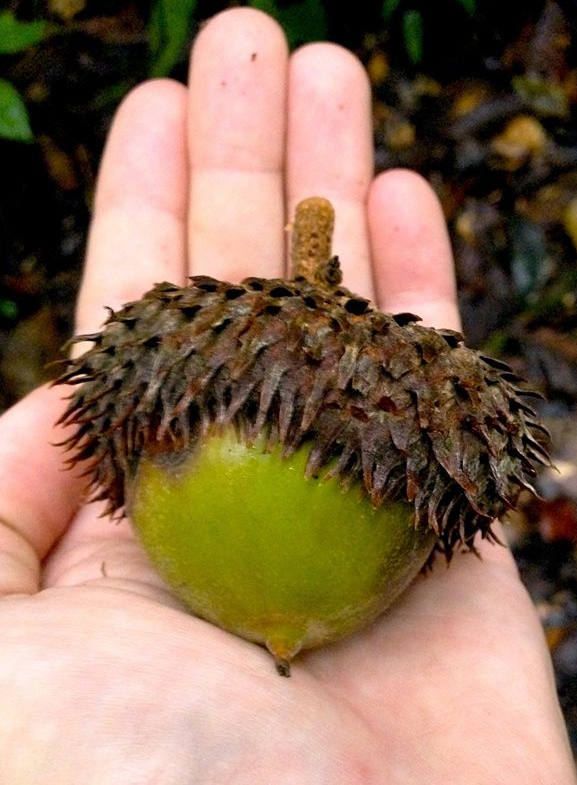
Seeing the nut of Quercus insignis in person for the first time was a peculiar experience. I didn't know acorns came that big! What was even stranger was encountering this species in the tropics. I thought that in leaving my temperate home behind, I had left trees such as oaks behind as well. Thus, picking up this gigantic acorn was a challenge to my ignorance of tropical forest diversity. What it did for me was ignite a fury of questions regarding the biogeography of the genus Quercus.

Quercus insignis is native from Mexico to Panama. It is a member of the white oak grouping and, despite having one of the largest acorns of any oak species, relatively little is known about this species. What we do know is that it is in trouble. It is considered critically endangered in Mexico and near threatened in Guatemala and Panama with a remaining stronghold in Nicaragua. Habitat loss and changing environmental conditions seem to be at the core of its disappearance.

One big question was looming over me. What was an oak doing this far south? Call it a northern bias but I have always associated oaks with more temperate climes. I needed to get over this. My investigation lead me to some very interesting work done on the family to which oaks belong - Fagaceae. Based on some incredible paleontological and genetic detective work, we now know that Fagaceae originated in Asia. The first fossil evidence of a member of this family dates back some 100 million years, during the early part of the Cretaceous.

At this time, the continents of Asia, Europe, and North America were still connected. Some 60 million years ago, the genus Quercus diverged from Castanea. They were also starting to radiate across the Northern Hemisphere. The first fossil evidence of oaks in North America comes from Paleogene deposits dated to 55 to 50 million years before present. This is when the oaks really started to hit their stride.

Between 22 and 3 million years ago the genus Quercus underwent numerous speciation events. The new terrain of North America must have presented countless opportunities for oaks because they quickly became the most specious genus of all the Fagaceae. This radiation was particularly fruitful in what would become the U.S. and Mexico. Of the roughly 220 species that exist in this region today, 160 occur in Mexico, and of those, 90 species are endemic.

This brings us to the tropics. Evergreen and semi-evergreen oaks have done quite well in this region. However, their astounding diversity quickly drops once you hit the isthmus of Panama. South America is home to only one species of oak. What happened that limited the oaks reign south of the equator?

To put it simply, geology happened. For much of the Earth's history, North and South America shared no connection. Though the exact time frame is debated, tectonic forces joined the two continents some 4.5 million years ago. The Great American Interchange had begun. The two continents were able to freely exchange flora and fauna like never before. The migrations are thought to have been a bit lopsided. Tropical flora and fauna did not do as well farther north but temperate flora and fauna seemed to find warmer climes more favorable. As such, South America gained disproportionately more biodiversity as a result.

This pattern did not hold true for everything though. For the oaks, only one species (Quercus humboldtii) made it through. As such, the genus remains a dominant fixture of the Northern Hemisphere. Sadly, much of this diversity is at serious risk of being lost forever. Like the magnificent Quercus insignis, many of the world's oaks are on the decline. Disease, habitat loss, and countless other issues plague this genus. A 100 million year old journey is quickly being undone in less than two centuries. The hand of man is time and again proving to be a force unrivaled in the biological world.

Leaf Credit: http://www.oaknames.org/

Further Reading:
http://www.sciencedirect.com/science/article/pii/S0378112713006580

Tiger's Jaw


Photo by Mike Keeling licensed under CC BY-ND 2.0

Photo by Mike Keeling licensed under CC BY-ND 2.0

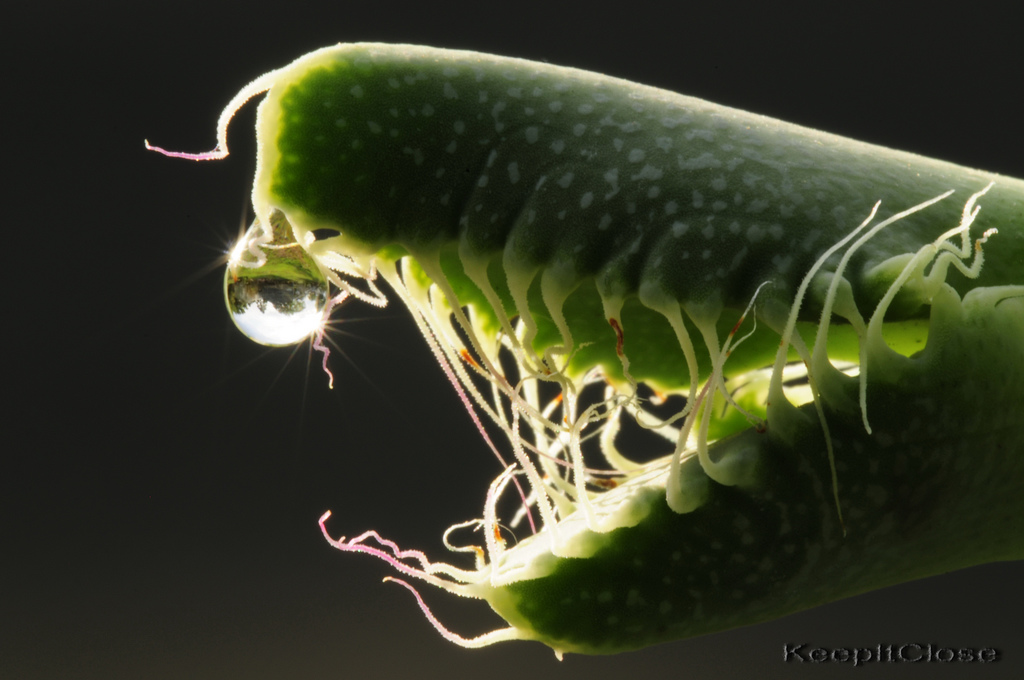
Behold the ominous beauty of the genus Faucaria. These succulent herbs in the family Aizoaceae are native to South Africa and are known commonly as tiger's jaws. The first time I encountered one of these plants, I was a little hesitant to get too close. Despite their appearance, however, they are rather tame. What looks like a sturdy defense actually has more to do with water.

Faucaria are denizens of the dry. Their stubby, succulent leaves act as water storage devices that allow the plant to go some time without water. As new leaves are produced, they emerge in pairs with their serrated edges interlocking like teeth. Once mature, the edges separate and the pair of leaves open up like a carnivorous maw.

The "teeth" of these "jaws" are a unique adaptation for acquiring extra water. Because it rains infrequently, the plant does its best to take advantage of moisture in the air. The teeth act as condensation points, mopping up dew and fog and directing it towards the roots. In this way, Fucaria are able to maintain themselves even in the absence of rain.

Photo by Mike Keeling licensed under CC BY-ND 2.0

Photo by Mike Keeling licensed under CC BY-ND 2.0

And maintain themselves they do! Like many other members of the family, Faucaria produce unexpectedly large flowers for their size. The blooms erupt from the middle of each pair of leaves, almost as if they were being regurgitated. Seeing a mature population in full bloom is an experience you won't soon forget. 

Photo Credit: [1] [2] [3]

Further Reading: [1]

A Circumboreal Butterwort

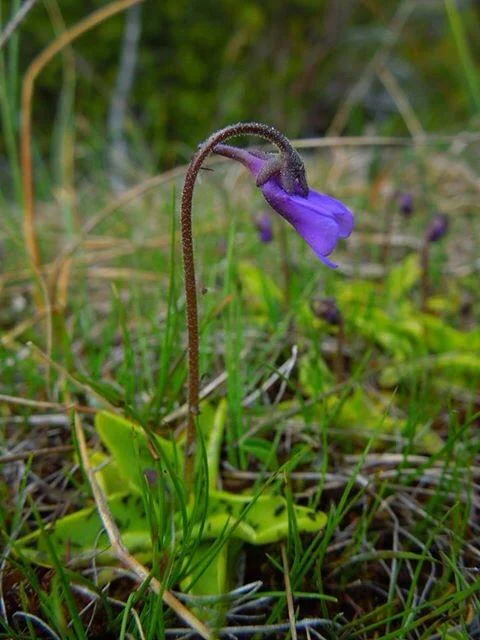
The name "butterwort" may sound quite silly to most but those who have seen one in person can attest to the fact that there is nothing silly about the group of plants. Hailing from the genus Pinguicula, my favorite butterwort is Pinguicula vulgaris.

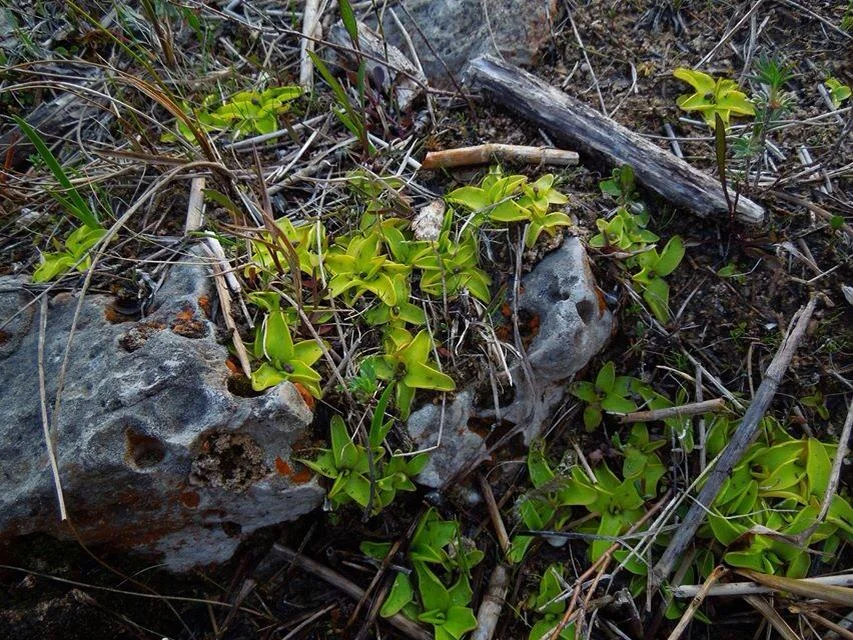
Referred to as the common butterwort, this species is sometimes hard to find if you live in North America. It has a circumboreal distribution and seems to be much more common in Europe and parts of Russia. Like all butterworts, P. vulgaris is a carnivore, though at first glance this may not be very obvious. The fleshy rosette of leaves are covered in mucilaginous glands that trap hapless insects. The leaves will sometimes roll in along the edge to pool the digestive juices around their prey.

Unlike more familiar carnivorous plants that can be found in acidic soils, P. vulgaris is a calciphile. It is most often encountered in fens, alvars, and other areas with limestone bedrock and alkaline waters. These types of habitats pose a different set of challenges for plants when it comes to obtaining nutrients. Phosphorus strongly binds to sediments in these alkaline conditions and research has shown that most butterworts respond best to supplemental phosphorus additions, though other nutrients like nitrogen are absorbed from prey as well.

If their carnivorous habits weren't interesting enough, the flowers of P. vulgaris (and all butterworts for that matter) are gorgeous. Sitting atop long stalks, the spurred blooms are a deep shade of violet. The nectar spur suggests that this species is pollinated by either long tongued bees or butterflies. Either way, they are presented well above the sticky leaves to reduce the chances of the plant eating the insects it needs for pollination.

Like all plants in the northern hemisphere, P. vulgaris needs to deal with winter. As temperatures and light levels begin to drop, P. vulgaris reverts to a cluster of buds called a hibernaculum. It has little to no roots during its dormant phase and can easily blow around if exposed. This may serve to transport plants into new locations. Due to rampant habitat destruction, this plant is quite vulnerable in North America and is considered threatened or endangered in the southern portions of its range. Please, if you know of a land conservancy or some other agency that protects bogs, alvars, and fens, show them support!

Further Reading: [1] [2] [3] [4]

Spathiphyllum - A Natural Perspective on a Common Houseplant

http://bit.ly/1PjmVkrhttp://bit.ly/1PjmVkrI will never take peace lilies for granted again. As many of you reading this can empathize, I have up until this point only encountered these plants as sad looking additions to a dark corner of the home or office. Their ease of care has earned them the honor of living among even the least botanically inclined. Though we call them peace lilies, these plants are not lilies at all. They actually belong to the family Araceae, which makes them distant relatives of plants like Jack-in-the-pulpit.

All peace lilies belong in the genus Spathiphyllum. There are something like 40 different species that grow in tropical regions of Central and South America as well as southeastern Asia. As horticultural specimens, they aren't difficult. Modest light and the occasional watering are about all these plants need. Like all house plants though, I have wondered about how these plants behave in the wild.

During a trip to Costa Rica, I was very fortunate to observe some interesting behavior. Wild growing Spathiphyllum inflorescences have a scent. You would never know this based on the plants you find for sale at the local nursery. Like many roses, it would seem the their natural floral scent has largely been bred out of captive individuals. This scent is obviously meant to attract pollinators, however, the type of pollinators being targeted came as quite a surprise.

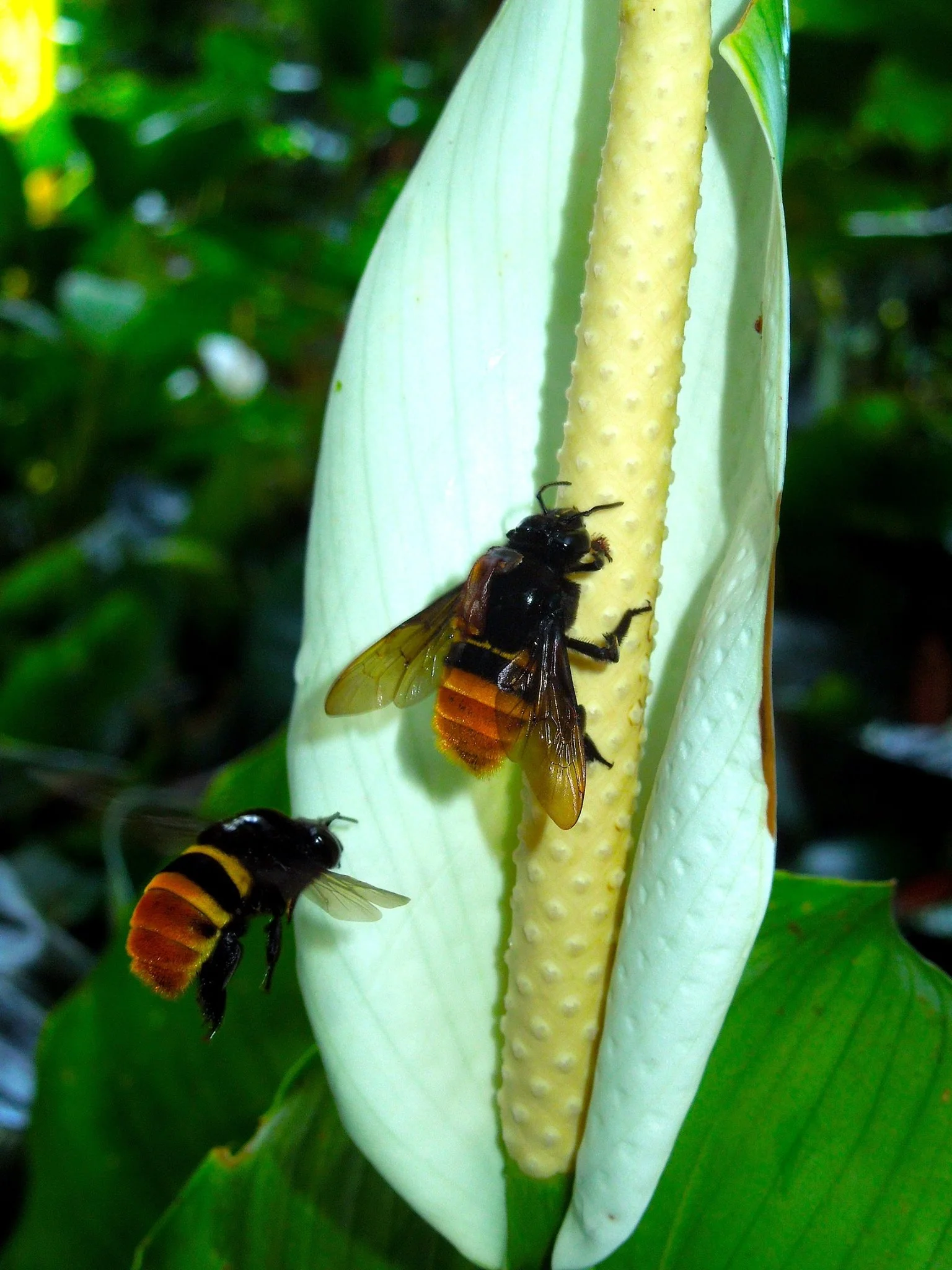
As I looked over a large patch of flowering Spathiphyllum, I was flabbergasted when I realized just what was visiting the spadix - Euglossine bees! Euglossine bees are collectively referred to as orchid bees (http://bit.ly/1hUaChe). This is because the males require specific scent compounds to attract females. They do not produce these compounds naturally. Instead, they must collect them from the flowers of orchids such as Stanhopea, Gongora, and Catasetum.

Well, as it turns out, orchid bees also collect scent from the spadix of Spathiphyllum blooms! The whole while I was watching this group of plants, multiple Euglossine bees paid a visit. What was most exciting is that many of the bees had orchid pollinia stuck to their backs. This was evolutionary ecology in progress and I was witnessing it first hand!

Its a real shame that we have altered captive Spathiphyllum in such a way that they do not produce scent. The smell is heavenly to say the least.

Further Reading:

A Very Strange Sedge

I am quickly realizing that there are some plants out there that I simply cannot prepare myself to see. Something about their look, growth habit, or location just crosses some wires in my brain and causes me a few minutes of confusion until I can regain some composure. Fraser's sedge (Cymophyllus fraserianus) is one such plant.

I had briefly read about this species on a trail map website. The author mentioned there would be some plants worth seeing in the area and Fraser's sedge was one of them. Not being particularly good at gramminoids I figured I probably wouldn't know it even if I had seen it. Was I ever wrong. Fraser's sedge may very well be impossible to miss.

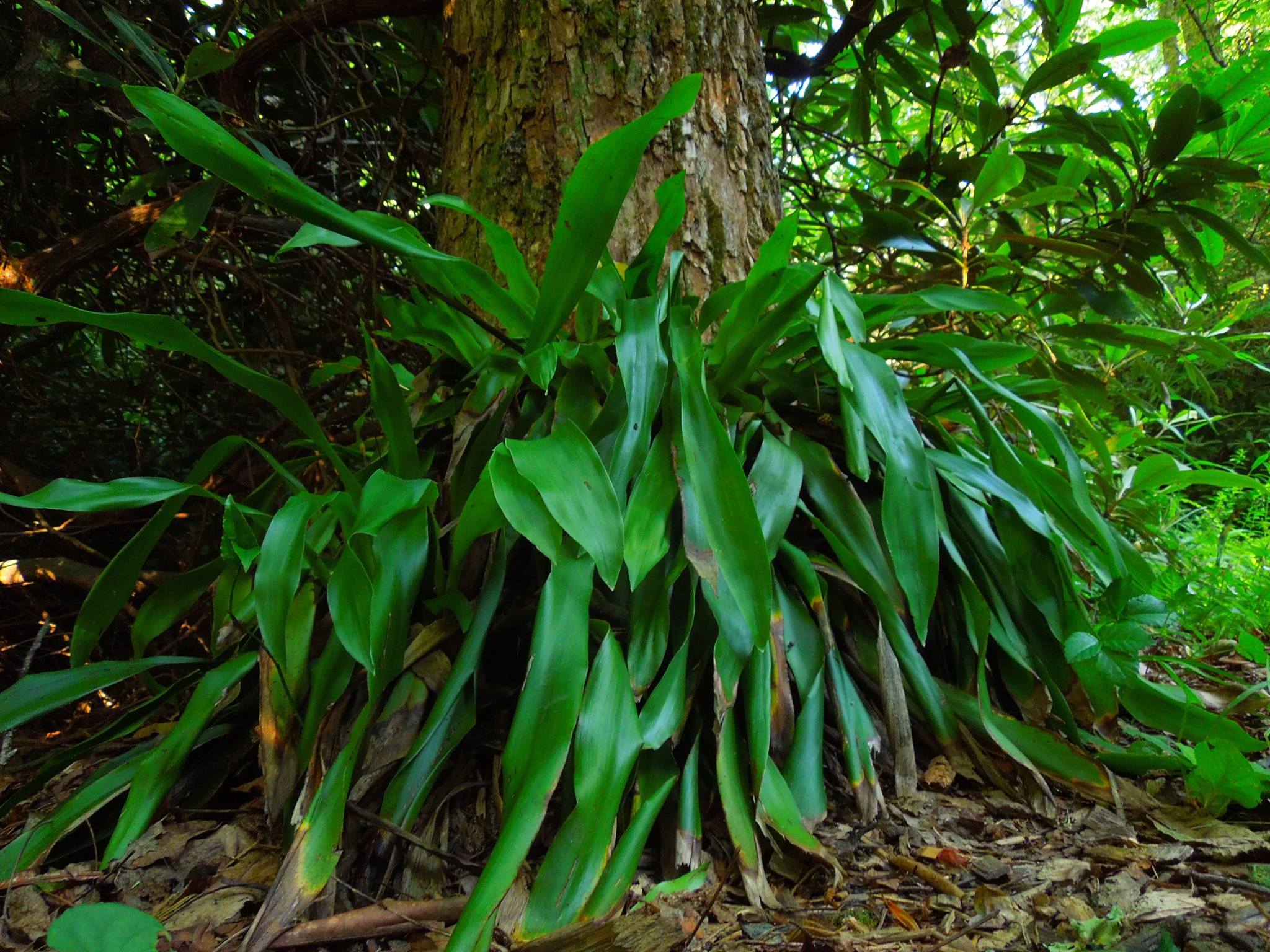
It grows rather large and its long strap-like leaves are more reminiscent of some sort of epiphytic orchid or limp bromeliad. Indeed, Fraser's sedge is truly unique. It is the only member of its genus and experts believe it to be a very old, relictual lineage. It is only found growing on rich mountain slopes in the Appalachian Mountains. It is also quite endangered throughout much of its range due to habitat fragmentation.

Aside from its foliage, Fraser's sedge also produces what are quite possibly the most attractive flowers of any sedge (opinion of course), which are produced in early spring. They are rather unique in that they are stark white. This has led some to believe that this specie is insect pollinated. Whether or not this is a true pollinator syndrome or just a casual observation is yet to be seen. Either way, encountering this plant in flower would be a truly special occurrence.

Due to habitat loss, there is a lot of fear that remaining isolated populations of this wonderful endemic are at increased risk of genetic bottlenecking. DNA analysis of some populations offer hope as the more restricted populations still show signs of ample genetic diversity. Still, time may prove otherwise as more and more individuals are lost to careless development. In the mean time, efforts are being made at conserving this species into the future.

Further Reading:
http://plants.usda.gov/core/profile?symbol=CYFR4

http://www.naturalheritage.state.pa.us/factsheets/15169.pdf

http://link.springer.com/article/10.1023/B:GENE.0000041049.91375.8c#/page-1

http://www.jstor.org/stable/4031748?seq=1#page_scan_tab_contents

http://www.georgiawildlife.com/sites/default/files/uploads/wildlife/nongame/pdf/accounts/plants/cymophyllus_fraserianus.pdf

http://www.georgiawildlife.com/sites/default/files/uploads/legacy_assets/Documents/cymofr.pdf

Plight of the Panda: a bamboo story

There are few creatures more iconic than the giant panda. These bears are the poster children for conservation movements around the world. Unlike their ursine relatives, pandas have abandoned carnivory for a diet that consists almost entirely of bamboo. In the light of human destruction, specialist lifestyles like the pandas are a risky strategy. It doesn't take much to upset such obligate relationships and humans are quite proficient at doing just that. However, the plight of the giant panda has just as much to do with the ecology of its food source as it does man-made destruction of its habitat.

Essentially giant grasses, the bamboo tribe consists of over 1,400 species worldwide. Not only are bamboo some of the tallest grasses in the world, they are also some of the fastest growing plants. Some have been known to grow 250 cm (90 in) in only 24 hours! As typical with grasses, bamboo can reproduce via underground rhizomes, forming dense stands of clones. Entire forests can be made up of the clones of only a few individuals.

The strangest part of bamboo ecology is that they rarely flower. A typical bamboo will live for 20 to 60 years before flowering, with some species taking well over 100 years. As such, bamboo experiences mast flowering events, with entire bamboo forests flowering all at once. After flowering and setting seed, the bamboo dies. Entire bamboo forests are lost in only a matter of weeks.

There have been many hypotheses put forth to explain this and while each has likely played a role in the evolution of this strategy, these mast flowering and subsequent death of bamboo forests probably serve to ensure the survival of the next generation. If the adults were to live through flowering and seed set, it is likely that the thick canopy of the parents would be too much for young seedlings to overcome. What's more, mass die offs create a significant fuel load for fires to sweep through. However catastrophic a fire may be, it reduces competition for bamboo seedlings.

Before humans fragmented their habitat, giant pandas had no trouble dealing with mass bamboo die offs. They simply migrated to a new bamboo forest. Anymore today, they cannot do that. When a bamboo forest flowers and dies, pandas in that area have nowhere to go. They simply starve to death. Because of this, pandas now occupy a mere fraction of their former range. What intact bamboo forests remain are restricted to the highlands of the Sichuan, Shaanxi, and Gansu provinces.

Despite considerable success in the captive breeding of pandas, there is simply not enough habitat to support their recovery in the wild. Because of this, captive breeding programs have come under harsh criticism. It has been argued that the massive amounts of money spent on captive breeding of pandas could be spent on habitat conservation projects elsewhere. No matter where you stand on the subject, there is no denying that pandas fall under the charismatic megafauna syndrome. They captivate the hearts and minds of people all over the globe. They also encourage the masses to open up their wallets. Sadly, it is probably too late giant pandas in the wild. If anything else, they certainly serve as a stark reminder of the importance of habitat conservation on a large scale.

Photo Credit: Abby Wood, Smithsonian's National Zoo (http://bit.ly/1qDX21K)

Further Reading:

http://www.jstor.org/stable/10.1086/303243?seq=1#page_scan_tab_contents

http://www.completebamboo.com/bamboo_behaviors.html
Fall Leaves of the Putty-Root Orchid

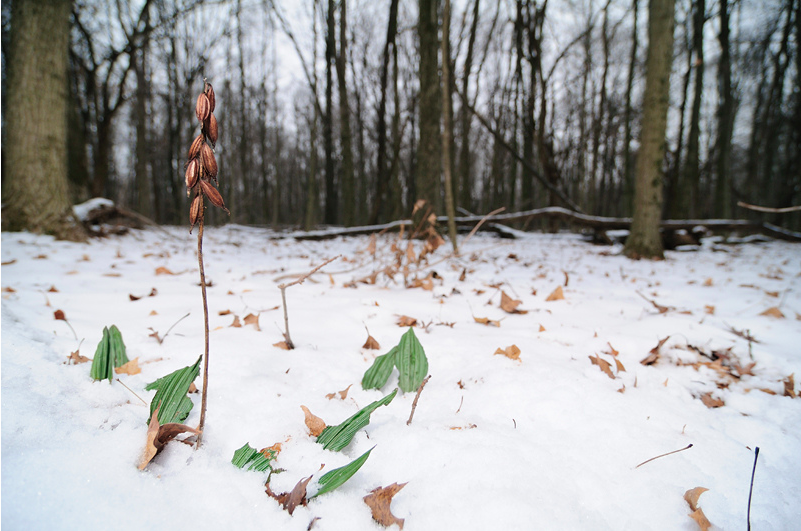
Whereas most plants here in the Northern Hemisphere have largely geared down for the long winter, there is one species that has only recently begun a new stage of growth. Though it may seem damaging to produce leaves when a hard frost is just around the corner, that is exactly what this plant is doing. What's even more bizarre is that the plant in question is an orchid.

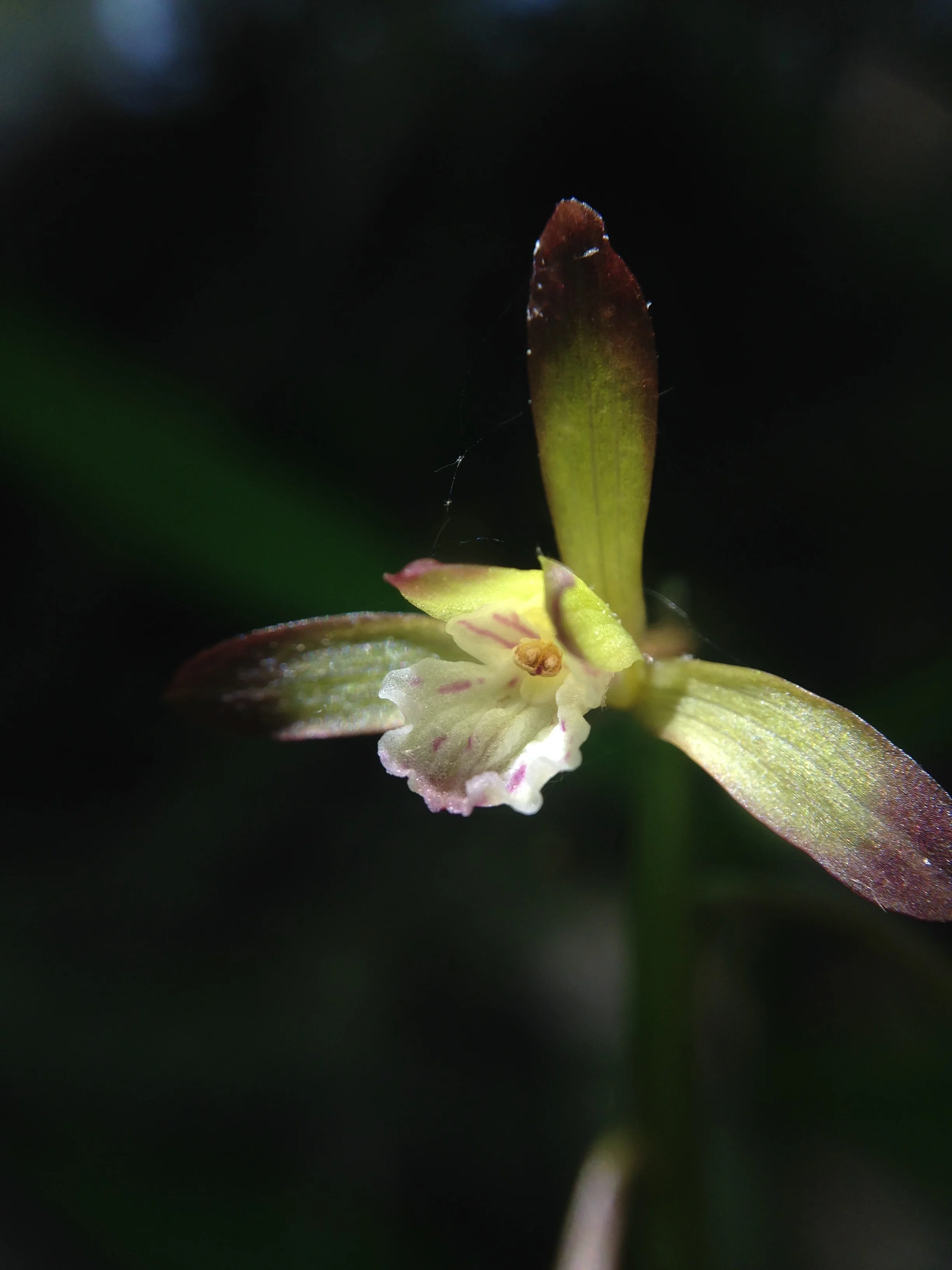
The putty-rood orchid (Aplectrum hyemale) may seem strange to most. Though it flowers during the same time as most of our terrestrial orchids (May through June), its display can be hard to track down. In fact, lacking any knowledge of a specific location, it is more likely that you will stumble across one before you pick it out of the hustle and bustle on the forest floor.

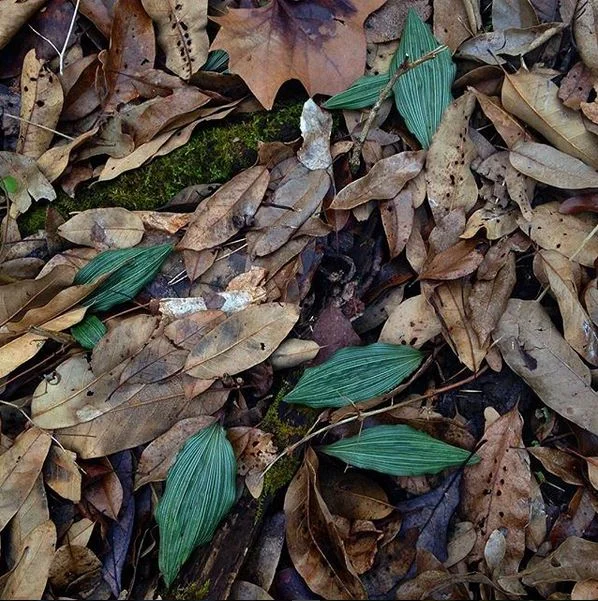
Flowering occurs at a different time than leaf out. The solitary flower stalk gives way to a single leaf starting in late summer or early fall. Why the heck would this plant start its photosynthetic lifecycle when everything else is about ready to go dormant? The answer is competition. Summer is not a bright season for those growing on the forest floor. This is especially true for a plant that only produces a single leaf.

What the putty-root is doing with its oddly timed leaf production is taking advantage of a dormant canopy. With trees and herbaceous leaves out of the way, the putty-root is able to soak up as much sun as it can get. This is a similar strategy adopted by spring ephemerals around the globe. But what does the plant have to gain from having leaves in the fall? Why not wait until spring to leaf out?

pr.JPG

As it turns out, it simply doesn't have to. The photosynthetic machinery within the leaves of the putty-root perform exceptionally well at low temperatures. Whereas most plants simply can't photosynthesize when it starts getting too cold, the putty-root is able to photosynthesize at temperatures as low as 2° C (35.6° F)! Not only does this enable the plant to get a jump start come spring, its also able to make food throughout most of fall and even early winter.

There does seem to be a limit to this. Once temperatures drop below 2° C, the machinery can't keep up and photosynthesis grinds to a halt. This is further complicated by the fact that the leaves are often buried under snow for months at a time. Certainly its mycorrhizal associations help feed the plant, even when it isn’t actively photosynthesizing. Regardless, this strategy is a great way of getting an extra kick while everything else is slowing down. Stories such as this bring to mind the story of the tortoise and the hare. Sometimes slow and steady really does win the race!

Photo Credit: Lance Merry (www.lancemerry.com)

Further Reading: [1] [2] [3]

Arctic Bone Nurseries

Life and death are two sides of the same coin. In death, an organisms body is broken down into its constituent parts and redistributed throughout the environment. As such, decomposition is a major player in the global cycling of nutrients. Nowhere does this become more apparent than in nutrient limited habitats like the Arctic Tundra.

The Arctic is known for being a very harsh place to live. A combination of low temperatures, low water availability, and short summers make for tough conditions for any plant. What's more, low temperatures and water availability also mean nutrients are hard to get at. It stands to reason then that any potential uptick in nutrient availability would be a boon for Arctic plant life.

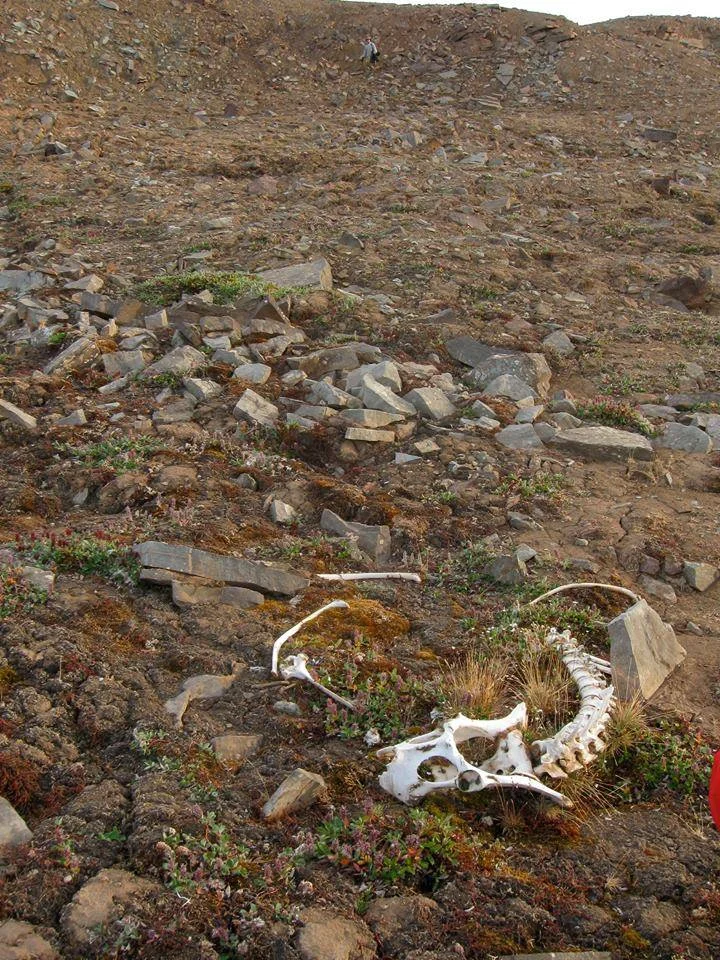
This is where dead animals come in. When a large animal like a muskox dies, its body can take many years to break down. Each summer, as temperatures rise above freezing, decomposition slowly eats away at the tissues. Research has found that nutrient levels, specifically nitrogen, are much higher within a meter radius around a decomposing carcass. Moreover, plants in this region were found to have higher nitrogen levels in their tissues and achieved the most luscious growth.

Nutrients aren't the only benefit carcasses provide. They also offer a favorable microclimate. Many herbivores instinctually avoid feeding around dead animals as a way of limiting exposure to disease. Research has found that grazing levels are much lower around most carcasses.

Another benefit is shelter. Wind is an ever present force to reckon with on the tundra. Carcasses provide a sheltered area that serves as an oasis for seeds to germinate and grow. The carcass also acts like a filter, collecting debris and allowing soils to build over time. Other animals may find this a favorable place to hide or hunt and thus the importance of these carcass islands becomes all the more apparent.

Photo Credits: Neil Shubin 

Further Reading:
http://pubs.aina.ucalgary.ca/arctic/arctic55-4-389.pdf

An Introduction to Cephalotus follicularis - A Strange Carnivore From Australia

Photo by H. Zell licensed under CC BY-SA 3.0

Photo by H. Zell licensed under CC BY-SA 3.0

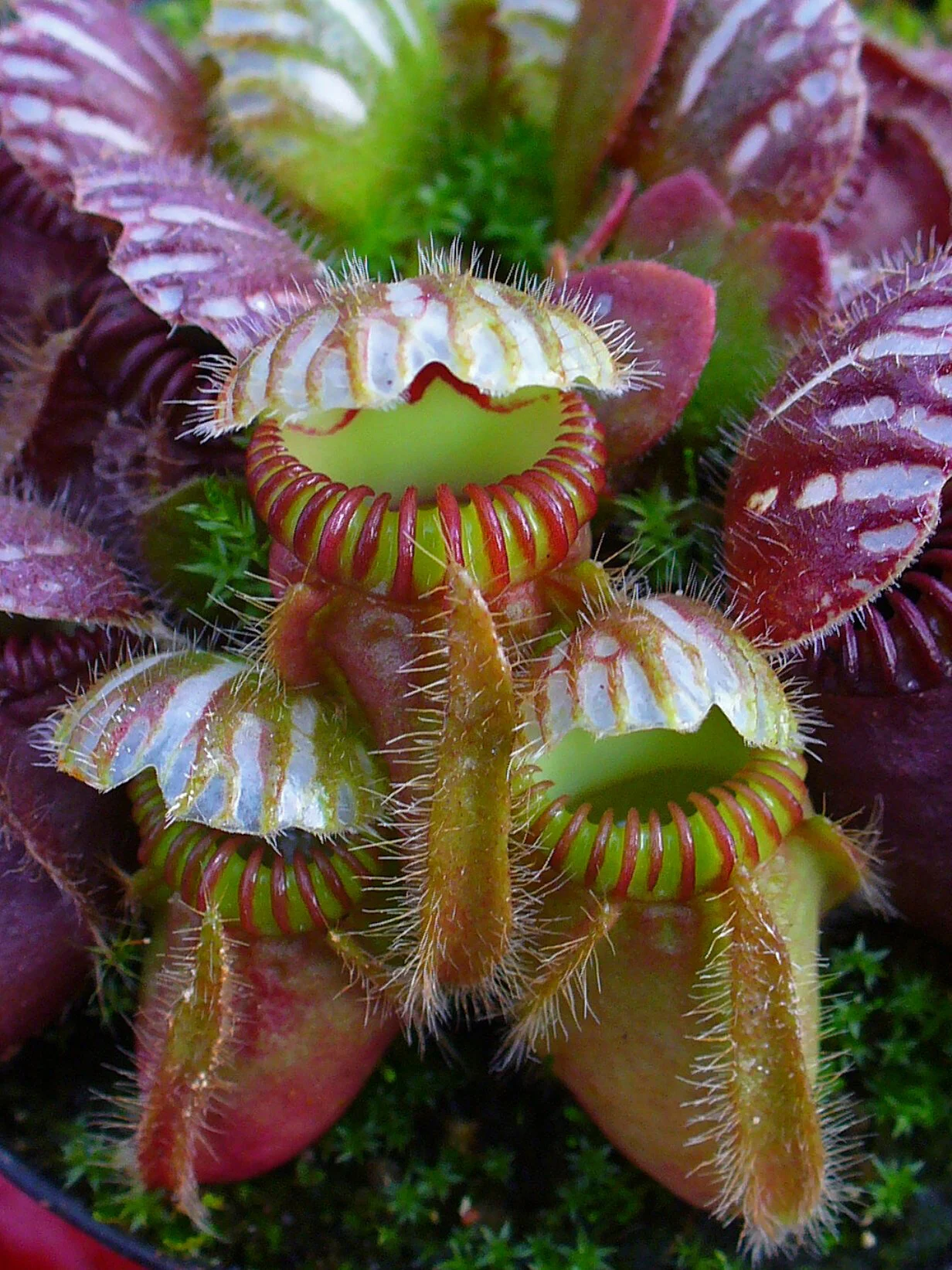
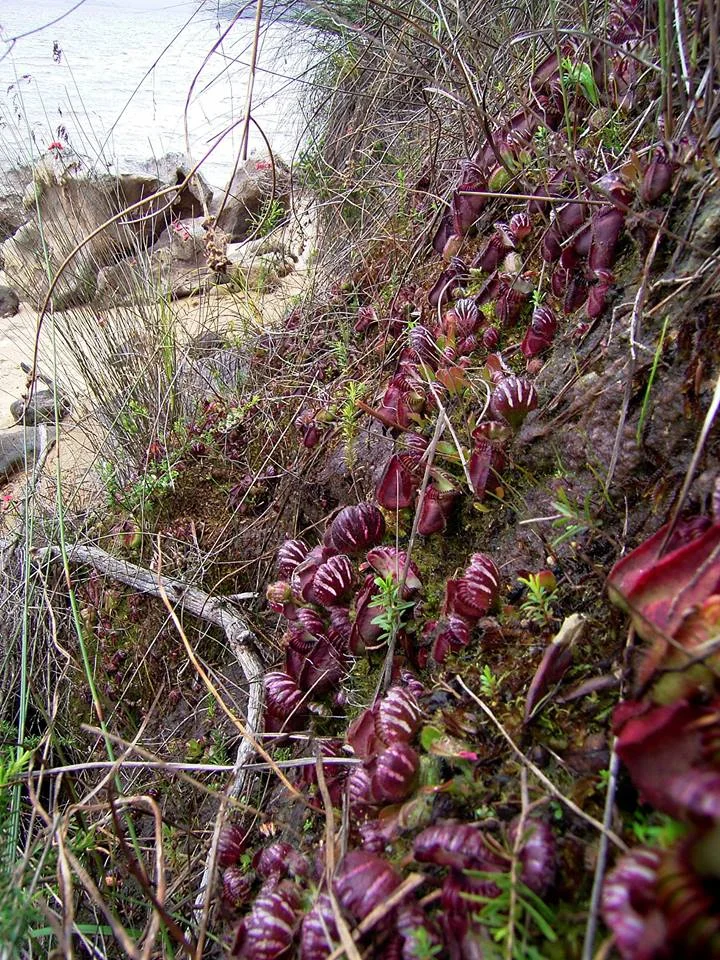
In a small corner of western Australia grows a truly unique carnivorous plant. Commonly referred to as the Albany pitcher plant, Cephalotus follicularis is, evolutionarily speaking, distinct among the pitcher plants. It is entirely unrelated to both the Sarraceniaceae and the Nepenthaceae.

This stunning case of convergent evolution stems from similar ecological limitations. Cephalotus grows in nutrient poor areas and thus must supplement itself with insect prey. It does so by growing modified leaves that are shaped into pitchers. The lid of each pitcher has two main functions. It keeps rain from diluting the digestive enzymes within and it also confuses insects.

A close inspection of the lid will reveal that it is full of clear spots. These spots function as windows, allowing light to penetrate, which confuses insects that have landed on the trap. As they fly upwards into the light, they crash into the lid and fall back down into the trap.

Photo by Lucas Arrrrgh licensed under CC BY-NC-ND 2.0

Photo by Lucas Arrrrgh licensed under CC BY-NC-ND 2.0

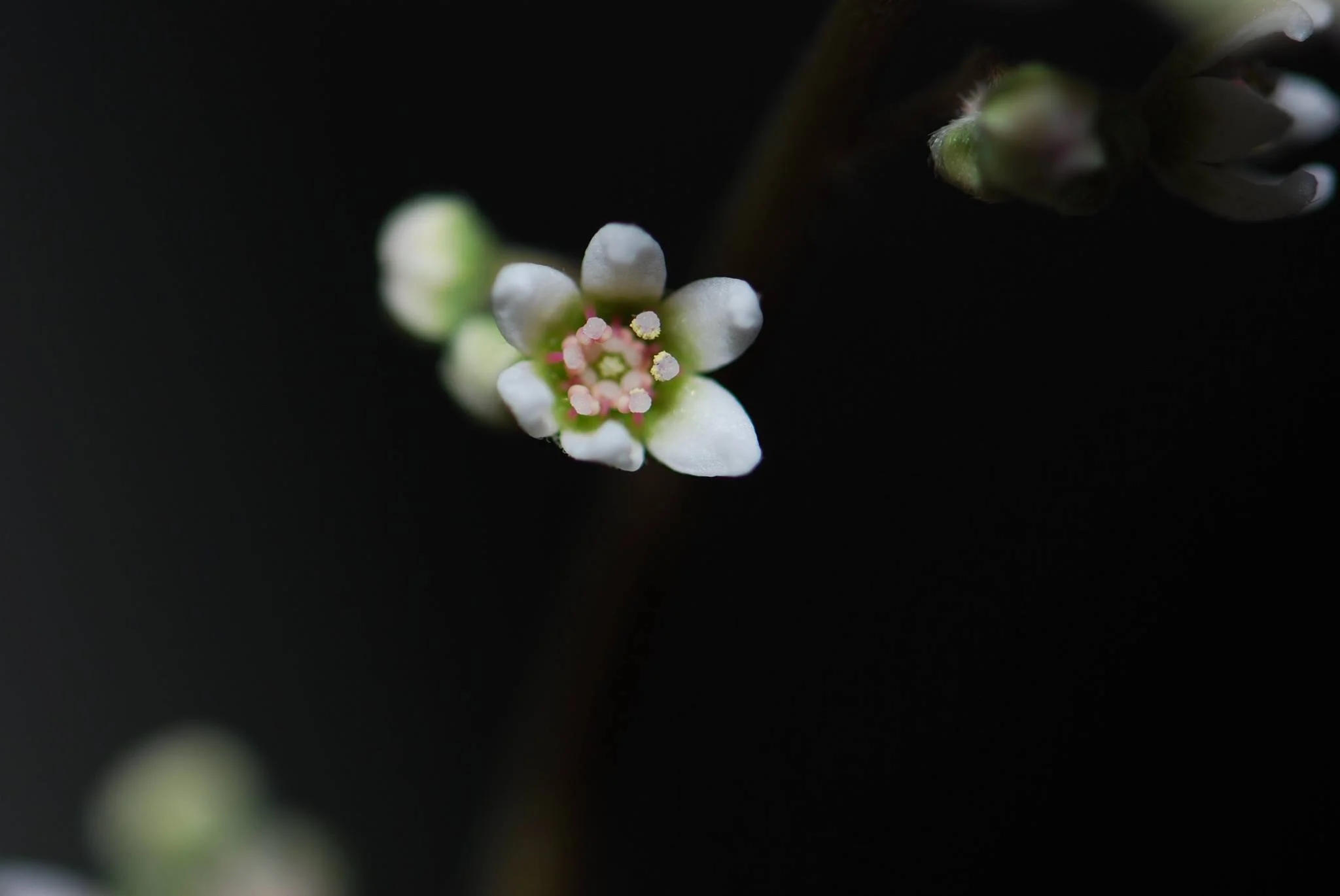
The relationship of Cephalotus to other plants has been the object of much scrutiny. Though it is different enough to warrant its own family (Cephalotaceae), its position in the greater scheme of plant taxonomy originally had it placed in Saxifragales. Genetic analysis has since moved it out of there and now places it within the order Oxalidales. What is most intriguing to me is that the closest sister lineage to this peculiar little pitcher plant are a group of trees in the family Brunelliaceae. Evolution can be funny like that.

Regardless of its relationship to other plants, Cephalotus follicularis has gained quite a bit of attention over the last few years. Its strange appearance and carnivorous habit have earned it a bit of stardom in the horticultural trade. A single specimen can fetch a hefty price tag. As a result, collecting from wild populations has caused a decline in numbers that are already hurting due to habitat destruction. Luckily they are easy to culture in captivity, which will hopefully take pressure off of them in the wild.

What's more, the loss of Cephalotus from the wild is hurting more than just the plant. A species of flightless, ant-mimicking fly requires Cephalotus pitchers to rear its young. They don't seem to mind growing up in the digestive enzymes of the pitchers and to date, their larvae have been found living nowhere else. If you are lucky enough to grow one of these plants, share the wealth. Captive reared specimens not only take pressure off wild populations, they are also much hardier. Lets keep wild Cephalotus in the wild!

Photo by Holger Hennern licensed under CC BY-SA 3.0

Photo by Holger Hennern licensed under CC BY-SA 3.0

Photo Credits: Holger Hennern (Wikimedia Commons) and Lucas Arrrrgh (https://www.flickr.com/photos/chug/2121092119/)

Further Reading: [1] [2] [3]

Ice Flowers

Photo by JosiahJohnston licensed under CC BY 3.0

Photo by JosiahJohnston licensed under CC BY 3.0


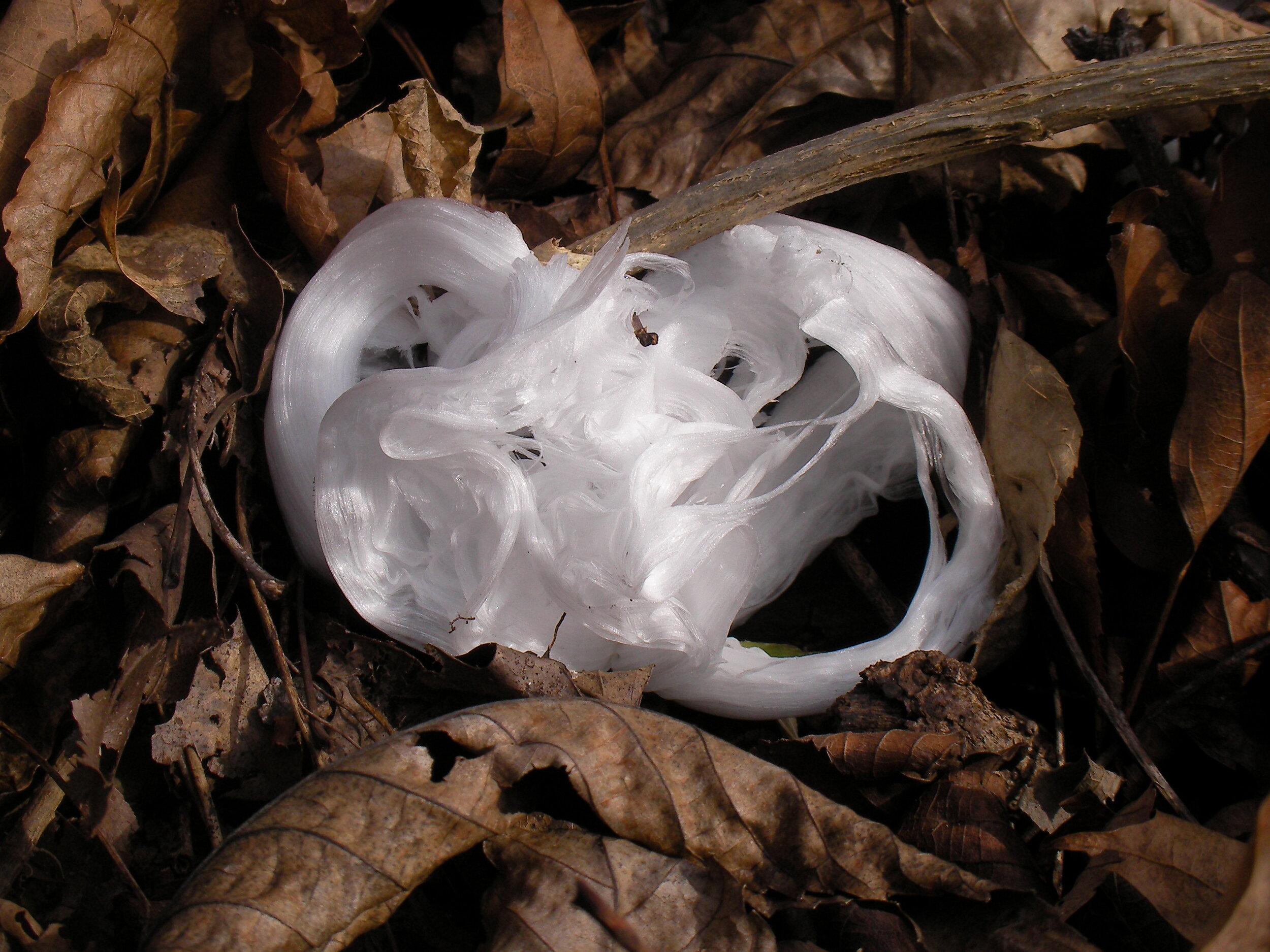
Those who are hardy enough to venture out on cold mornings during late fall may be lucky enough to encounter ice flowers. Though these beautiful ribbons of ice are not actual flowers, they are produced by some plant species. For at least one species (Verbesina virginica), this phenomenon occurs frequently enough to earn it the name frostweed. The production of these "ice flowers" has everything to do with plant physiology.

Ice flowers result from a perfect storm of sorts. They only occur on herbaceous tissues that are still actively transporting fluids. During the first hard freezes of fall, while the ground is still warmer than the air, the roots are still drawing up water into the stem. As ambient temperatures dip, the water within the stem starts to freeze. As it expands it causes the stem to rupture.

As the water and sap within spill out into the cold air, they too begin to freeze. The result is the formation of a ribbon of ice that seems to flow from the wound. As the ice continues to grow, more liquid is pulled from the stem and the ribbons grow more ornate. Contrary to popular opinion, these formations are not the result of frost deposition but rather a process called ice segregation.

Along with V. virginica, dittany (Cunila origanoides) and stinkweed (Pluchea camphorate) are also known to regularly produce ice flowers. Why it happens more frequently with these species and not others remains a mystery. It could be that they simply remain active longer into the fall than other plants species. Regardless of the reason, ice flowers are an interesting natural phenomenon to witness. Sometimes it pays to be an early riser on those first few cold days of late fall.


Further Reading:
http://my.ilstu.edu/~jrcarter/ice/flowers/

A Fern With Flower Genes - An Odd Case of Horizontal Gene Transfer

Photo by Aaron Carlson licensed under CC BY-SA 2.0

Photo by Aaron Carlson licensed under CC BY-SA 2.0

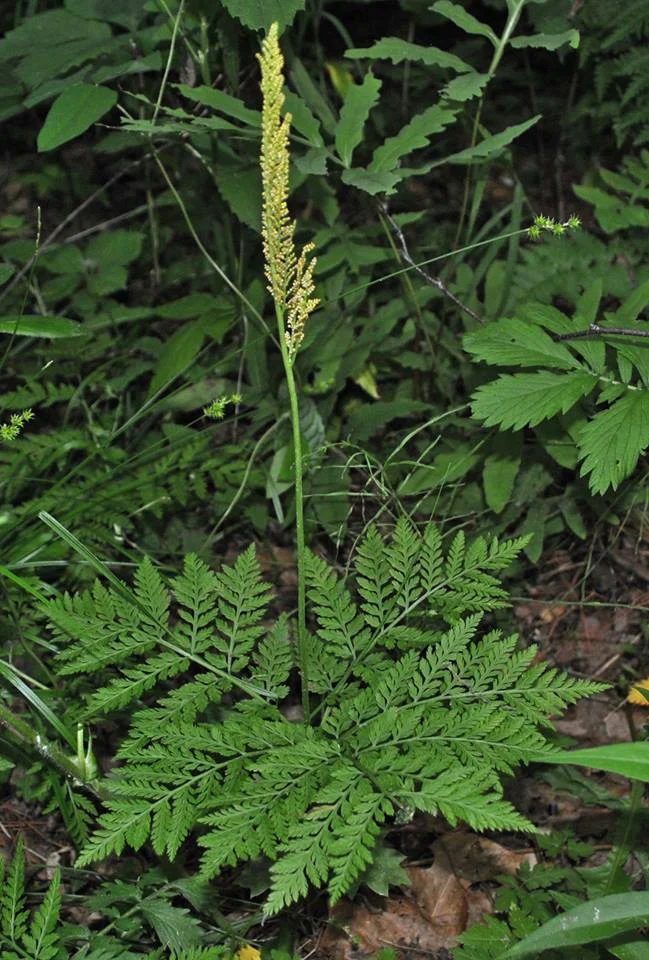
When researchers at Harvard decided to take a look at the genome of the rattlesnake fern (Botrypus virginianum) they found something completely unexpected. Whereas one set of genes they looked at placed this species firmly in the family to which it belongs, Ophioglossaceae, two other genes placed it in the Loranthaceae, a completely unrelated family of flowering plants. What are flowering plant genes doing in a fern?

The rattlesnake fern is a ubiquitous species found throughout the northern hemisphere. It is believed to have evolved in Asia and then radiated outward using ancient land bridges that once connected the continents. At some point before this radiation occurred, the rattlesnake fern picked up some genes that were entirely foreign.

Horizontal gene transfer, the transfer of genes from one organism to another without reproduction, is nothing new in nature. Bacteria do it all the time. Even plants dabble in it every now and then. The surprising thing about this recently documented case is that it is the first discovery of horizontal gene transfer between an angiosperm and a fern. Up until this point, examples within the plant realm have been seen between ferns and hornworts as well as some parasitic plants and their hosts.

This is why the rattlesnake fern genome is so interesting. How did this occur? Though there is no way of telling for sure, researchers believe that one of two things could have happened. The first involves root parasitism. The family Loranthaceae is home to the mistletoes, a group of plants most famous for their parasitic nature. Although the majority of mistletoe species are stem parasites, at least three genera utilize root parasitism. It could be that an ancient species of mistletoe transferred some genes while parasitizing a rattlesnake fern.

This scenario seems to be the least likely of the two as no representatives of the root parasitic mistletoes currently exist in Asia, though it is entirely possible that some did at one time. The other possibility doesn't involve parasitism at all but rather fungi. Rattlesnake ferns are obligate mycotrophs and thus cannot live without certain species of mycorrhizal fungi. Perhaps the transfer of genes was achieved indirectly via a shared mycorrhizal network. This hypothesis is especially tantalizing because if it is found to be true, it would help explain many other examples of horizontal gene transfer that currently lack a mechanism. Only time and more research will tell.

Photo Credit: Aaron Carlson (http://bit.ly/1OAVhNZ)

Further Reading:
http://www.ncbi.nlm.nih.gov/pmc/articles/PMC1560187/

Conifer Leaf Drop

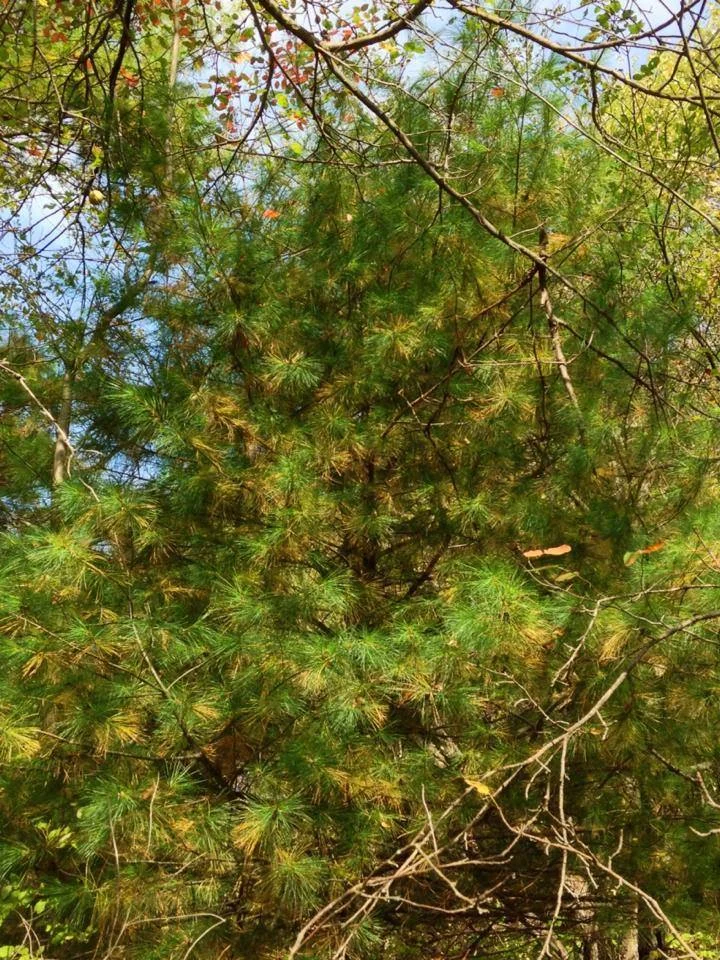
It's that time of year when evergreen trees become apparent. The most obvious are the conifers. These trees hold steady while everything else seems to be in a mad rush for winter. Despite the term "evergreen" the conifers are nonetheless preparing for winter as well, though on a much more subtle level. Anyone paying close attention will see some color changes happening to them too. Despite the designation as "evergreen" conifers do shed leaves.

Timescales are everything for us humans. We tend to notice things that happen relatively fast, like an entire forest turning color in only a few weeks. The conifers have adopted a strategy that isn't as in tune with our perception. Conifers, for the most part, specialize in harsh habitats. Excelling in poor soils and extreme cold, they tend to invest in the long term. Needles are one such adaptation. Their minimal surface area and structural integrity make up for their costly production in nutrient poor conditions. When a conifer produces needles, they need to last for a while.

And that is exactly what they do. The average conifer needle has a lifetime of roughly 2 years (with some exceptions of course). It doesn't make sense for them to bank on a whole new set leaves every year. Because of the way they grow, conifers usually shed their leaves from the inside out. New leaves are produced at the tips of branches and, as older leaves get shaded out, conifers cut their losses and drop them. If you take a close look at conifers during the fall, this pattern becomes readily apparent.

Leaf drop doesn't always happen quickly either. They are often spaced out over time. One of the reasons I like plants so much is that they operate on vastly different timescales than we do. As you become more and more familiar with different species, plants can teach you to start looking at things a bit different than you are used to. Get outside and find some needle dropping conifers of your own.

Further Reading: [1]

Sticky Friend

Photo by David A. Hofmann licensed under CC BY-NC-ND 2.0

Photo by David A. Hofmann licensed under CC BY-NC-ND 2.0

We have all had encounters with sticky plants. Outside of being an interesting sensory experience, the sticky nature of these floral entities would appear to have some evolutionary significance. Considering the cost of producing the glandular trichomes responsible for their stickiness, function is a reasonable question to ask about. For anyone who has taken the time to observe such plants, you will have undoubtedly noticed that insects tend to get stuck to them.

For carnivorous plants, the utility of these glands is readily obvious - trapped insects become food. Even non-carnivores like Roridula gain a nutrient benefit in the form of nutrient-rich feces deposited around the plant by specialized carnivorous bugs that consume trapped insects. However, there are many species of plants out there that fall under the category of "sticky" and a new paper explores this in a more general way.

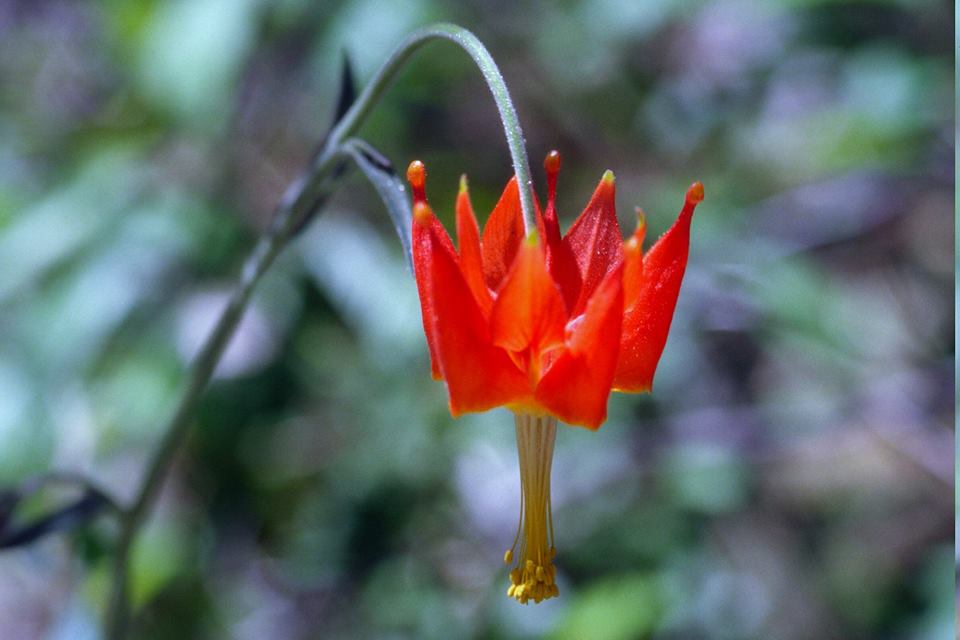
The serpentine columbine (Aquilegia eximia) is endemic to the Coastal Range of California and it is indeed quite sticky. Its surfaces are covered in glandular hairs. Any given plant can be covered in insects unfortunate enough to come into contact with it. However, it is not a carnivore. As such, researchers wanted to see what benefits, if any, the columbine gained from producing these glands.

By manipulating the amount of insects that were stuck to each plant, researchers found that plants without "victims" actually received more insect damage. The key to this mystery were predators. Plants with lots of trapped victims had more predatory bugs hanging around. These predators, when present, reduced herbivory by deterring other insects that were too large to get stuck. What's more, most of the benefits were observed in the flower buds, which means predators increased the overall reproductive fitness of the serpentine columbine. If the columbine did not trap small insects, these predators would have no reason to hang around.

These predatory bugs were by no means specific to the columbine. In fact, observation of the surrounding plant community found that these predatory insects were present on other sticky genera such as Arctostaphylos, Hemizoni, Holocarpha, Calycidenia, Cordelanthus, Castilleja, Mimulus, Trichostema, and Grindelia. This suggests that the relationship between sticky plants and these generalist predators is more widespread than previously thought. It may also offer a unique window into one possible driver behind the evolution of carnivory in plants.

Photo Credit: David A. Hofmann (http://bit.ly/1l9OtwC)

Further Reading:
http://www.esajournals.org/doi/abs/10.1890/15-0342.1

Insect Eating Bats Eat More Insects Than Birds in Tropical Forests

11879205_10100918207052785_7207423359997217843_o.jpg

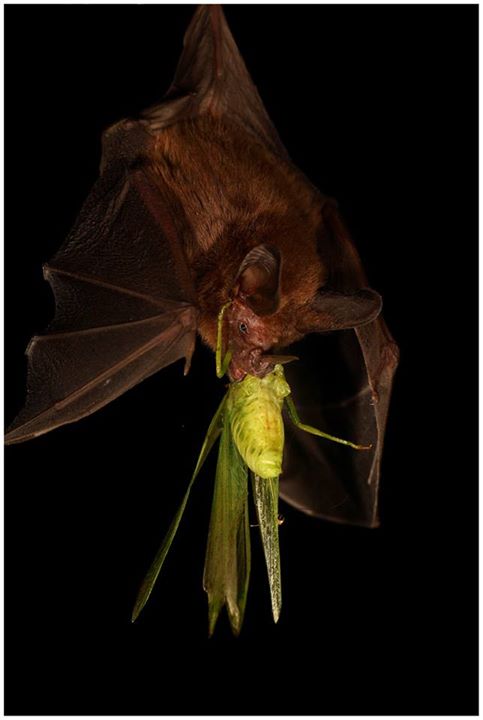
If the early bird gets the worm, it is only because we haven't been observing bats the right way, at least not in the rainforests of Central America. It has long been thought that insects such as katydids and caterpillars exhibit night feeding in order to escape day-active birds. This theory has influenced the way in which researchers investigate insect herbivory in tropical forests. However, recent studies have shown that bats, not birds, are doing the bulk of the insect eating in both natural and man-made habitats. 

In order to accurately investigate the role of insectivorous bats play in limiting herbivory in tropical forests, researchers decided to look at the common big-eared bat (Micronycteris microtis). They wanted to find out exactly how much insect predation could be attributed to these nocturnal hunters. As it turns out, 70% of the bats diet consists of plant eating insects, which is quite significant. Extrapolating upwards, it was apparent that we have been overlooking quite a bit.

Photo by Christian Ziegler via Santana SE, Geipel I, Dumont ER, Kalka MB, Kalko EKV (2011) All You Can Eat: High Performance Capacity and Plasticity in the Common Big-Eared Bat, Micronycteris microtis (Chiroptera: Phyllostomidae). PLoS ONE 6(12): e2…

Photo by Christian Ziegler via Santana SE, Geipel I, Dumont ER, Kalka MB, Kalko EKV (2011) All You Can Eat: High Performance Capacity and Plasticity in the Common Big-Eared Bat, Micronycteris microtis (Chiroptera: Phyllostomidae). PLoS ONE 6(12): e28584. doi:10.1371/journal.pone.0028584 licensed under CC BY 2.5

Using special exclosures, researchers set out to try to quantify herbivory rates when bats and birds were excluded. What they found was staggering. When birds were excluded from hunting on trees, insect presence went up 65%. When bats were excluded, insect presence skyrocketed by 153%! What this amounts to is roughly three times as much damage to trees when bats are removed - a significant cost to forests. 

To prove that it wasn't only natural forests that were benefitting from the presence of bats, the researchers then replicated their experiments in an organic cacao farm. Again, bats proved to be the top insect predators, eating three times as many insects than birds. This amounts to massive economic benefits to farmers. Bats have long been viewed as the enemies of both the farm as well as the farmers. Research like this is starting to change such perspectives. 

This certainly doesn't diminish the role of birds in such systems. Instead, it serves to elevate bats to a more prominent stature in the healthy functioning of forest ecosystems. Findings such as these are changing the way we look at these furry fliers and hopefully improving our relationship as well. 

Photo Credit: Christian Ziegler - Wikimedia Commons

Further Reading: [1] [2]
 

Orchid Ant Farms

Photo by Scott Zona licensed under CC BY-NC 2.0

Photo by Scott Zona licensed under CC BY-NC 2.0

I am beginning to think that there is no strategy for survival that is off-limits to the orchid family. Yes, as you may have figured out by now, I am a bit obsessed with these plants. Can you really blame me though? Take for instance Schomburgkia tibicinis (though you may also see it listed under the genera Laelia or more accurately, Myrmecophila). These North, Central, and South American orchids are more commonly referred to as cow-horn orchids because they possess hollow pseudobulbs that have been said to been used by children as toy horns. What is the point of these hollow pseudobulbs?

A paper published back in 1989 in the American Journal of Botany found the answer to that question. As it turns out, ants are quite closely associated with orchids in this genus. They crawl all over the flowers, feeding on nectar. The relationship goes much deeper though. If you were to cut open one of these hollow pseudobulbs, you would find ant colonies living within them. The ants nest inside and often pile up great stores of food and eventually waste within these chambers. The walls of the chambers are lined with a dark tissue that was suspect to researchers.

Using radioactively labeled ants, the researchers found that the orchids were actually taking up nutrients from the ant middens! What's more, nutrients weren't found solely in adjacent tissues but also far away, in the actively growing parts of the roots. These orchids are not only absorbing nutrients from the ants but also translocating it to growing tissues.

While orchids without a resident ant colony seem to do okay, it is believed that orchids with a resident ant colony do ever so slightly better. This makes sense. These orchids grow as epiphytes on trees, a niche that is not high in nutrients. Any additional sources of nutrients these plants can get will undoubtedly aid in their long-term survival. Also, because the ants use the orchids as a food source and a nest site, they are likely defending them from herbivores.

Photo Credit: Scott.Zona (http://bit.ly/1hvWiGX)

Further Reading:
http://www.jstor.org/stable/2444355

Devil's Claws

Proboscidea louisianica

Proboscidea louisianica

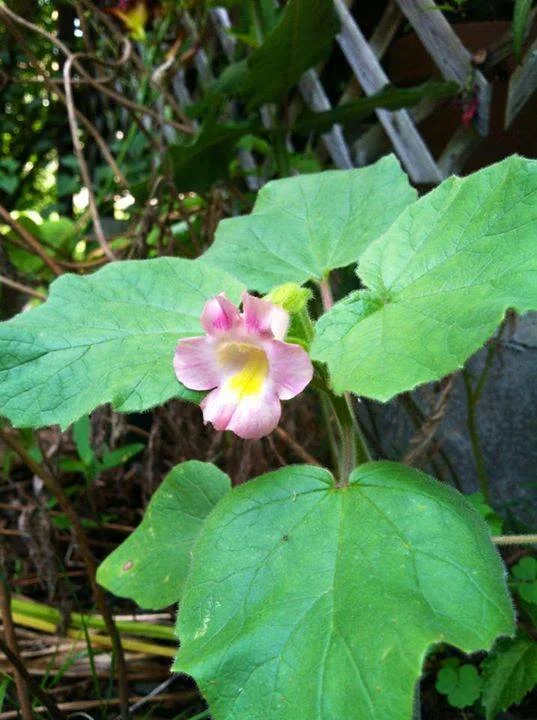
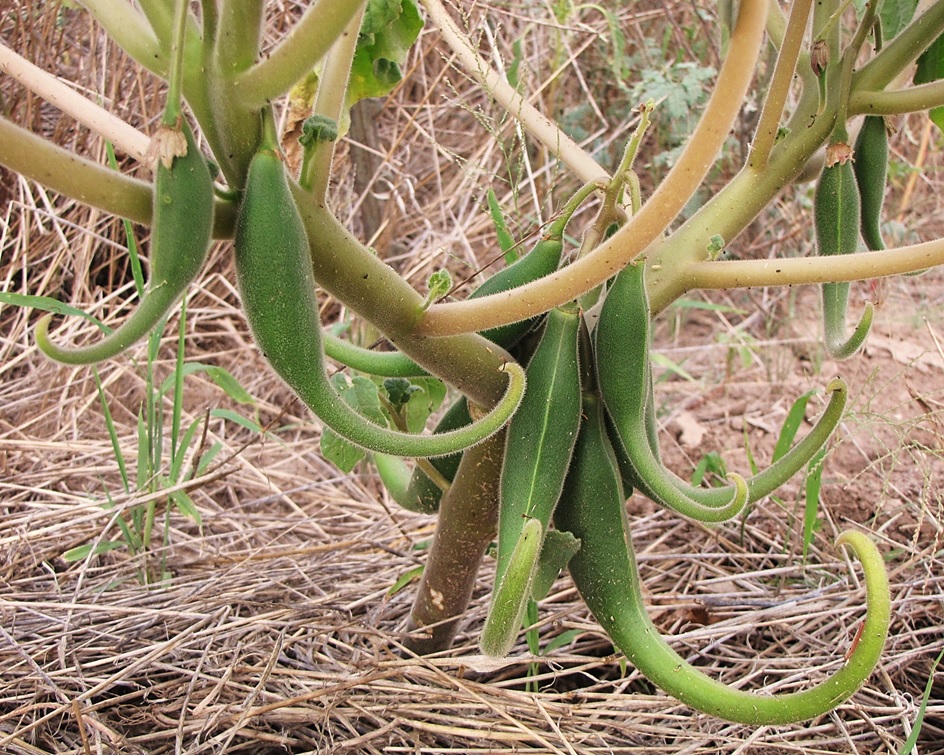
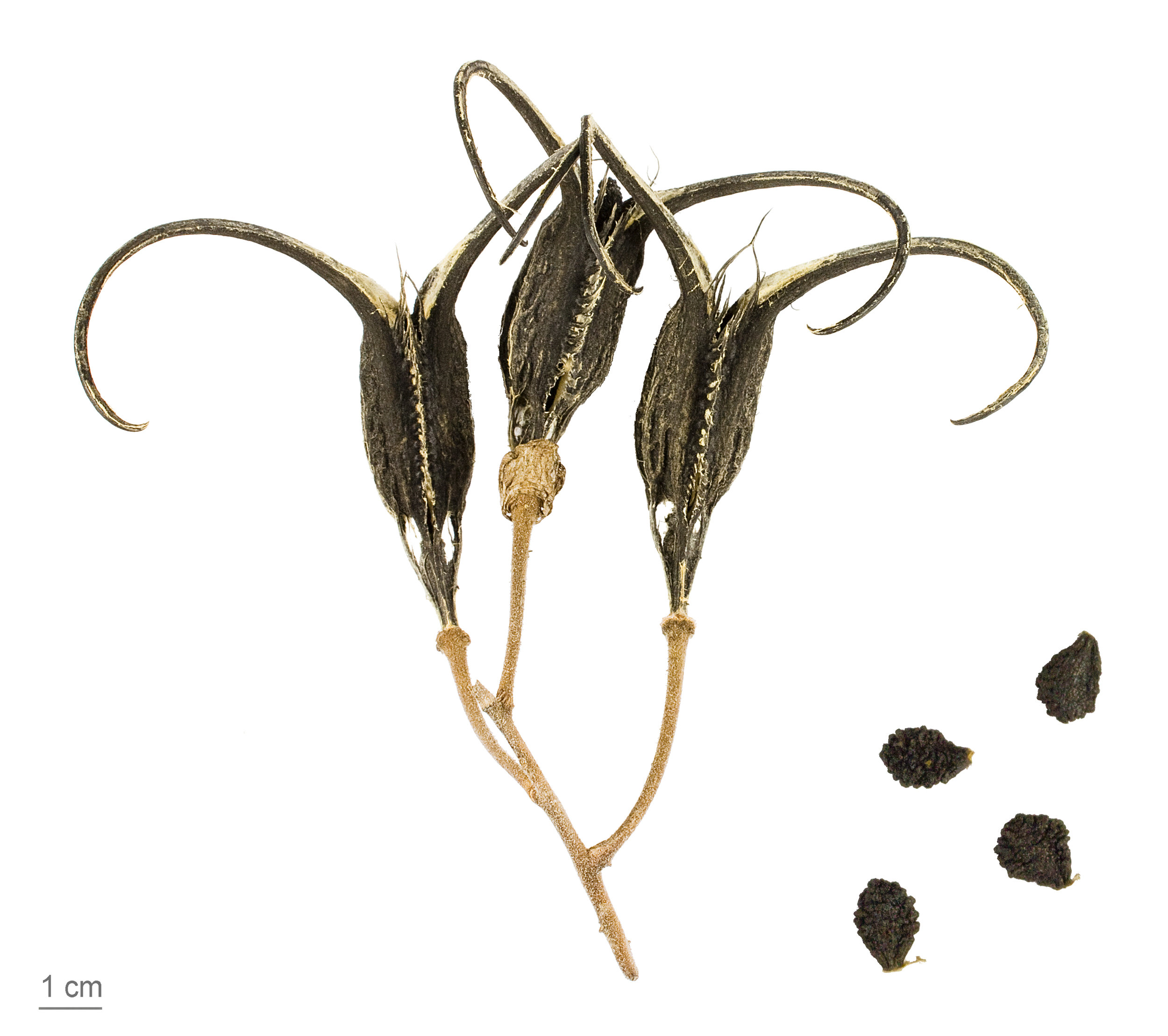
I would like to introduce you to the genus Proboscidea. These lovely, albeit sticky plants are collectively referred to as the Devil's claw plants. The common name comes from the nasty looking seed pods which likely evolved in response to large mammals that once roamed this continent. The genus Proboscidea has traditionally been placed into the sesame family (Pedaliaceae) due to superficial similarities in flower and seed morphology, but more recent work has moved it into the unicorn plant family, Martyniaceae. That's right... unicorn plants.

The entire family is found in the New World, with two species (P. lousianica P. althaeifolia) hailing from arid parts of the southern portions of North America. At least two other species are readily naturalizing in this region as well. There are some aspects of these species that make them quite interesting to botanists. For starters, the apt name of Devil's claw was bestowed upon this genus because of the bizarre seed pods they produce. Similar to burs, they can become entangled in fur quite readily. The odd thing about this seed dispersal mechanism for some Devil's claws is how big those seed pods are. Until cattle were introduced to this continent, animals large enough to effectively disperse these massive seed pods seemed to be missing, having gone extinct at the end of the last ice age. It is believed that these plants may be an anachronism of this era.

Photo by T.K. Naliaka licensed under CC BY-SA 4.0

Photo by T.K. Naliaka licensed under CC BY-SA 4.0

Photo by Roger Culos licensed under CC BY-SA 3.0

Photo by Roger Culos licensed under CC BY-SA 3.0

The flora we are familiar with today spent millennia co-evolving with ice age megafauna like mammoths and giant ground sloths. There is a growing school of thought that many close relationships probably developed over this time and have not yet been lost due to the relatively limited amount of time since the extinction of these large mammals. There are some people who will tell you that the seed pods are "designed" to ensnare small mammals like mice, causing them to die, which then provides the seeds a nutrient-rich, rotting corpses on which to germinate. I have never been able to find any evidence in support of these claims.

Another intriguing anatomical feature of this species are the countless sticky glands that cover the entire plant. These readily ensnare insects that land on or try to climb up the plant. Analysis of the fluids secreted by these glands show evidence of digestive enzymes but the jury still seems to be out on whether or not Devil's claws are undergoing any active carnivorous behavior.

Proboscidea althaeifolia.  Public Domain

Proboscidea althaeifolia. Public Domain

It is more likely that these glands are a form of defense against insect herbivores and indeed they work quite well. Even a brief run-in with this plant leaves you quite sticky and slimy. It is possible that by ensnaring herbivorous insects, the plant can attract carnivorous insects that will eat the herbivores and then "repay" the devil's claw with nutrient-rich feces. Another possibility is that the glands cause the plant to become covered in sand grains over time. Such sandy armor would get in the way of hungry herbivores. To ad insult to injury, the plant kind of smells. It has been likened to old gym clothes.

These are neat plants. I have had fun growing them in the past. They are an annual but may reseed if care is not taken to removing the seed pods before they pop open. Because of their lively appearance and the unique look of their seed pods, these plants are often grown as horticultural oddities. Be careful though, as they have escaped cultivation outside of their native range and can be considered a noxious weed!

Photo Credit: [1] [2] [3]

Further Reading: [1] [2] [3] [4]