Meet the Catalpas

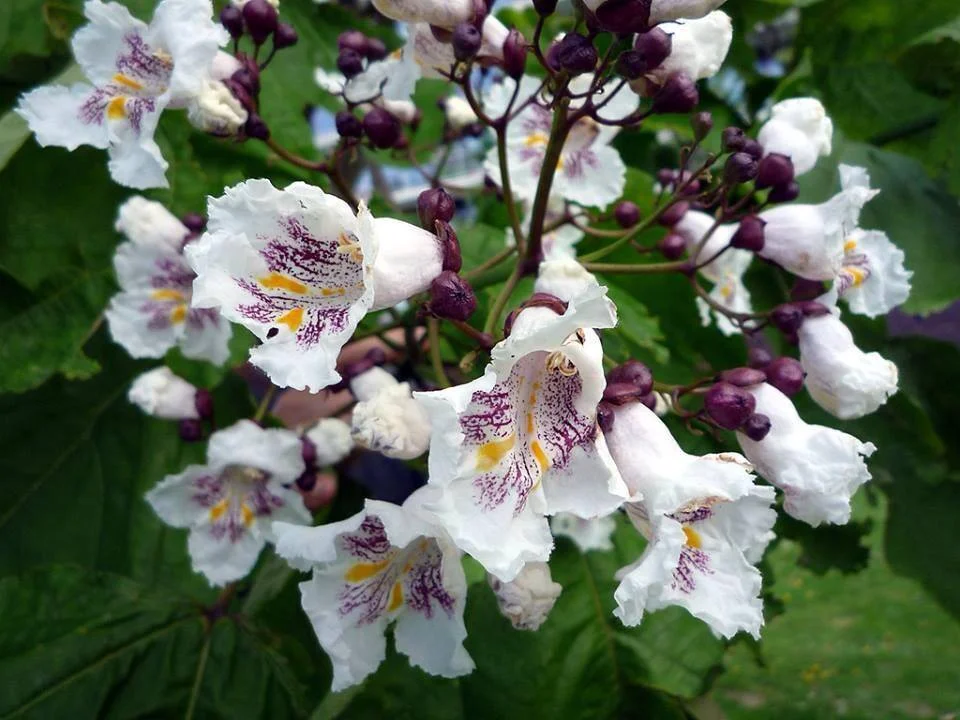
A romp through the North American countryside this time of year is quite enjoyable. So many plants are coming into bloom and life abounds everywhere you look. One particularly lovely sight to see is a large stand of catalpa trees in full bloom. With their stunning display of large flowers all clustered onto spikes, it is no wonder why this genus has become such a popular landscaping choice. 

The genus name Catalpa is actually a derivation of the Muscogee word "kutuhlpa," which translates to "winged head". This is probably in reference to the winged seeds that emerge from the long, bean-like pods. Either way, these trees have an interesting story to be told that goes far beyond their horticultural use. 
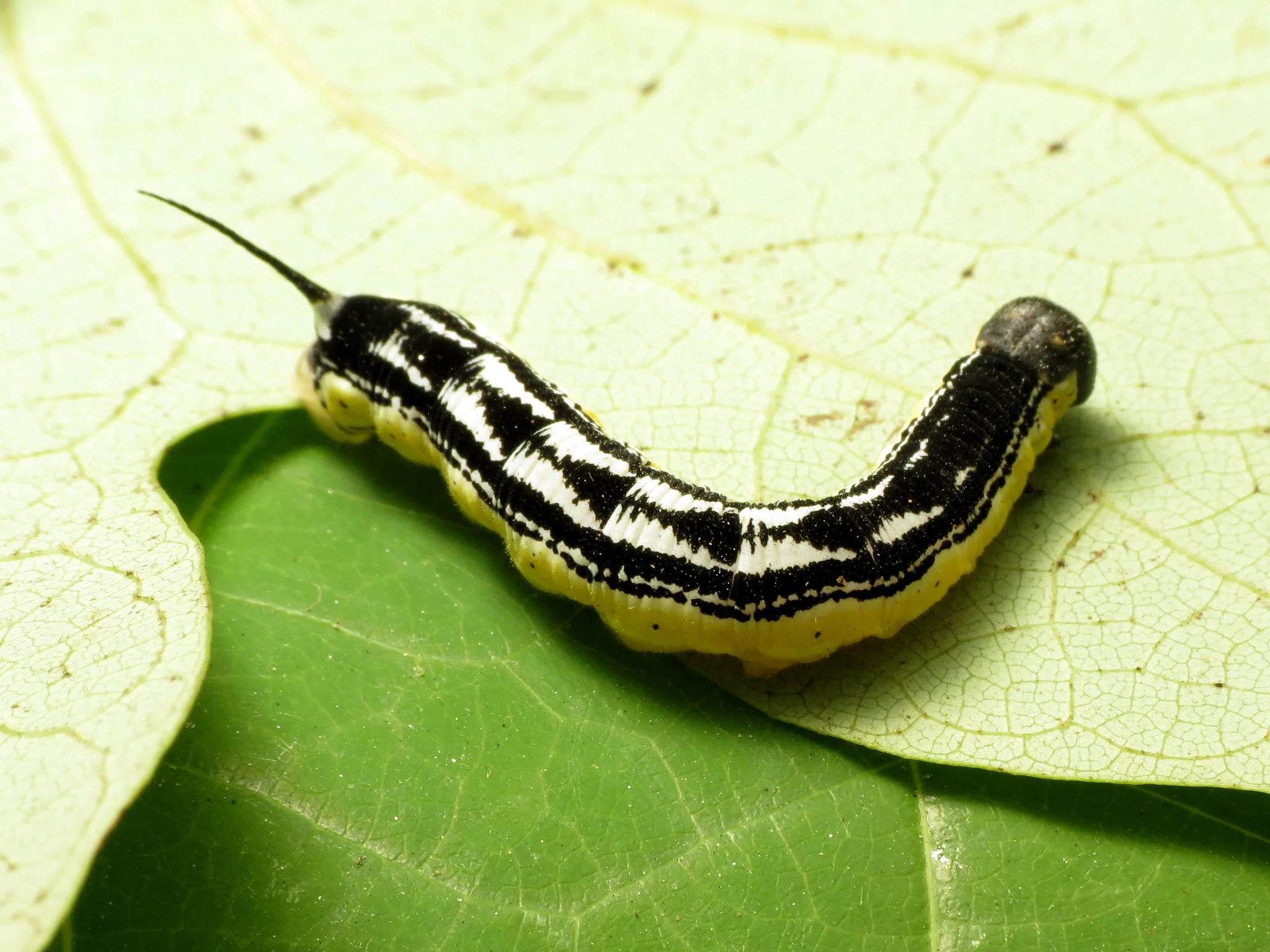
The larvae of the catalpa sphinx moth (Ceratomia catalpae). Photo by Katja Schulz licensed under CC BY 2.0

The larvae of the catalpa sphinx moth (Ceratomia catalpae). Photo by Katja Schulz licensed under CC BY 2.0

North America has two native species of catalpa, Catalpa bignonioides and C. speciosa. When described by European botanists, the former was growing in a narrow swath of the southeast and the latter in an even narrower range near the confluence of the Ohio and Mississippi Rivers. As many of you realize, these trees do really well when planted outside of these areas. This fact is not lost on botanists and ecologists and indeed many have speculated that the genus was undergoing a range contraction long before Europeans made it to the continent. An archaeological dig in West Virginia added some credence to this theory when evidence of C. speciosa was found far from where this tree was originally thought to grow. 

Catalpas are the sole host for the larvae of the catalpa sphinx moth (Ceratomia catalpae). Large infestations of these caterpillars can even defoliate the trees. Because of this, catalpas have evolved an interesting defense mechanism. The leaves of catalpa have what are called extrafloral nectaries. These are glands that excrete sugary nectar. The nectar attracts ants. When the leaves sense damage from the catalpa sphinx moth caterpillars, production of nectar increases dramatically. This focuses the ants attention towards leaves that are in need of defense. Because ants are so apt to defend a reliable food source, they quickly go to work on driving away the caterpillars. 

Photo Credit: [1] [2]
Further Reading: [1] [2] [3] [4] [5]

America's Trees are Moving West

Understanding how individual species are going to respond to climate change requires far more nuanced discussions than most popular media outlets are willing to cover. Regardless, countless scientists are working diligently on these issues each and every day so that we can attempt to make better conservation decisions. Sometimes they discover that things aren't panning out as expected. Take, for instance, the trees of eastern North America.

Climate change predictions have largely revolved around the idea that in response to warming temperatures, plant species will begin to track favorable climates by shifting their ranges northward. Of course, plants do not migrate as individuals but rather generationally as spores and seeds. As the conditions required for favorable germination and growth shift, the propagules that end up in those newly habitable areas are the ones that will perform the best.

Certainly data exists that demonstrates that this is the case for many plant species. However, a recent analysis of 86 tree species native to eastern North America suggests that predictions of northward migration aren't painting a full picture. Researchers at Purdue University found that a majority of the species they looked at have actually moved westward rather than northward.

Of the trees they looked at, 73% have increased their ranges to the west whereas only 62% have increased their ranges northward. These data span a relatively short period of time between 1980 and 2015, which is even more surprising considering the speed at which these species are moving. The team calculated that they have been expanding westward at a rate of 15.4 km per decade!

These westward shifts have largely occurred in broad-leaf deciduous trees, which got the team thinking about what could be causing this shift. They suspected that this westward movement likely has something to do with changes in precipitation. Midwestern North America has indeed experienced increased average rainfall but still not nearly as much as eastern tree species are used to getting in their historic ranges. Taken together, precipitation only explains a small fraction of the patterns they are observing.

Although a smoking gun still has not been found, the researchers are quick to point out that just because changes in climate can not explain 100% of the data, it nonetheless plays a significant role. It's just that in ecology, we must consider as many factors as possible. Decades of fire suppression ,changes in land use, pest outbreaks, and even conservation efforts must all be factored into the equation.

Our world is changing at an ever-increasing rate. We must do our best to try and understand how these myriad changes are going to influence the species around us. This is especially important for plants as they form the foundation of every major terrestrial ecosystem on this planet. As author John Eastman so eloquently put it "Since plants provide the ultimate power base for all the food and energy chains and webs that hold our natural world together, they also form the hubs of community structure and thus the centers of our focus."

Further Reading:  [1]

A Beautiful and Bizarre Gentian

There is something about gentians that I am drawn to. I can't quite put my finger on it but it definitely has something to do with their interesting pollination strategies. One of the coolest gentian species I have ever met grows in the mountainous regions of western North America.

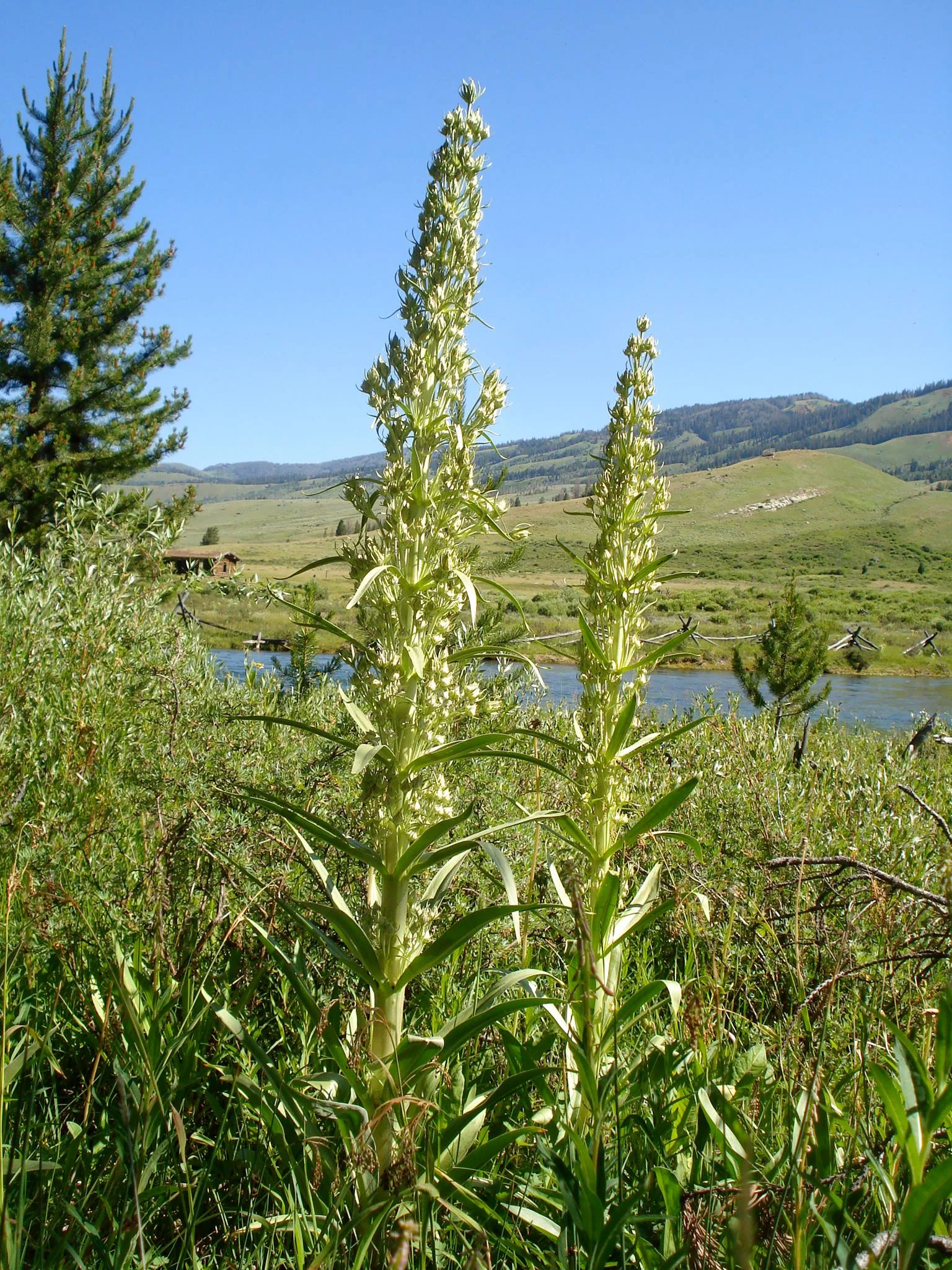
Meet Frasera speciosa a.k.a. the monument plant (a.k.a. elkweed). It is only one of 14 species in the genus. This fascinating species (as well as its relatives) lives out most of its life as a rosette of large, floppy leaves. The monument plant is what is known as a "monocarpic perennial", meaning it lives for many years as a rosette before flowering once and dying. It has been recorded that some individuals can be upwards of 30 years old by the time they flower!

This reproductive strategy brings with it a specific set of challenges but yet, if balanced correctly, offers many advantages. For starters, if you only flower once in a life time, you best make it count. The good news is, if flowering events are rare and widely spaced, this is a good strategy for avoiding herbivores. Such an irregular reproductive lifestyle means that the likelihood of a flowering population getting munched on is greatly reduced.

The same goes for seeds. If setting seed is a rare and widely spaced event, the likelihood of seed predation is also reduced. This is what is known as predator avoidance behavior. While it is not quite understood how plants synchronize flowering (though environmental conditions do play a role), it has been found that, for at least some populations, it alternates in intervals of 3 and 7 years. In essence, each flowering event can be seen as mast event. This keeps the overall impact of any potential herbivores and seed predators to a minimum.

This synchronous flowering strategy can also be beneficial for insuring cross pollination. The flowers are large and seemingly quite attractive to many different species of pollinators. By flowering all at once, a population is offering a tempting bonanza for pollinators that ensures many visits to each flower, thus increasing the chances of reproductive success. Since each individual plant invests all of its collective energy into a single flowering event, more energy is allocated to producing flowers and seed than if it flowered year after year.

The interesting habits of this plant's lifestyle don't end there. Each plant is essentially a pretty awesome parent! It has been found that seeds that are buried under the decomposing remains of a parent plant not only germinate better but the resulting seedlings also have a much higher rate of survival. This is good news for two big reasons.

For one, the decomposing remains enrich the surrounding soil while also creating a humid micro climate that is very conducive to growth. Second, the fact that they all germinate and grow relatively close to the parent plant, means that the density of young plants closely mimics that of the parental population. If the seeds were to be dispersed great distances from each other, it would be much more difficult to synchronize a flowering event and to ensure sufficient pollination. This way, entire populations grow up together in this nursery made from the remains of their parents. This is such a cool genus and I hope you get the chance to meet one for yourself.

Further Reading: [1] [2] [3] [4] [5]
 

Meet the Fringe Tree

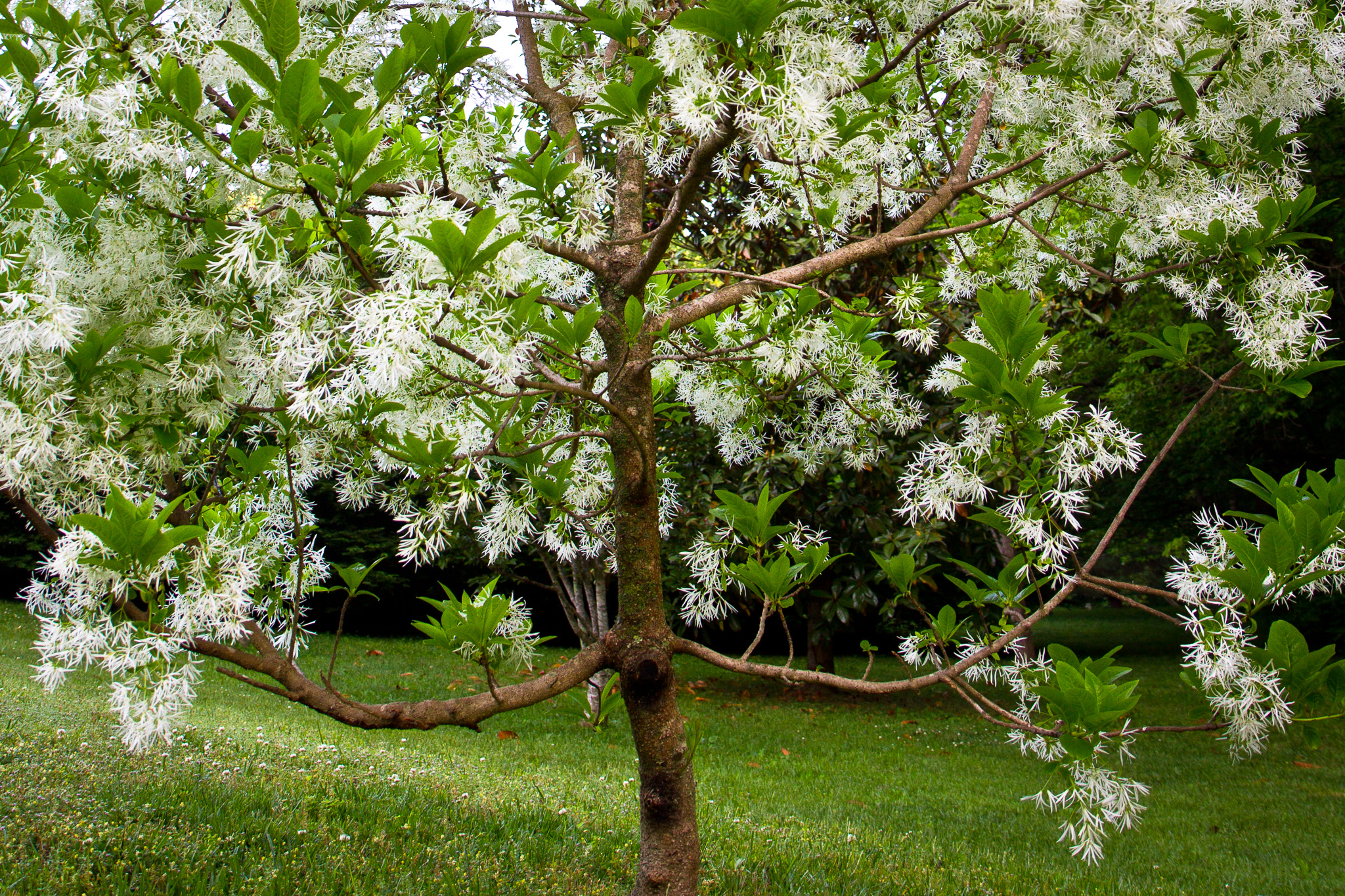
The fringe tree (Chionanthus virginicus) Photo by Arthur T. LaBar licensed under CC BY-NC 2.0

The fringe tree (Chionanthus virginicus) Photo by Arthur T. LaBar licensed under CC BY-NC 2.0

Coming across a fringe tree in full bloom is a spectacular experience. Known scientifically as Chionanthus virginicus, some may surprised to realize that this is a native tree to eastern North America. Though it has found its way into the horticultural trade, it is still not terribly common. Today I would like to celebrate this interesting tree as well as bring to your attention some alarming facts that might threaten its existence in the wild. 

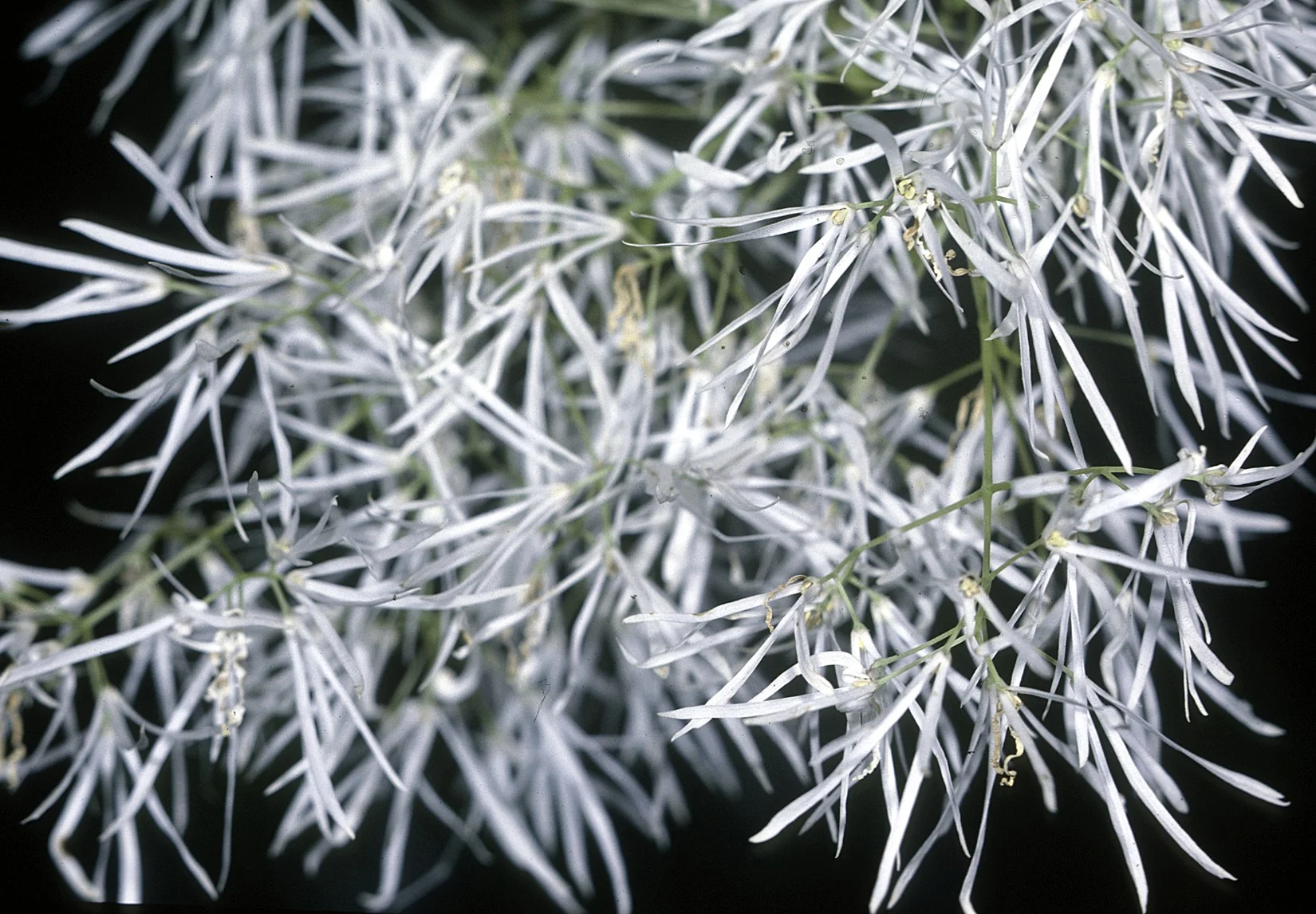
Fringe tree can be found growing wild in the understories and edges of forests throughout eastern North America. It tends to be quite a rarity on the edges of its range, hitting its densest distribution in a handful of the southeastern states. Individual trees are either male or female but both produce quite a floral display. They produce dense clusters of wispy white flowers, which do give off a slight fragrance but one has to get up close and personal with the branches to really appreciate it. 

Chionanthus_virginicus_USDA.jpg

The fringe tree hails from the same family as the ash trees - Oleaceae. Unfortunately, this taxonomic relationship may be bad news for the fringe tree in the long run. At least one study has shown that fringe trees can serve as hosts for the emerald ashborer. The sample size on this study was quite low, only 4 of 20 adult trees showed signs of completed larval development and adult emergence holes. Subsequent observations suggest that fringe trees are in fact viable hosts for this invasive pest, which is certainly cause for concern. Perhaps the one thing fringe tree has going for it are its sparse populations, making it harder to detect by these wood boring beetles. Only time and a lot of attention will tell. 

Regardless, I think this is a wonderfully underrated tree for a native eastern North America landscape. It is rather hardy and puts on quite a show every spring. As the Grumpy Gardener so eloquently put it, "It’s tougher than dogwood, more dependable than saucer magnolia, longer-lived than cherry, and smells better than stinky Bradford. And it’s beautiful." I couldn't agree more. Just make sure that if you know of wild fringe tree populations or have some growing on your property that you regularly monitor them for signs of emerald ashborer infestation.

Photo Credits: [1] [2] 

Further Reading: [1] [2]

How Spiders Increase Plant Diversity

If healthy ecosystems are what we desire, we must embrace predators. There is no way around it. Because of their meat-based diets, predators can have serious effects on plant diversity. Generally speaking, as plant diversity increases, so does the biodiversity of that region. It's not just large predators like wolves and bears either. Even predators as small as spiders can have considerable impacts on not only plant diversity, but ecosystem processes as well. Before we get to that, however, we should take a moment to review some of the background on this subject.

The way in which predators mediate plant diversity falls under a realm of an ecological science called top-down ecosystem controls. In a top-down system, predators mediate the populations of herbivores, which takes pressure off of the plant community. It makes a lot of sense as a numbers game. The fewer herbivores there are, the better the plants perform overall. However, ecology is never that simple. More and more we are realizing that top-down controls have less to do with fewer herbivores than they do with herbivore behavior.

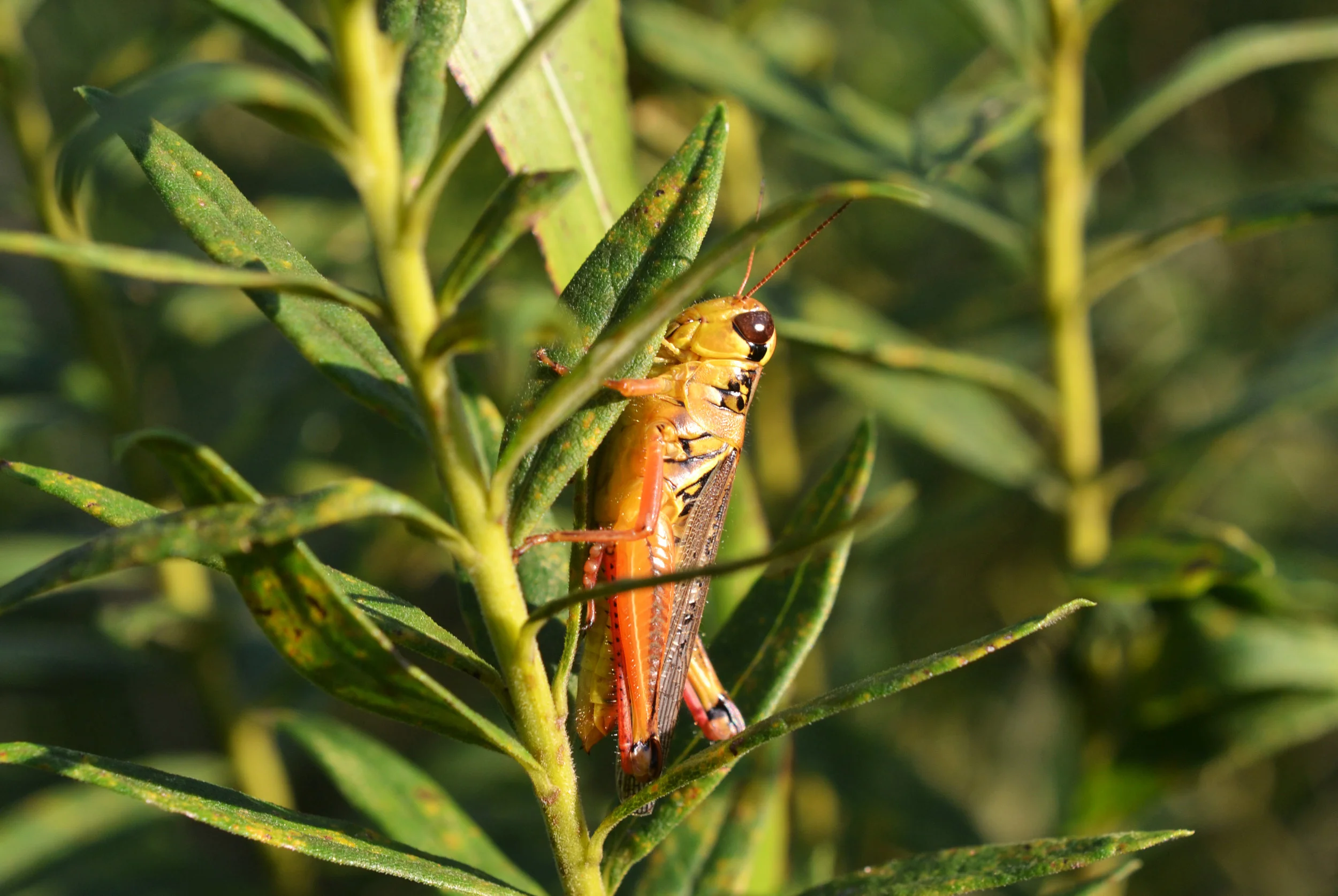
Herbivores, like any organism on this planet, respond to changes in their environment. When predators are present, herbivores often become more cautious and change up their behavior as a result. Such is the case of grasshoppers living in fields. Grasshoppers are incredibly numerous and can do considerable amounts of damage to plant communities as they feed. Picture swarms of locusts and you kind of get the idea.

Photo by Andrew Cannizzaro licensed under CC BY 2.0

Photo by Andrew Cannizzaro licensed under CC BY 2.0

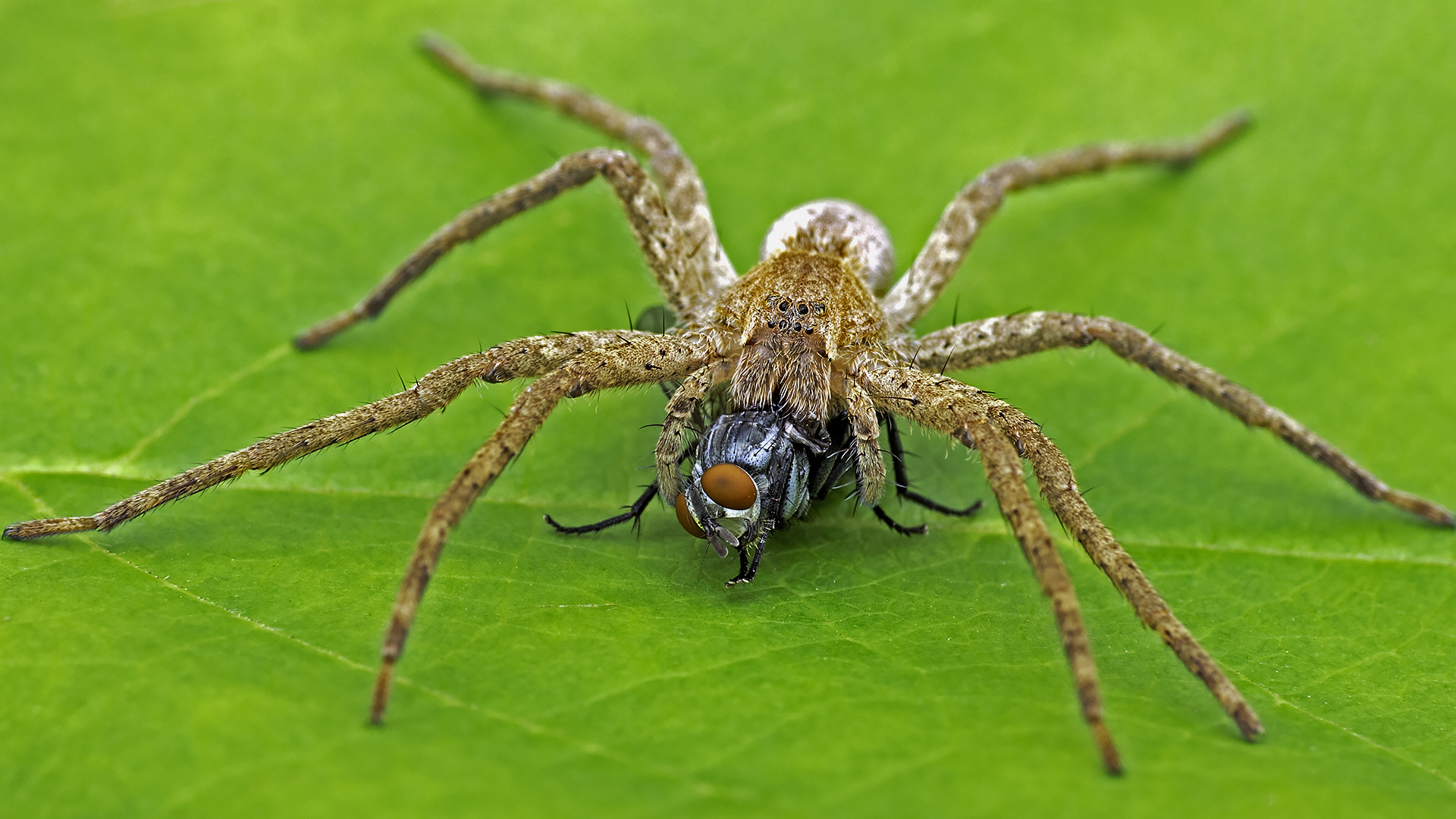
Given the choice, grasshoppers will preferentially feed on some plants more than others. Such was the case when researchers began observing grasshopper behavior in some old fields in Connecticut. The grasshoppers in this study really seemed to prefer grasses to all other plants. That is unless spiders were present. In this particular system lives a spider known as the nursery web spider (Pisaurina mira). The nursery web spider is an effective hunter and the fact does not seem to be lost on the grasshoppers.

In the presence of spiders, grasshoppers change up their feeding behavior quite a bit. Instead of feeding on grasses, they switch over to feeding on goldenrod (Solidago rugosa). Although the researchers are not entirely sure why they make this shift, they came up with three possible explanations. First is that the goldenrod is much more structurally complex than the grass and thus offers more places for the grasshopper to hide. Second is that goldenrod fills the grasshoppers stomach in less time thanks to the higher water content of the leaves. This would mean that grasshoppers had more time to watch for predators than they would if they were eating grass. Third is that the feeding behaviors of both arthropods allows the grasshopper to better keep track of where spiders might be lurking. It is very likely that all three hypotheses play a role in this shift.

Photo by Tibor Nagy licensed under CC BY-NC 2.0

Photo by Tibor Nagy licensed under CC BY-NC 2.0

It's the shift in diet itself that has ramifications throughout the entire ecosystem in question. Many goldenrod species are highly competitive when left to their own devices. If left untouched, abandoned fields can quickly become a monoculture of goldenrod. That is where the spiders come in. By causing a behavioral shift in their grasshopper prey, the spiders are having indirect effects on plant diversity in these habitats. Because grasshoppers spend more time feeding on goldenrods in the presence of spiders, they knock back some of the competitive advantages of these plants.

The researchers found that when spiders were present, overall plant diversity increased. This is not because the spiders ate more grasshoppers. Instead, it's because the grasshoppers shifted to a diet of goldenrod, which knocked the goldenrod back just enough to allow other plants to establish. It's not just plant diversity that changed either. Spiders also caused an increase in both solar radiation and nitrogen reaching the soils!

In knocking back the goldenrod, the habitat became slightly more open and patchy as various plant species of different shapes and sizes gradually established. This allowed more light to reach the soil, thus changing the environment for new seeds to germinate. Also, because goldenrod leaves tend to break down more slowly, they can have significant influences on nutrient cycles within the soil. As a more diverse set of plants establish in these field habitats, the type of leaf litter that falls to the ground changes as well. This resulted in an overall increase in the nitrogen supply to the soil, which also influences plant diversity.

In total, the mere presence of spiders was enough to set in motion these top-down ecosystem effects. It's not that spiders eat more grasshoppers, it's that they are changing the behavior of grasshoppers in a way that results in a more diverse plant community overall. This is a radically different narrative than what has been observed with examples such as the reintroduction of wolves to the greater Yellowstone ecosystem yet the conclusions are very much the same. Predators have innumerable ecosystem benefits that we simply can't afford to ignore. 

Photo Credits: [1] [2] [3]

Further Reading: [1] [2]


On Soil and Speciation

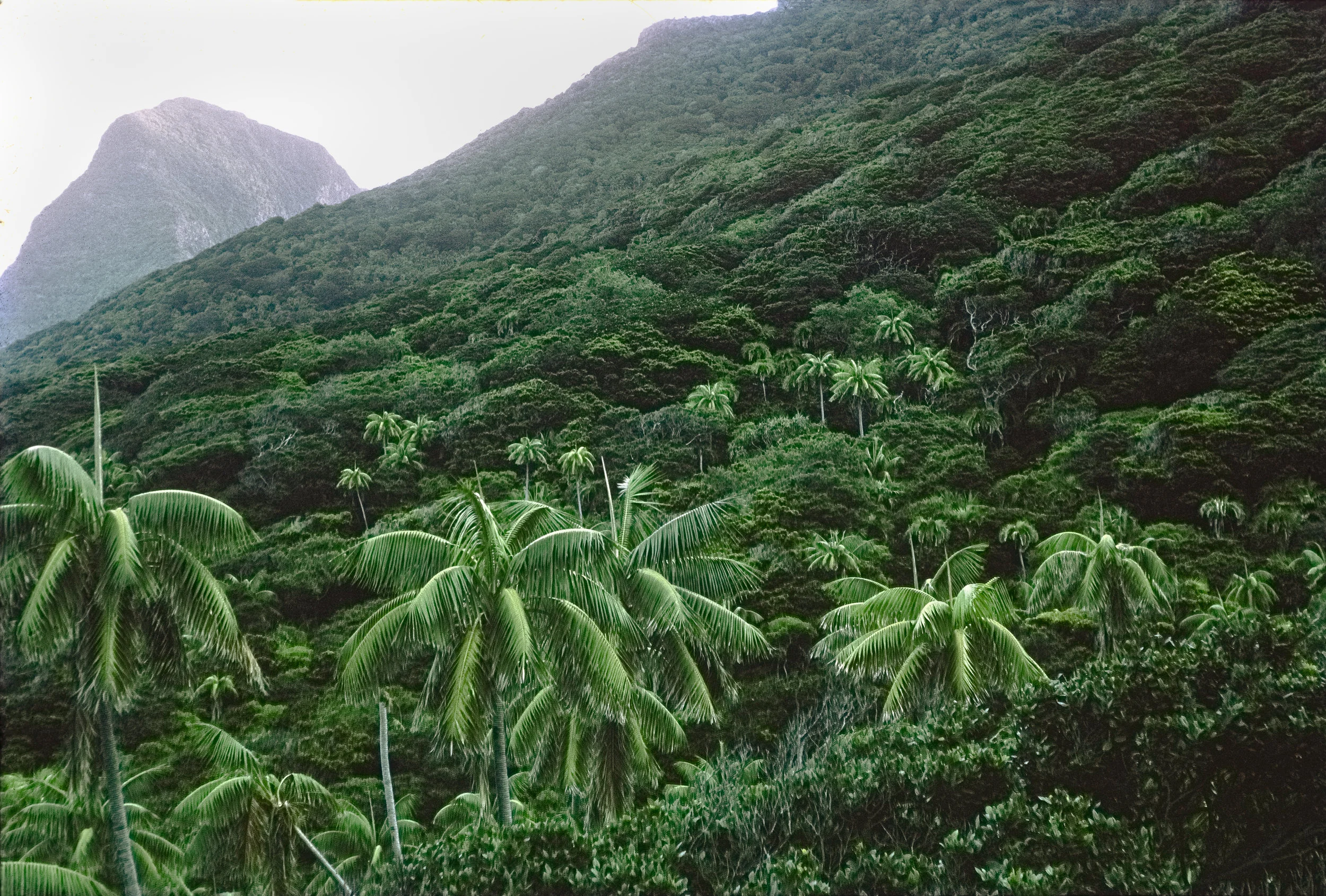
Lord Howe Island. Photo by John Game licensed under CC BY 2.0

Lord Howe Island. Photo by John Game licensed under CC BY 2.0

Many of you will undoubtedly be familiar with some variation of this evolutionary story: A population of one species becomes geographically isolated from another population of the same species. Over time, these two separate populations gradually evolve in response to environmental pressures in their respective habitats. After enough time has elapsed, gradual genetic changes result in reproductive isolation and eventually the formation of two new species. This is called allopatric speciation and countless examples of this exist in the real world.

At the opposite end of this speciation spectrum is sympatric speciation. Under this scenario, physical isolation does not occur. Instead, through some other form of isolation, perhaps reproductive or phenological, a species gives rise to two new species despite still having contact. Examples of this in nature are far less common but various investigations have shown it is indeed possible. Despite its rarity, examples of sympatric speciation have nonetheless been found and one incredible example has occurred on a small oceanic island off the coast of Australia called Lord Howe Island.

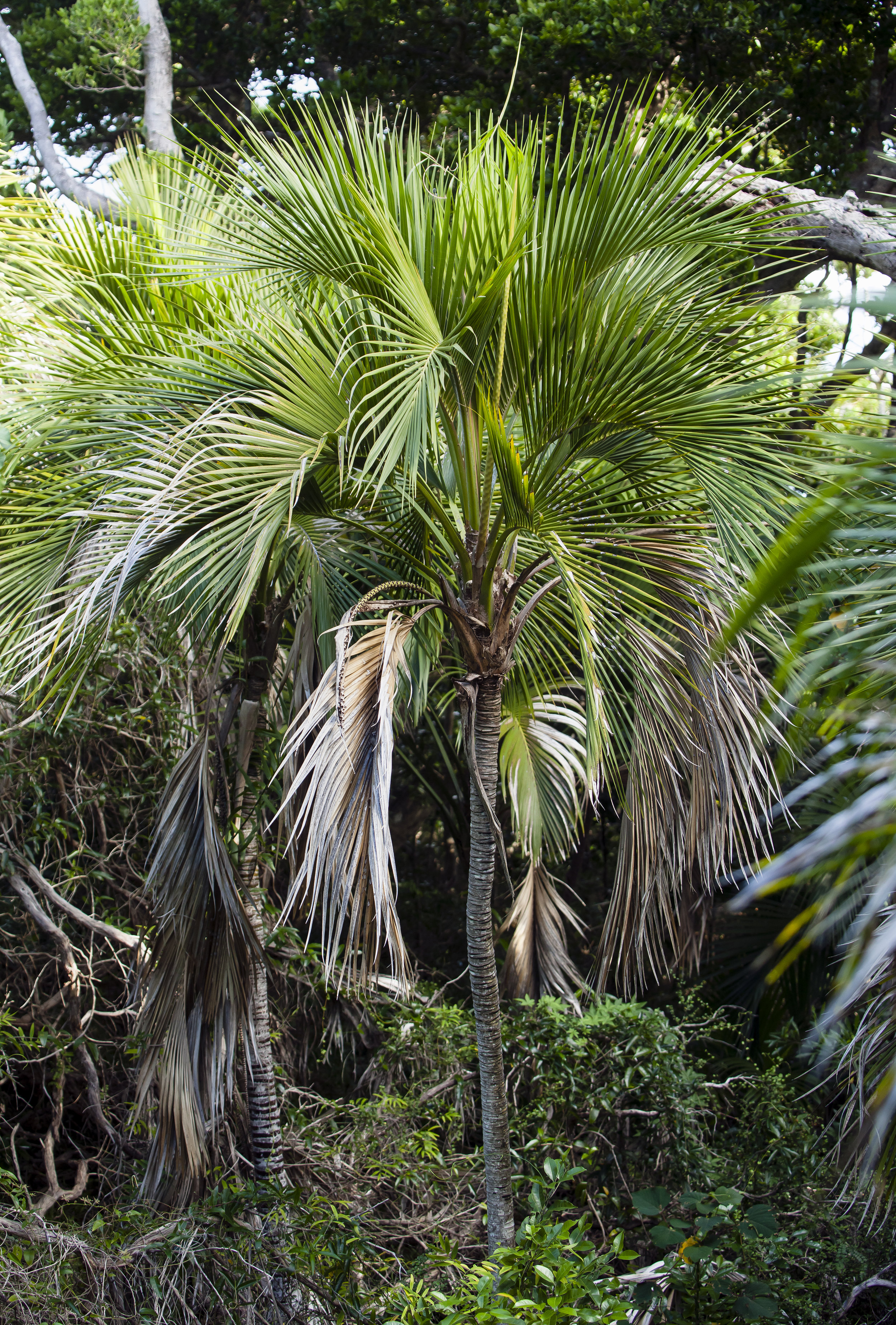
Howea  belmoreana and Howea forsteriana [SOURCE]

Howea belmoreana and Howea forsteriana [SOURCE]

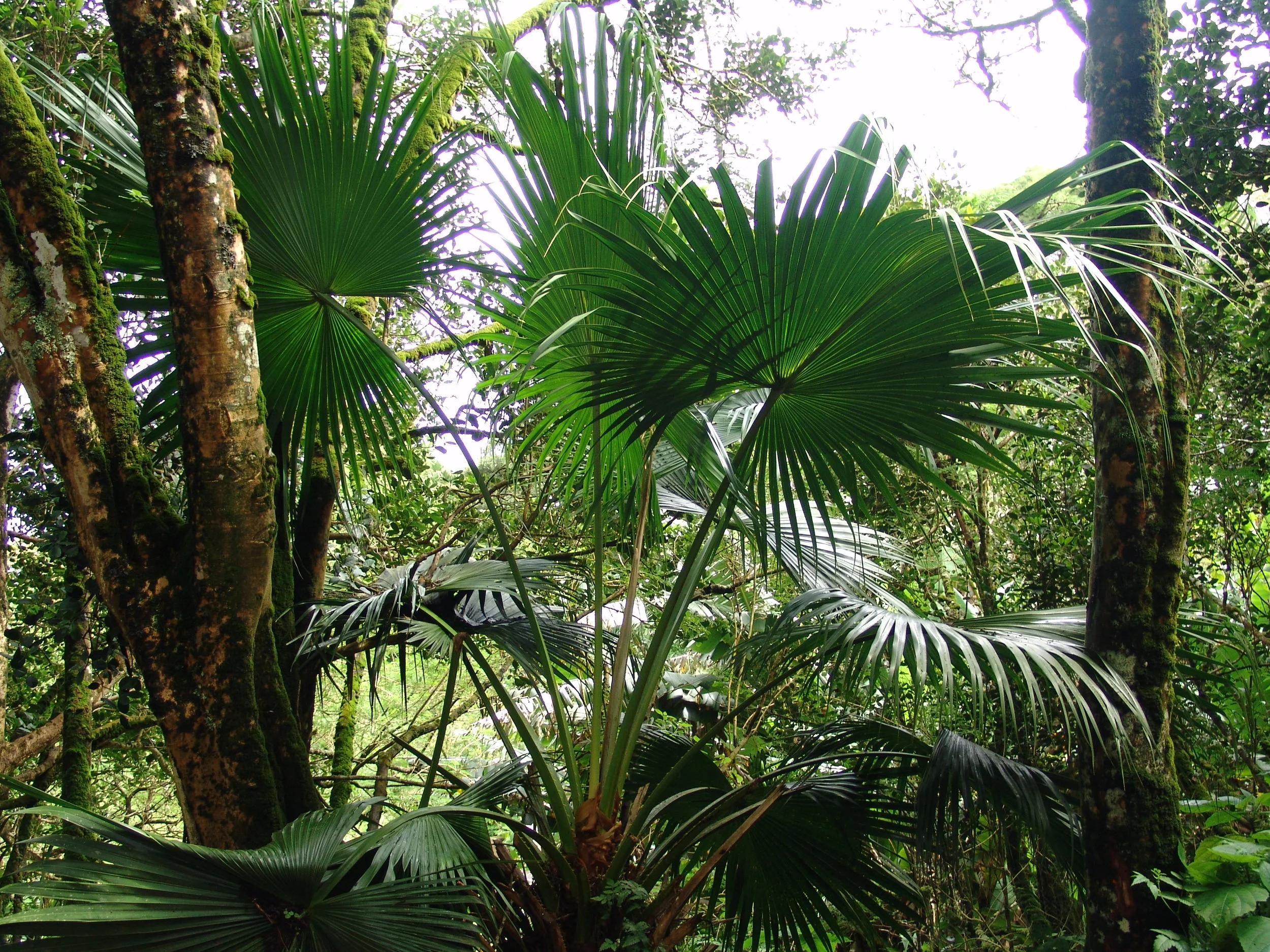
Lord Howe Island is relatively small, volcanic island that formed approximately 6.4–6.9 million years ago. It is home to four distinct species of palm trees from three different genera, all of which are endemic. Of these four different palms, two species, Howea belmoreana and Howea forsteriana, are quite common. Interestingly enough, H. forsteriana, commonly known as the kentia palm, is one of the most commonly grown houseplants in the entire world. However, their horticultural value is not the most interesting thing about these palms. What is most remarkable is how these two species arose. 

Multiple genetic analyses have reveled that both species originated on Lord Howe Island. This is kind of odd considering how small the island actually is. Both palms can regularly be found growing in the vicinity of one another so the big question here is what exactly drove the evolution of their common ancestor? How does a single species growing on a small, isolated island become two? The answer is quite surprising.

Howea  belmoreana Photo by John Game licensed under CC BY 2.0

Howea belmoreana Photo by John Game licensed under CC BY 2.0

When researchers took a closer look at the natural histories of these two species, they found that they were in a sense isolated from one another. The isolation is due to major phenological or timing differences in their reproductive efforts. H. forsteriana flowers roughly six weeks before H. belmoreana. Flowering time is certainly enough to drive a wedge between populations but the question that still needed answering was how do such phenological asynchronies occur, especially on an island with a land area less than 12 square kilometers? 

As it turns out, the answer all comes down to soil. Individuals of H. belmoreana are restricted to growing in neutral to acidic soils whereas H. forsteriana seems to prefer to grow in soils rich in calcarenite. These soils have a more basic pH and dominate the low lying areas of the island. Growing in calcarenite soils is stressful as they are poor in nutrients. This physiological stress has caused a shift in the way in which the flowers of H. forsteriana mature. When found growing on richer volcanic soils, the researchers noted that the flowers mature in a way that is more synchronous, not unlike the flowers of H. belmoreana.

Thanks to their attention to detailed life history events and conditions, researchers were able to show that soil preferences caused a phenological shift in the flowering of these two related species. Because they flower at completely different times when growing on their respective soil types, enough reproductive isolation was introduced to disrupt the random mating process of these wind pollinated palms. As soon as such reproductive biases are introduced, speciation can and will occur.

Photo Credits: [1] [2] [3]

Further Reading: [1]

A Peculiar Parasite at Berkeley

IMG_5803.JPG

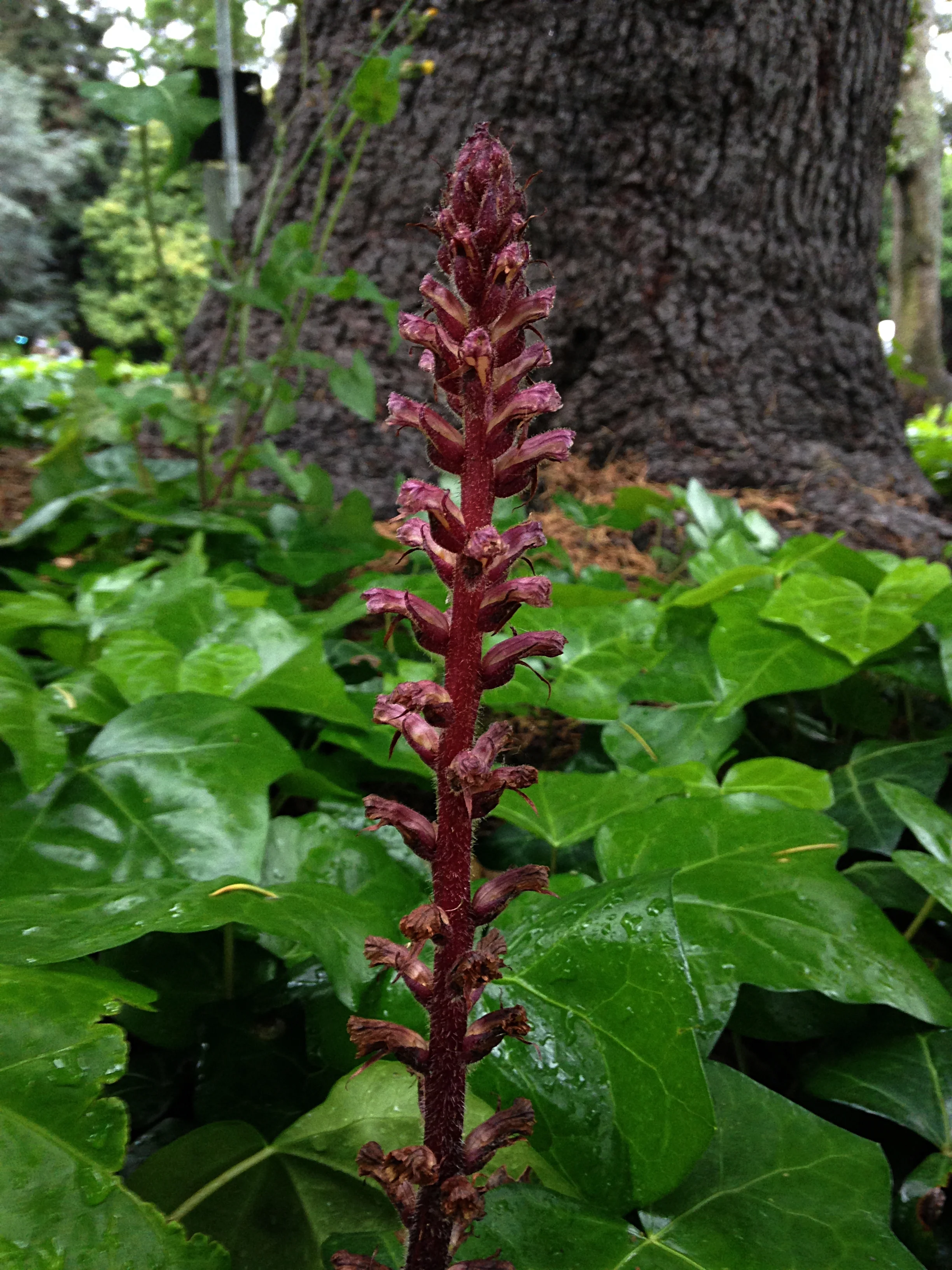
Parasitic plants are fascinating. I never pass up an opportunity to meet them. On a recent trip to California, my host for the day mentioned that something funny was growing in a patch of ivy on the Berkeley Campus. I had to know what it was. We took a detour from our intended rout and there, growing underneath a pine tree in a dense patch of ivy were these odd purple and brown stalks. This was definitely a parasitic plant.

The plant in question was the ivy broomrape (Orobanche hederae). As both its common and scientific name suggests, it is a parasite on ivy (Hedera spp.). As you can probably guess based on the identity of its host, ivy broomrape is not native to North America. In fact, the population we were looking at is the only known population of this plant you will find in the Americas. How it came to be in that specific location is a bit of a mystery but the proximity to the life sciences building suggests that this introduction might have been intentional. Personally I am quite alright with this introduction as it is parasitizing one of the nastier invasive species on this continent.

The ivy broomrape starts its life as a tiny seed. Upon germination, the tiny embryo sends out a thin thread-like filament that spirals out away from the embryo into the surrounding soils. The filament is looking for the roots of its host. Upon contact with ivy roots, the filament penetrates xylem tissues. The ivy broomrape is now plugged in, receiving all of its water, nutrient, and carbohydrate needs from the ivy. At this point the embryo begins to grow larger, throwing out more and more parasitic roots in the process. These locate more and more ivy roots until the needs of the ivy broomrape are met. Of course, all of this is going on underground.

Only when the ivy broomrape has garnered enough energy to flower will you see this plant. A stalk full of purple tinged, tubular flowers emerges from the ground. At this point its membership in the family Orobanchaceae is readily apparent. Like all members of this family, its parasitic lifestyle is so complete that it is beginning to lose genes for the production of chlorophyll and Rubisco, all things we generally associate with plants. This is why I love parasites so much. Not only are their ecological impacts bewilderingly complex, their evolutionary histories are such a departure from the norm. I will never tire of appreciating such species and I am happy to have met yet another awesome member of this group.

Further Reading:
http://onlinelibrary.wiley.com/doi/10.1111/j.1469-8137.1925.tb06671.x/pdf

http://cat.inist.fr/?aModele=afficheN&cpsidt=4107447

The Power of Leaves

Photo by Bourassamr licensed under CC BY-SA 3.0

Photo by Bourassamr licensed under CC BY-SA 3.0

When we think of the dominance of flowering plants on the landscape, we usually invoke the evolution of flowers and seed characteristics like endosperm and fruit. However, evolutionary adaptations in the structure of the angiosperm leaf may have been one of the most critical factors in the massive diversification that elevated them to their dominant position on the landscape today. 

Leaves are the primary organs used in water and gas exchange. They are the centers of photosynthesis, allowing plants to take energy from our closest star and turn it into food. To optimize this system, plants must balance water loss with transpiration in order to maximize their energy gain. This requires a complex plumbing system that can deliver water where it needs to be. It makes sense that plant physiology should maximize vein production, however, there are tradeoffs in doing so. Veins are not only costly to construct, they also displace valuable photosynthetic machinery. 

It appears that this is something that flowering plants do quite well. Because leaves fossilize with magnificent detail, researchers are able to look back in time through 400 million years of leaf evolution. What they found is quite incredible. There appears to be a consistent pattern in the vein densities between flowering and non-flowering plants. The densities found in angiosperm leaves both past and present are orders of magnitude higher than all non-flowering plants. These high densities are unique to flowering plants alone. 

This innovation in leaf physiology allowed flowering plants to maintain transpiration and carbon assimilation rates that are three and four times higher than those of non-flowering plants. This gives them a competitive edge across a multitude of different environments. The evolution of such dense vein structure also had major ramifications on the environment. 

The massive change in transpiration rates among the angiosperm lineage is likely to have completely changed the way water moved through the environment. These effects would be most extreme in tropical regions. Today, transpiration from tropical forests account for 30-50% of precipitation. A lot of this has to do with patterns in the intertropical convergence zone, which ensures that such humid conditions can be maintained. However, in areas outside of this zone such as in the Amazon, a high abundance of flowering plants with their increased rates of transpiration enhances the amount of rainfall and thus forms a sort of positive feedback.

Because precipitation is the single greatest factor in maintaining plant diversity in these regions, increases in rainfall due to angiosperm transpiration effectively helps to maintain such diversity. As angiosperms rose to dominance, this effect would have propagated throughout the ecosystems of the world. Plants really are the ultimate ecosystem engineers. 

Photo Credit: Bourassamr (Wikimedia Commons)

Further Reading: [1]

Purple Mouse Ears

Mimulus douglasii photo by Oregon Caves licensed under CC BY 2.0

Mimulus douglasii photo by Oregon Caves licensed under CC BY 2.0

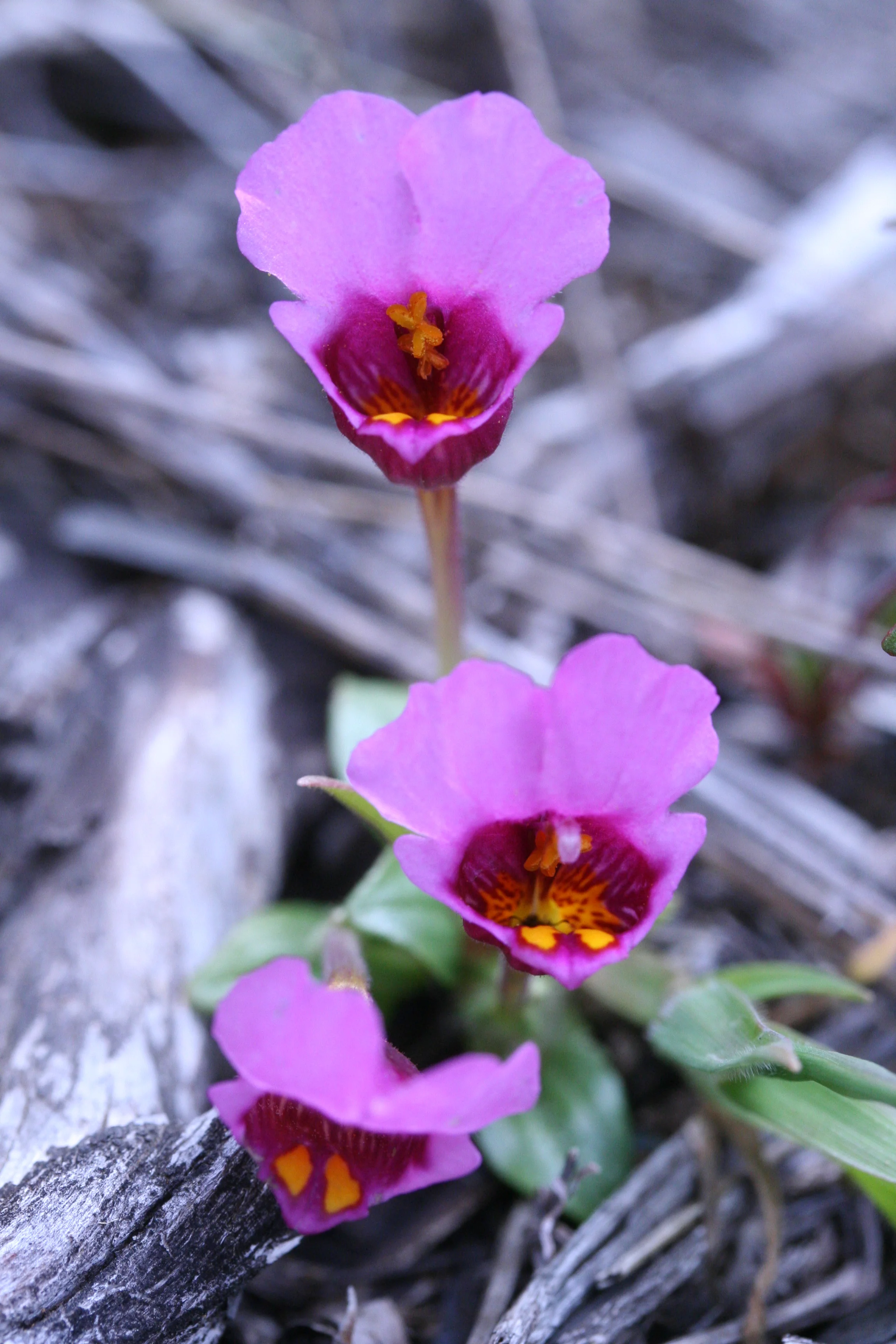
The success of some plant species comes from the simple fact that they can grow where other plants can't. Such is the case for the purple mouse ear (Mimulus/Diplacus douglasii). Native to northern California and Oregon, this tiny plant can most often be found growing in serpentine soils. Finding it can get tricky as it is quite diminutive in size and doesn't always produce its outlandishly showy flowers. 

Mature plants stand roughly 4 cm in height. When produced, the flowers are rather large and showy, often much larger than the rest of the plant. Unlike other members of the genus, the bottom lip of the tubular flowers has been reduced so much that it might as well not exist. Instead, the two top petals dominate the display, giving this plant a cartoonish outline of a mouse. As you can see, they are incredibly showy. 

This plant has to do what it can to ensure that it sets seed in any given growing season. Purple mouse ears are annual plants, so they only get one shot at reproduction. To make matters more difficult, they frequently grow in serpentine soils, which are low in essential nutrients and high in toxic metals like nickel, cobalt, and chromium. Despite these difficult conditions, purple mouse ears seem to benefit from the lack of competition on these traditionally toxic substrates. 

Cleistogamous flowers

Cleistogamous flowers

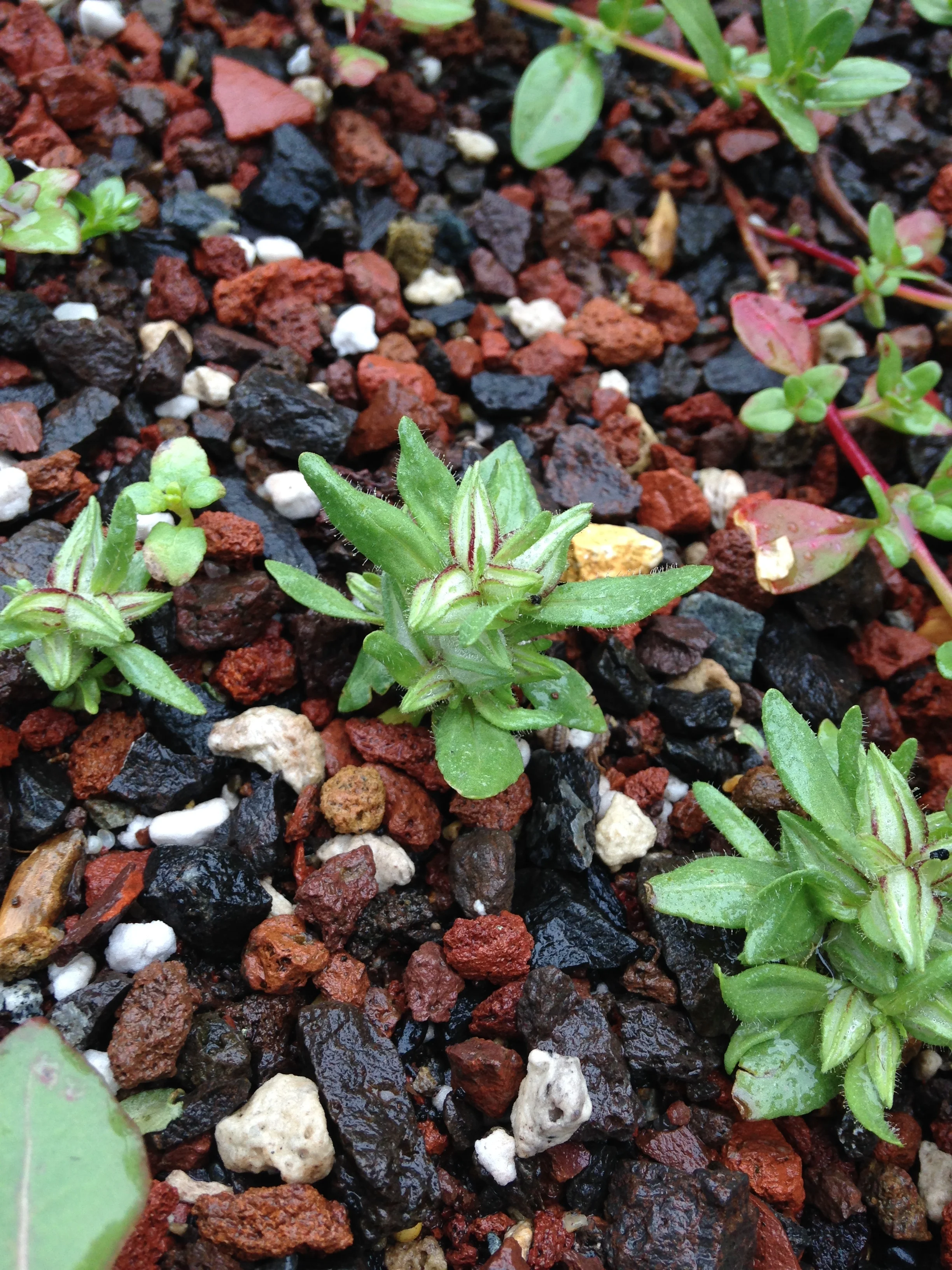
Plants don't always produce their showy floral displays. When times are tough, they opt for asexual reproduction. Instead of the big, showy flowers, plants will produce tiny flower buds that never open. These are called cleistogamous flowers. Instead, they simply self-pollinate, which ensures that the genes that allowed the parent to survive environmental hardships are guaranteed to make it into the next generation. For annuals whose entire life is wrapped up in a single season, sometimes its not worth taking any chances. 

Photo Credit: [1] 

Further Reading: [1] [2] 

Meet the Redbuds

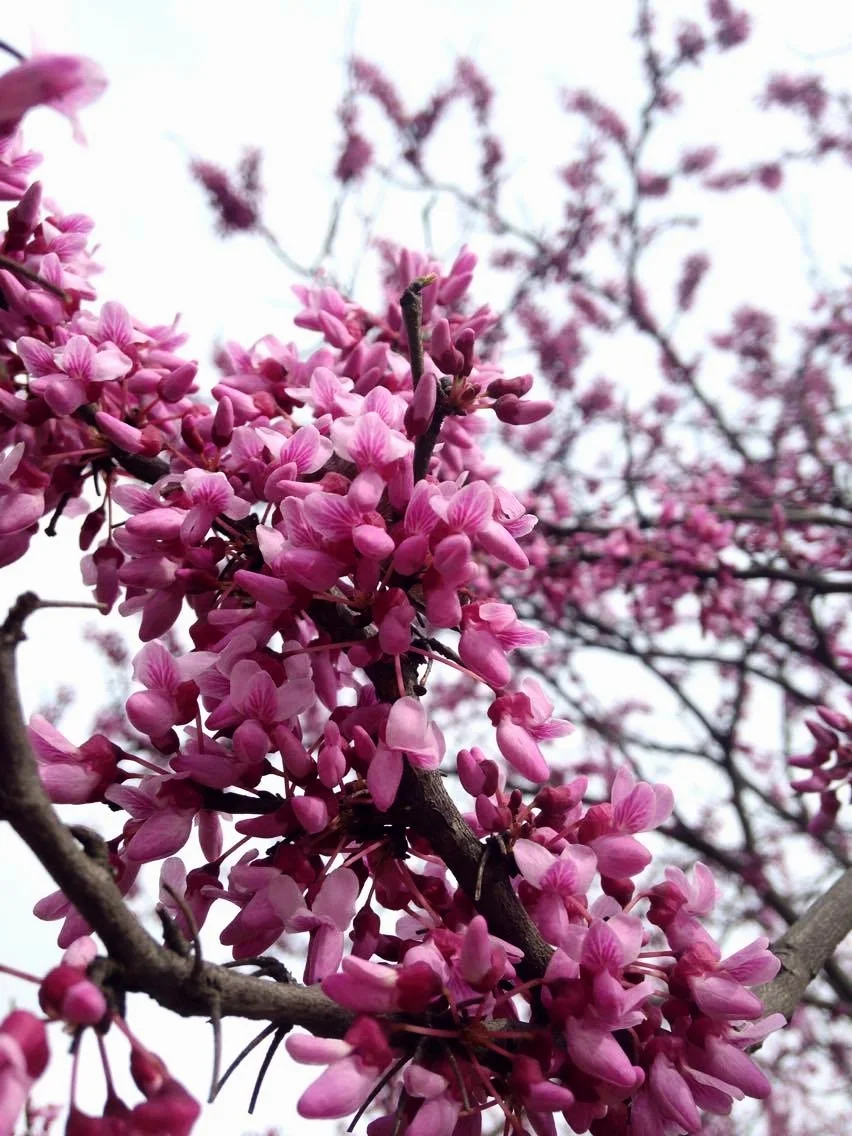
Redbud (Cercis canadensis)

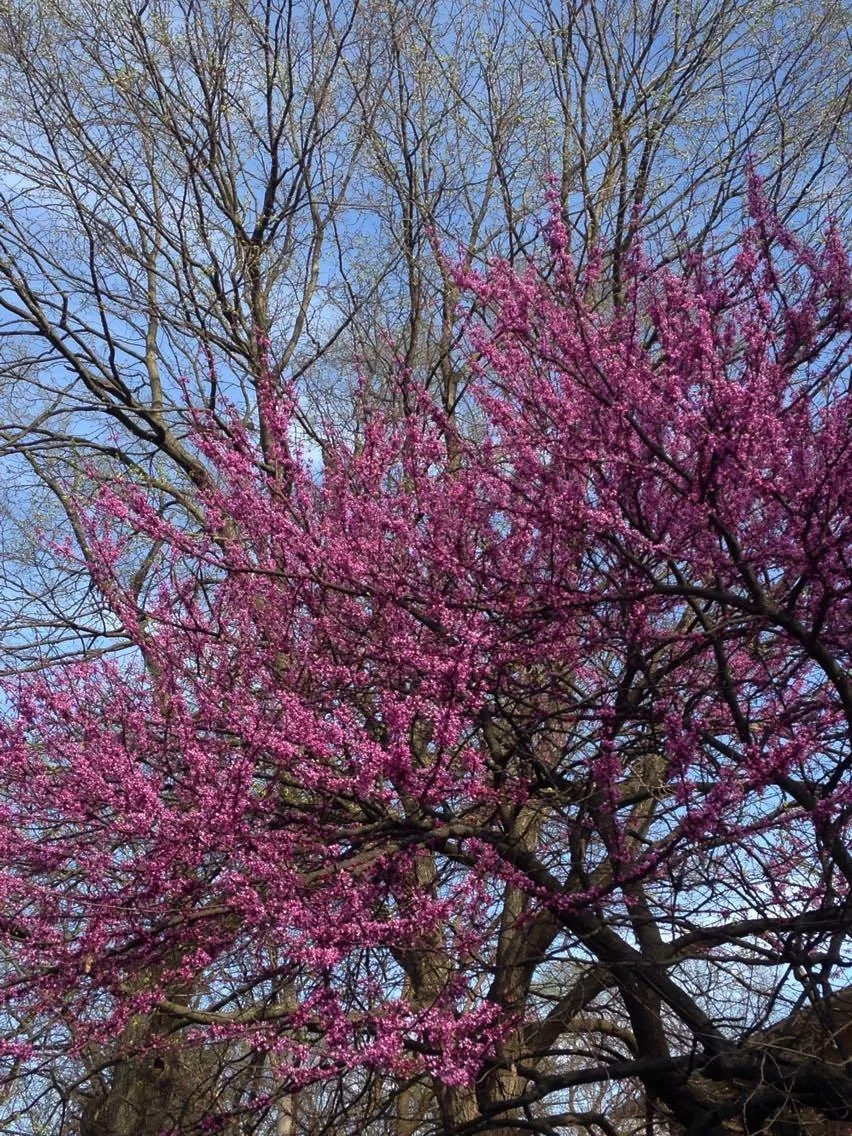
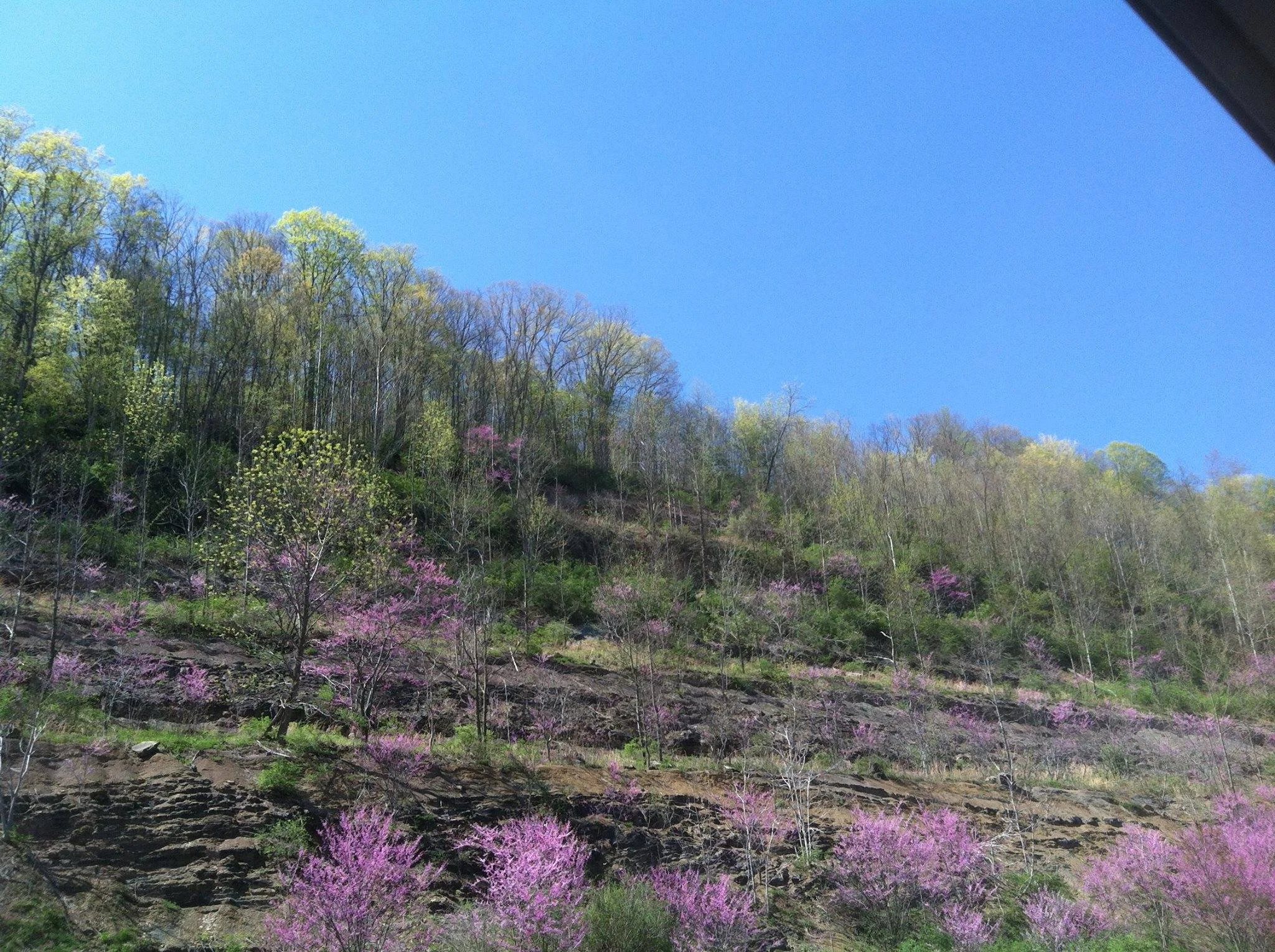
I look forward to the blooming of the redbuds (Cercis spp.) every spring. They paint entire swaths of forest and roadside with a gentle pink haze. It’s this beauty that has led to their popularity as an ornamental tree in many temperate landscapes. Aside from their appeal as a specimen tree, their evolutionary history and ecology is quite fascinating. What follows is a brief introduction to this wonderful genus.

Redbud (Cercis canadensis)

The redbuds belong to the genus Cercis, which resides in the legume family (Fabaceae). In total, there are about 10 species disjunctly distributed between eastern and western North America, southern Europe, and eastern Asia. The present day distribution of this genus is the result of vicariance or the geographic separation of a once continuous distribution. At one point in Earth’s history, the genus Cercis ranged from Eurasia to North America thanks to land bridges that once connected these continents. At some point during the Miocene, this continuous distribution began to break apart. As the climate changed, various Cercis began to diverge from one another, resulting in the range of species we know and love today.

All of them are relatively small trees with beautiful pink flowers. Interestingly enough, unlike the vast majority of leguminous species, redbuds are not known to form root nodules and therefore do not form symbiotic relationships with nitrogen-fixing bacteria called rhizobia. This might have something to do with their preference for rich, forest soils. With plenty of nitrogen available, why waste energy growing nodules? Until more work is done on the subject, its hard to say for sure why they don’t bother with nitrogen fixers.

One of the most interesting aspects of the redbuds are their flowers. We have already established that they are very beautiful but their development makes them even more interesting. You have probably noticed that they are not borne on the tips of branches as is the case in many flowering tree species. Instead, they arise directly from the trunks and branches. This is called "cauliflory," which literally translates to "stem-flower." In older specimens, the trunks and branches become riddled with bumps from years of flower and seed production.

Redbud (Cercis canadensis)

It's difficult to make generalizations about this flowering strategy. What we do know is that it is most common in dense tropical forests. Some have suggests that producing flowers on trunks and stems makes them more available to small insects or other pollinators that are more common in forest understories. Others have suggested that it may have more to do with seed dispersal than pollination. Regardless of any potential fitness advantages cauliflory may incur, the appearance of a redbud covered in clusters of bright pink flowers is truly a sight to behold.

Further Reading: [1] [2] [3] [4] [5] [6] [7]

Meet Snorkelwort

Photo by James Henderson, Golden Delight Honey, Bugwood.org   licensed under a Creative Commons Attribution 3.0 License.

Photo by James Henderson, Golden Delight Honey, Bugwood.org
licensed under a Creative Commons Attribution 3.0 License.

If vernal pools are considered ephemeral then granite pools are downright fleeting. Any organism that specializes in such a habitat must be ready to deal with extremes. That is what makes a little plant known scientifically as Gratiola amphiantha so darn cool. It's what also makes it so darn threatened. 

This tiny member of the Plantaginaceae family is native to the Piedmont province of southeastern North America. It lives out its entire life in shallow pools that form in weathered granitic outcrops. One must really think about the specificity of this sort of habitat to truly appreciate what this little aquatic herb is up against. Pools must be deep enough to hold water just long enough but not too deep to allow normal plant succession. They must have just enough soil to allow these plants to take root but the soil must be thin enough to prevent other vegetation from taking over. They must also be low in nutrients to limit the growth of algae that would otherwise cloud the water. Needless to say, this makes suitable habitat for snorkelwort hard to come by. 

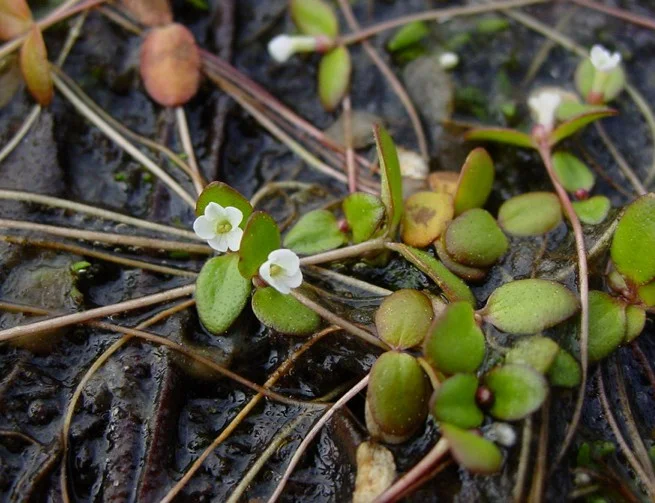
Photo by Keith Bradley kab_g_amphiantha_1012 March  Forty Acre Rock Heritage Preserve Lancaster County SC [SOURCE]

Photo by Keith Bradley kab_g_amphiantha_1012 March
Forty Acre Rock Heritage Preserve Lancaster County SC [SOURCE]

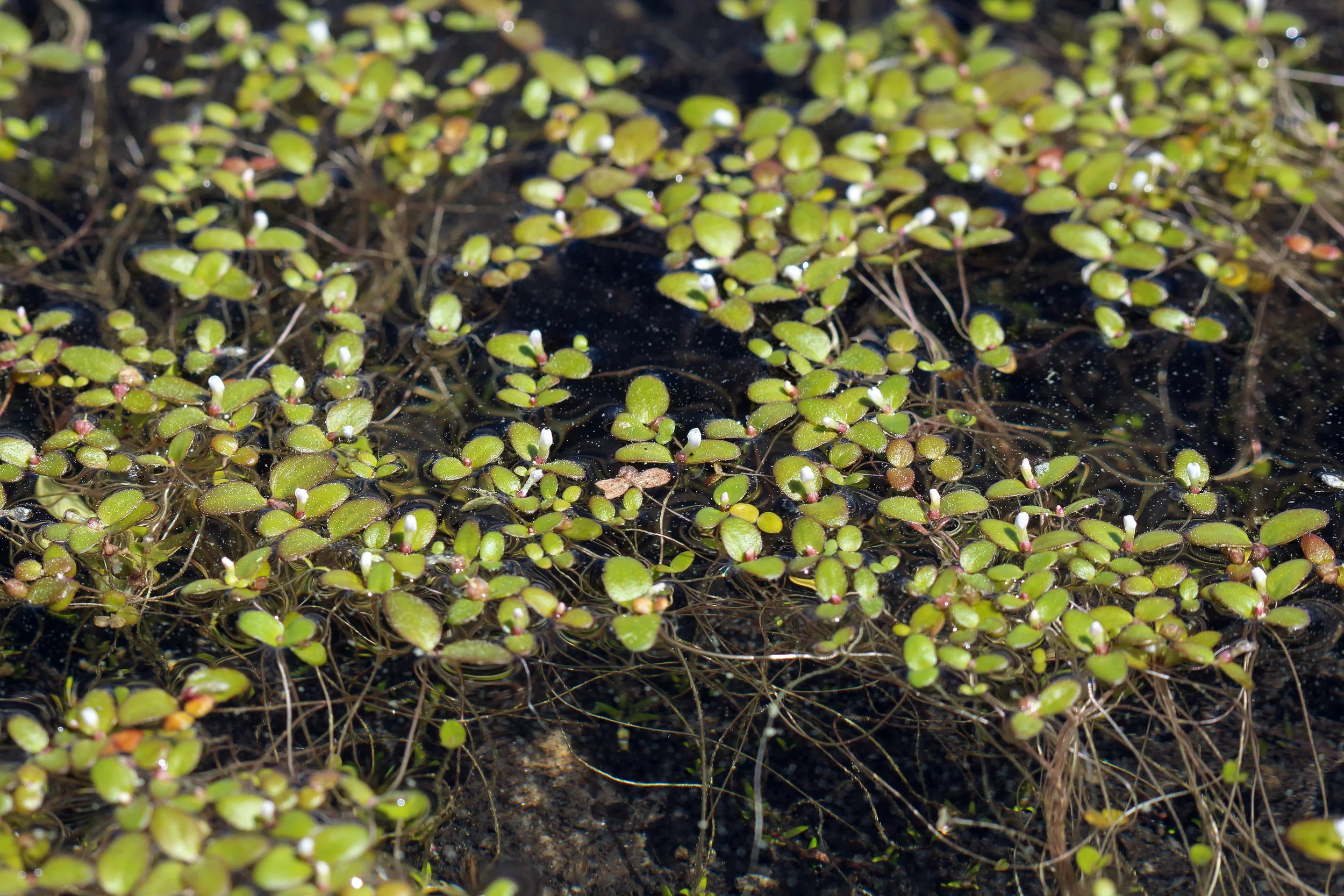
When such conditions are met, however, snorkelwort can be quite prolific. Seeds of this species germinate in late fall and early winter when only a thing veneer of water covers the equally thin soils. Individual plants form a small rosette that sits in wait until rains fill the tiny pools. Once submerged, the rosettes send up thin stem-like structures called scapes. These scapes terminate in two tiny bracts that float at the waters surface. Between the two bracts emerges tiny, white, five petaled flowers. Submerged flowers are also produced but these are cleistogamous flowers that never open and only self-pollinate. This ensures that at least some seeds are produced every growing season. 

Photo by Philip Bouchard licensed under CC BY-NC-ND 2.0

Photo by Philip Bouchard licensed under CC BY-NC-ND 2.0

When you consider all aspects of its ecology, it is no wonder that snorkelwort is teetering on the edge of extinction. The granitic pools in which it lives are very sensitive to change. It doesn't take much to make them totally unsuitable places to live. Protecting them alone is hard enough. Mining, pollution, littering, and even casual hikers can wipe out entire populations in an instant. Even populations living within the boarders of protected parks have been extirpated by hiking and littering. When you live on the edge, it doesn't take much to fall off. In total, only about 31 populations scattered through Alabama, Georgia, and South Carolina are all that remains of this overlooked little plant. 

The upside to all of this is that numerous stake holders, both public and private, are invested in the ongoing success of this species. Private land owners whose land supports snorkelwort populations are cooperating with botanists to ensure that this species continues to find what it needs to survive. Luckily a sizable chunk of the remaining populations are large enough to support ample genetic diversity and, at this point in time, don't seem to be at any risk of destruction. For a little plant like snorkelwort, a little attention can go a long way. If you know a spot where this interesting little plant grows, tread lightly and appreciate it from a safe distance. 

Photo Credits: [1] [2] [3]

Further Reading: [1] [2] [3]


The Fetid Adderstongue

Photo by Ken-ichi Ueda licensed under CC BY-NC 2.0

Photo by Ken-ichi Ueda licensed under CC BY-NC 2.0

"Fetid adderstongue" seems like a pretty ominous name for such a small and beautiful plant. Hailing from coastal North America, the genus Scoliopus is most at home in the deep shaded forests of California and Oregon. Spring is the best time to see these little lilies and once you know a little bit about their ecology, such encounters are made all the more interesting.

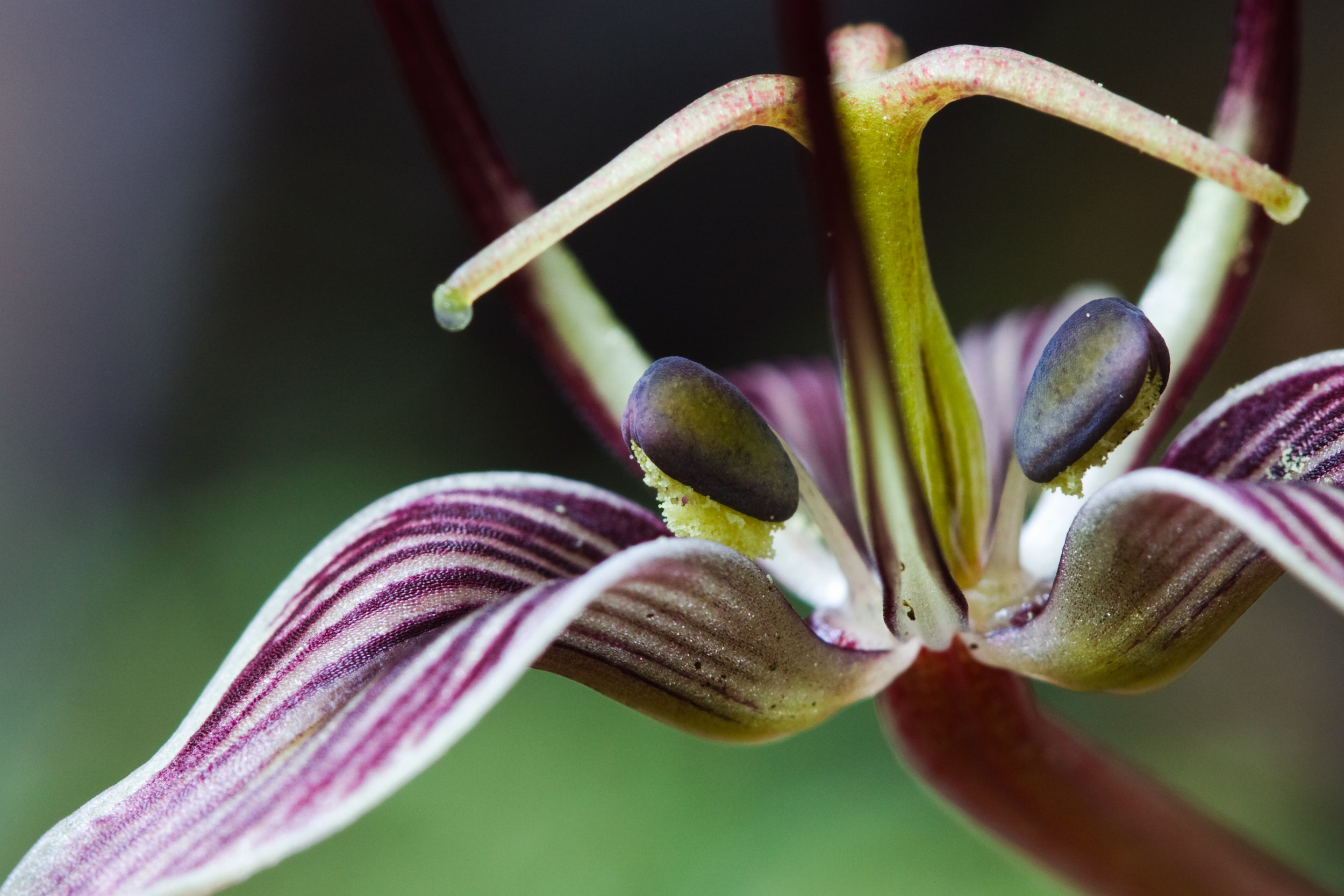
There are two species nestled within this genus - S. bigelovii and S. hallii. Both are similar in that they are plants of deep shaded environments, however, you are more likely to find S. hallii growing along the banks of wooded streams. As is typical of many members of the lily family, their flowers are quite beautiful in appearance. The trick is finding them. Though showy, they are rather small and their dark coloration causes them to blend in well in their shaded environments. That is all fine and dandy for a species that relies more on smell rather than looks to attract pollinators.

As the common name suggests, the flowers of the fetid adderstongues give off a bit of an odor. I have heard it best described as "musty." The flowers of these two species attract a lot of fungus gnats. Although these tiny flies are generally viewed as sub par pollinators for most flowering plants, the fetid adderstongues seem to do well with them. What they lack in robust pollination behavior, they make up for in sheer numbers. There are a lot of fungus gnats hanging around wet, shaded forests.

Photo by Eric in SF licensed under CC BY-SA 3.0

Photo by Eric in SF licensed under CC BY-SA 3.0

The flowers themselves are borne on tall stalks. Though they look separate, they are actually an extension of a large, underground umbel. Once pollination has been achieved, the flower stalks begin to bend over, putting the developing ovaries much closer to the ground. Each seed comes equip with a fleshy little attachment called an eliasome. These are essentially ant bait. Once mature, the seeds are released near the base of the parent. Hungry ants that are out foraging find the fleshy attachment much to their liking.

They bring the seeds back to the nest, remove the eliasomes, and discard the seed into a trash midden. Inside the ant nest, seeds are well protected, surrounded by nutrient-rich compost, and as some evidence is starting to suggest, guarded against damaging fungal invaders. In other words, the plants have tricked ants into planting their seeds for them. This is a very successful strategy that is adopted by many different plant species the world over.

Though small, the fetid adderstongues are two plants with a lot of character. They are definitely a group that you want to keep an eye out for the next time you find yourself in the forests of western North America. If you do end up finding some, just take some time to think of all the interesting ecological interactions these small lilies maintain.

Photo Credits: [1] [2]

Further Reading: [1] [2] [3]

Seed Anchor

Epiphytic plants live out their entire lives on the trunks or branches of trees. Using their roots, they attach themselves tightly to the bark. Spend any amount of time in the tropics and it will become quite clear that such a lifestyle has been very successful for a plethora of different plant families. Still, living on a tree isn't easy. Epiphytic plants must overcome harsh conditions among or near the canopy.

Photo by faatura licensed under CC BY-NC-ND 2.0

Photo by faatura licensed under CC BY-NC-ND 2.0

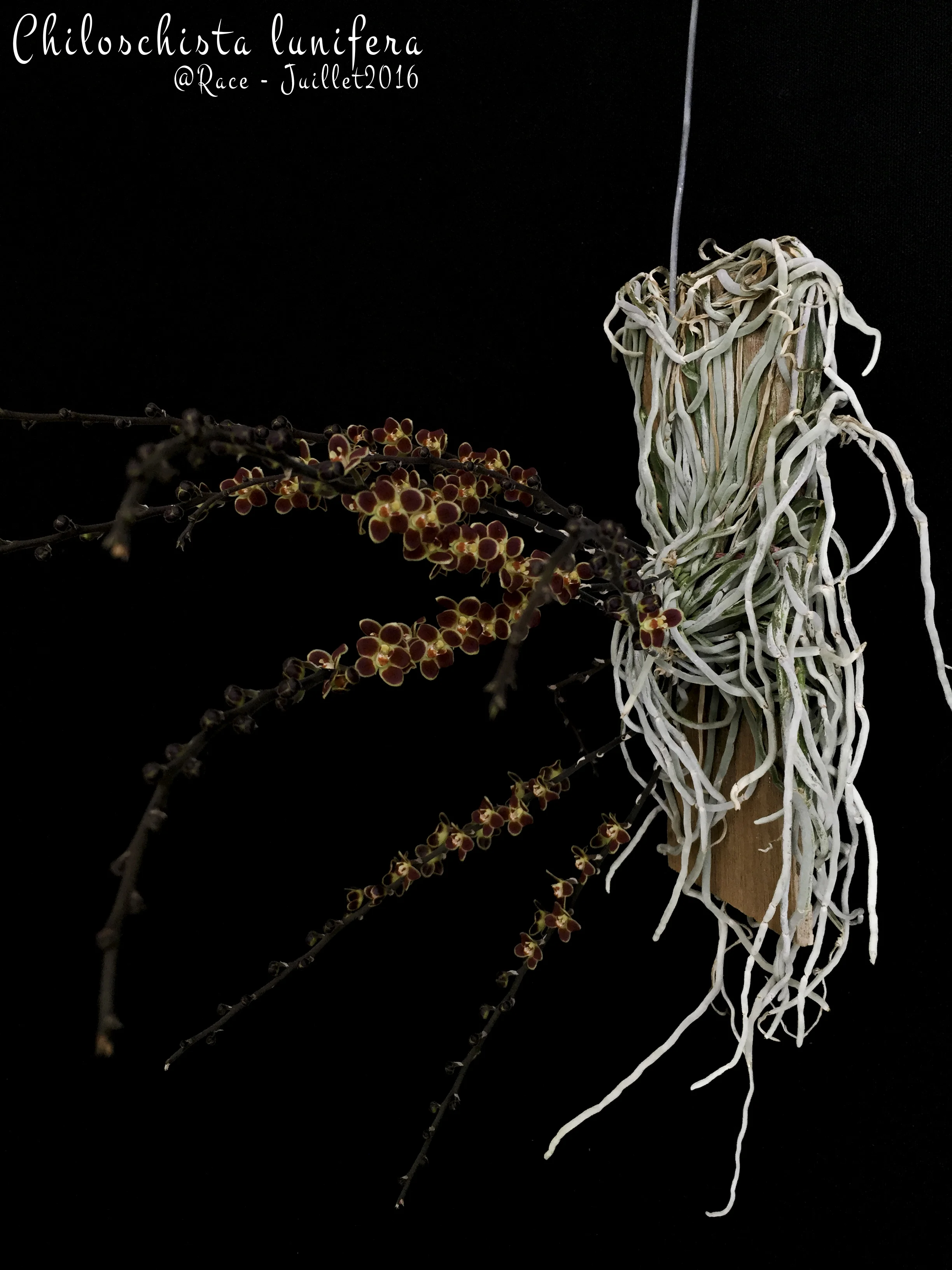
One of the biggest challenges these plants face starts before they even germinate. This is especially true for orchids. Orchid seeds are more like spores than they are seeds. They are so small that thousands could fit inside of a thimble. Upon ripening, the dust-like seeds waft away on the slightest breeze. In order for epiphytic species to germinate and grow, their seeds must somehow anchor themselves in place on a trunk or branch. Inevitably most seeds are doomed to fail. They simply will not land in a suitable location. It stands to reason then that any adaptation that increases their chances of finding the right kind of habitat will be favored. That's where the strange coils on the tip of Chiloschista seeds, a genus of leafless orchids native to southeast Asia, New Guinea, and Australia, come in. For these orchids, this process is aided by some truly unique seed morphology.

Unlike most orchid seeds that are nothing more than a thin sheath surrounding a tiny embryo, the seeds of Chiloschista have additional parts. These "appendages," which are specialized seed coat cells, are tightly wound into coils. Upon contact with water, these coils shoot out like tiny grappling hooks that grab on to moss and bark alike. In doing so, they anchor the seed in place. By securing their hold on the trunk or branch of a tree, the seeds are much more likely to germinate and grow. This is one of the most extreme examples of seed specialization in the orchid family.

Photo Credit: [1] [2]

Further Reading: [1]

Spring Has Sprung Earlier

Phenology is defined as "the study of cyclic and seasonal natural phenomenon, especially in relation to climate, plant, and animal life." Whether its deciding when to plant certain crops or when to start taking your allergy medication, our lives are intricately tied to such cycles. The study of phenology has other applications as well. By and large, it is one of the best methods we have in understanding the effects of climate change on ecosystems around the globe. 

For plants, phenology can be applied to a variety of things. We use it every time we take note of the first signs of leaf out, the first flowers to open, or the emergence of insect herbivores.  In the temperate zones of the world, phenology plays a considerable role in helping us track the emergence of spring and the onset of fall. As we collect more and more data on how global climates are changing, phenology is confirming what many climate change models have predicted - spring is starting earlier and fall is lasting longer.

Researchers at the USA National Phenology Network have created a series of maps that illustrate the early onset of spring by using decades worth of data on leaf out. Leaf out is controlled by a variety of factors such as the length of chilling temperatures in winter, the rate of heat accumulation in the spring, and photoperiod. Still, for woody species, the timing of leaf out is strongly tied to changes in local climate. And, although it varies from year to year and from species to species, the overall trend has been one in which plants are emerging much earlier than they have in the past.

https://www.usanpn.org/data/spring

For the southern United States, the difference is quite startling. Spring leaf out is happening as much as 20 days earlier than it has in past decades. Stark differences between current and past leaf out dates are called "anomalies" and the 2017 anomaly in the southern United States is one of the most extreme on record.

How this is going to alter ecosystems is hard to predict. The extended growing seasons are likely to increase productivity for many plant species, however, this will also change competitive interactions among species in the long term. Early leaf out also comes with increased risk of frost damage. Cold snaps are still quite possible, especially in February and March, and these can cause serious damage to leaves and branches. Such damage can result in a reduction of productivity for these species.

Changes in leaf out dates are not only going to affect individual species or even just the plants themselves. Changes in natural cycles such as leaf out and flowering can have ramifications across entire landscapes. Mismatches in leaf emergence and insect herbivores, or flowers and pollinators have the potential to alter entire food webs. It is hard to make predictions on exactly how ecosystems are going to respond but what we can say is that things are already changing and they are doing so more rapidly than they have in a very long time. 

For these reasons and so many more, the study of phenology in natural systems is crucial for understanding how the natural world is changing. Although we have impressive amounts of data to draw from, we still have a lot to learn. The great news is that anyone can partake in phenological data collection. Phenology offers many great citizen science opportunities. Anyone and everyone can get involved. You can join the National Phenology Network in their effort to track phenological changes in your neighborhood. Check out this link to learn more: USA National Phenology Network

Further Reading: [1] [2]  


Carnations Revealed

Photo by Zeynel Cebeci licensed under CC BY-SA 3.0

Photo by Zeynel Cebeci licensed under CC BY-SA 3.0

Confession: over-bred, multi-petaled carnations make me want to puke. I find them monstrously gaudy. I don't like feeling this way towards a plant. It isn't the plants fault that we turned it into such a mutant. So, today I though I would dedicate this space to honoring the wild congener of the domestic carnation.

When we talk about carnations we are referring to cultivars of the genus Dianthus. The most prominent cultivars we see today originated from Dianthus caryophyllus. It is hard to pinpoint the native origin of this species as it has been cultivated throughout Europe and Asia for upwards of 2000 years. Regardless, it is thought that the wild carnation is native to a stretch of the Mediterranean region encompassing Greece and Italy.

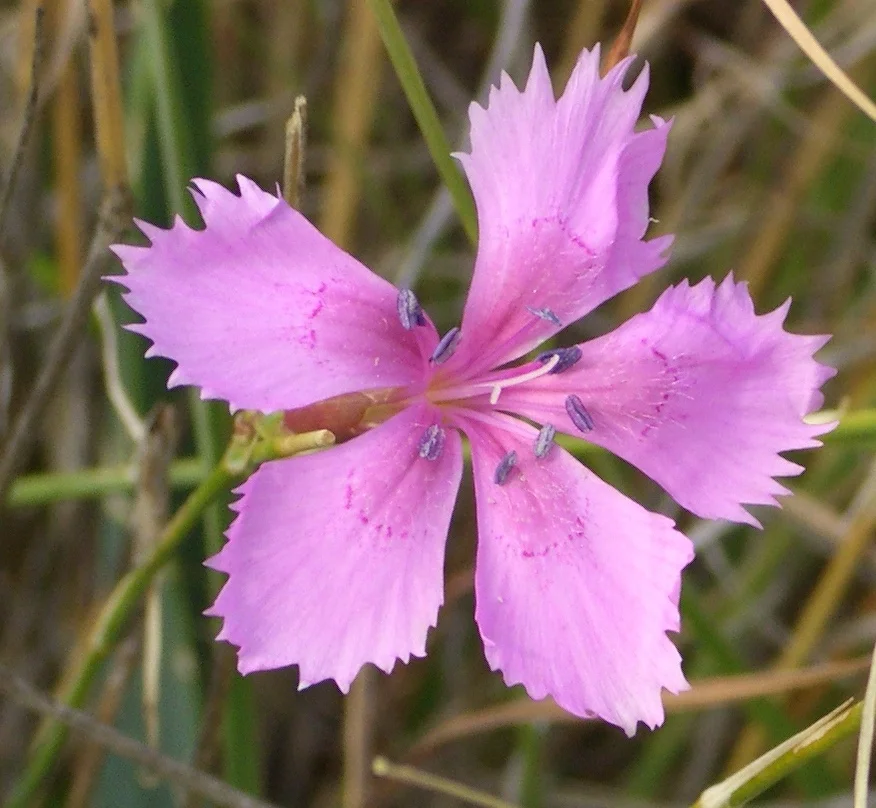
Wild carnations are more sleek in appearance than their cultivated cousins. They are modest sized plants each producing flowers with five serrated petals that range in color from white to pink. The flowers are protandrous meaning the male parts mature and senesce before the female parts. This helps to reduce inbreeding. Nectaries are located at the base of the flower and it is thought that long tongued bees and lepidotera take up the bulk of pollination services.

Following pollination, the petals begin to produce ethylene gas. This causes near complete collapse of the flowers within 24 hours. Why bother wasting energy on expensive floral parts that can now be directed to seed production? Upon maturity, the seed capsule breaks open at the top. Its position at the tip of the stem allows for a combination of ballistic and wind seed dispersal. As the capsule sways back and forth in the breeze, the tiny seeds are launched from the capsule like shrapnel from a catapult.

The multi-petaled mutants we have selectively bred barely function as viable plants anymore. In the wild, carnations are perennial, producing one to six flowers a season and plenty of seeds. Because we value looks and longevity over biology, cultivated carnations will often flower themselves to death in one season. Also, the duplication of petals has made it so that insects cannot reach the interior to get at the pollen or nectar, removing a great deal of their potential ecological value.

Dianthus caryophyllus isn't alone in this genus. Over 300 species of Dianthus have been described each with their own ecology and distribution. They range in appearance from modesty creeping herbs to woody shrub-like plants. Many of these have been utilized by plant breeders to create new cultivars. Unfortunately this is yet another genus of plants whose cultivars get all the attention.

Photo Credit: [1]

Further Reading: [1] [2]

Orchid Dormancy Mediated by Fungi

Photo by NC Orchid licensed under CC BY-NC 2.0

Photo by NC Orchid licensed under CC BY-NC 2.0

North America's terrestrial orchids seem to have mastered the disappearing act. When stressed, these plants can enter into a vegetative dormancy, existing entirely underground for years until the right conditions return for them to grow and bloom. Cryptic dormancy periods like this can make assessing populations quite difficult. Orchids that were happy and flowering one year can be gone the next... and the next... and the next...

How and why this dormancy is triggered has confused ecologists and botanists alike. Certainly stress is a factor but what else triggers the plant into going dormant? According to a recent paper published in the American Journal of Botany, the answer is fungal.

Orchids are the poster children for mycorrhizal symbioses. Every aspect of an orchid's life is dependent on these fungal interactions. Despite our knowledge of the importance of mycorrhizal presence in orchid biology, no one had looked at how the abundance of mycorrhizal fungi influenced the life history of these charismatic plants until now.

By observing the presence and abundance of a family of orchid associated fungi known as Russulaceae, researchers found that the abundance of mycorrhizal fungi in the environment is directly related to whether or not an orchid will emerge. The team focused on a species of orchid known commonly as the small whorled pogonia (Isotria medeoloides). Populations of this federally threatened orchid are quite variable and assessing their numbers is difficult.

The team found that the abundance of mycorrhizal fungi is not only related to prior emergence of these plants but could also be used as a predictor of future emergence. This has major implications for orchid conservation overall. It's not enough to simply protect orchids, we must also protect the fungal communities they associate with.

Research like this highlights the need for a holistic habitat approach to conservation issues. So many species are partners in symbiotic relationships and we simply can't value one partner over the other. If conditions change to the point that they no longer favor the mycorrhizal partner, it stands to reason that it would only be a matter of years before the orchids disappeared for good.

Photo Credit: NC Orchid

Further Reading: [1]

A Unique Passionflower Endemic to Costa Rica

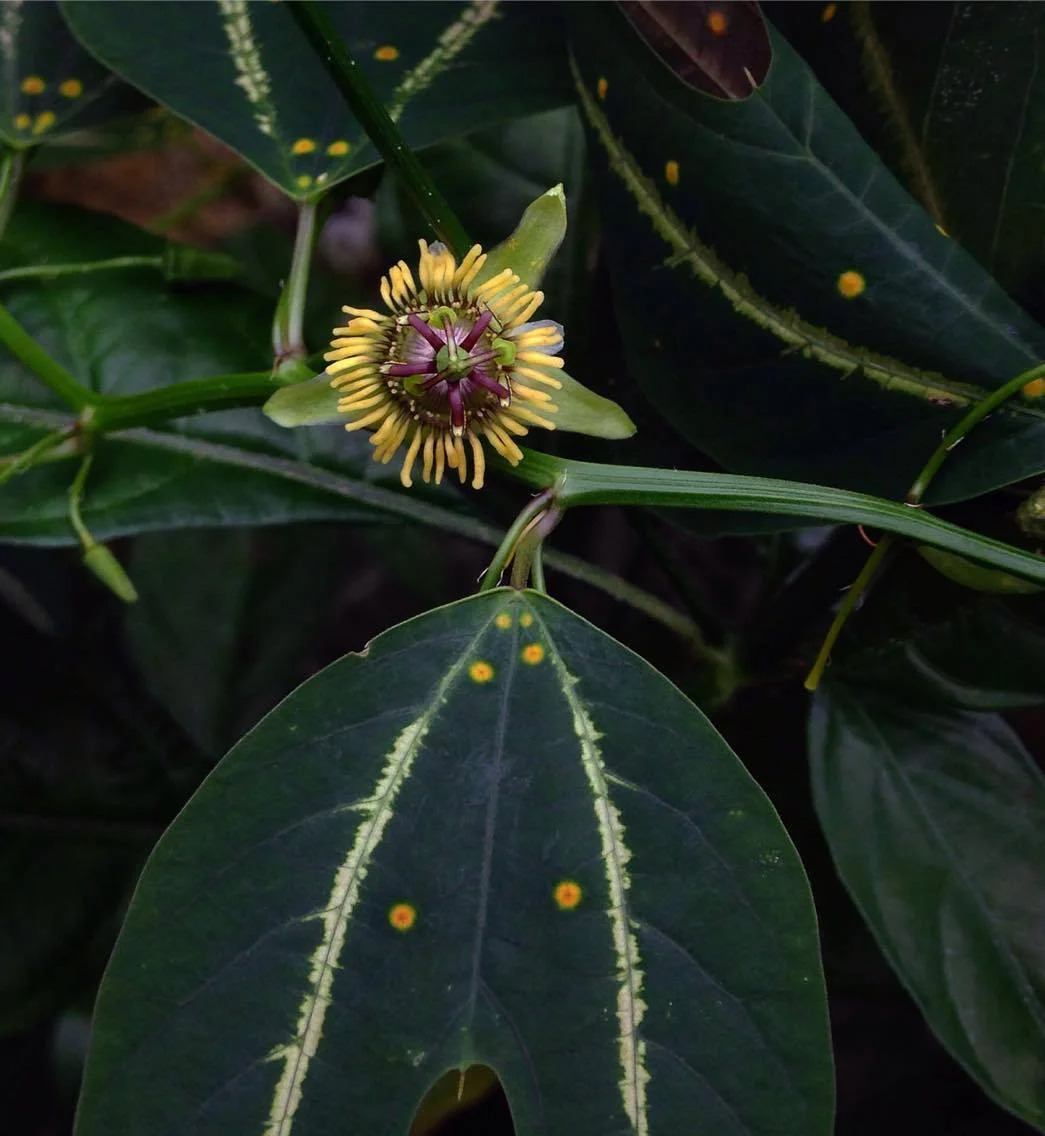
I love small flowers, especially if they pack in a lot of detail. That's is why this passion flower caught my eye. Meet Passiflora boenderi, a charismatic vine endemic to a small region of Costa Rica. Apparently this species had been sitting around in herbaria for years under a different name. It wasn't until living specimens were observed that botanists realized it is a distinct species.

There is a lot to look at on this species. The flowers themselves are some of the smallest in the genus. They pack in all of the detail of a larger passion flower, just in miniature. The leaves are quite stunning as well. They're bilobed with a tinge of purple and covered in bright, orange-yellow spots. The spots themselves serve an important role in protecting this plant from herbivores.

The genus Passiflora is part of an intense evolutionary arms race with a genus of butterfly known as Heliconius. Their caterpillars feed on the foliage of passion flowers. As such, Passiflora have evolved a variety of means that help them to avoid the attention of gravid female butterflies. The orange spots on the leaves of P. boenderi are one such adaptation and they serve a dual function.

The first is a visual deterrent. Female Heliconius prefer to lay their eggs on caterpillar-free leaves. This makes sense. Why bother laying eggs where there will be ample competition for food. The spots mimic, both in size and shape, the appearance of Heliconius eggs. A female looking for a spot to lay will see these spots and move on to another plant. In addition to the visual mimicry, these spots also secrete nectar. The energy-rich nectar inevitably attracts ants, which viciously defend them as a food source. If a caterpillar (or any other herbivore fore that matter) were to start munching on the leaves, the ants quickly drive them off.

Because of its limited range, P. boebderi is under threat of extinction. Habitat destruction of its lowland habitat for palm oil, pineapples, and vacation resorts is an ongoing threat to the long term survival of this species and many others. I was fortunate enough to have encountered this plant growing in the Cliamtron at the Missouri Botanical Garden but I fear that if we keep on doing what we humans are so good at, botanical gardens may be the only place this species will be found growing in the not too distant future.

Further Reading: [1] [2]

The Longleaf Pine: A Champion of the Coastal Plain

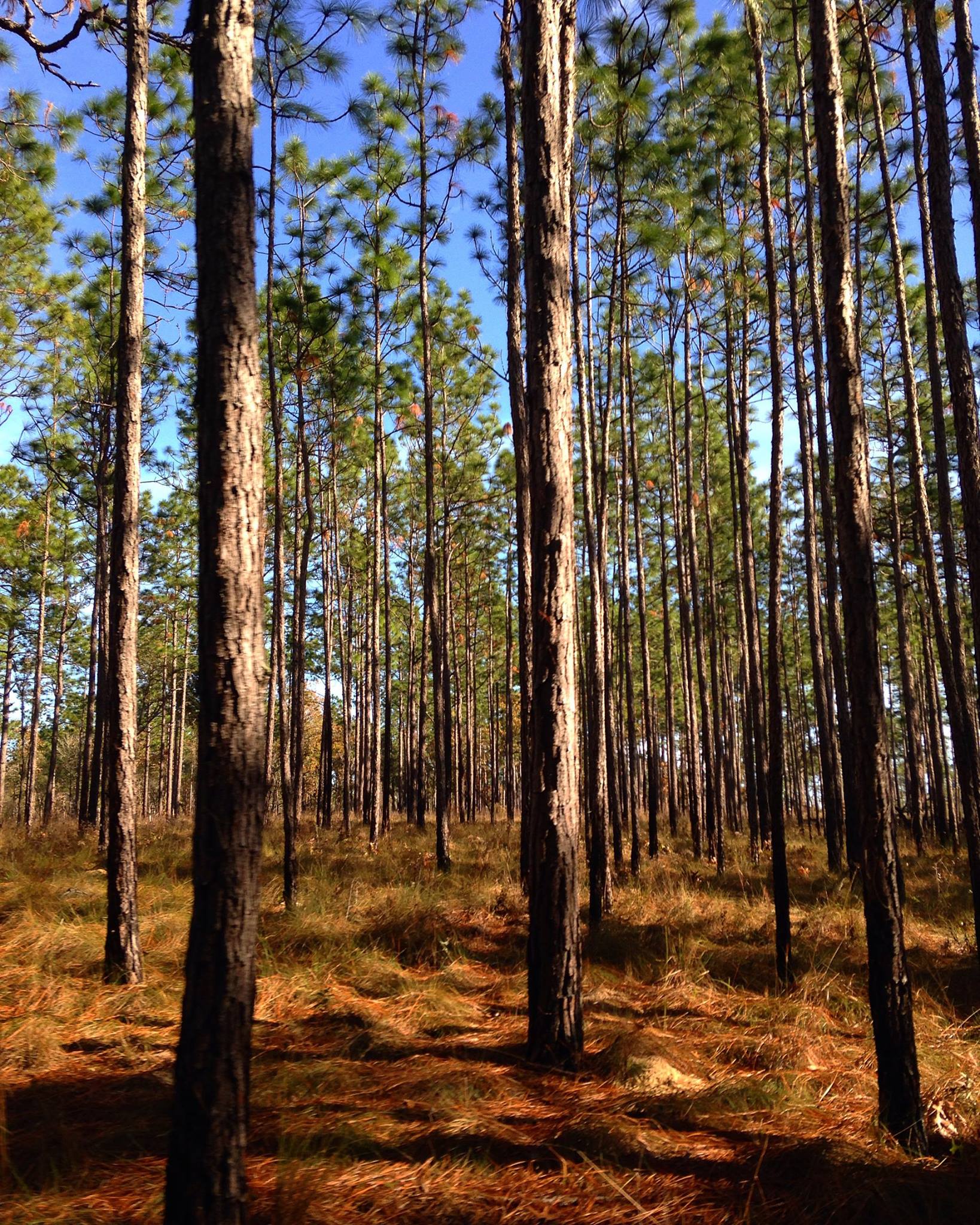
As far as habitat types are concerned, the longleaf pine savannas of southeastern North America are some of the most stunning. What's more, they are also a major part of one of the world's great biodiversity hotspots. Sadly, they are disappearing fast. Agriculture and other forms of development are gobbling up the southeast coastal plain at a bewildering rate. For far too long we have ignored, or at the very least, misunderstood these habitats. Today I would like to give a brief introduction to the longleaf pine and the habitat it creates.

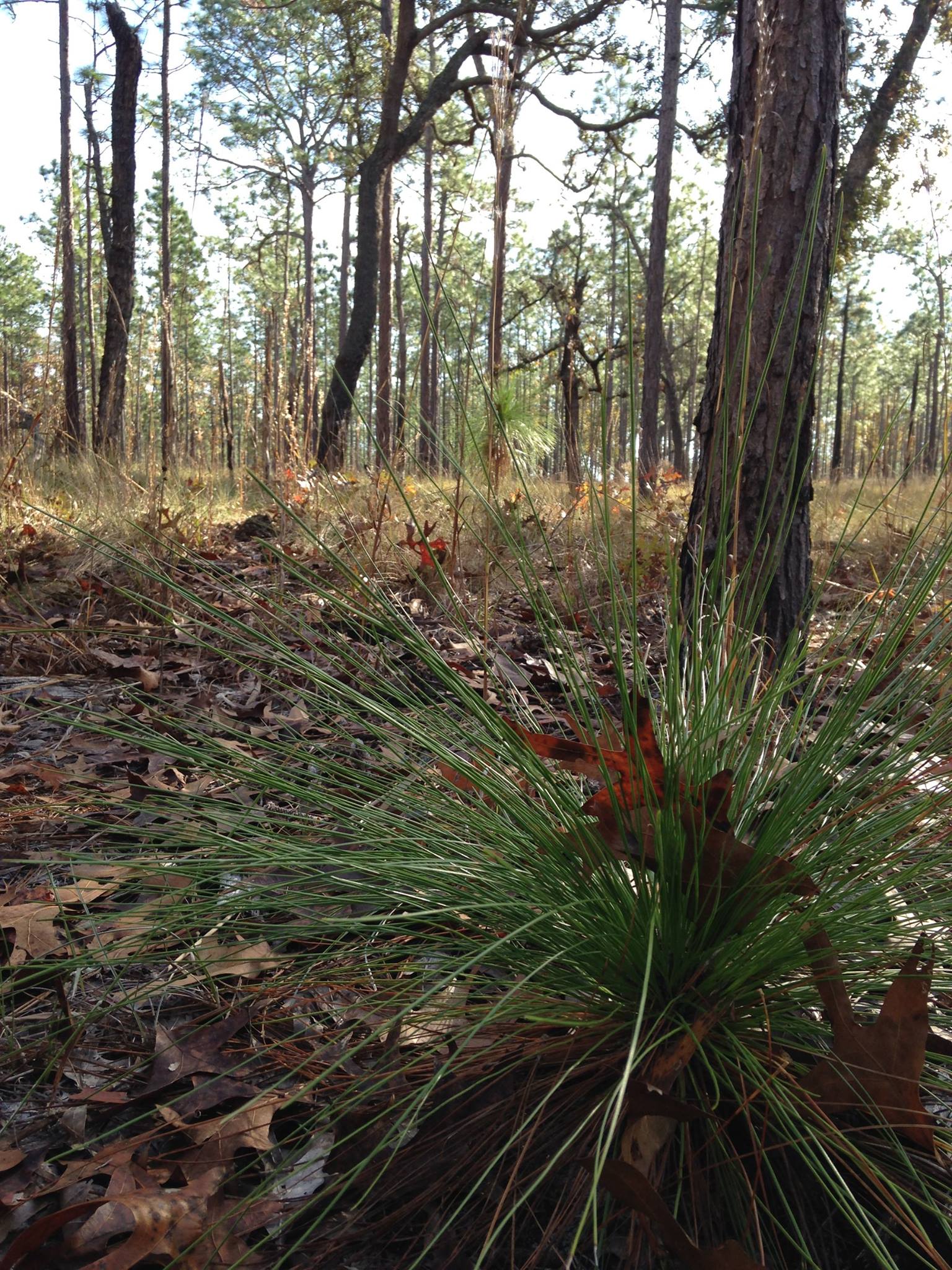
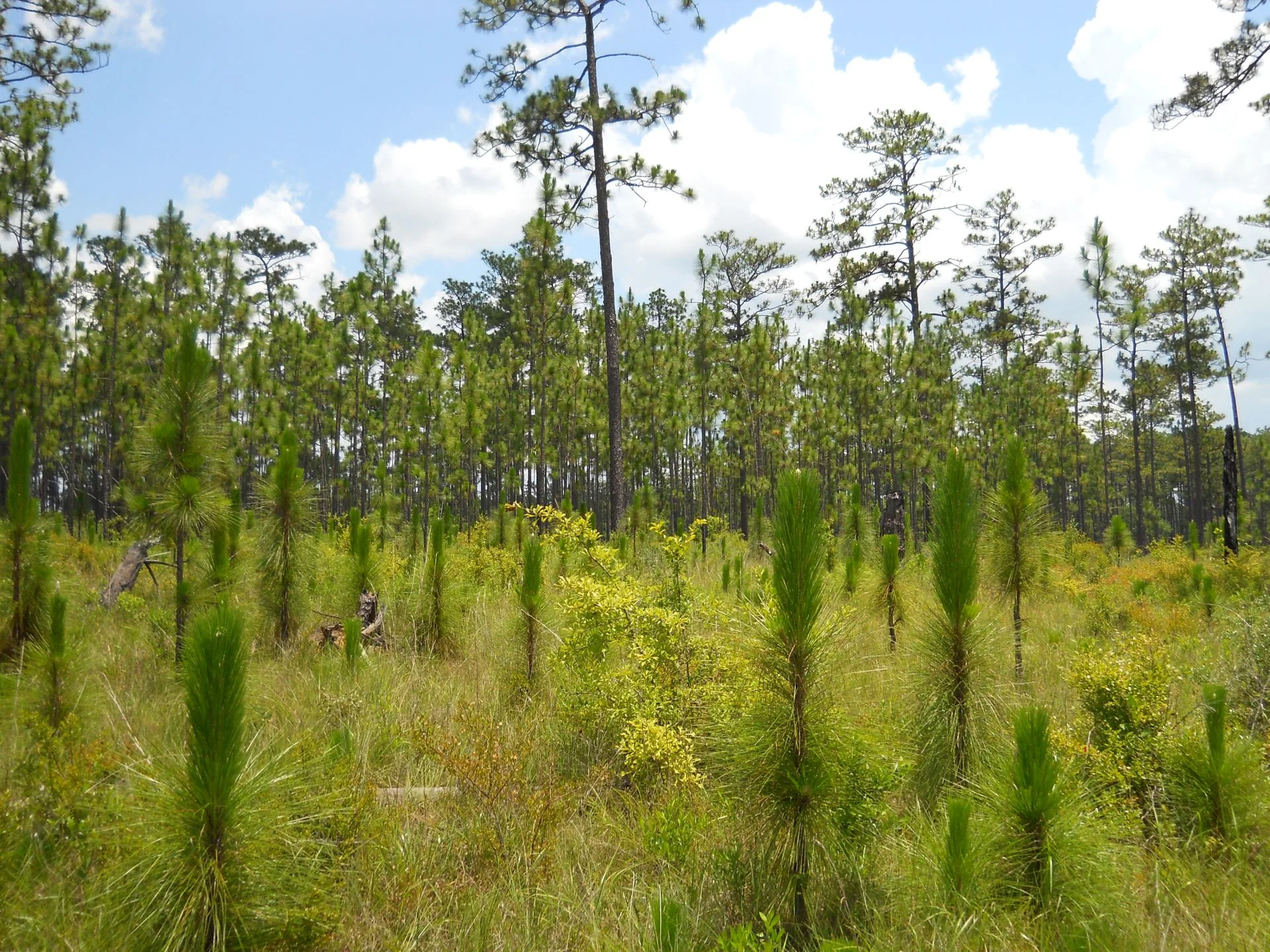
The longleaf pine (Pinus palustris) is an impressive species. Capable of reaching heights of 100 feet or more, it towers over a landscape that boggles the mind. It is a landscape born of fire, of which the long leaf pine is supremely adapted to dealing with. These pines start out life quite differently than other pines. Seedlings do not immediately reach for the canopy. Instead, young long leaf pines spend their first few years looking more like a grass than a tree. Lasting anywhere between 5 to 12 years, the grass stage of development gives the young tree a chance to save up energy before it makes any attempt at vertical growth. 

The reason for this is fire. If young long leaf pines were to start their canopy race immediately, they would very likely be burned to death before they grew big enough to escape the harmful effects of fire. Instead, the sensitive growing tip is safely tucked away in the dense needle clusters. If a fire burns through the area only the tips of the needles will be scorched, leaving the rest of the tree safe and sound. During this stage, the tree is busy putting down an impressive root system. The taproot alone can reach depths of 6 to 9 feet!

Once a hardy root system has been formed and enough energy has been acquired, young longleaf pines go through a serious growth spurt. Starting in later winter or early spring, the grass-like tuft will put up a white growth tip called a candle. This tip shoots upwards quite rapidly, growing a few feet in only a couple of months. This is sometimes referred to as the bottlebrush phase because no horizontal branches are formed during this time. The goal at this point is to get the sensitive growing tip as far away from the ground as possible so as to avoid damaging fires. It is fun to encounter long leaf pines at this stage because like any young adult, they look a bit awkward.

Photo Credit: Woodlot - Wikimedia Commons

Photo Credit: Woodlot - Wikimedia Commons

Once the tree reaches about 6 to 10 feet in height, it will finally begin to produce horizontal branches. This doesn't stop its canopy bid, however, as it still will put on upwards of 3 feet of vertical growth each year! Every year its bark grows thicker and thicker, thus each year it becomes more and more resistant to fire. Far from being a force to cope with, fire unwittingly gives longleaf pines a helping hand by clearing the habitat of potential competitors that are less adapted to dealing with burns. After about 30 years of growth, longleaf pines reach maturity and will start to produce fertile cones.

Before European settlement, longleaf pine savanna covered roughly 90,000,000 acres of southeastern North America. Clearing and development have reduced that to a mere 5% of its former glory. For far too long its coastal plain habitat was thought to be a flat, monotonous region created by early human burning in the last few thousand years. We now know how untrue those assumptions are. Sure, the region is flat but it is anything but monotonous. Additionally, the coastal plain is one of the most lightning prone regions in North America. Fires would have been a regular occurrence long before any humans ever got there. 

Red indicates forest loss between 2011 and 2014. http://glad.umd.edu/gladmaps

Evidence suggests that this coastal plain habitat has remained relatively stable for the last 62,000 years. As such, it is full of unique species. Surveys of the southeastern coastal plain have revealed multiple centers of plant endemism, rivaled in North America only by the southern Appalachian Mountains. In fact, taken together, the coastal plain forests are widely considered one of the world's biodiversity hotspots! Of the 62,000 vascular plants found in these forests, 1,816 species (29.3%) are endemic. Its not just plants either. Roughly 1,400 species of fish, amphibians, reptiles, birds, and mammals rely on the coast plain forests for survival.

Luckily, we are starting to wake up to the fact that we are losing one of the world's great biodiversity hotspots. Efforts are being put forth in order to conserve and restore at least some of what has been lost. Still, the forests of southeastern North America are disappearing at an alarming rate. Despite comprising only 2% of the world's forest cover, the southern forests are being harvested to supply 12% of the world's wood products. This is simply not sustainable. If nothing is done to slow this progress, the world stands to lose yet another biodiversity hotspot. 

If this sounds as bad to you as it does to me then you probably want to do something. Please check out what organizations such as The Longleaf Alliance, Partnership For Southern Forestland Conservation, The Nature Conservancy, and The National Wildlife Federation are doing to protect this amazing region. Simply click the name of the organization to find out more.

Further Reading: [1] [2] [3] [4] 

Important Lessons From Ascension Island

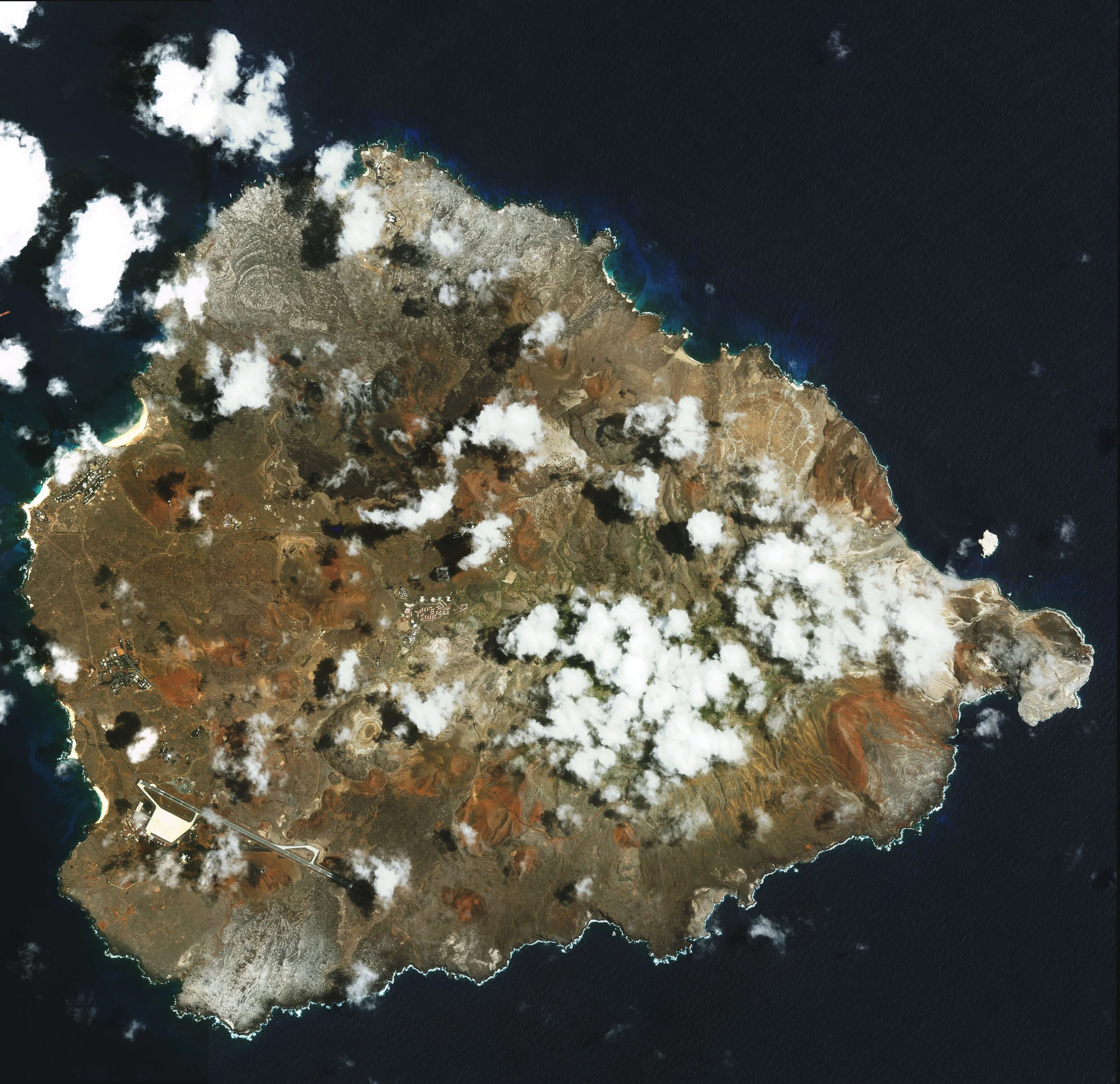
Located in the middle of the South Atlantic, Ascension Island is probably not on the top of anyone's travel list. This bleak volcanic island doesn't have much to offer the casual tourist but what it lacks in amenities it makes up for in a rich and bizarre history. Situated about 2,200 km east of Brazil and 3,200 km west of Angola, this remote island is home to one of the most remarkable ecological experiments that is rarely talked about. The roots of this experiment stem back to a peculiar time in history and the results have so much to teach the human species about botany, climate, extinction, speciation, and much more. What follows is not a complete story; far from it actually. However, my hope is that you can take away some lessons from this and, at the very least, use it as a jumping off point for future discussions. 

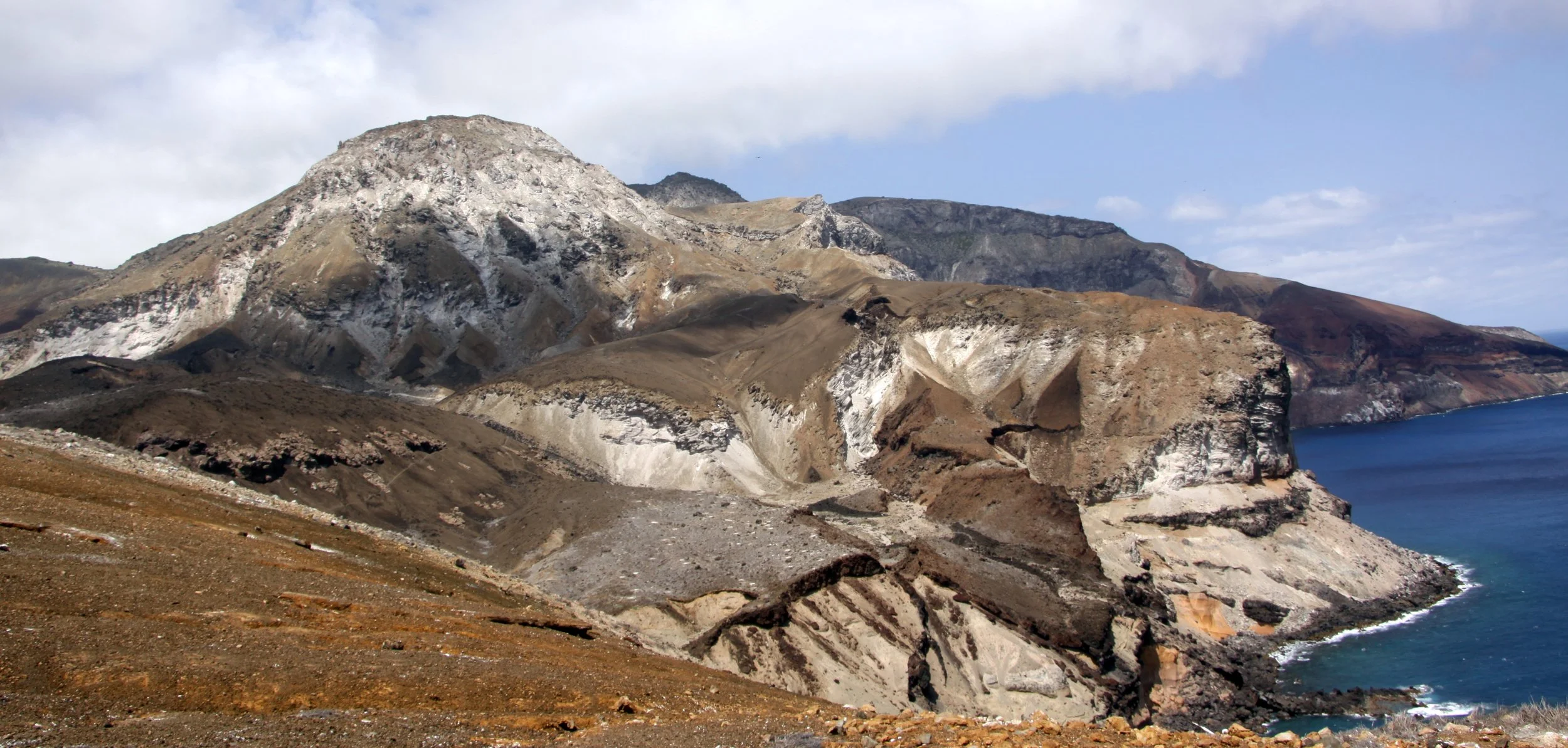
Ascension Island is, as land masses go, quite young. It arose from the ocean floor a mere 1 million years ago and is the result of intense volcanic activity. Estimates suggest that volcanism was still shaping this island as little as 1000 years ago. Its volcanic birth, young age, isolated conditions, and nearly non-existent soils meant that for most of its existence, Ascension Island was a depauperate place. It was essentially a desert island. Early sailors saw it as little more than a stopover point to gather turtles and birds to eat as they sailed on to other regions. It wasn't until 1815 that any permanent settlements were erected on Ascension. 

Photo by Drew Avery licensed under CC BY 2.0

Photo by Drew Avery licensed under CC BY 2.0

In looking for an inescapable place to imprison Napoleon Bonaparte, the Royal Navy claimed Ascension in the name of King George III. Because Napoleon had a penchant for being an escape artist, the British decided to build a garrison on the island in order to make sure Napoleon would not be rescued. In doing so, the limitations of the island quickly became apparent. There were scant soils in which to grow vegetables and fresh water was nearly nonexistent. 

The native flora of Ascension was minimal. It is estimated that, until the island was settled, only about 25 to 30 plant species grew on the island. Of those 10 (2 grasses, 2 shrubs, and 6 ferns) were considered endemic. If the garrison was to persist, something had to be done. Thus, the Green Mountain garden was established. British marines planted this garden at an elevation of roughly 2000 feet. Here the thin soils supported a handful of different fruits and vegetables. In 1836, Ascension was visited by a man named Charles Darwin. Darwin took note of the farm that had developed and, although he admired the work that was done in making Ascension "livable" he also noted that the island was "destitute of trees."

One of Ascension Island's endemic ferns - Pteris adscensionis. Photo by Drew Avery licensed under CC BY 2.0

One of Ascension Island's endemic ferns - Pteris adscensionis. Photo by Drew Avery licensed under CC BY 2.0

Others shared Darwin's sentiment. The prevailing view of this time period was that any land owned by the British empire must be transformed to support people. Thus, the wheels of 'progress' turned ever forward. Not long after Darwin's visit, a botanist by the name of Joseph Hooker paid a visit to Ascension. Hooker, who was a fan of Darwin's work, shared his sentiments on the paucity of vegetation on the island. Hooker was able to convince the British navy that vegetating the island would capture rain and improve the soil. With the support of Kew Gardens, this is exactly what happened. Thus began the terraforming of Green Mountain.

Photo by LordHarris licensed under CC BY-SA 3.0

Photo by LordHarris licensed under CC BY-SA 3.0

For about a decade, Kew shipped something to the tune of 330 different species of plants to be planted on Ascension Island. The plants were specifically chosen to withstand the harsh conditions of life on this volcanic desert in the middle of the South Atlantic. It is estimated that 5,000 trees were planted on the island between 1860 and 1870. Most of these species came from places like Argentina and South Africa. Soon, more plants and seeds from botanical gardens in London and Cape Town were added to the mix. The most incredible terraforming experiment in the world was underway on this tiny volcanic rock. 

By the late 1870's it was clear the the experiment was working. Trees like Norfolk pines (Araucaria heterophylla), Eucalyptus spp. and figs (Ficus spp.), as well as different species of banana and bamboo had established themselves along the slopes of Green Mountain. Where there was once little more than a few species of grass, there was now the start of a lush cloud forest. The vegetation community wasn't the only thing that started to change on Ascension. Along with it changed the climate. 

Photo by Drew Avery licensed under CC BY 2.0

Photo by Drew Avery licensed under CC BY 2.0

Estimates of rainfall prior to these terraforming efforts are sparse at best. What we have to go on are anecdotes and notes written down by early sailors and visitors. These reports, however, paint a picture of astounding change. Before terraforming began, it was said that few if any clouds ever passed overhead and rain rarely fell. Those living on the island during the decade or so of planting attested to the fact that as vegetation began to establish, the climate of the island began to change. One of the greatest changes was the rain. Settlers on the island noticed that rain storms were becoming more frequent. Also, as one captain noted "seldom more than a day passes over now without a shower or mist on the mountain." The development of forests on Ascension were causing a shift in the island's water cycle. 

Plants are essentially living straws. Water taken up by the roots travels through their tissues eventually evaporating from their leaves. The increase in plant life on the island was putting more moisture into the air. The humid microclimate of the forest understory cooled the surrounding landscape. Water that would once have evaporated was now lingering. Pools were beginning to form as developed soils retained additional moisture.

Photo by Ben Tullis licensed under CC BY 2.0

Photo by Ben Tullis licensed under CC BY 2.0

Now, if you are anything like me, at this point you must be thinking to yourself "but what about the native flora?!" You have every right to be concerned. I don't want to paint the picture that everything was fine and dandy on Ascension Island. It wasn't. Even before the terraforming experiment began, humans and other trespassers left their mark on the local biota. With humans inevitably comes animals like goats, donkeys, pigs, and rats. These voracious mammals went to work on the local vegetation. The early ecology that was starting to develop on Ascension was rocked by these animals. Things were only made worse when the planting began.

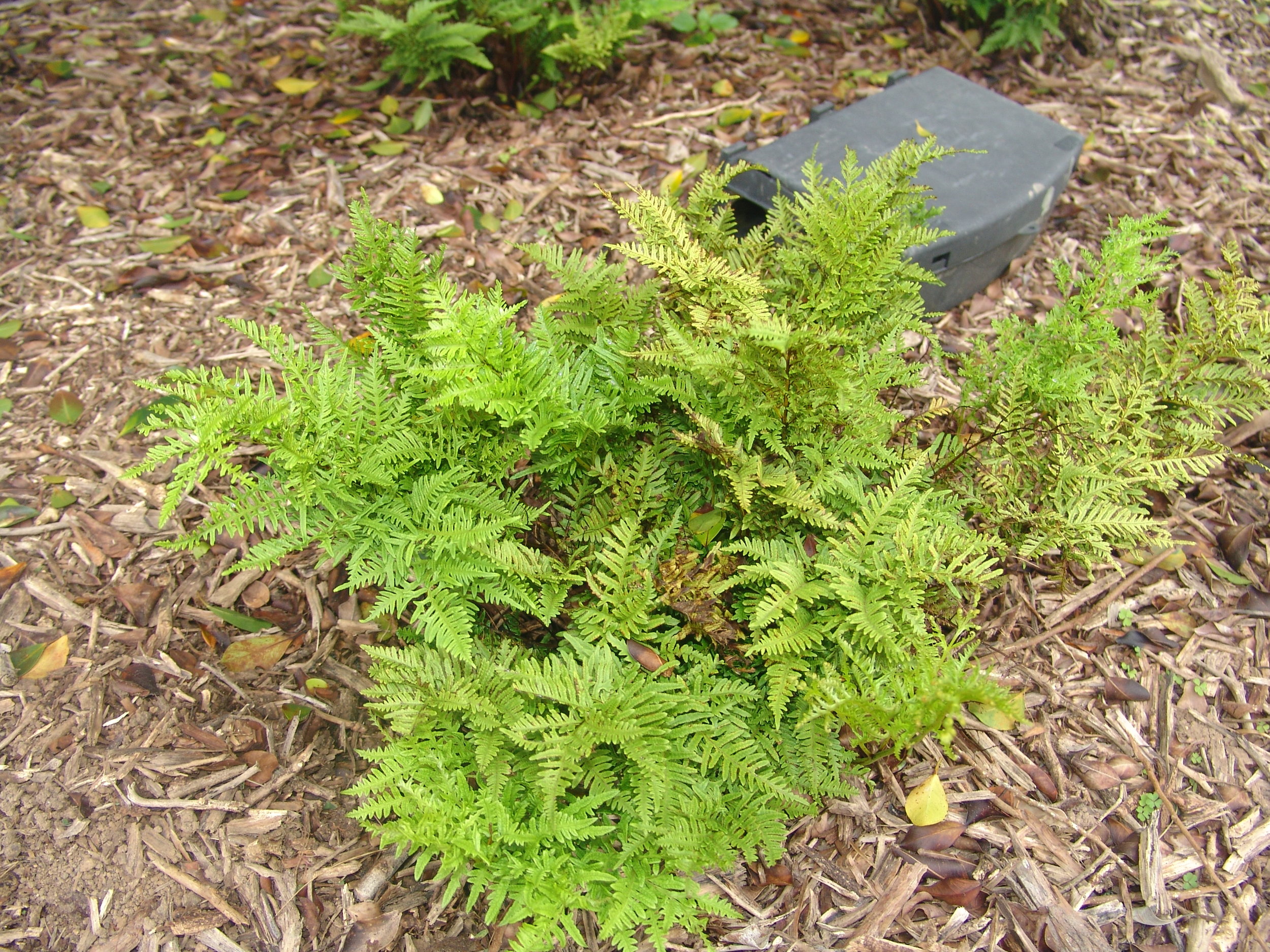
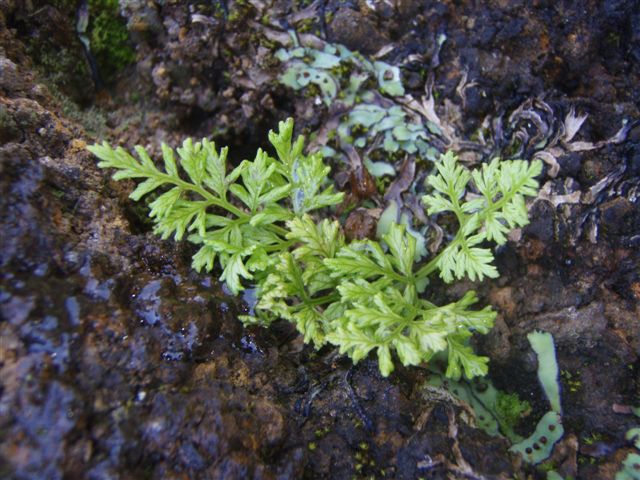
Of the 10 endemic plants native to Ascension Island, 3 went extinct, having been pushed out by all of the now invasive plant species brought to the island. Another endemic, the Ascension Island parsley fern (Anogramma ascensionis) was thought to be extinct until four plants were discovered in 2010. The native flora of Ascension island was, for the most part, marginalized by the introduction of so many invasive species. This fact was not lost of Joseph Hooker. He eventually came to regret his ignorance to the impacts terraforming would have on the native vegetation stating “The consequences to the native vegetation of the peak will, I fear, be fatal, and especially to the rich carpet of ferns that clothed the top of the mountain when I visited it." Still, some plants have adapted to life among their new neighbors. Many of the ferns that once grew terrestrially, can now be found growing epiphytically among the introduced trees on Green Mountain. 

The Ascension Island parsley fern (Anogramma ascensionis). Photo by Ascension Island Government Conservation Department licensed under CC BY-SA 3.0

The Ascension Island parsley fern (Anogramma ascensionis). Photo by Ascension Island Government Conservation Department licensed under CC BY-SA 3.0

Today Ascension Island exists as a quandary for conservation ecologists. On the one hand the effort to protect and conserve the native flora and fauna of the island is of top priority. On the other hand, the existence of possibly the greatest terraforming effort in the world begs for ecological research and understanding. A balance must be sought if both goals are to be met. Much effort is being put forth to control invasive vegetation that is getting out of hand. For instance, the relatively recent introduction of a type of mesquite called the Mexican thorn (Prosopis juliflora) threatens the breeding habitat of the green sea turtle. Efforts to remove this aggressive species are now underway. Although it is far too late to reverse what has been done to Ascension Island, it nonetheless offers us something else that may be more important in the long run: perspective.

If anything, Ascension Island stands as a perfect example of the role plants play in regulating climate. The introduction of these 330+ plant species to Ascension Island and the subsequent development of a forest was enough to completely change the weather of that region. Where there was once a volcanic desert there is a now a cloud forest. With that forest came clouds and rain. If adding plants to an island can change the climate this much, imagine what the loss of plants from habitats around the world is doing. 

Each year an estimated 18 million acres of forest are lost from this planet. As human populations continue to rise, that number is only going to get bigger. It is woefully ignorant to assume that habitat destruction isn't having an influence on global climate. It is. Plants are habitat and when they go, so does pretty much everything else we hold near and dear (not to mention require for survival). If the story of Ascension does anything, I hope it serves as a reminder of the important role plants play in the function of the ecosystems of our planet. 

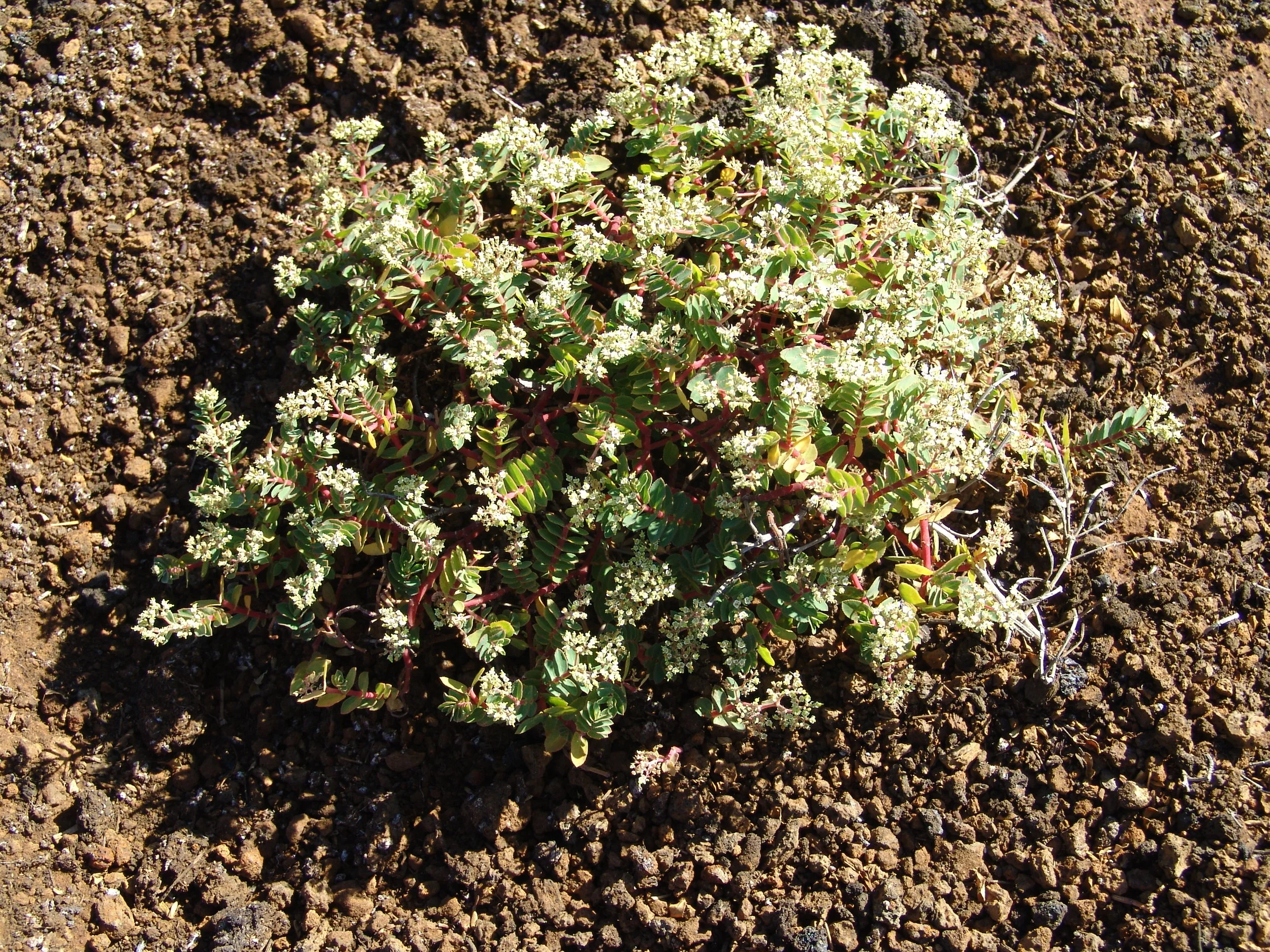
The endemic Ascension spurge (Euphorbia origanoides). Photo by Drew Avery licensed under CC BY 2.0

The endemic Ascension spurge (Euphorbia origanoides). Photo by Drew Avery licensed under CC BY 2.0

Photo by DCSL licensed under CC BY-NC 2.0

Photo by DCSL licensed under CC BY-NC 2.0

Photo Credits: [1] [2] [3] [4] [5] [6] [7] [8]

Further Reading: [1] [2] [3]