A Cave Dwelling Nettle From China

Photo by Monro & Wei [SOURCE]

Photo by Monro & Wei [SOURCE]

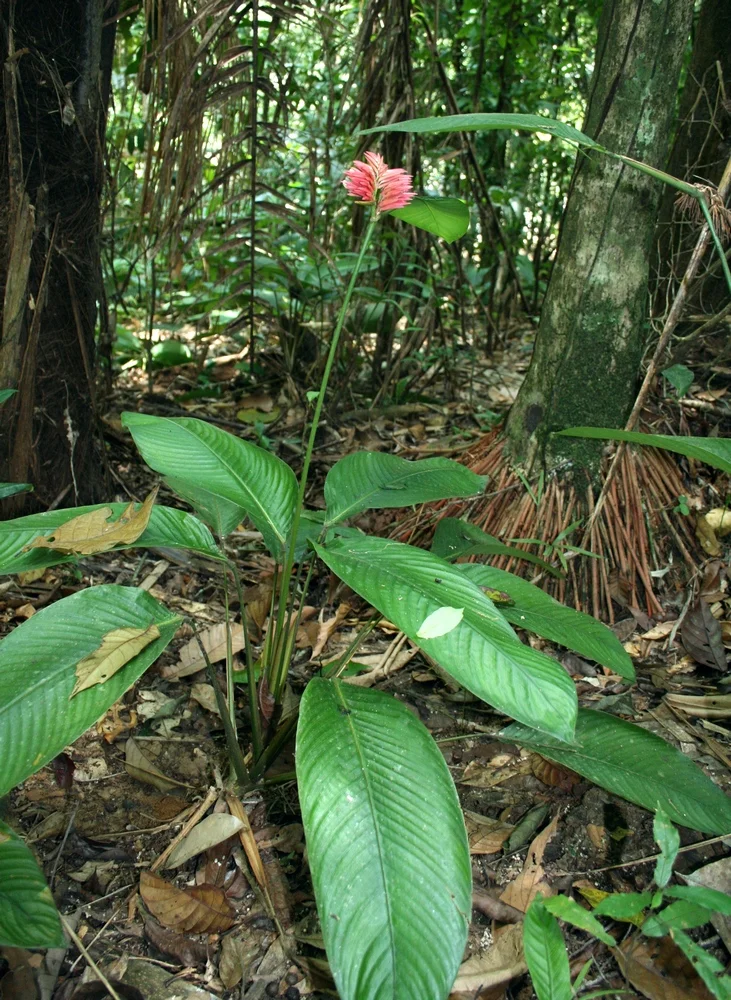
Caves and plants do not seem like a good combo. Plants need sunlight and caves offer very little to none of it. However, plants in general never seem to read the literature we write about them. As such, they are constantly surprising botanists all over the world. 

A recent example of this was published back in September of 2012. A team of botanists exploring limestone gorges in southwestern China stumbled upon three new members of the nettle family. One of these nettles seemed to be right at home growing well within two limestone caves. 

Needless to say this was quite a shock to the botanists. The regions in which these plants were growing were quite dim, with light levels ranging from a mere 0.04% to a measly 2.78 % of full daylight! Although this is by no means complete darkness, it is an incredibly low amount of sunlight for a plant that still relies on photosynthesis to get by. 

They named the nettle Pilea cavernicola in reference to its cave-dwelling habit. While it has only just been discovered, the IUCN considers this species vulnerable. Only two populations are known and their proximity to expanding human activity puts them in danger of rapid extinction. 

Photo Credit: Monro & Wei

Further Reading: [1]
The Fuzziest of Flowers

Photo by Andreas Kay licensed under CC BY-NC-SA 2.0

Photo by Andreas Kay licensed under CC BY-NC-SA 2.0

Describing plants can be quite a task for taxonomists. When a new species is discovered, the honor of naming it often goes to the discoverer. At the very least, they have some input. Some folks go for the more traditional rout and give the plant a descriptive name rooted in either Latin or Greek. Others decide to name the plant in honor of a botanist of the past or perhaps a loved one. Still others take a stranger approach in order to immortalize a famous celebrity. However, in doing so they risk taking something away from the species in question.

Instead of a descriptive name that clues you in on specific features of the plant, instead you hit an etymological dead end in which you are stuck with nothing more than a last name. This became quite apparent to University of Alabama botanist John Clark when it was time to name a newly discovered plant species from South America. 

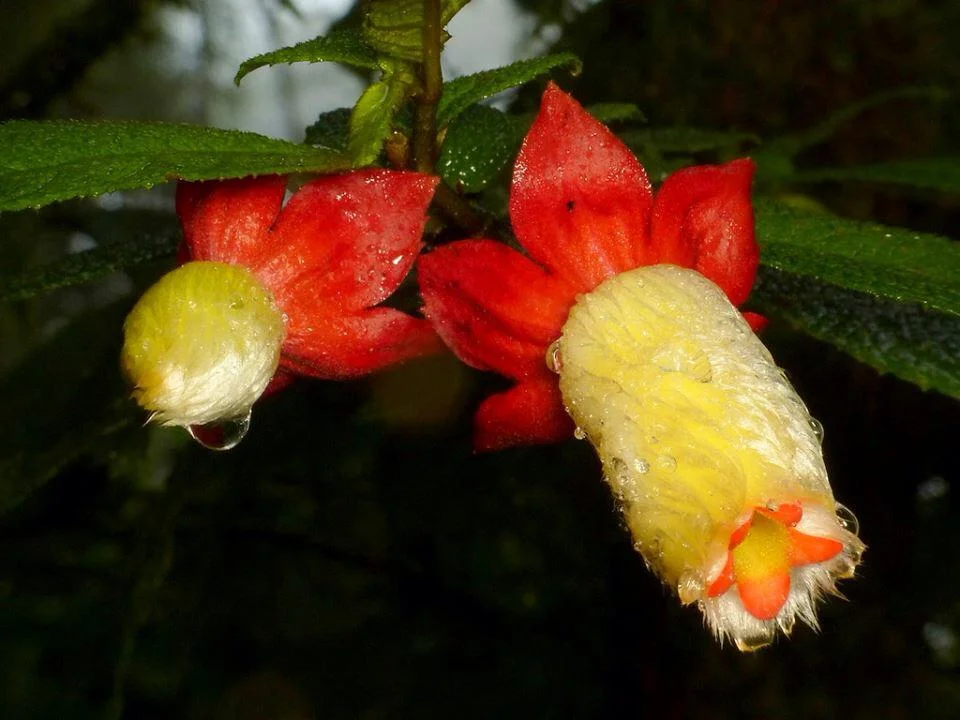
Had things been slightly different, the recently discovered Kohleria hypertrichosa would have been named after Chewbacca. One look at the flowers of this species and you can understand why. The long tubular petals of this gesneriad are covered in dense, fuzzy hair. This is unlike any other plant known to science. The appearance of these odd fuzz balls may seem puzzling at first but considering where this plant was found growing, it quickly becomes apparent that these flowers are a marvelous adaptation in response to climate. 

Kohleria hypertrichosa is only known to grow in a very narrow swath of mountainous cloud forest in the Ecuadorian Andes. At home between elevations of 3,600 and 6,600 feet above sea level, this wonderful gesneriad experiences some pretty low temperatures for a tropical region. It is likely that the thick layer of hairs keeps the flowers a bit warmer than the surrounding air, offering a welcoming microclimate for pollinators. This could potentially make them much more likely to be pollinated in a habitat where pollinators may be in short supply. 

At the end of the day, Clark decided to stick with a more traditional name for this new species. Its scientific name is no less interesting as a result. The specific epithet 'hypertrichosa' is derived from a condition in humans known as hypertrichosis, or werewolf syndrome, in which a person grows excessive amounts of body hair. 

Photo Credit: Andreas Kay [1]

Further Reading: [1]

Wasabi

Photo by Qwert1234 licensed under CC BY-SA 3.0

Photo by Qwert1234 licensed under CC BY-SA 3.0

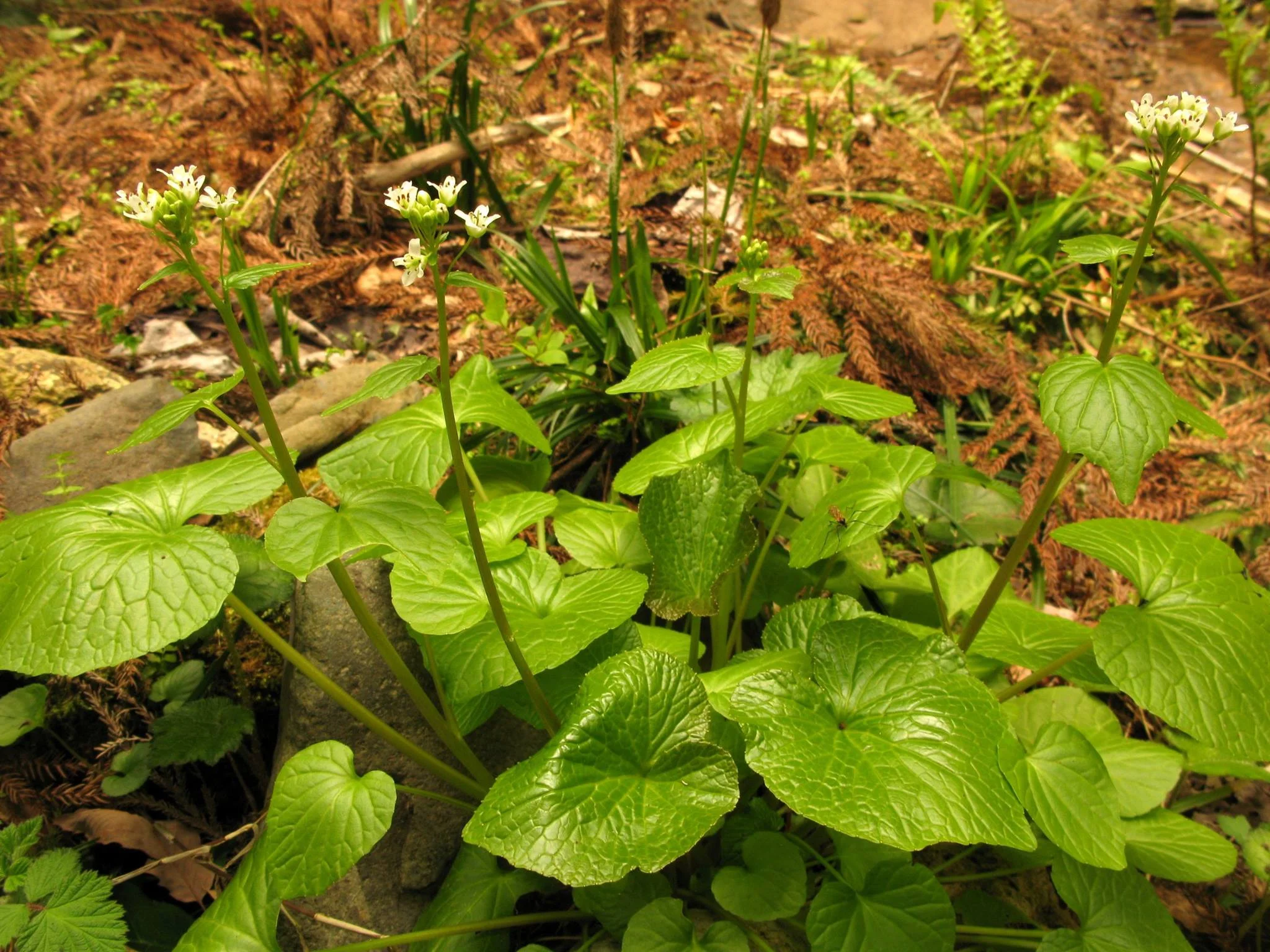
Whether you like wasabi or hate it, there is a very high probability that you have never actually tasted it. It is estimated that only about 5% of Japanese restaurants around the world actually offer the real stuff. Instead, the wasabi we most often indulge in is a mix of mustard, European horseradish (Armoracia rusticana), and green food coloring. This begs the question, why is real wasabi so hard to come by?

The answer to this lies in the plant. Real wasabi comes from a species of mustard native to the mountains of Japan. Flowering for this group consists of an inflorescence packed with small, white, 4-petaled flowers shoots up above the leaves. There exists two species within the genus - the uncultivated Wasabia tenuis and the cultivated Wasabia japonica. It has been suggested that these plants be moved out of the genus Wasabia and into the genus Eutrema. Regardless of their taxonomic affiliation, these are beautiful and interesting plants. 

Whereas W. tenuis tends to grow on mesic mountainsides, W. japonica prefers to grow in and around streams. In fact, it can often be found growing right out of the gravelly stream bed. Its strict riparian habit has made it hard for this plant to catch on commercially. Although it doesn't grow submerged like an aquatic plant, it nonetheless needs running water. Without it, the plant will languish and die. Although methods of soil growing W. japonica are sometimes used, these are very labor intensive and require a lot of inputs in order for the plants to thrive. The plant also seems to be highly susceptible to disease if planted in high densities. Overall this has made finding real wasabi a difficult, and not to mention expensive, venture. 

Photo Credit: Qwert1234 (Wikimedia Commons)

Further Reading: [1]

Staying Warm: An Alpine Plant Approach to Reproduction

Photo by Richard Jones licensed under CC BY-NC-ND 2.0

Photo by Richard Jones licensed under CC BY-NC-ND 2.0

Things are beginning to cool down throughout the northern hemisphere. As winter approaches, most plant species begin to enter their dormancy period. Very few plants risk wasting their reproductive efforts in the chill of late fall, having gotten most of it out of the way during the warm summer months. This is easy enough for low elevation (and low latitude) plants but what about species living in the high arctic or alpine habitats. Such habitats are faced with cold, harsh conditions year round. How do plants living in these zones deal with reproduction?

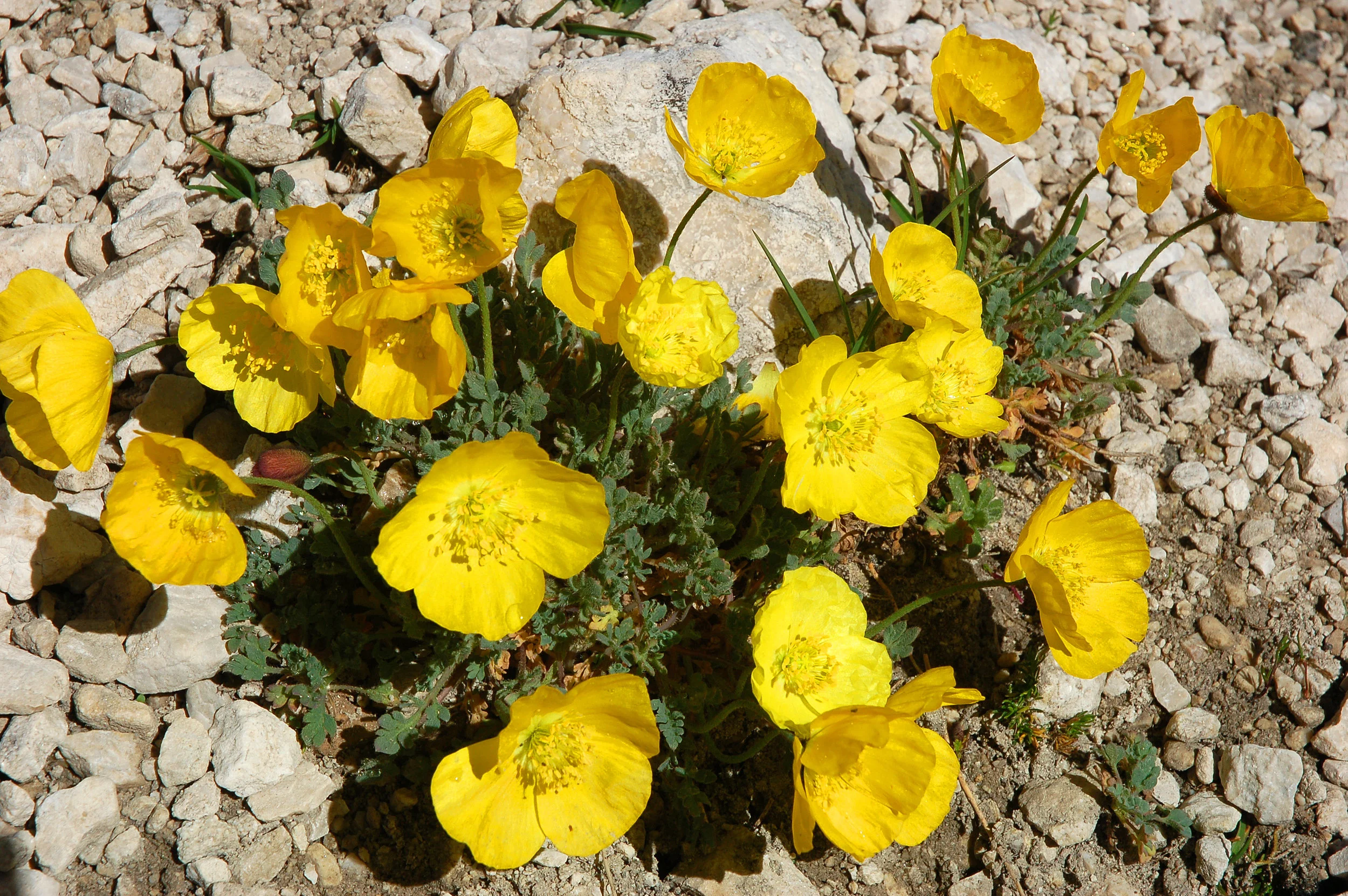
These limitations are overcome via physiology. For starters, plants living in such extreme habitats often self pollinate. Insects and other pollinators are too few and far between to rely solely upon them as a means of reproduction. Also, the flowers of most cold weather plants are heliocentric. This means that, as the sun moves across the sky, the flowers track its path so that they are constantly perpendicular to its rays. This maintains maximum exposure to this precious heat source. 

Additionally, many arctic and alpine plants have parabolically shaped flowers. This amplifies the incoming radiation being absorbed by the flower. Experiments have shown that flowers that have been shaded from the heat of the sun had a dismal seed set of only 8% whereas plants exposed to the sun had an elevated seed set of 60%. 

For plants in these habitats, its all about persistence. Low reproductive rates are often offset by extremes in longevity. This is one of the many reasons why hikers must remember to tread lightly in these habitats. Damages incurred by even a single careless hiker can take decades, if not centuries, to recover. 

Photo Credit: [1]

Further Reading: [1]

A Green Daffodil From Spain

Photo by A. Barra licensed under CC BY 3.0

Photo by A. Barra licensed under CC BY 3.0

There are some plants that are so ubiquitous in horticulture that I almost forget that they have wild constituents. Every plant in our gardens can trace its lineage back to the wild. As is often the case, I find the wild congeners of our most beloved horticultural curiosities to be far more fascinating. Take, for instance, the genus Narcissus. Who doesn't recognize a daffodil? The same cannot be said for their wild cousins. In fact, there exists some pretty fantastic species within this genus including a small handful of species that flower in autumn. 

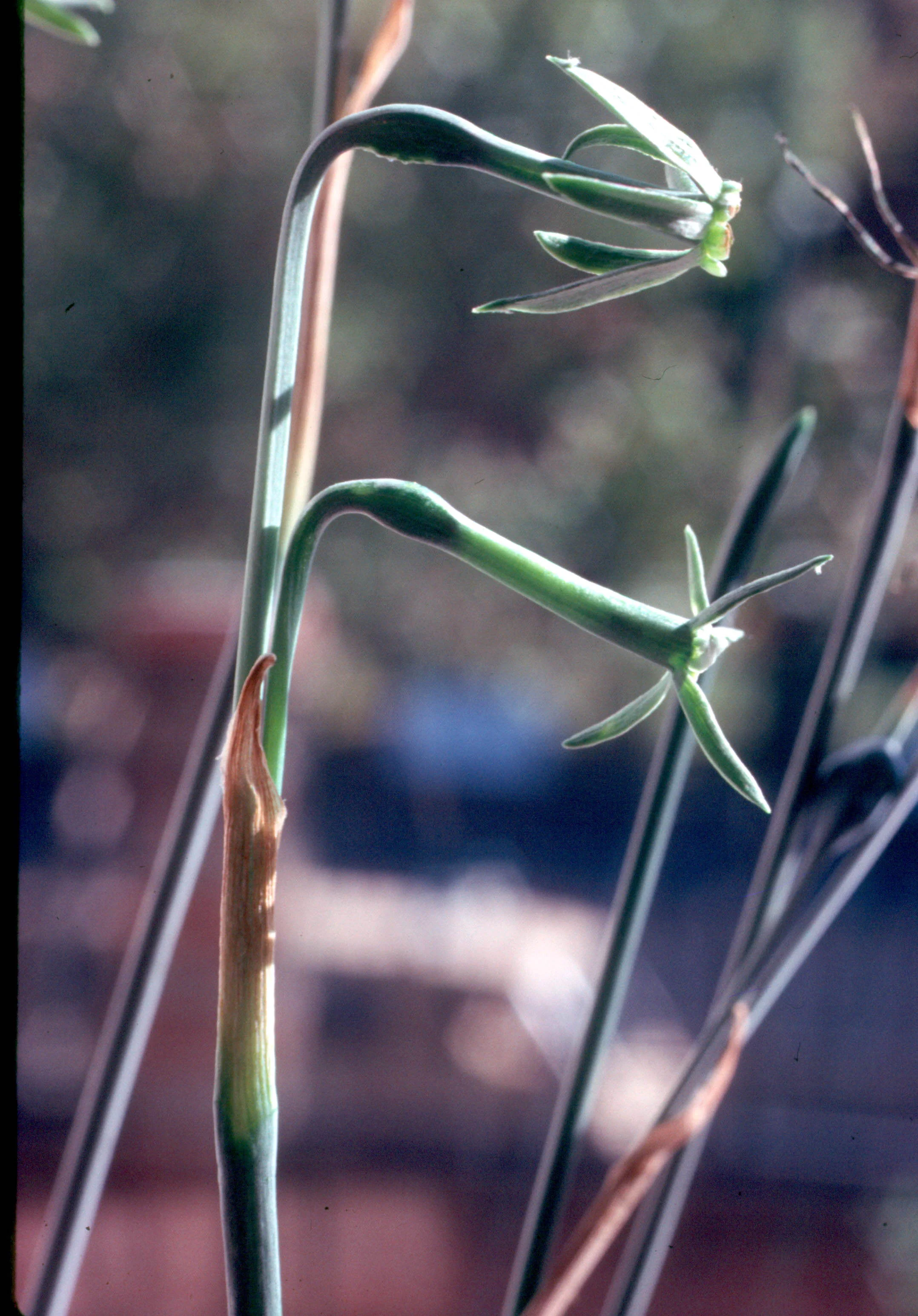
A unique fall flowering daffodil is a species known scientifically as Narcissus viridiflorus. This lovely little plant is quite restricted in its range. You will only find it growing naturally in a small region around Gibraltar where it is restricted to rich, clay and/or rocky soils. During years when it is not in flower, N. viridiflorus produces spindly, rush-like leaves. As such, it can be hard to find. 
 

When Narcissus viridiflorus does decide to flower, it forgoes leaf production. From the bulb arises a single green scape. From that scape emerges the flower. The flowers of this bizarre daffodil are decidedly not very daffodil-like. They are rather reduced in form, with long, slender green petals and a nearly nonexistent daffodil cone. Also, they are green. Though I have not seen this investigated directly, it has been suggested that the green scape and flowers contain enough chlorophyll that they plant can recoup at least some of the energy involved in producing flowers and eventually seed. 

The flowers themselves open at night and are said to be very fragrant. Again, no data exists on who exactly pollinates this species but the timing, color, and smell all suggest nocturnal insects like moths. Like the other daffodils of this region, Narcissus viridiflorus is poorly understood. Taken in combination with its limited distribution one can easily see how such a species may be quite vulnerable to human disturbance. As it stands now, this species and many of its cousins are no more than horticultural curiosities for more niche bulb societies. In other words, Narcissus viridiflorus is in need of some real attention. 

Photo Credit: [1] [2]

Further Reading: [1]

The Gas Plant

Photo by Jörg Hempel licensed under CC BY-SA 3.0 de

Photo by Jörg Hempel licensed under CC BY-SA 3.0 de

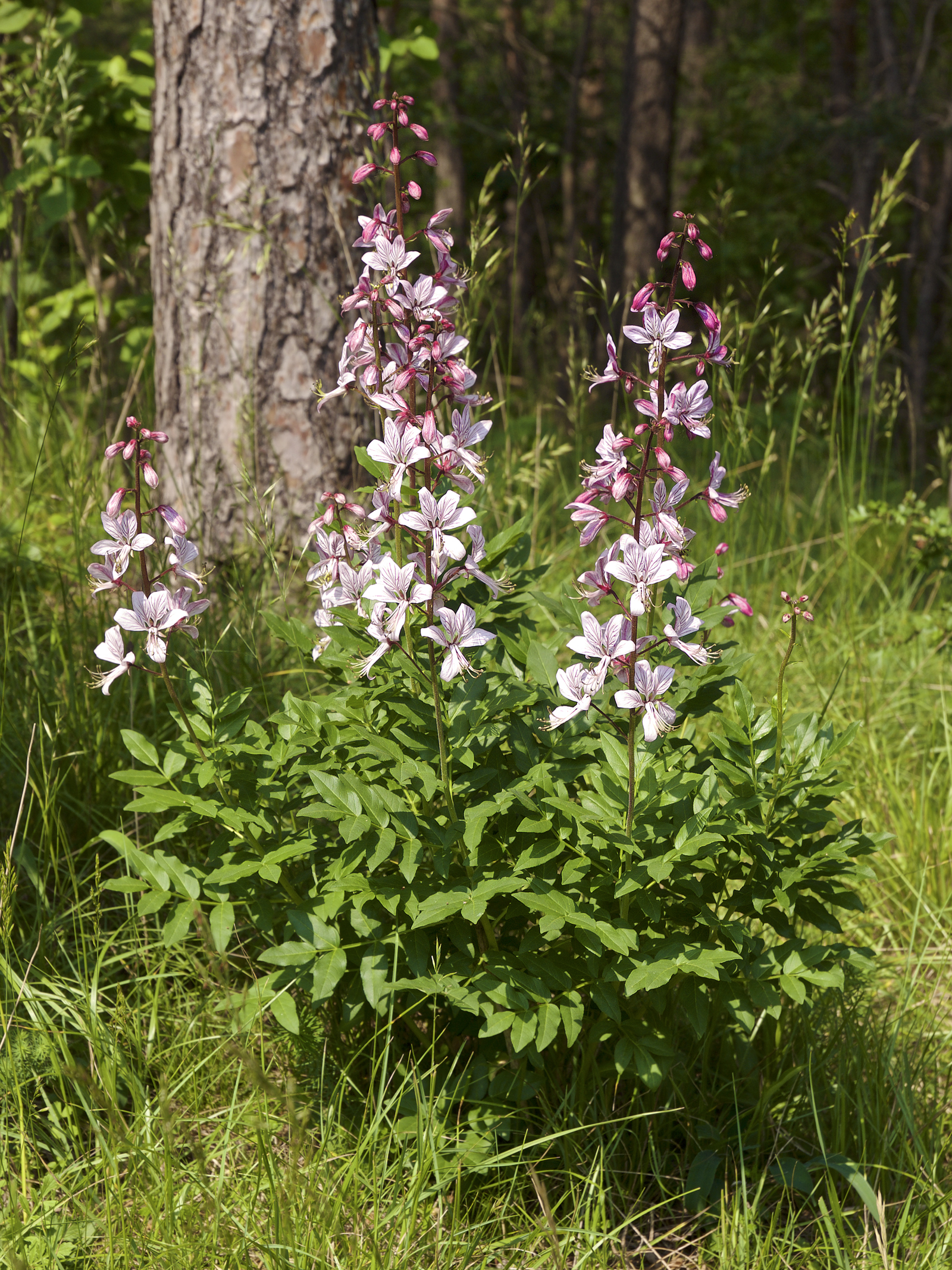
Meet the gas plant, Dictamnus albus. This lovely herbaceous species is native to southern Europe, north Africa, and Asia. The gas plant is a member of the citrus family, Rutaceae, and like many members of this group, it has very showy blossoms. Its affiliation with the citrus fruits on your counter isn't the only interesting thing about this species. As the common name might suggest, this plant does something quite strange. 

During the heat of summer, parts of the gas plant exude an oily substance that smells much like the fruits of its cousin, the lemon. These oils have been known to cause contact dermatitis not unlike the sap of giant hogweed. However, this is not the strangest aspect of the gas plants oily nature. One of the properties of these oils is that they are highly volatile. So volatile in fact that they can ignite. 

Another common name for this species is burning bush (though not the one of biblical lore). If air temperatures get high enough or if someone takes a match to this plant on a hot day, the oils covering its tissues will ignite in a flash. The oils burn off so quickly that it is of no consequence to the plant. It goes on growing like nothing ever happened. If you're like me then you have one burning question after reading this - why?!

Despite how incredible this phenomenon may seem, it doesn't appear that too many people have looked into its function. Research has identified a highly flammable organic compound within the oils called isoprene. In plants, isoprenes are thought to protect against heat stress. This is bolstered by the fact that the gas plant produces these compounds during the heat of summer. 

Another possibility is that spontaneous ignition of these compounds could create small wildfires that clear the surrounding area of competition. I have not seen any evidence suggesting this. Yet another possibility is that this is simply an unrelated side effect of oil production. Since the plant is not hurt by the quick burst of flames, it simply hasn't had any reason to evolve a less flammable alternative. Evolution is funny like that. 

Still don't believe what you are reading? Check out this video:

Photo Credit: Jörg Hempel (Wikimedia Commons)

Further Reading: [1]


Lizard Helpers

Photo by Tatters ✾ licensed under CC BY-NC-ND 2.0

Photo by Tatters ✾ licensed under CC BY-NC-ND 2.0

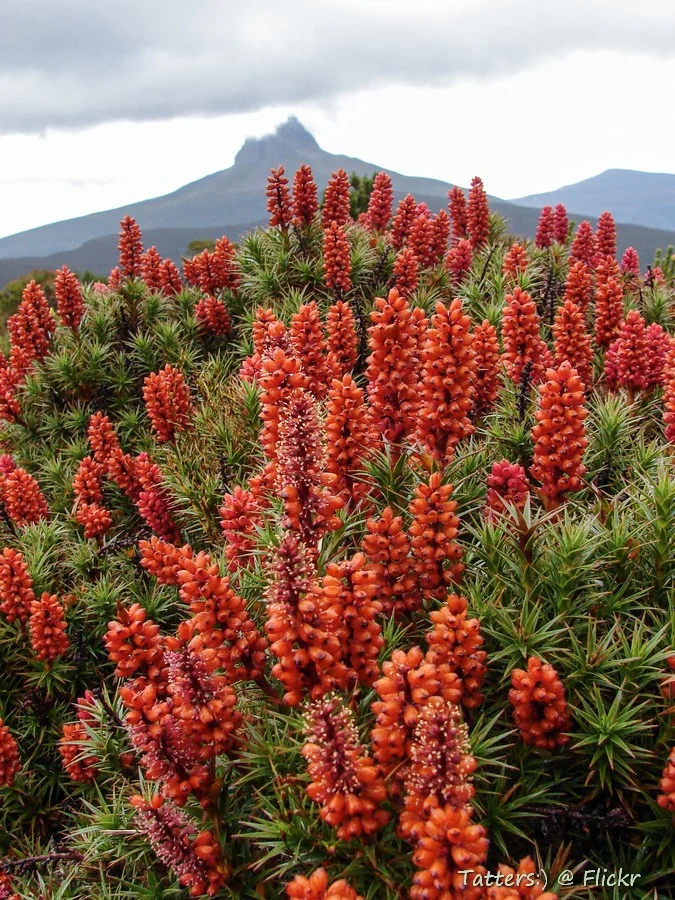
The beauty of Tasmania's honeybush, Richea scoparia, is equally matched by its hardiness. At home across alpine areas of this island, this stout Ericaceous shrub has to contend with cold temperatures and turbulent winds. The honeybush is superbly adapted to these conditions with its compact growth, and tough, pointy leaves. Even its flowers are primed for its environment. They emerge in dense spikes and are covered by a protective casing comprised of fused petals called a "calyptra." Such adaptations are great for protecting the plant and its valuable flowers from such brutal conditions but how does this plant manage pollination if its flowers are closed off to the rest of the world? The answer lies in a wonderful little lizard known as the snow skink (Niveoscincus microlepidotus).

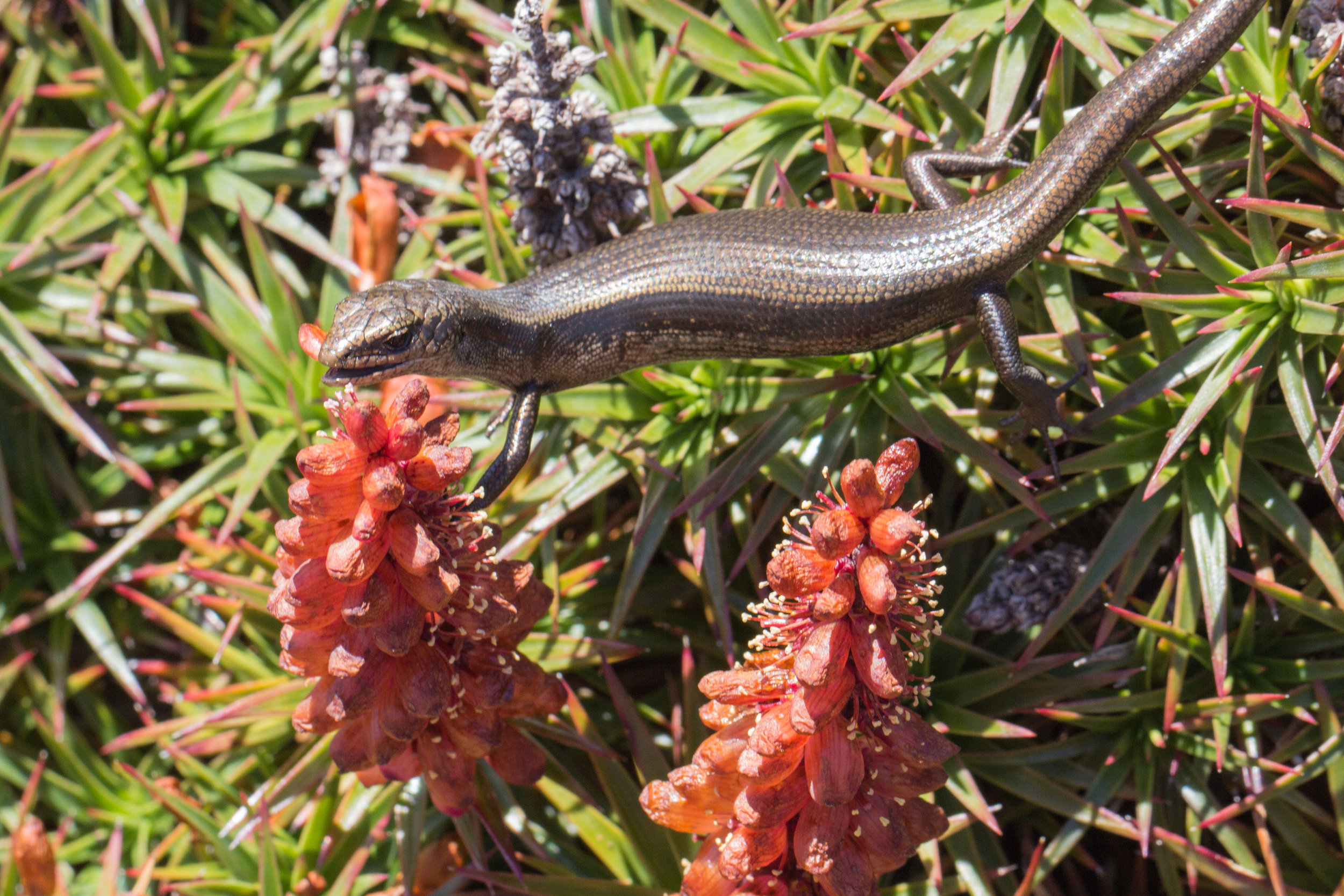
The snow skink is not a pollinator. Far from it. All the snow skink wants is access to the energy rich nectar contained within the calyptra. In reality, the snow skink is a facilitator. You see, the calyptra may be very good at shielding the developing flower parts from harsh conditions, but it tends to get in the way of pollination. That is where the snow skink comes in. Attracted by the bright coloration and the nectar inside, the snow skink climbs up to the flower spike and starts eating the calyptra. In doing so, the plants reproductive structures are liberated from their protective sheath. 

Photo by Tindo2 - Tim Rudman licensed under CC BY-NC 2.0

Photo by Tindo2 - Tim Rudman licensed under CC BY-NC 2.0

Once removed, the flowers are visited by a wide array of insect pollinators. In fact, research shows that this is the only mechanism by which these plants can successfully outcross with their neighbors. Not only does the removal of the calyptra increase pollination for the honeybush, it also aids in seed dispersal. Experiments have shown that leaving the calyptra on resulted in no seed dispersal. The dried covering kept the seed capsules from opening. When calyptras are removed, upwards of 87% of seeds were released successfully. 

Although several lizard species have been identified as pollinators and seed dispersers, this is some of the first evidence of a reptilian pollination syndrome that doesn't actually involve a lizard in the act of pollination. It is kind of bizarre when you think about it. As if pollination wasn't strange enough in requiring a third party for sexual reproduction to occur, here is evidence of a fourth party required to facilitate the action in the first place. It may not be just snow skinks that are involved either. Evidence of birds removing the calyptra have also been documented. Whether its bird or lizard, this is nonetheless a fascinating coevolutionary relationship in response to cold alpine conditions. 

Photo Credits: [1] [2]

Further Reading: [1]

Live-In Mites

Photo by Scott Zona licensed under CC BY-NC 2.0

Photo by Scott Zona licensed under CC BY-NC 2.0

Hearing the word "mite" as a gardener instantly makes me think of pests such as spider mites. This is not fair. The family to which mites belong (Acari) is highly varied and contains many beneficial species. Many mites are important predators at the micro scale. Some are fungivorous, eating potentially harmful species of fungi. Whereas this may be lost on the majority of us humans, it is certainly not lost on many species of plants. In fact, the relationship between some plants and mites is so strong that these plants go as far as to provide them with a sort of home.

Photo by Jsarratt licensed under CC BY-SA 3.0

Photo by Jsarratt licensed under CC BY-SA 3.0

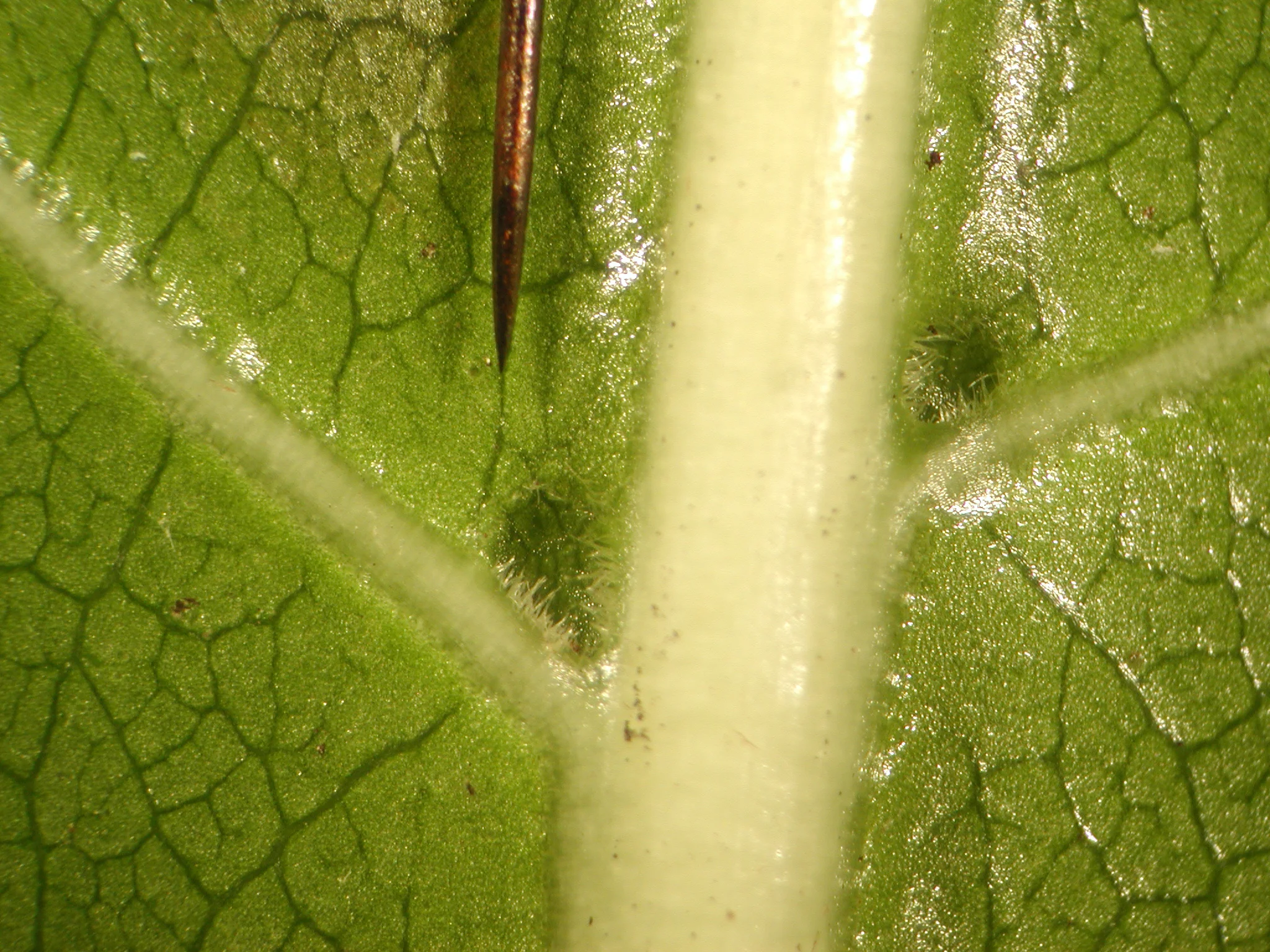
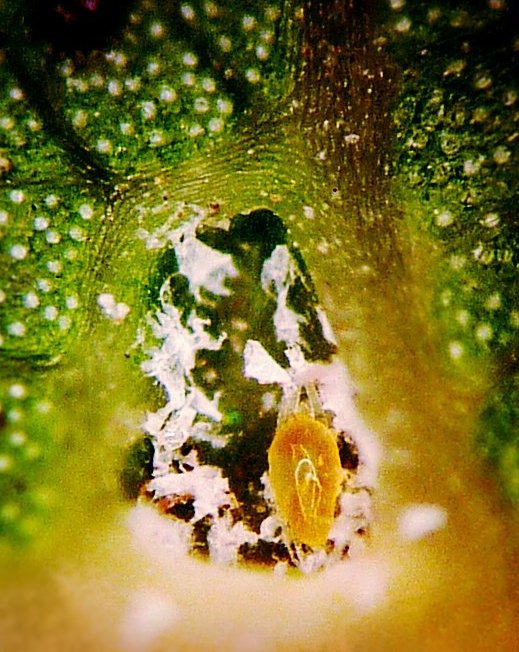
Domatia are specialized structures that are produced by plants to house arthropods. A lot of different plant species produce domatia but not all of them are readily apparent to us. For instance, many trees and vines such as red oak (Quercus rubra), sugar maples (Acer saccharum), black cherries (Prunus serotina), and many species of grape (Vitis spp.) produce tiny domatia specifically for mites. The domatia are often small, hairy, and function as shelter for both the mites and their eggs.

By housing certain species of mites, these plants are ensuring that they have a steady supply of hunters and cleaners living on their leaves. Predatory mites are voracious hunters, keeping valuable leaves free of microscopic herbivores while frugivorous mites clean the leaves of detrimental fungi that are known to cause infections such as powdery mildew. The exchange is pretty straight forward. Mites get a home and a place to breed and the plants get some protection. Still, some plants seem to want to sweeten the relationship in a literal sense.

Some plants, specifically grape vines in the genus Vitis, also produce extrafloral nectaries on their leaves. These tiny glands secrete sugary nectar. In a paper recently published in the Annals of Botany, it was found that extrafloral nectaries enhances the efficacy of these mite domatia by enticing more mites to stick around. By adding nectar to domatia-producing leaves that did not secrete it, the researchers found that nectar increases beneficial mite densities on these leaves by 60 - 80%. This translates to an increase in fitness for these plants in the long run.

I love research like this. I had no idea that so many of my favorite and most familiar tree and vine species had entered into an evolutionary relationship with beneficial mites. This adds a whole new layer of complexity to the interactions within any given environment. It just goes to show you how much is left to be discovered in our own back yards.

Photo Credits: [1] [2] [3]

Further Reading: [1] [2] [3]

On Crickets and Seed Dispersal

Photo by Vojtěch Zavadil licensed under CC BY-SA 4.0

Photo by Vojtěch Zavadil licensed under CC BY-SA 4.0

The world of seed dispersal strategies is fascinating. Since the survival of any plant species requires that its seed find a suitable place to germinate, it is no wonder then that there are myriad ways in which plants disseminate their propagules. Probably my favorite strategies to ponder are those involving diplochory. Diplochory is a fancy way of saying that seed dispersal involves two or more dispersal agents. Probably the most obvious to us are those that utilize fruit. For example, any time a bird eats a fruit and poops out the seeds elsewhere, diplochory has happened.

Less familiar but equally as cool forms of diplochory involve insect vectors. We have discussed myrmecochory (ant dispersal) in the past as well as a unique form of dispersal in which seeds mimic animal dung and are dispersed by dung beetles. But what about other insects? Are there more forms of insect seed dispersal out there? Yes there are. In fact, a 2016 paper offers evidence of a completely overlooked form of insect seed dispersal in the rainforests of Brazil. The seed dispersers in this case are crickets.

Yes, you read that correctly - crickets. Crickets have been largely ignored as potential seed dispersers. Most are omnivores that eat everything from leaves to seeds and even other insects. One report from New Zealand showed that a large species of cricket known as the King weta can disperse viable seeds in its poop after consuming fruits. However, this is largely thought to be incidental. Despite this, few plant folk have ever considered looking at this melodic group of insects... until now. 

The team who published the paper noticed some interesting behavior between crickets and seeds of plants in the family Marantaceae. Plants in this group attach a fleshy structure to their seeds called an aril. The function of this aril is to attract potential seed dispersers. By offering up seeds from various members of the family, the research team were able to demonstrate that seed dispersal by crickets in this region is quite common. Even more astounding, they found that at least six different species of cricket were involved in removing seeds from the study area. What's more, these crickets only ate the aril, leaving the seed behind.

The question of whether this constitutes effective seed dispersal remains to be seen. Still, this research suggests some very interesting things regarding crickets as seed dispersal agents. Not only did the crickets in this study remove the same amount of seeds as ants, they also removed larger seeds and took them farther than any ant species. Since only the aril is consumed, such behavior can seriously benefit large-seeded plants. Also, whereas ant seed dispersal occurs largely during daylight hours, cricket dispersal occurs mostly at night, thus adding more resolution to the story of seed dispersal in these habitats. I am very interested to see if this sort of cricket/seed interaction happens elsewhere in the world.

Photo Credits: [1] [2]

Further Reading: [1]


On the Origin of Hostas

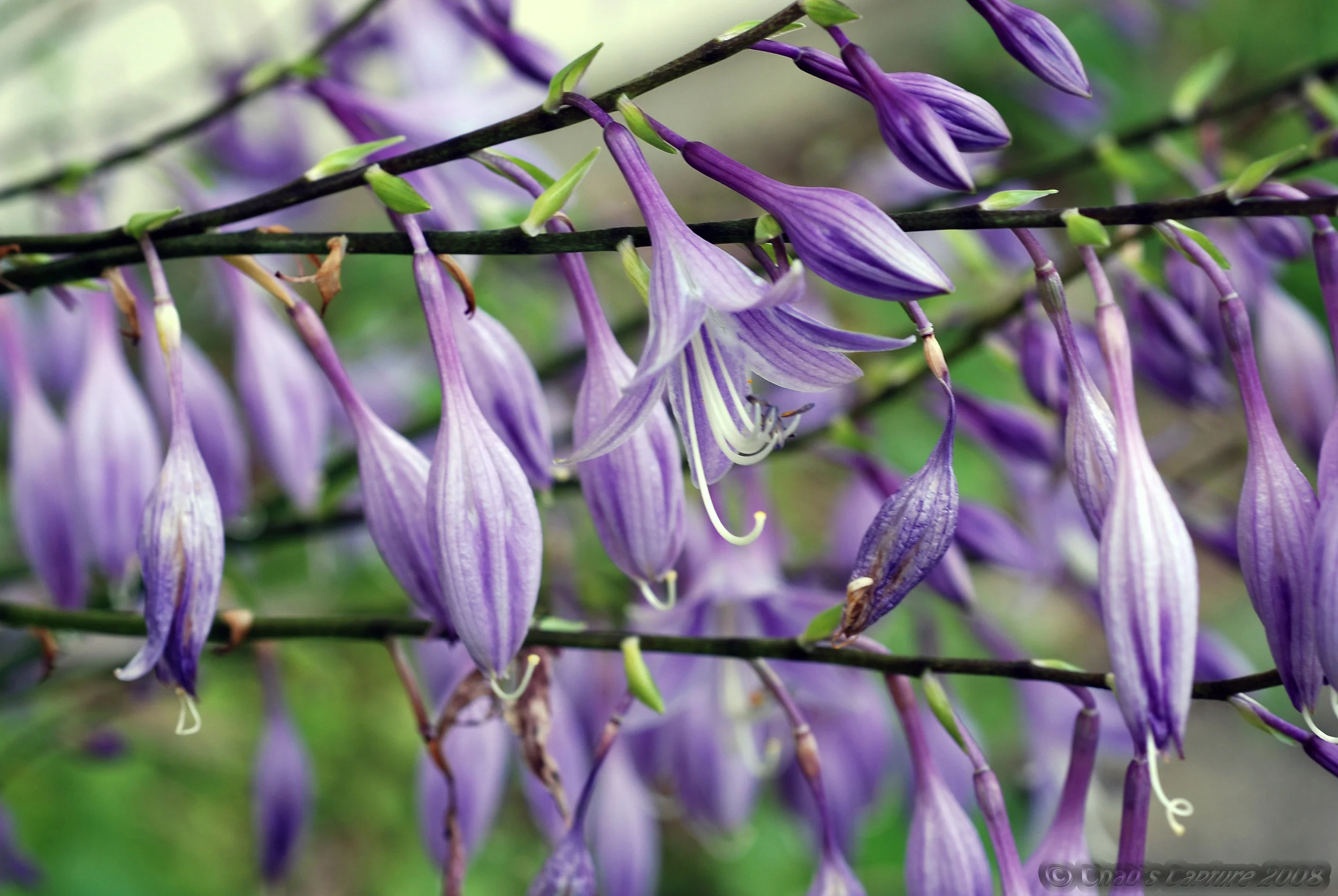
Photo by Chad Horwedel licensed under CC BY-NC-ND 2.0

Photo by Chad Horwedel licensed under CC BY-NC-ND 2.0

Hostas are so commonplace in our gardens that it is almost impossible to think of them as originating in the wild. Indeed, for as familiar as we are with this genus, it is actually quite difficult to find out anything about their ecology. As with any garden species, however, Hostas had to come from somewhere!

From phylogenetic analyses, we can infer that the genus Hosta originated in east-central China. The most basal member of the group, H. plantaginea, can still be found growing there today. From its Chinese origin, the genus migrated throughout Asia, into Korea and Russia, and even crossed ancient land bridges into what is now the Japanese archipelago. Once there, the genus went through quite an adaptive radiation. 

In the wild, as in our gardens, Hostas tend to grow in shaded forests with rich soils. However, some species are at home growing on steep slopes or even rock walls. Most take on a growth form we would readily recognize as a Hosta, however, the leaves of wild Hostas do not exhibit the rich variegation we have bred into them. Although many wild species have found themselves in cultivation, it is interesting to note that some of the first specimens brought back to Europe from Japan may not have been wild Hostas at all.

European explorers would often task Japanese locals to collect plants for them. What were once thought of as type specimens were actually taken from ancient temple gardens that had been in cultivation for hundreds of years. As such, plants that were once described as true species, such as Hosta fortunei, have now been reduced to cultivar status. 

Love them or hate them, Hostas are an important part of horticultural history. They have gained worldwide recognition and will continue to be planted in gardens all over the world. However, their horticultural prevalence has overshadowed their ecology. I find this to be a bit sad. It is all too easy to forget that nature has produced these organisms. We have simply tinkered with them. We must not forget that every garden species comes from somewhere. 

Photo Credits: [1]

Further Reading: [1] [2] [3]

A Recently Discovered Species From Brazil Plants Its Own Seeds

Photo Credit: Alex Popovkin [SOURCE]

Photo Credit: Alex Popovkin [SOURCE]

Life on the ground is tough in the rainforest. There is ample competition and extremely fast rates of decomposition. Anything that can give a plant an advantage, however slight, can mean the difference between death and survival. For a recently discovered plant, this means planting its own seeds.

Spigelia genuflexa was first described in 2011. It was found in northeastern Brazil in an area known as Bahia. It is a small plant, maxing out around 20 cm in height. In actuality, two growth forms have been recognized, a tall form, which produces flowers at heights of 10-20 cm, and a short form that produces flowers at heights of about 1 cm. It has been placed in the family Loganiaceae, making it a distant cousin of the North American Indian pink. It blooms during the rainy season, throwing up a couple of small white and pink flowers. At this point, no pollinators have been identified and morphological evidence would suggest it most often self fertilizes. Overall it is an adorable little plant.

The coolest aspect of this new species is how it manages seed dispersal. S. genuflexa exhibits an interesting form of reproduction called "geocarpy." In other words, this diminutive species plants its own seeds. After fertilization, the flowering stems start to bend towards the ground. In the tall form, the ripe fruits are deposited on the soil surface. The small form does something a bit different. It doesn't stop once it touches the ground. The stem continues to push the fruits down into the soil. This behavior was only discovered after the plant had been collected. Back in the lab, the researchers noticed the flowering stems ducking down under the moss they were growing in. By doing this, the parent plants are helping their precious seeds avoid predation and the myriad other threats to seed survival, thus giving them a head start on germination.

Photo Credit: Alex Popovkin [SOURCE]

Photo Credit: Alex Popovkin [SOURCE]

Photo Credit: Alex Popovkin

Further Reading: [1]


Cycads & Kin Selection

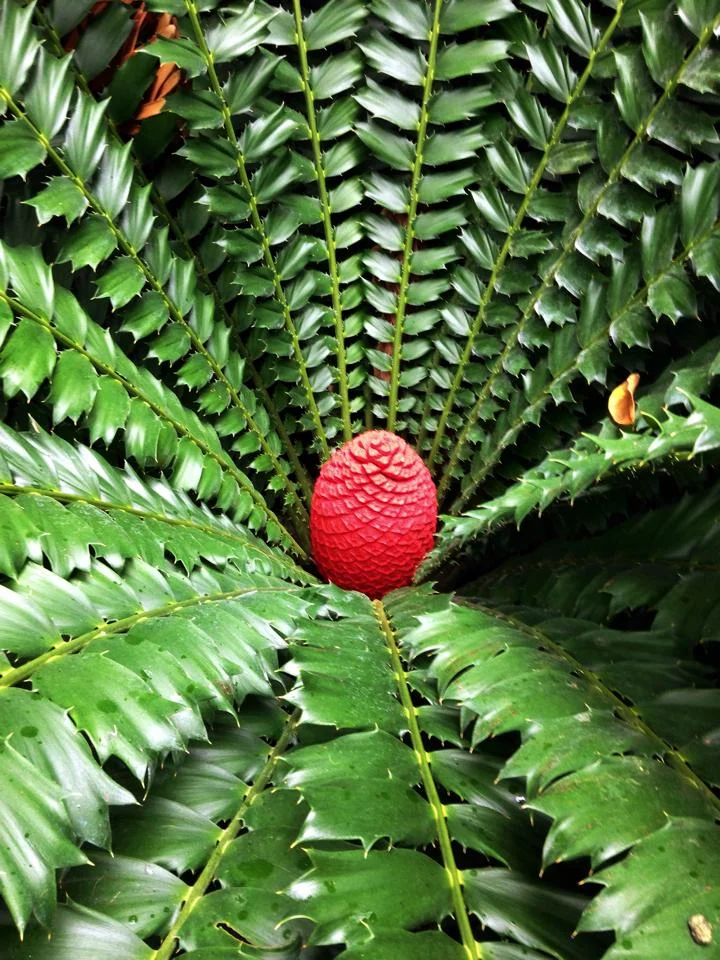
What is not to like about cycads? They are beautiful, they are ancient, and they have a bizarre reproductive biology. Well, we can now add kin recognition to that list. That's right, cycads can somehow discern when they are growing next to a relative and when they are growing next to a stranger. This discovery means that not only has kin selection been a feature of plants for a long time, it is probably more wide spread than we ever thought. 

Kin selection and cycads starts at the roots. Although it isn't easy to see, competition for root space is critical for most plant species. Roots are how plants obtain water and nutrients so maximizing root growth is of paramount importance for a plant. This often means taking up space before their neighbors can. That is, unless that neighbor is your sibling. Researchers set about testing this phenomenon in the lab. By using specialized growth chambers, they were able to compare how plants "behaved" when grown next to their siblings vs. unrelated individuals. What they found was quite astounding. 

Cycads growing next to their half siblings allocated significantly less energy to root growth than when they were growing next to unrelated plants. This had implications for their overall size as well. Plants growing next to siblings were significantly smaller at the end of the experiment. This may seem like a disadvantage until you consider it from the perspective of their genes. Siblings share 50% of their DNA. Since life is all about getting as many copies of your genes into out into the environment as possible, it stands to reason that competing with copies of yourself is often counter productive. That is not the case when fewer genes are shared. Plants growing next to unrelated individuals responded with increased root mass and thus increased growth. In other words, they were more competitive. 

Examples of kin selection abound in the animal kingdom. Currently, the same is not true for plants (click here for another example). What this research does is show us that we probably haven't been looking hard enough. If such cases of kin selection occur in cycads, then it stands to reason that this is an ancient phenomenon. 

Further Reading: [1] [2]

On Lynx Spiders and Pitcher Plants

On the coastal plains of southeastern North America, there exists a wide variety of pitcher plant species in the genus Sarracenia. These plants are the objects of desire for photographers, botanists, ecologists, gardeners, and unfortunately poachers. Far from simply being beautiful, these carnivores are marvels of evolution, each with their own unique ecology.

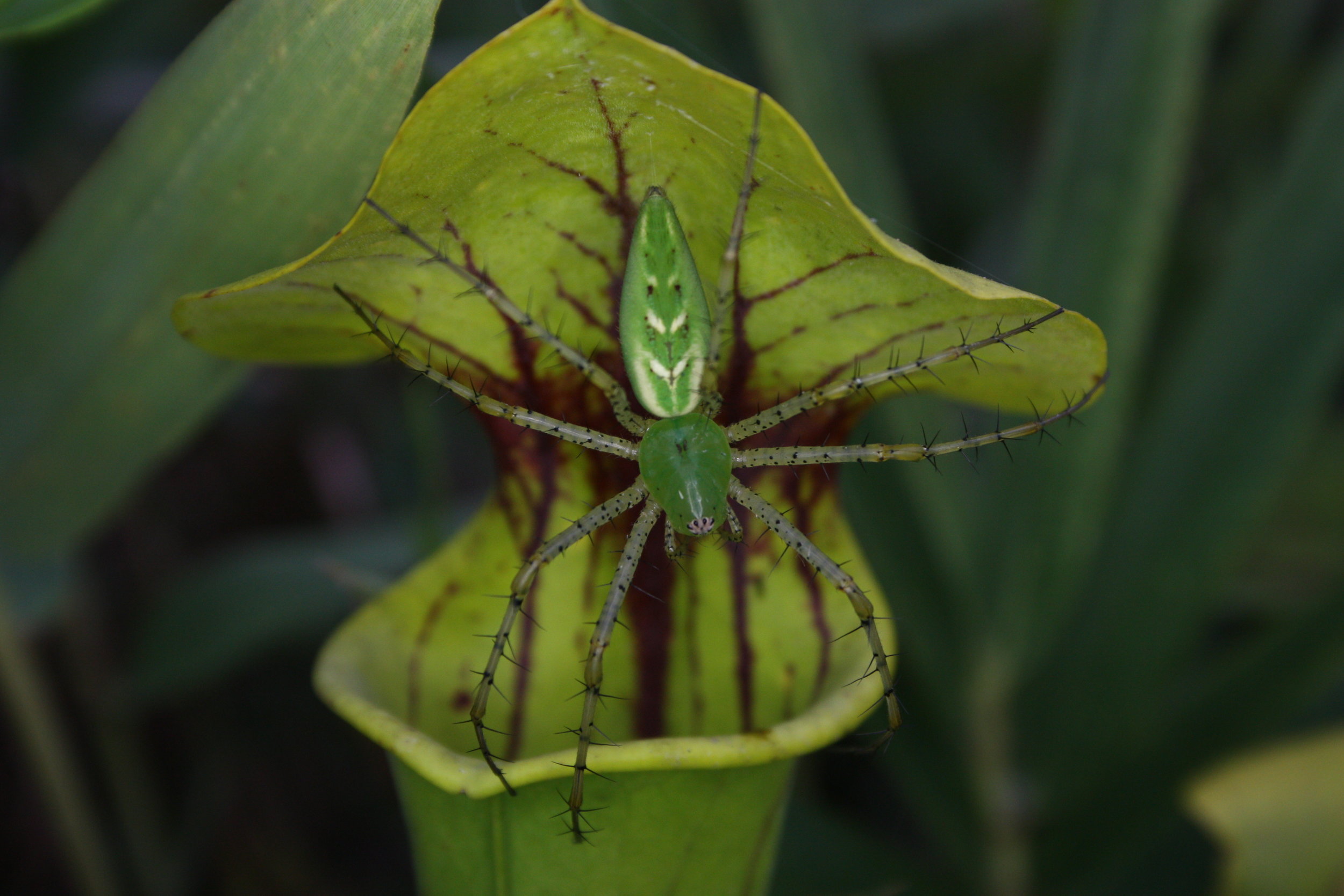
Pitcher plants are most famous for capturing and digesting insect prey but their interactions with arthropods aren't always in their favor. Browse the internet long enough and you will inevitably find photographs like this one above in which a green lynx spider (Peucetia viridans) can be seen haunting the traps of a pitcher plant. Instead of becoming prey, this is a spider that uses the pitchers to hunt.

I should start by saying this is not an obligate relationship. Lynx spiders can be found hunting on a variety of plant species. Instead, they are more accurately opportunistic robbers, stealing potential meals from the pitcher plants they hunt upon. However, what this relationship lacks in specificity, it makes up for in being really interesting. Sarracenia are not passive hunters. They do not sit and wait for insects to blindly stumble into their traps. Instead, they utilize bright colors and tasty nectar to lure insects to their demise. This is exactly what the lynx spider is using to its benefit. 

The green lynx spider does not spin a web like an orb weaver. It is an ambush predator. They have keen eyesight and will quickly pounce on any insect unfortunate enough to get too close. The reason the spider itself does not become yet another meal for the pitcher plant is because they utilize their silk as an anchor. By attaching one end to the outside of the pitcher, the can safely hunt on the trap without the risk of become prey themselves. In fact, spiders hunting on traps even go as far as to retreat down into the trap if threatened.

Photo Credit: Zachary Ambrose - nccarnivores

Further Reading:

http://bit.ly/2cyXlvS

http://bit.ly/2cyWTxT

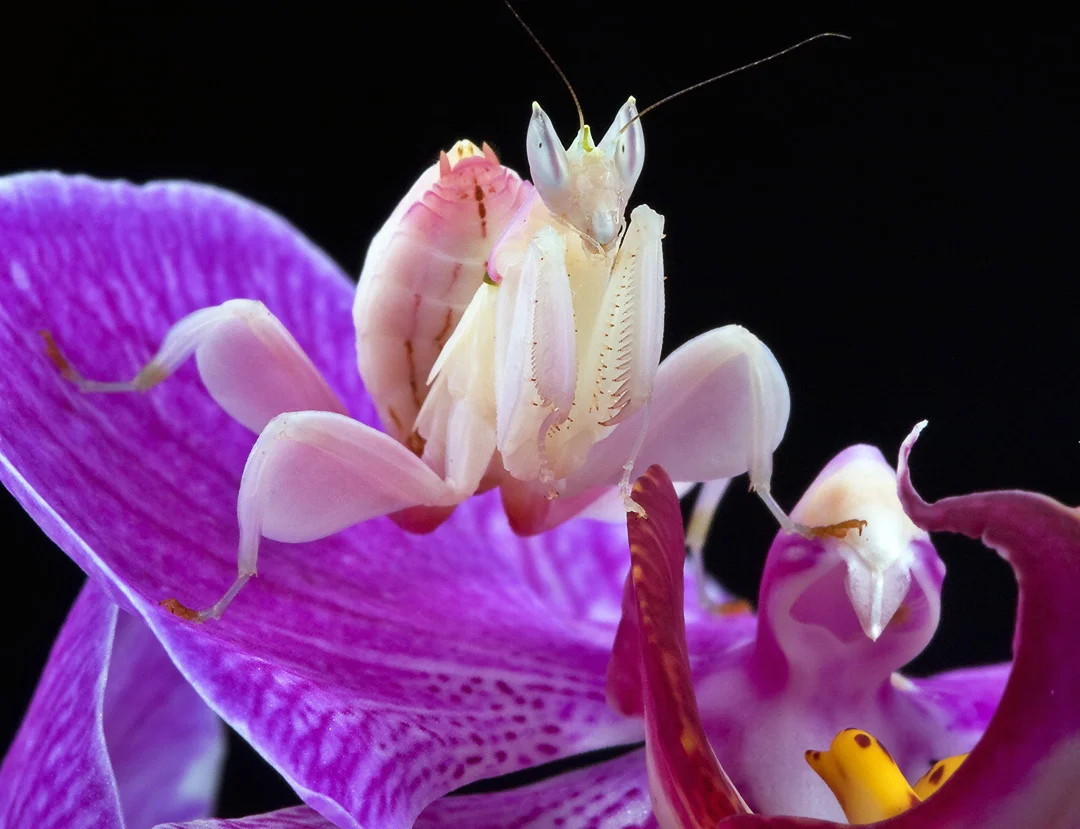
The Orchid Mantis Might Not be so Orchid After All

Here we see a juvenile orchid mantis perched atop a man-made orchid cultivar that would not be found in the wild. Photo by N. A. licensed under CC BY-NC-SA 2.0

Here we see a juvenile orchid mantis perched atop a man-made orchid cultivar that would not be found in the wild. Photo by N. A. licensed under CC BY-NC-SA 2.0

The orchid mantis is a very popular critter these days, and rightly so. Native to southeast Asia, they are beautiful examples of how intricately the forces of natural selection can operate on a genome. The reasoning behind such mimicry is pretty apparent, right? The mantis mimics an orchid flower and thus, has easy access to unsuspecting prey.

Not so fast...

Despite its popularity as an orchid mimic, there is no evidence that this species is mimicking a specific flower. Most of the pictures you see on the internet are actually showing orchid mantids sitting atop cultivated Phalaenopsis or Dendrobium orchids that simply do not occur in the wild. Observations from the field have shown that the orchid mantis is frequently found on the flowers of Straits meadowbeauty (Melastoma polyanthum). A study done in 2013 looked at whether or not the mantids disguise offers an attractive stimulus to potential prey. Indeed, there is some evidence for UV absorption as well as convincing bilateral symmetry that is very flower-like. They also exhibit the ability to change their color to some degree depending on the background.

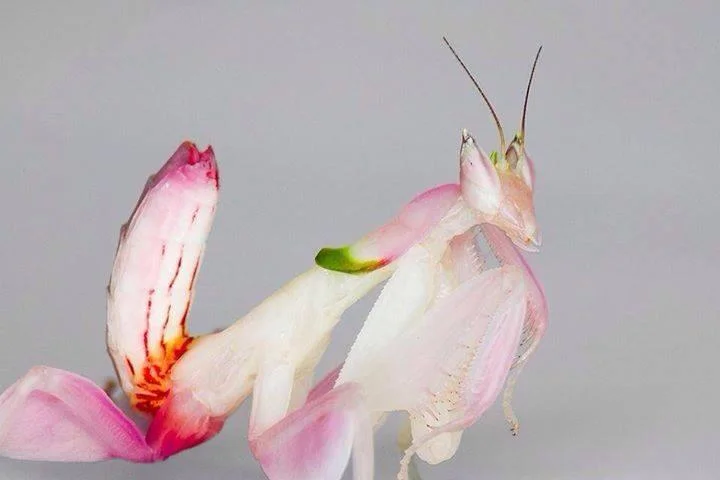
Orchid mantis nymphs are more brightly colored than adults. Photo by Frupus licensed under CC BY-NC 2.0

Orchid mantis nymphs are more brightly colored than adults. Photo by Frupus licensed under CC BY-NC 2.0

Despite our predilection for finding patterns (even when there are none) it is far more likely that this species has evolved to present a "generalized flower-like stimulus." In other words, they may simply succeed in tapping into pollinators' bias towards bright, colorful objects. We see similar strategies in non-rewarding flowering plants that simply offer a large enough stimulus that pollinators can't ignore them. The use of colored mantis models has provided some support for this idea. Manipulating the overall shape and color of these models had no effect on the number of pollinators attracted to them.

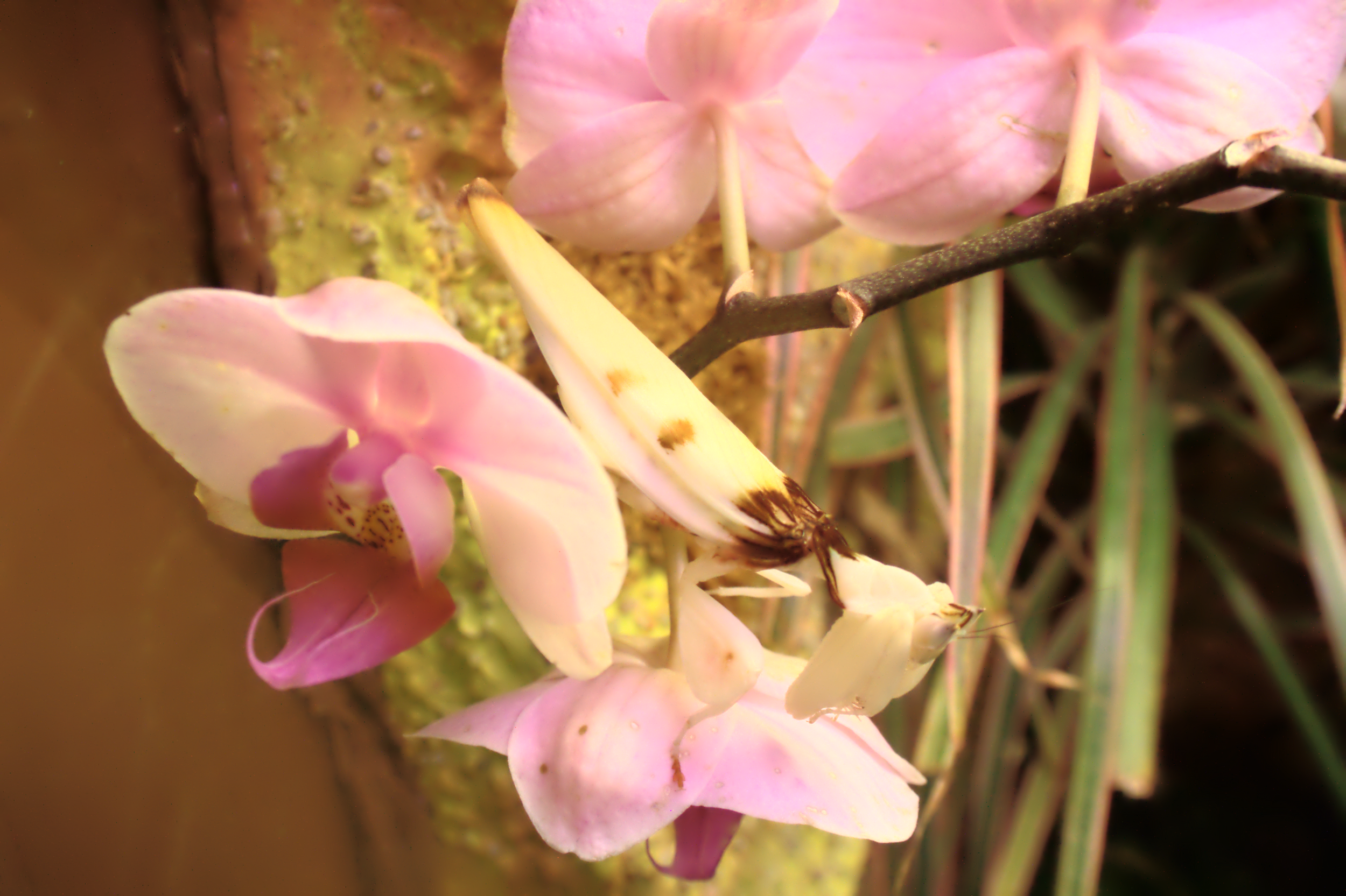
The most interesting aspect of all of this is that the most convincing (and most popular) mimicking the orchid mantis displays is during the juvenile phase. Indeed, most pictures circulating around the web of these insects are those of immature mantids. The adults tend to look rather drab, with long, brownish wing covers. However, they still maintain some aspects of the juvenile traits.

Adult orchid mantids take on a relatively drab appearance compared to their juvenile form. Photo by Philipp Psurek licensed under CC BY-SA 3.0 DE

Adult orchid mantids take on a relatively drab appearance compared to their juvenile form. Photo by Philipp Psurek licensed under CC BY-SA 3.0 DE


The fact of the matter is, we still don't know very much about this species. It is speculated that the mimicry is both for protection and for hunting. As O'Hanlon (2016) put it, "The orchid mantis' predatory strategy can be interpreted as a form of 'generalized food deception' rather than 'floral mimicry'." It just goes to show you how easily popular misconceptions can spread. Until more studies are performed, the orchid mantis will continue to remain a beautiful mystery.

Photo Credit: [1] [2] [3]

Further Reading: [1] [2] [3] [4]

Why We Shouldn't Rag on Ragweed

Photo by Andreas Rockstein licensed under CC BY-SA 2.0

Photo by Andreas Rockstein licensed under CC BY-SA 2.0

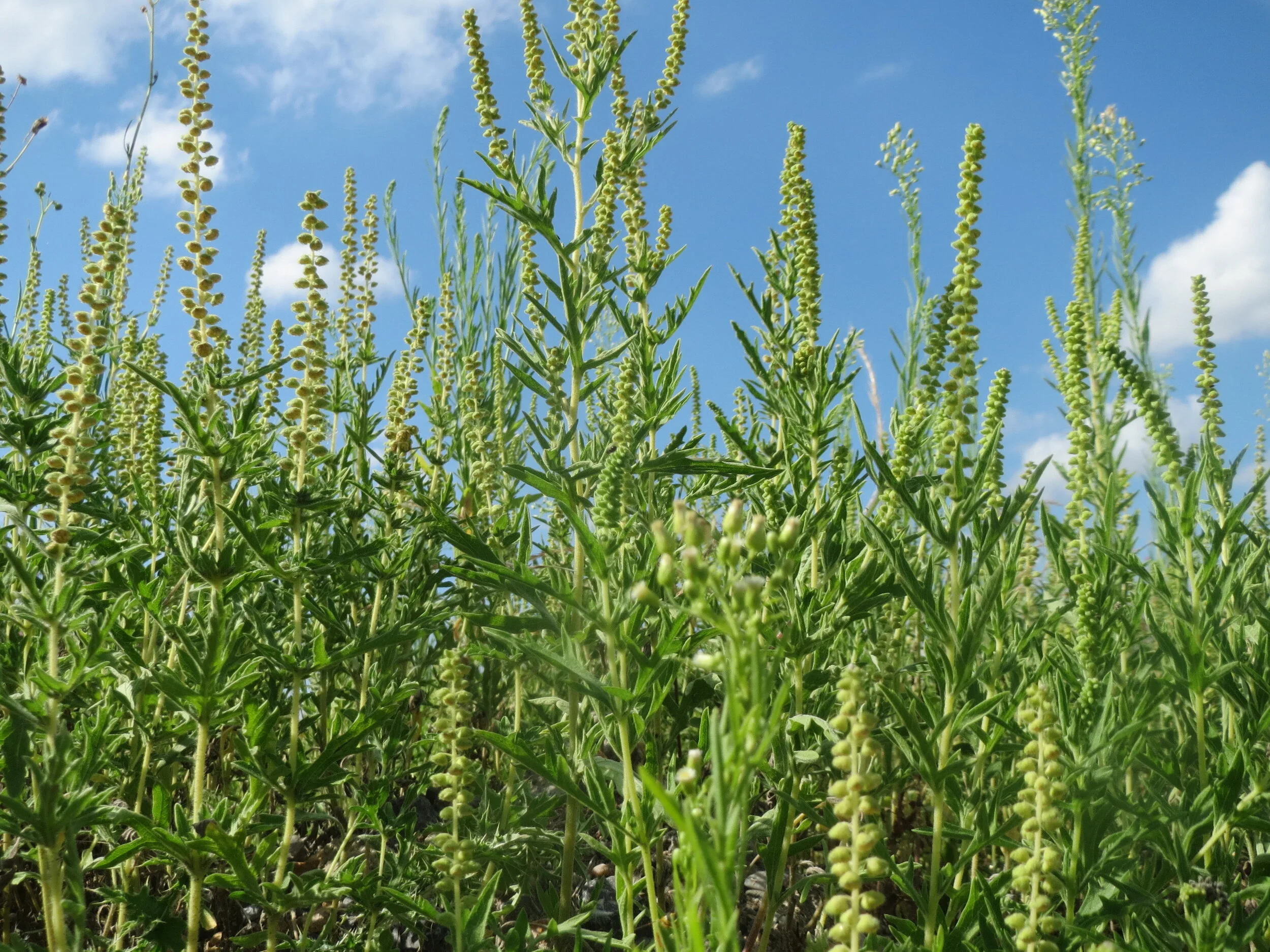
Common ragweed (Ambrosia artemisiifolia), the bane of hay fever sufferers. This could quite possibly be one of the most despised plants whether people realize it or not. It is ragweed, not goldenrod, that is responsible for causing hay fever. All this is thanks to the copious amounts of pollen it wafts into the breeze. With all that being said, I could not call this In Defense of Plants if I did not come to the defense of ragweed.

Despite all the suffering it causes, ragweeds are enormously important plants ecologically. We already know they produce a lot of pollen, but that pollen is doing more than just making you stuffy and fertilizing other ragweeds. It is also feeding bees. Because it flowers so late into the season, ragweed offers up a prodigious source of protein-rich pollen for bees gearing up for fall and winter. Even before they flower, ragweed is a valuable food source for the caterpillars of many butterflies and moths including species like the wavy-lined emerald and various bird dropping moths. It's not just insects either. The seeds of ragweed are rich in fatty oils. Birds and small mammals readily consume ragweed seeds to help fatten up for the lean months to come.

Ragweed also offers us some cultural significance too. Before European settlement, ragweed is believed to have had a much narrower distribution. Palynologists use pollen taken from lake and bog sediment cores to track ancient climates and plant communities. Because ragweed produces so much pollen, it is a useful species to look for when studying core sediments. As pollen falls out of the air and settles on lakes or bogs, it eventually sinks to the bottom where it can remain buried in a rather pristine state for millennia. Palynologists have actually been able to use ragweed pollen as a way of tracking the settlement history of North America. As colonies advanced further and further, they opened up huge chunks of land, inadvertently creating ample opportunities for ragweed to expand its range. As such, ragweed pollen taken from lake cores has proven to be a pretty precise clue for studying our own history.

For as much as we despise it, ragweed thrives on the kind of disturbance that we humans are so good at creating. We are the ones to blame for our own suffering when it comes to hay fever, not the plants.

Further Reading:

http://bit.ly/2c2HpOG

http://bit.ly/2c7hx6X

http://bit.ly/2c6mtsh

http://bit.ly/2bRPf2T

http://bit.ly/2c7hrwi

Floating Ferns

Photo by Jon Sullivan licensed under CC BY-NC 2.0

Photo by Jon Sullivan licensed under CC BY-NC 2.0

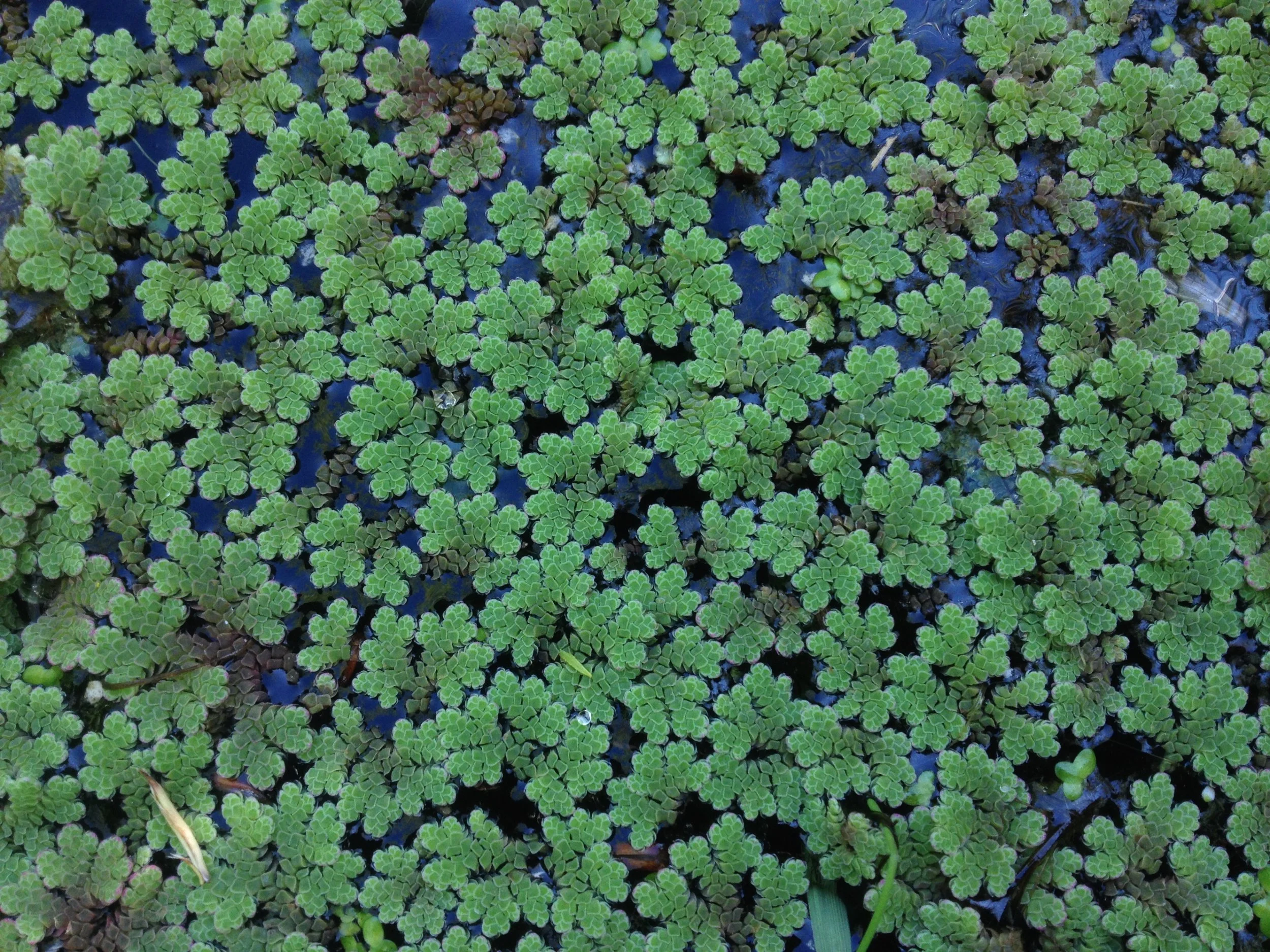
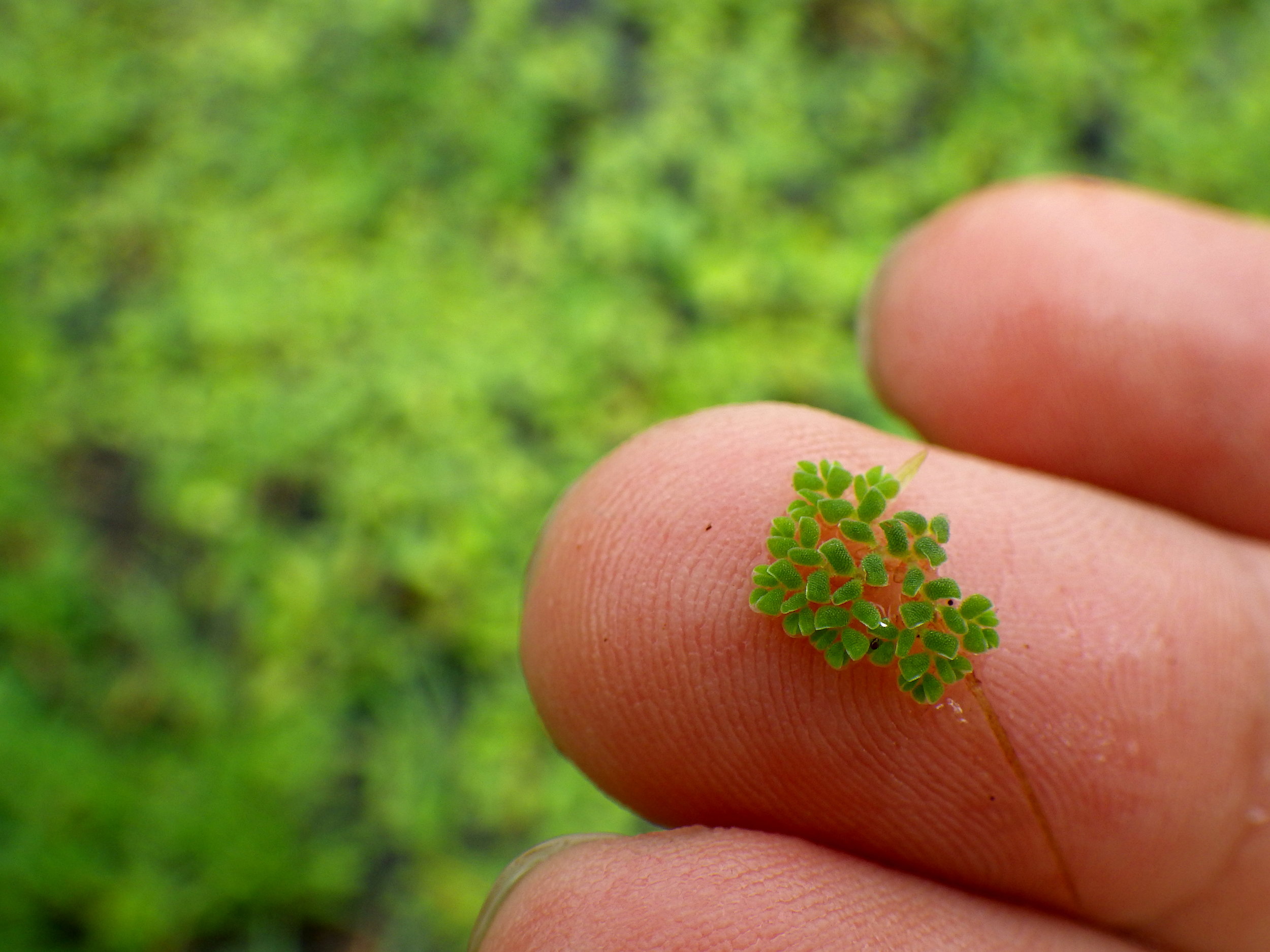
Not every tiny plant you see growing on the surface of ponds are duckweeds. Sometimes they are Azolla. Believe it or not, these are tiny, floating ferns! The genus Azolla is comprised of about 7 to 11 different species, all of which are aquatic. Despite being quite small they nonetheless exert a massive influence wherever they grow. 

Like all ferns, Azolla reproduce via spores. Unlike more familiar ferns, however, sexual reproduction in Azolla consists of two markedly different types of spores. When conditions are right, little structures called "sporocarps" are formed underneath the branches. These produce one of two types of sporangia. Male sporangia are small and are often referred to as microspores whereas female sporangia are, relatively speaking, quite large and are referred to as megaspores. The resulting gametophytes develop within and never truly leave their respective spores. Instead, male gameotphytes release motile sperm into the water column and female gametophytes peak out of the megaspore to intercept them. Thus, fertilization is achieved. 

Photo by Miguel Pérez licensed under CC BY-SA 2.0

Photo by Miguel Pérez licensed under CC BY-SA 2.0

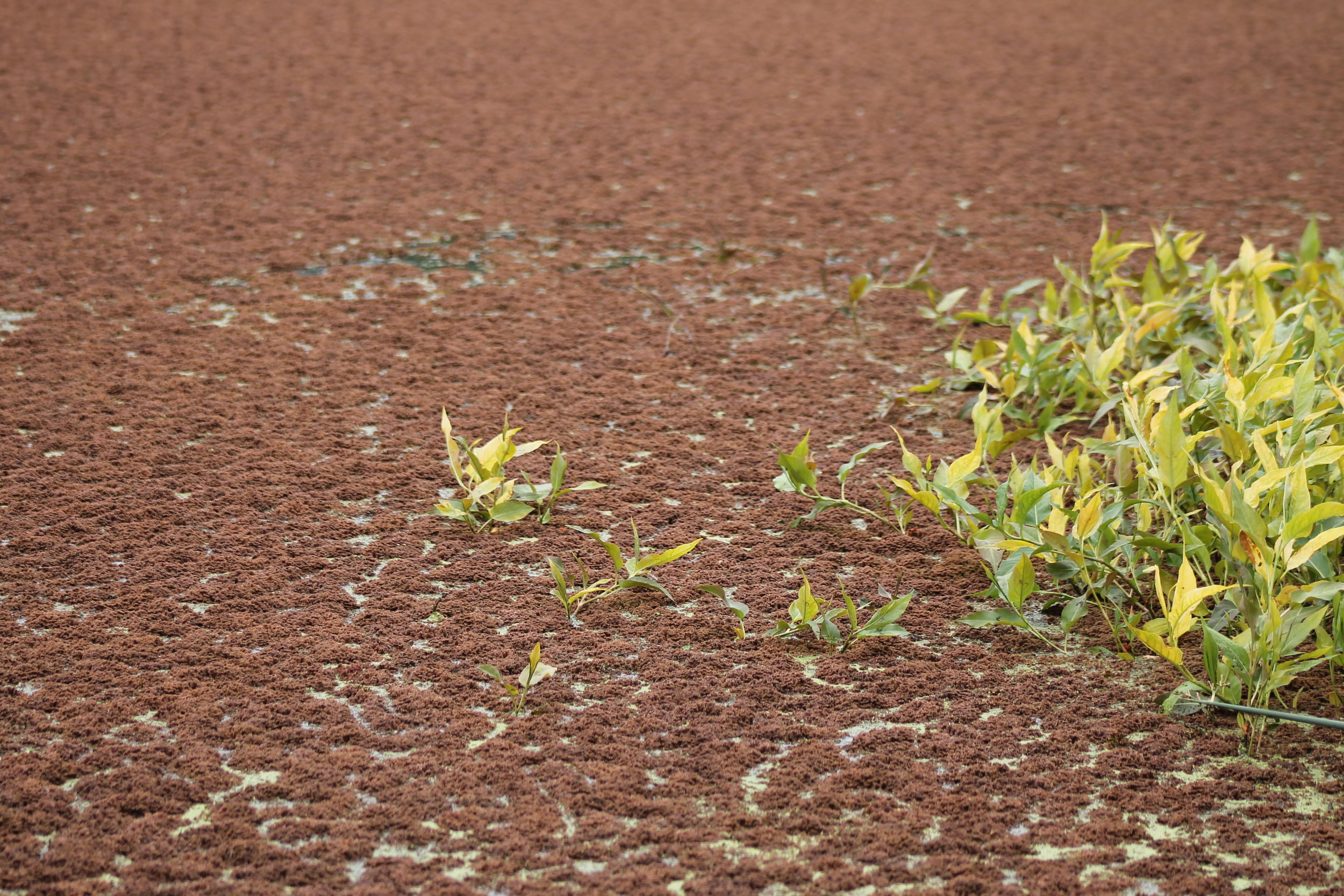
Azolla are fast growing plants. Via asexual reproduction, these little floating ferns can double their biomass every 3 to 10 days. That is a lot of plant matter in a short amount of time. As such, entire water bodies quickly become smothered by a fuzzy-looking carpet. Depending on the species and the environmental conditions, the color of this carpet can range from deep green to nearly burgundy. They are able to float because of their overlapping scale-like leaves, which trap air. Below each plant hangs a set of roots. The roots themselves form a symbiotic relationship with a type of cyanobacterium, which fixes atmospheric nitrogen. Couple with their astronomic growth rate, this means that colonies of Azolla quickly reach epic proportions.

In fact, they can grow so fast that Azolla may have played a serious role in a massive global cooling event that occurred some 50 million years ago. During that time, Earth was much warmer than it is now. Global temperatures were so warm that tropical species such as palms grew all the way into the Arctic. There is fossil evidence that massive blooms of Azolla may have occurred in the Arctic Ocean during this time, which was a lot less saline than it is now.

Everything red in this picture is Azolla. Photo by Jon. D. Anderson licensed under CC BY-NC-ND 2.0

Everything red in this picture is Azolla. Photo by Jon. D. Anderson licensed under CC BY-NC-ND 2.0

Though plenty of other factors undoubtedly played a role, it is believed that Azolla blooms would have been so large that they would have drawn down CO2 levels considerably over thousands of years. As these blooms died they sank to the sea floor, bringing with them all of the carbon they had locked up in their cells. In part, this may have led to a massive drop in atmospheric CO2 levels and led to a subsequent cooling period. Evidence for this is tantalizing, so much so that some researchers have taken to calling this "The Azolla Event." However, this is far from a smoking gun. Regardless, it is an important reminder than really big things often come in very small packages.

Photo Credits: [1] [2] [3]

Further Reading: [1] [2]


On the Wood Rose and its Bats

New Zealand has some weird nature. It is amazing to see what an island free of any major terrestrial predators can produce. Unfortunately, ever since humans found their way to this unique island, the ecology has suffered. One of the most unique plant and animal interactions in the world can be found on this archipelago but for how much longer is the question.

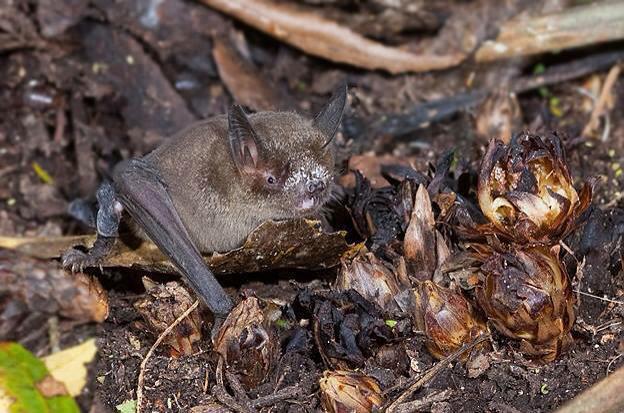
The story starts with a species of bat. In fact, this bat is New Zealand's only native terrestrial mammal. That's right, I said terrestrial. The New Zealand lesser short-tailed bat spends roughly 40% of its time foraging for insects on the ground. It has lots of specialized adaptations that I won't go into here but the cool part is they forage in packs, stirring up insects from the leaf litter until they reach a level of feeding frenzy that I thought was only reserved for sharks or piranhas. Along with using echo location, they also have a highly developed sense of smell. This is important for our second player in this forest floor drama.

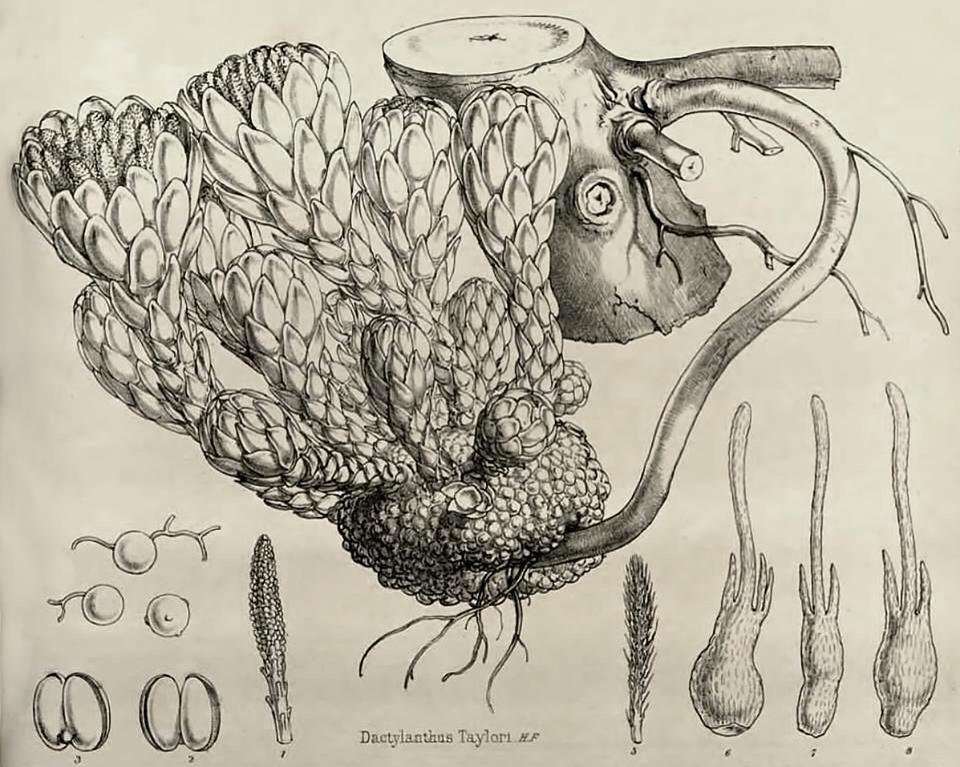
Enter Dactylanthus taylorii, the wood rose. This plant is not a rose at all but rather a member of the tropical family Balanophoraceae. More importantly, it is parasitic. It produces no chlorophyll and lives most of its life wrapped around the roots of its host tree underground. Every once in a while a small patch of flowers break through the dirt and just barely peak above the leaf litter. This give this species it's Māori name of "pua o te reinga" or "pua reinga", which translates to "flower of the underworld." The flowers emit a musky, sweet smell that attracts these ground foraging bats. The bats are one of the only pollinators left on the island. They sniff out the flowers and dine on the nectar, all the while being dusted with pollen. Recently, it has been found that New Zealand's giant ground parrot, the kakapo, is also believed to have been a pollinator of this plant. Sadly, today the kakapo exists solely on one small island of the New Zealand archipelago.

Both the wood rose and the New Zealand lesser short-tailed bat are considered at risk for extinction. When modern man came to these islands they brought with them the general suite of mammalian invasives like rats, mongoose, cats, and pigs, which are exacting a major toll on the local ecology. The plants and animals native to New Zealand have not shared an evolutionary history with such aggressive mammalian invaders and thus have no adaptations for coping with their sudden presence. The future of the wood rose, the New Zealand lesser short-tailed bat, and the kakapo, along with many other uniquely New Zealand species are for now uncertain.

Photo Credits: Joseph Dalton Hooker (1859) and Nga Manu Nature Reserve (http://www.ngamanu.co.nz/)

Further Reading:

http://bit.ly/2bBw8FT

http://bit.ly/2bKRY90

http://bit.ly/2bKpxfE

The Devil's Walking Stick

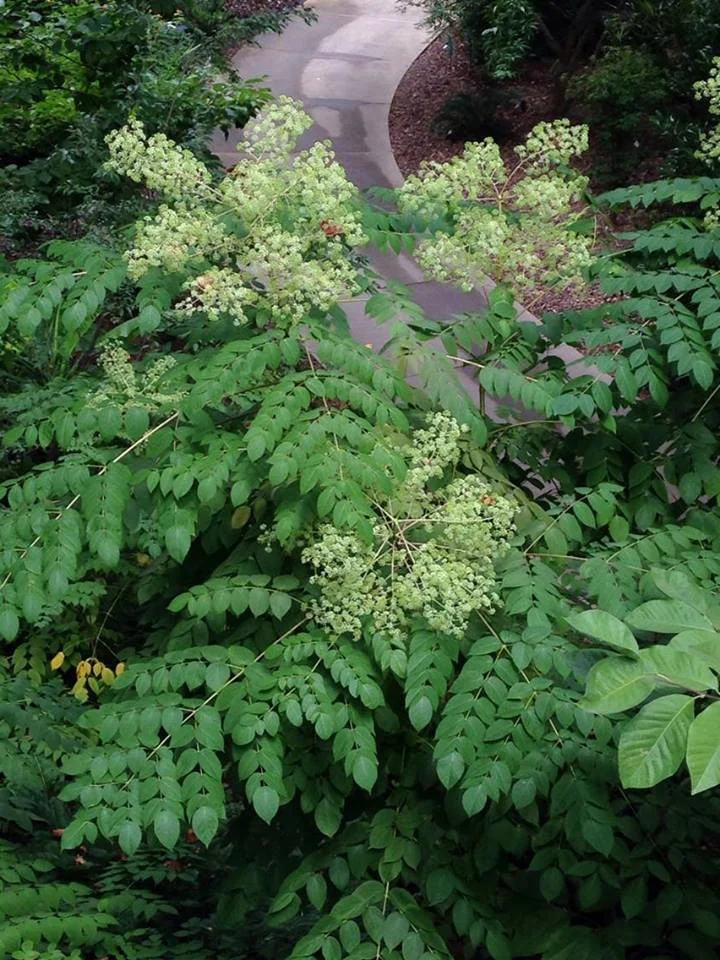
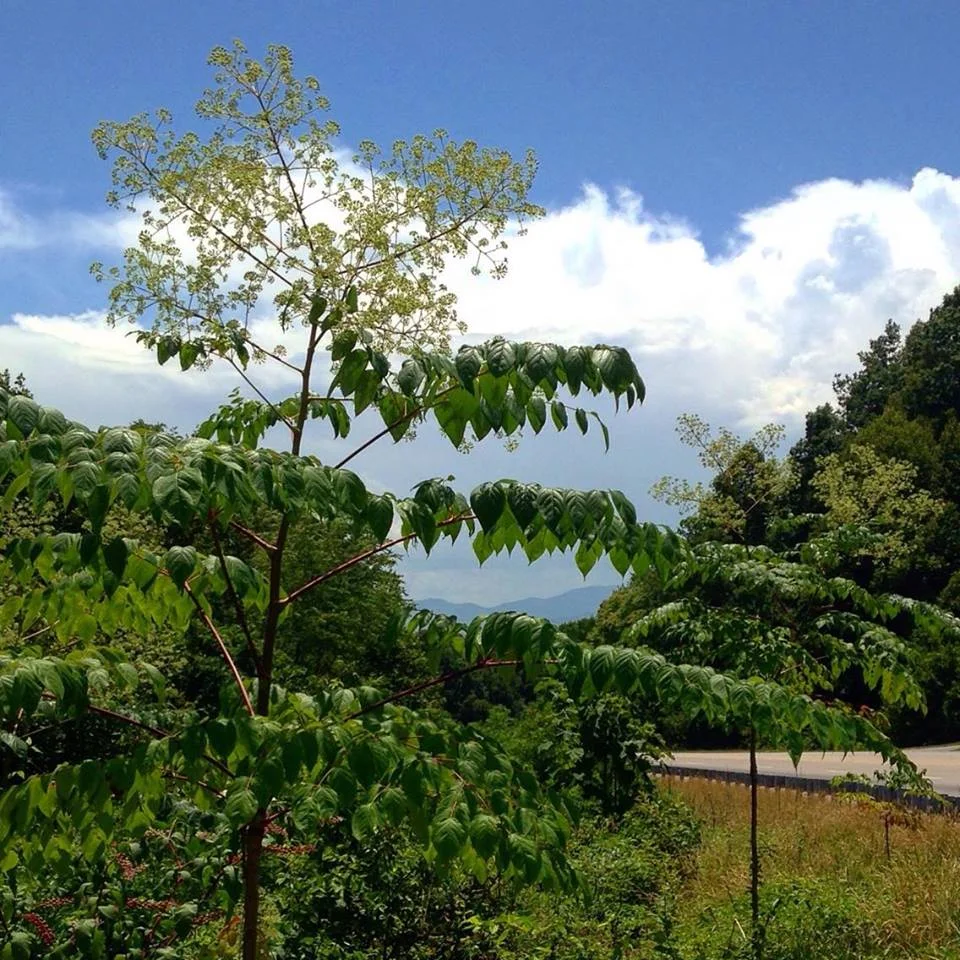
The name "Devil's walking stick" just sounds cool. You can imagine my excitement then when I first laid eyes on the species it refers to. Aralia spinosa is no ordinary tree. It is a hardy species ready to take advantage of disturbance. Armed with spikes and a canopy that looks like it belongs in some far off tropical jungle, the Devil's walking stick is a tree species worth knowing. 

I used to think that spikenard (Aralia racemosa) was the most robust member of the aralia family found in North America. Not so. The Devil's walking stick is a medium sized tree capable of reaching heights of over 30 feet (10 m). Most interesting of all, its triply compound leaves are the largest leaves of any temperate tree in the continental United States.

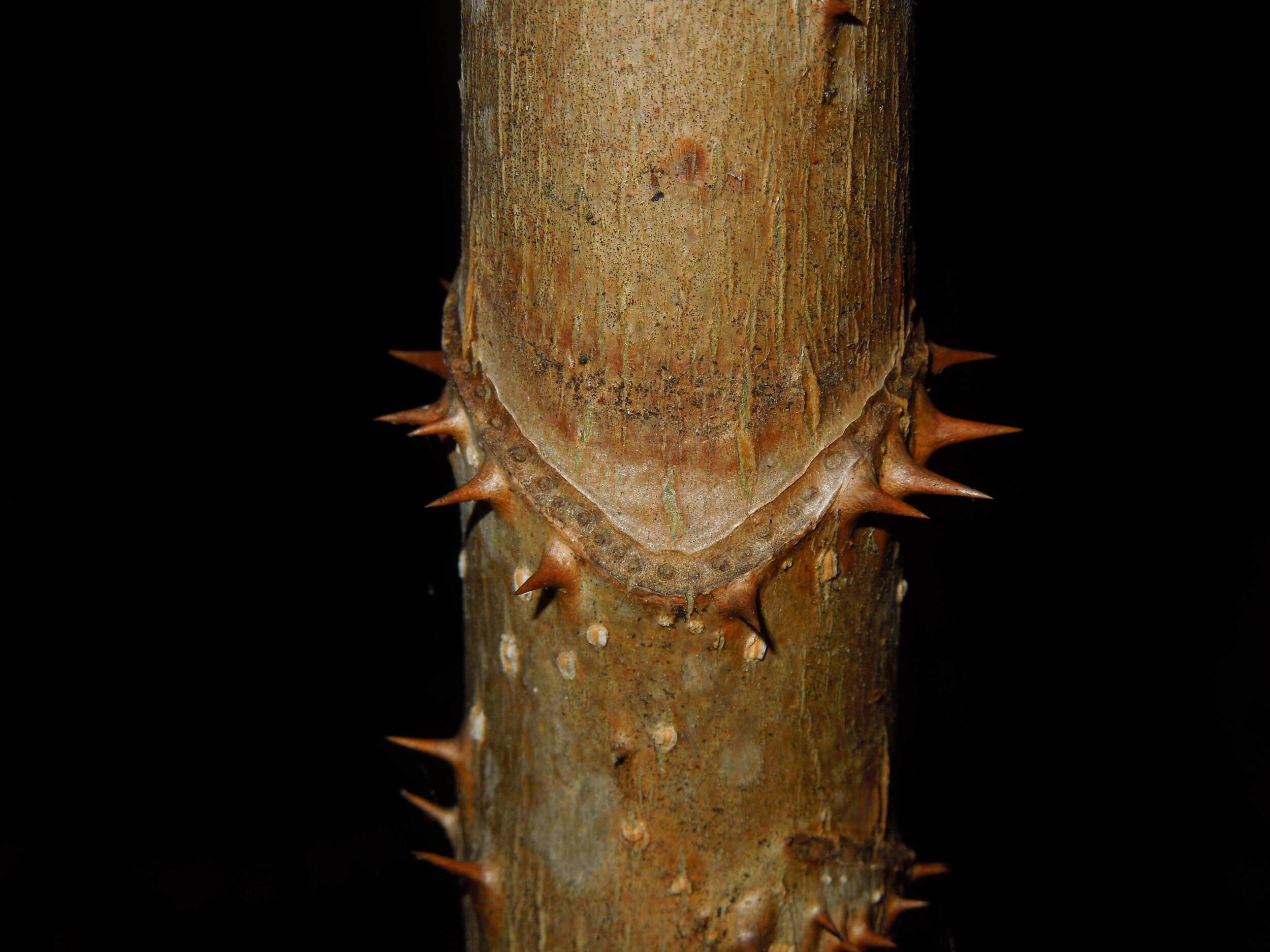
The Devil's walking stick can be found growing in disturbed areas and along forest edges throughout a large swath of eastern North America. When young it is a rather spiny lot. These are not true spines, which are modified parts of leaves, but rather prickles, which arise from extensions of the cortex or epidermis. 

As it grows, however, it loses a lot of its prickliness. Such armaments are costly to produce after all. It is believed that younger plants develop these structures while they are still at convenient nibbling height, only to lose them once they grow big enough to avoid hungry herbivores. Research has shown that most herbivorous mammals alive today do not bother much with the Devil's walking stick, which has led some to suggest that these defenses evolved back when this side of the continent was brimming with much larger herbivores such as elk and bison. 

DSCN2116.JPG

As if the giant compound leaves of this tree were not stunning enough, the surprisingly large inflorescence is sure to blow you away. Typical of the family, it consists of hundreds of tiny green flowers. Despite their size, they are a boon for pollinators. A tree in full bloom comes alive with bees and butterflies alike. Flowers soon give way to clusters of berries, which are a favorite food among birds. All in all this is one cool tree.

Further Reading: [1] [2]

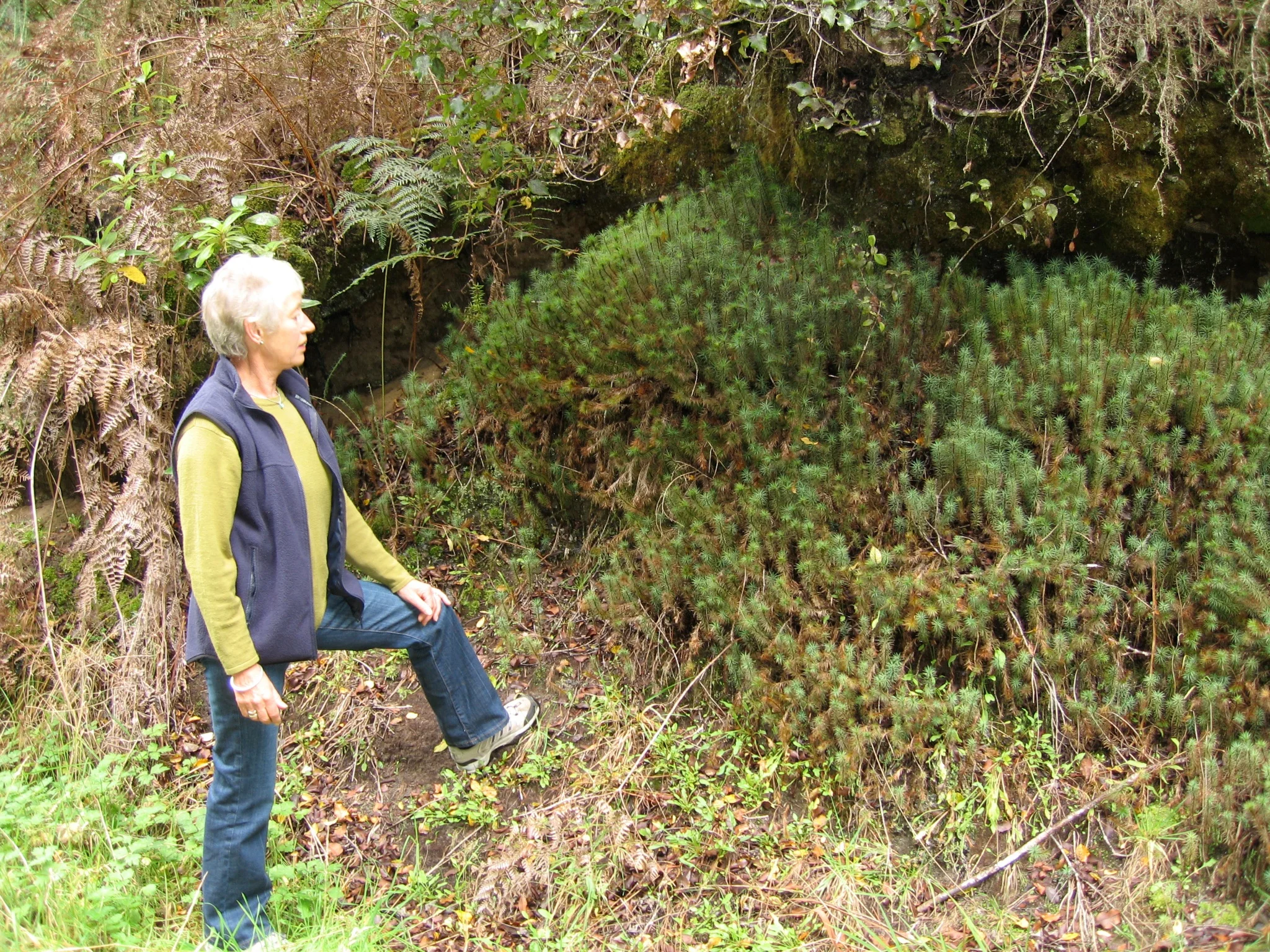
The Tallest Moss

Photo by Doug Beckers licensed under CC BY-SA 2.0

Photo by Doug Beckers licensed under CC BY-SA 2.0

For all the attributes we apply to the world of bryophytes, height is usually not one of them. That is, unless you are talking about the genus Dawsonia. Within this taxonomic grouping exists the tallest mosses in the world. Topping out around 60 cm (24 inches),  Dawsonia superba enjoys heights normally reserved for vascular plants. Although this may not seem like much to those who are more familiar with robust forbs and towering trees, height is not a trait that comes easy to mosses. To find out why, we must take a look at the interior workings of bryophytes. 

Mosses as a whole are considered non-vasular. In other words, they do not have the internal plumbing that can carry water to various tissues. Coupled with the lack of a cuticle, this means that mosses can be sensitive to water loss. For many mosses, this anatomical feature relegates them to humid environments and/or a small stature. This is not the situation for the genus Dawsonia. Thanks to a curious case of convergent evolution, this genus breaks the physiological glass ceiling and reaches for the sky. 

Photo by Salsero35 licensed under CC BY-SA 4.0

Unlike other mosses, Dawsonia have a conduction system analogous to xylem and phloem. Being convergent, however, it isn't the same thing. Instead, the xylem-like tissue of these mosses is called the "hydrome" and is made up of cells called "hydroids." The phloem-like tissue is called the "leptome" and is made up of cells called "leptoids." These structures differ from xylem and phloem in that they are not lignified. Mosses never evolved the ability to produce this organic polymer. Regardless of their chemical makeup, Dawsonia vascular tissue allows water to move greater distances within the plant.

Another major adaption found in Dawsonia has to do with the structure of the leaves. Whereas the leaves of most mosses are only a few cells thick, the leaves of Dawsonia produce special cells on their surface called "lamella." These cells are analogous to the mesophyll cells in the leaves of vascular plants. They not only function to increase surface area and CO2 uptake, they also serve to maintain a humid layer of air within the leaf, further reducing water loss. 

All of this equates to a genus of moss that has reached considerable proportions. Sure, they are easily over-topped by most vascular plant species but that is missing the point. Through convergent evolution, mosses in the genus Dawsonia have independently evolved an anatomical strategy that has allowed them to do what no other extant groups of moss have done - grow tall.

Photo by Jon Sullivan licensed under CC BY-NC 2.0

Photo by Jon Sullivan licensed under CC BY-NC 2.0

Photo Credits: Wikimedia Commons, Doug Beckers, and Jon Sullivan

Further Reading: [1]

Albino Redwoods

Photo by Cole Shatto licensed under CC BY-SA 3.0

Photo by Cole Shatto licensed under CC BY-SA 3.0

Photo by George Bruder licensed under CC BY-SA 4.0

Photo by George Bruder licensed under CC BY-SA 4.0

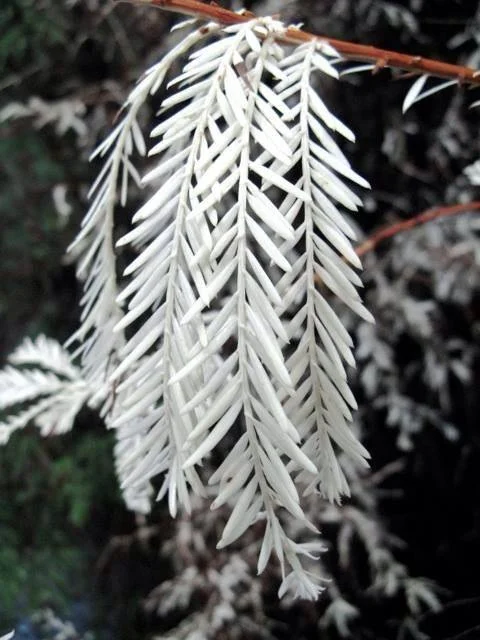
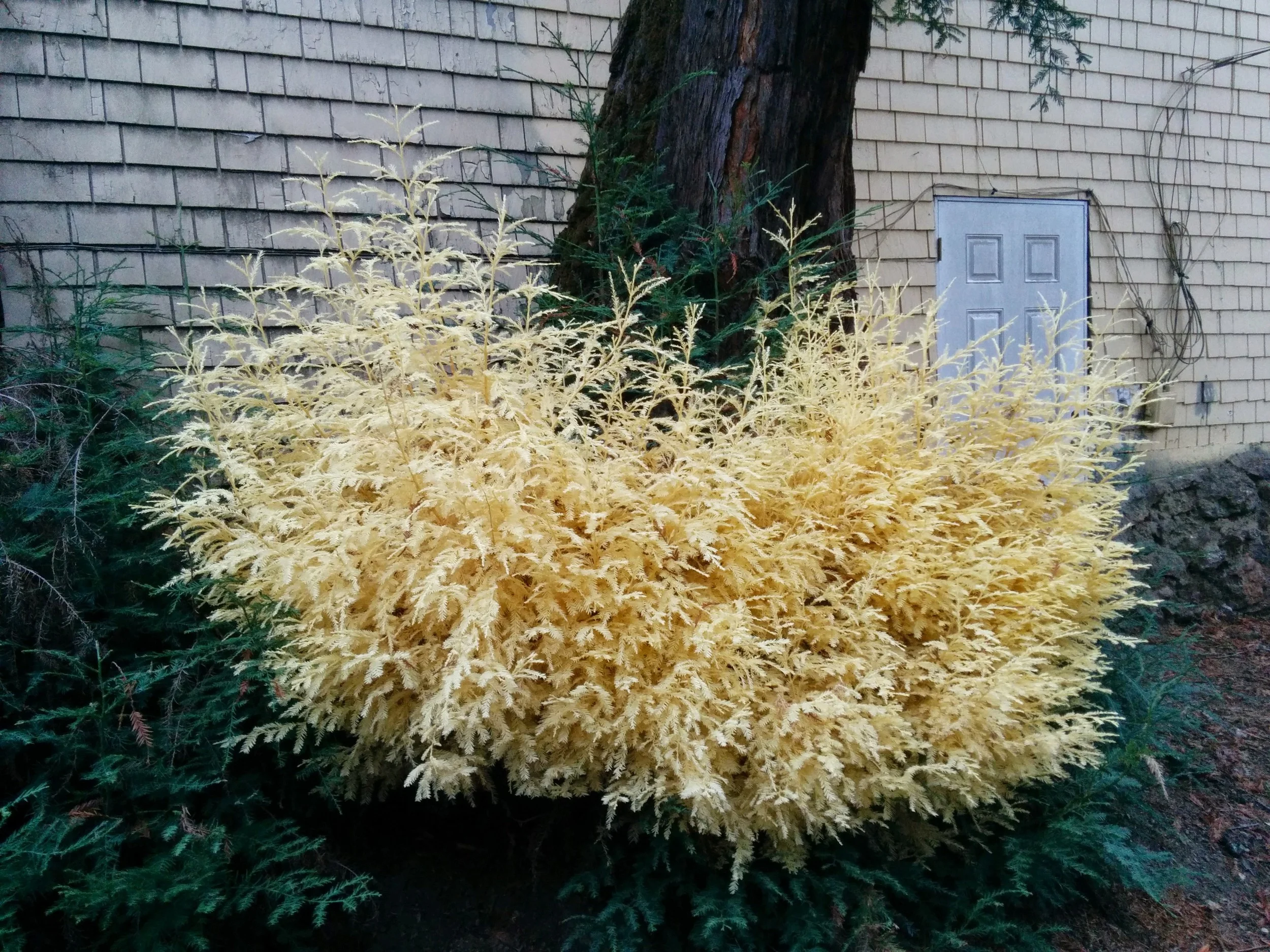
If you are a very lucky person hiking in the redwood forests of California you may just be able to see a ghost. Not a "real" ghost of course, but pretty darn close. Scattered about these ancient forests are rare and peculiar albino redwood trees! Seeing one is seeing something very special indeed.

Redwoods (Sequoia sempervirens) are some of the largest and oldest organisms on the planet. They are famous worldwide for their grandeur. Aside from their obvious charismatic physical traits, redwoods are quite interesting genetically. These giant gymnosperms are genetically hexaploid, meaning they have 6 copies of their genetic code. What this means for redwoods is the ability to experiment with a wider array of mutations than a diploid organism like you and I. A mutation in one set of chromosomes still leaves 5 other copies to maintain normal genetic function. Whereas this can translate into massive benefits in defenses against pathogens, it also means there is a lot of room for error as well. 

The albino redwoods are an example of a seemingly dead end mutation. For a plant that relies of photosynthesis to survive, the loss of photosynthetic pigments should spell disaster. The question is why do albino redwoods exist at all? Well, the albinos become parasites on their photosynthetic parents. You see, albino redwoods are mutant offshoots of healthy trees. Something in a bud goes awry and the resultant shoot fails to develop chlorophyll. Sometimes chimeras arise which produce leaves that are half photosynthetic and half albino. Still, how do these mutations persist?

Researchers have found that the leaves of albino redwoods have twice the amount of stomata than do normal redwood leaves. This makes them quite susceptible to drought. During dry years, the trees quickly dehydrate and their host trees withdraw all support. The albinos will often die off but then re-sprout when conditions improve. This disappearing and reappearing act further lends to their mythos. However, this does not capture the full picture. The fact that photosynthetic redwoods tolerate the albinos on any level is quite curious. Even photosynthetic branches that don't produce enough energy are shed. What else could be going on?

Recent research might have found the answer. The albinos most frequently occur along the edge of the redwoods range where conditions just aren't that conducive. What's more, the soils around these albinos are often high in toxic metals such as nickle, cadmium, and copper. When researchers took a closer look at the chemical composition of the albinos, they found that they accumulate these toxic heavy metals at much higher rates.

In a healthy tree, these metals interfere with the photosynthetic machinery, making them quite toxic indeed. Because the albino redwoods are incapable of photosynthesis, this is not an issue. This has led to an interesting hypothesis. It could very well be that the photosynthetic redwoods tolerate their albino offshoots because the albinos accumulate the toxic heavy metals in their tissues and thus keep them away from healthy, photosynthetic tissues. This ideas is still in the hypothesis stage but work is being done to see if it plays out in the wild. 

There doesn't seem to be a solid consensus on how many albinos exist in the wild. I have seen numbers as low as 25 and as high as 400. Either way, they are a rare element of the coastal redwood community. With thousands of acres still to be explored, it is likely that more will turn up. While some exist in protected parks, many are under threat with increasing fragmentation of these ancient forests. Very little of the coastal redwood forests are under protection and we may be losing more than we will ever know. 

Photo Credit: Cole Shatto and George Bruder

Further Reading: [1] [2] [3]