In the Wake of Volcanoes

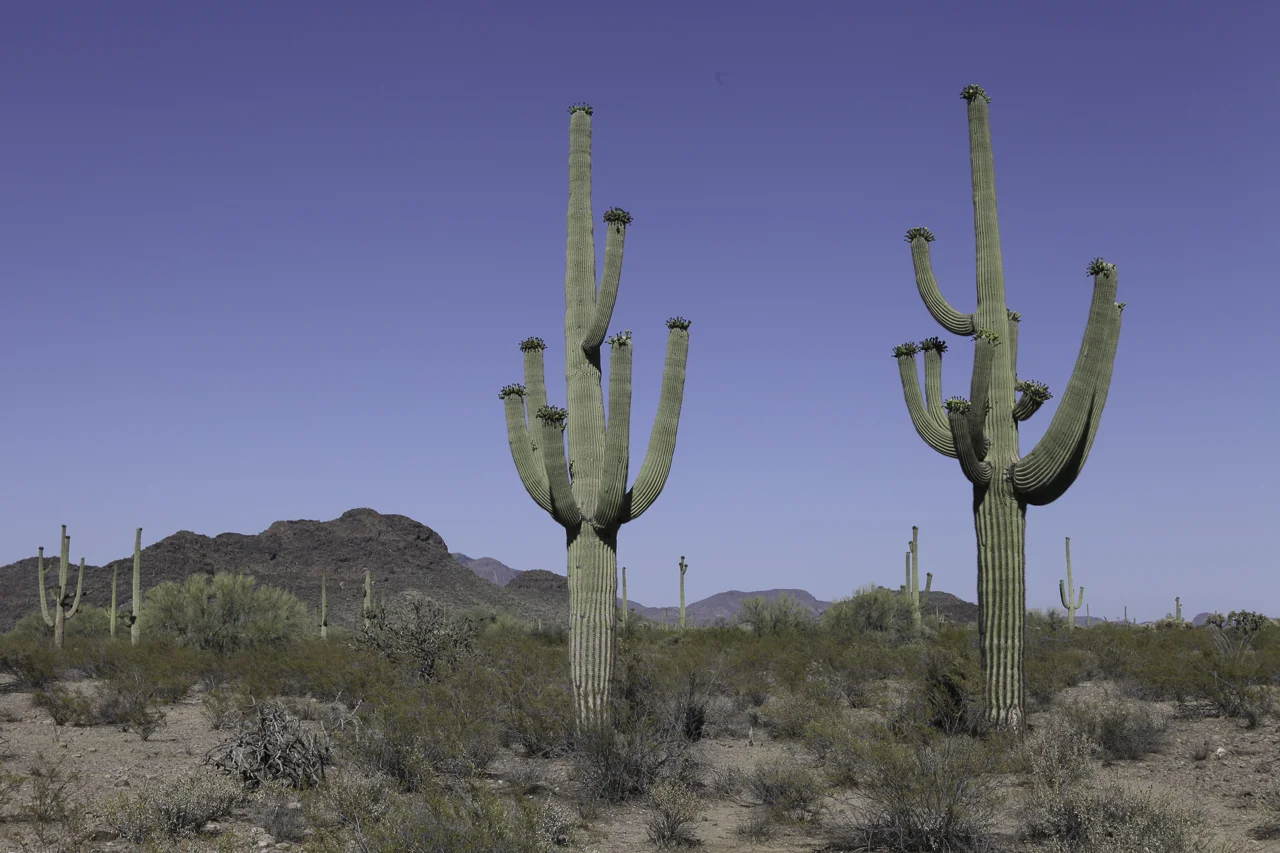
Photo by Geir K. Edland licensed under CC BY-NC-ND 2.0

Photo by Geir K. Edland licensed under CC BY-NC-ND 2.0

Recruitment windows are any period of time in which seeds germinate and grow into young plants successfully. Needless to say, they are a crucial component of of any plants' life cycle. For some species, these windows are huge, allowing them ample opportunity for successful reproduction. For others, however, these windows are small and specific. Take for instance the saguaro cactus (Carnegiea gigantea) of the American southwest. These arborescent cacti are famous the world over for their impressive stature. They are true survivors, magnificently adapted to their harsh, dry environment. This does not mean life is a cakewalk though. Survival, especially for seedlings, is measured by the slimmest of margins, with most saguaro dying in their first year. 

Hot, dry days and freezing cold nights are not particularly favorable conditions for young cacti. As such, any favorable change in weather can lead to much higher rates of successful recruitment for a given year. Because of this, saguaro often grow up as cohorts that all took advantage of the same favorable conditions that tipped the odds in their favor. This creates an age pattern that researchers can then use to better understand the population dynamics of these cacti. 

Recently, a researcher from York University noticed a particular pattern in the cacti she was studying. A large amount of the older cacti all dated back to the year 1884. What was so special about 1884, you ask? Certainly the climate must have been favorable. However, the real interesting part of this story is what happen the year before. 1883 saw the eruption of Krakatoa, a volcanic island located between Java and Sumatra. The eruption was massive, spewing tons of volcanic ash into the air. Effectively destroying the island, the eruption was so large that it was heard 1,930 miles away in western Australia. 

The effects of the Krakatoa eruption were felt worldwide. Ash and other gases spewed into the atmosphere caused a chilling of the northern hemisphere. Records of that time show an overall cooling effect of more than 2 degrees Fahrenheit. In the American Southwest, this led to record rainfall from July 1883 to June 1884. The combination of higher than average rainfall and lower than average temperatures made for a banner year for saguaro cacti. Seedlings were able to get past that first year bottleneck. After that first year, saguaro are much more likely to survive the hardships of their habitat. 

The Krakatoa eruption wasn't the only one with its own saguaro cohort. Further investigations have revealed similar patterns following the eruptions of Soufriere, Mt. Pelée, and Santa Maria in 1902, Ksudach in 1907, and Katmai in 1912. What this means is that conservation of species like the saguaro must take into account factors far beyond their immediate environment. Such patterns are likely not unique to saguaro either. The Earth functions as a biosphere and the lines we use to define the world around us can become quite blurry. If anything, this research underlines the importance of a system-based view. Nothing operates in a vacuum. 

Photo Credit: Geir K. Edland
Further Reading: [1] [2]

Brother of Hibiscus

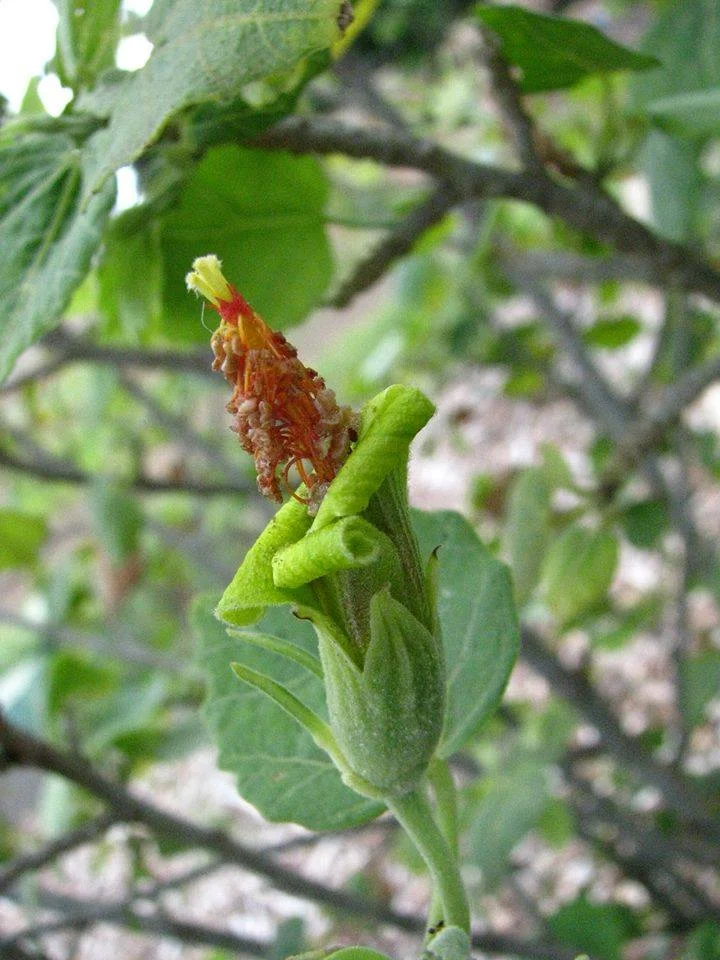
Photo by David Eickhoff licensed under CC BY 2.0

Photo by David Eickhoff licensed under CC BY 2.0

Islands are known for their interesting flora and fauna. Until humans came on the scene, colonization events by different species on different islands were probably rare events, with long stretches of time in between. Because of this, islands are interesting experiments in evolution, often having endemic species found nowhere else in the world. Hawai'i was once home to many different kinds of endemic species. One such group are the Hibiscadelphus.

As you may have gathered by the name, Hibiscadelphus is a relative of hibiscus. The Latin name means "brother of Hibiscus." Unlike the widely splayed flowers of their relatives, Hibiscadelphus flowers never fully open. Instead, they form a tubular structure with a curved lower lip. The genus consists of 7 species. Four of these have gone completely extinct, two are only maintained in cultivation, and the remainder is barely holding on. There have been attempts to reestablish some species into other portions of their range but due to hybridization, these attempts were ceased. In my opinion this is a shame. In this case, a hybrid is better than losing both parental species and it would still be uniquely Hawaiian.

Why are Hibiscadelphus so rare? Well, humans have a sad history when it comes to colonizing islands. They bring with them a multitude of invasive species at a rate in which the local flora and fauna cannot adapt. They change the land through cultivation and development as well as by subduing natural fire regimes. Also, they wipe out keystone species, which causes a ripple effect throughout the environment. Hibiscadelphus have faced all of these threats and more. Pigs and rats eat their seeds, their habitats have been turned over for the ever-increasing human population, fires have been stopped, and some of their pollinators, the endemic honeycreepers, have also been driven to extinction thanks to avian pox and malaria. Sadly, this is a story that repeats itself time and time again all over the world. For now, the future of Hibiscadelphus is rather bleak.

Photo Credit: David Eickhoff

Further Reading:

http://bit.ly/2ao84X1

http://bit.ly/2aEfpkn

Yeast in Lichens

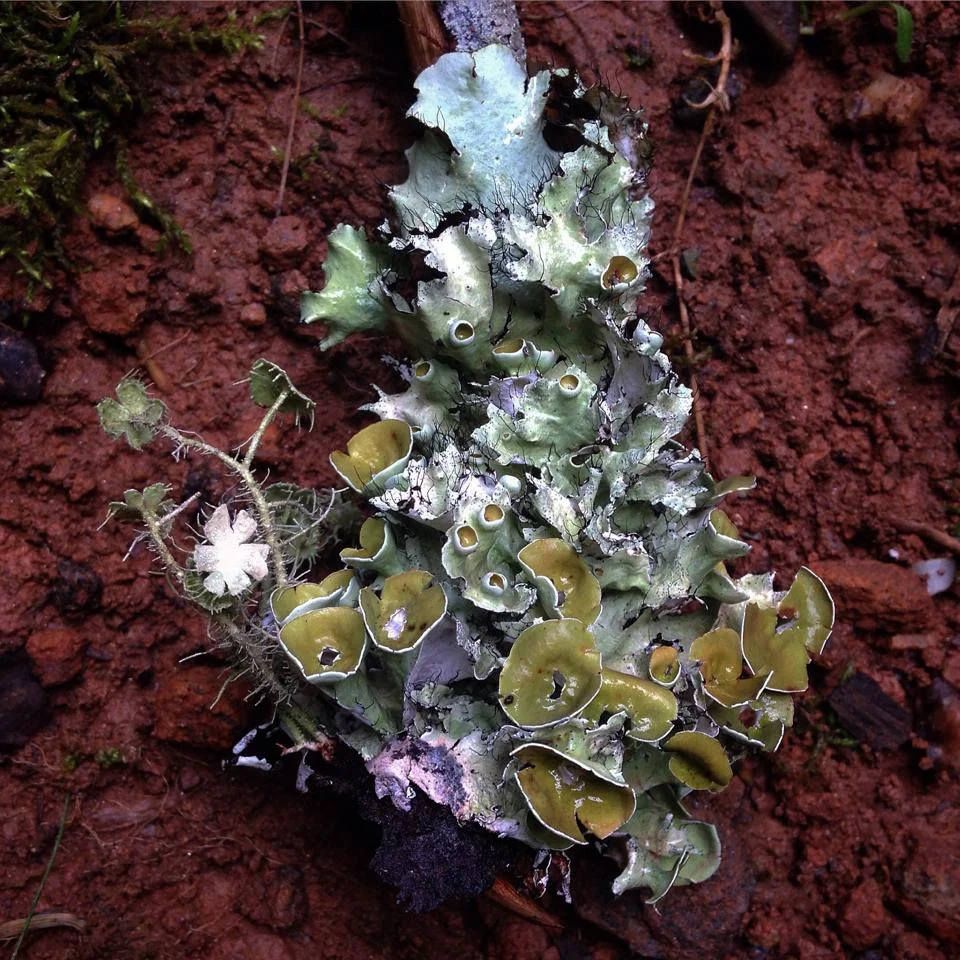
Quite possibly one of the oldest symbiotic relationships on Earth has been hiding in plain sight all this time. Lichens have long been regarded as the poster child for symbiotic relationships. Certain species of fungi team up with specific algae and/or cyanobacteria in a sort of "you scratch my back and I'll scratch yours" type of relationship. In return for room and board the photosynthetic partner feeds the fungus. There are many variations on this theme which translates into the myriad shapes and colors of lichen species around the globe. For 150 years we have been operating under the assumption that there is only ever one species of fungus (in the phylum Ascomycota) for any given lichen. We were wrong. 

Originally thought to be contamination, researchers at the University of Montana and Perdue found gene expression belonging to the other major fungal phyla, Basidiomycota. The research team soon realized that they had uncovered something quite monumental. Lichens were harboring a partner we never knew existed. These newly discovered fungi are an entirely new lineage of yeast. What's more, this relationship has been documented in upwards of 52 other lichen genera worldwide! 

This discovery has led to another major breakthrough in lichen biology, their bizarre variety. The exact same species of fungus and alga can produce completely different lichens with wildly different attributes. Take the example of Bryoria torturosa and B. fremontii. They were thought to share the same partners and yet one is yellow and toxic whereas the other is brown and innocuous. Knowing what to look for, however, has revealed that their yeast partners are entirely different. The yeast is thought to be a sort of shield for the lichen, producing noxious acids that deter infections and predation. 

Almost overnight a new light has been shown on our lichen neighbors. These newly discovered partners aren't a recent evolutionary development. This trifecta likely stems back to the early days when little else lived on land. It just goes to show you how much we still do not know about our planet. It's nice to be reminded of this. 

Further Reading:

http://bit.ly/29WWZ2z 

The Cranefly Orchid (Tipularia discolor)

RSCN0432.JPG

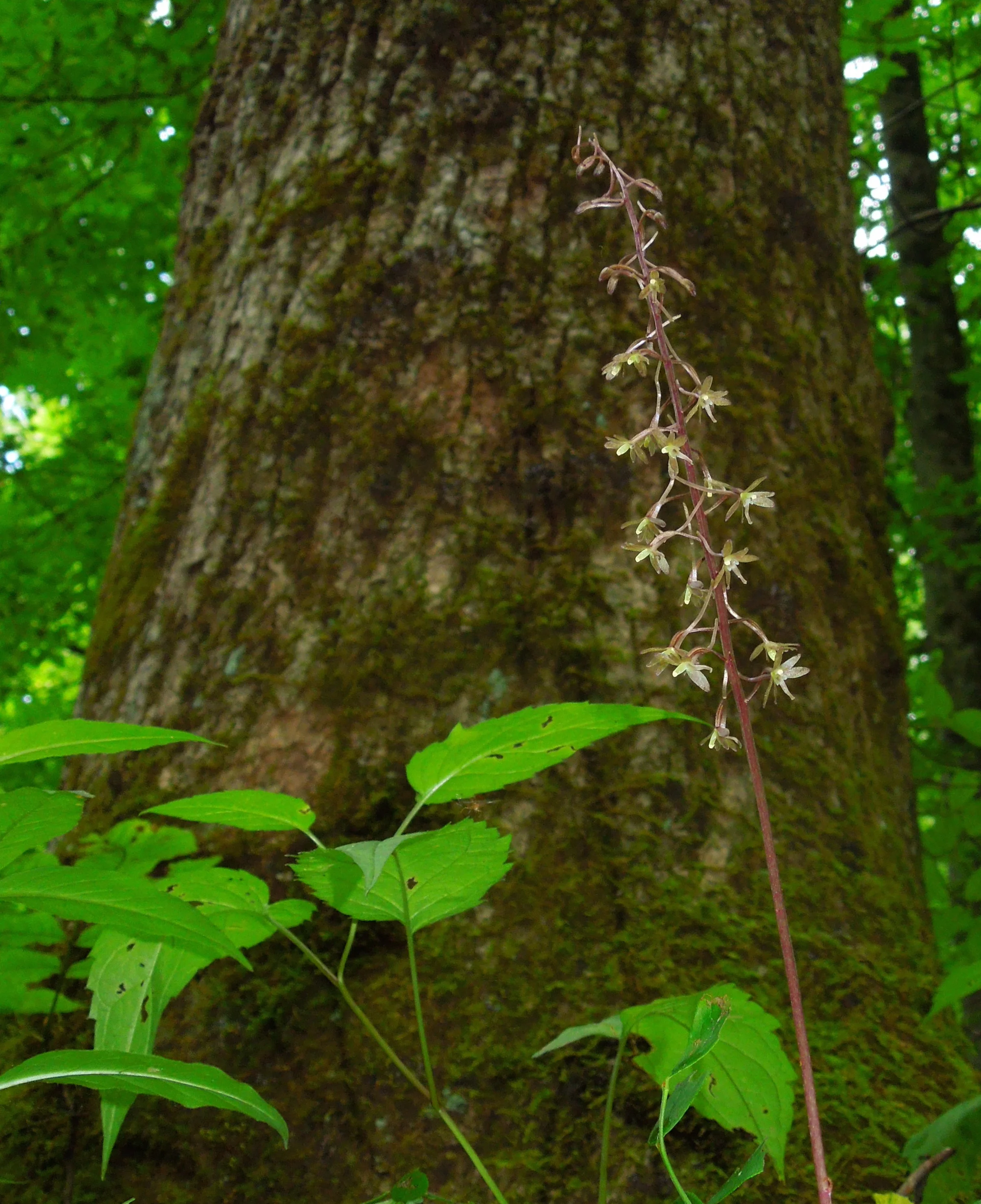
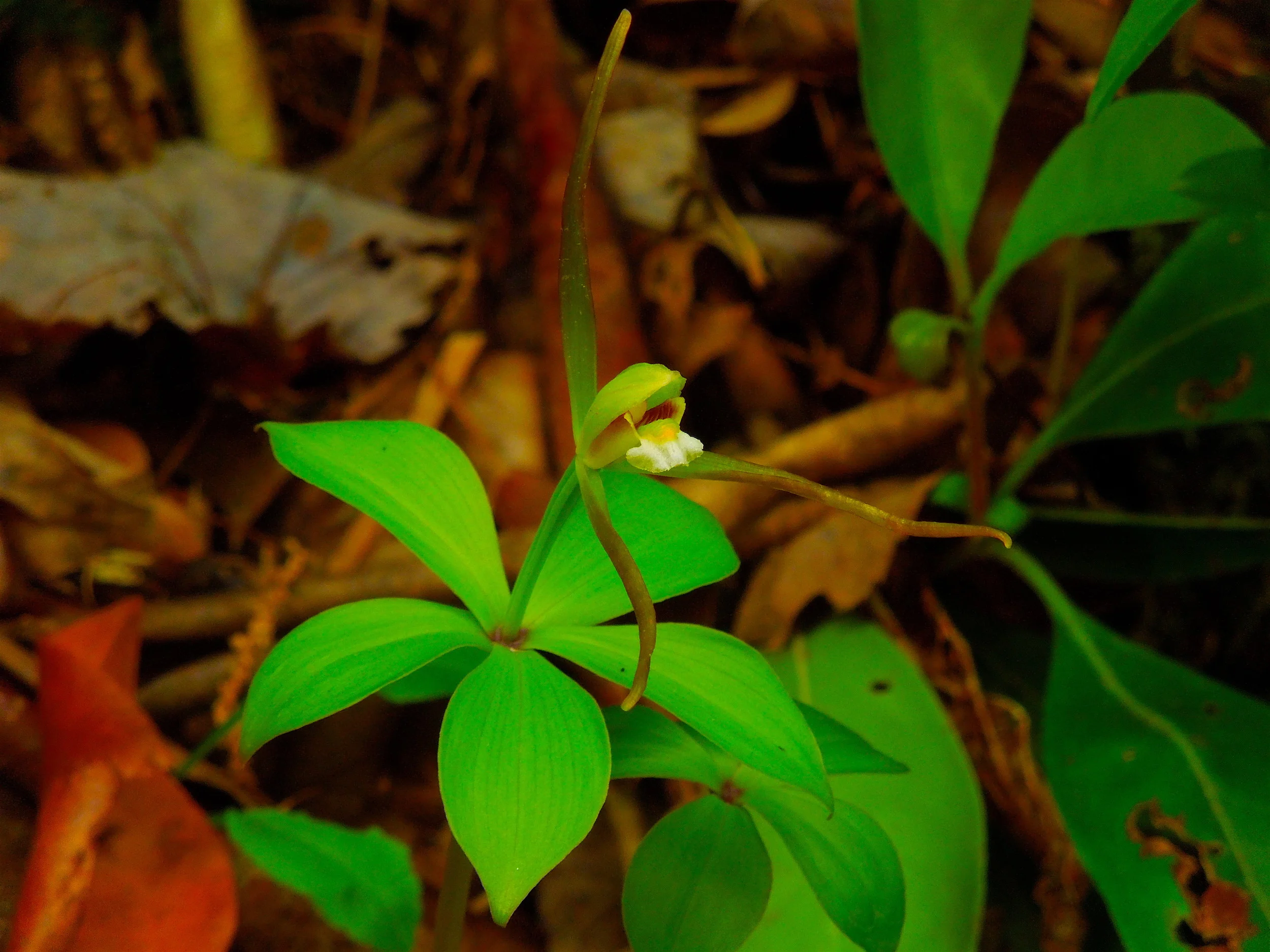
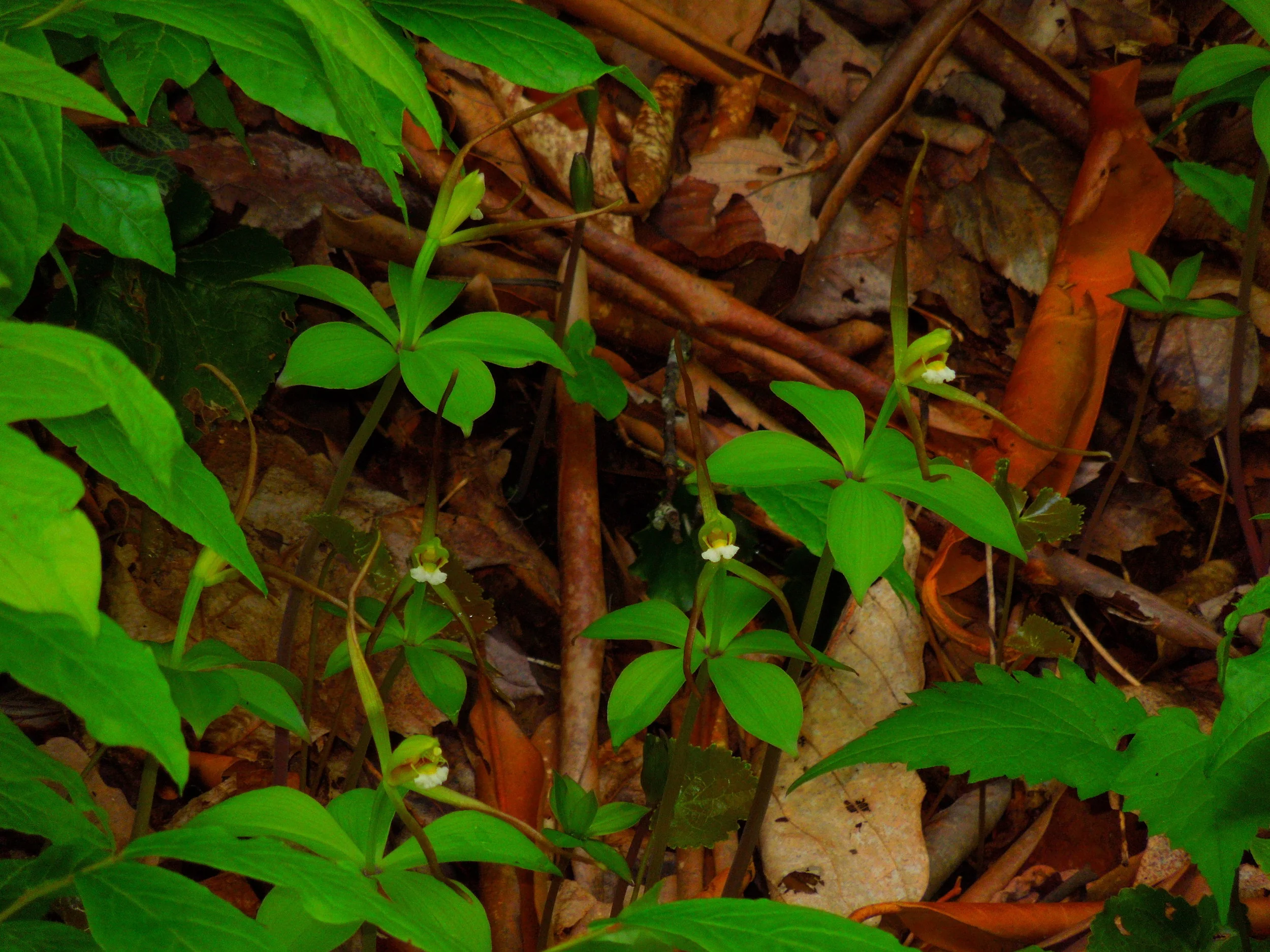
Look closely or you might miss it. Heck, even with close inspection you still run the risk of overlooking it. At this time of year, finding a cranefly orchid (Tipularia discolor) can present a bit of a challenge. At other times of the year the task is a bit easier. If you can find one in bloom, however, you are rewarded with, a unique orchid experience.

For most of the year, the cranefly orchid exists as a single leaf, which is produced in the fall and lasts until spring. It is thought that this orchid takes advantage of the dormancy of its neighbors by sucking up the light the canopy otherwise intercepts during the growing season. Any of you curious enough to look will have noticed that the underside of this leaf is deep purple in color. This very well may be an adaptation to take full advantage of light when it is available. There is some evidence that such coloration may help reflect light back up into the leaf, thus getting more out of what makes it to the forest floor. Evidence for this, however, is limited. It is far more likely that the purple coloration are pigments produced by the leaves that act as a sort of sun screen, shielding the sensitive photosynthetic machinery within from an overdose of sun as intense sun flecks dance across the forest floor.

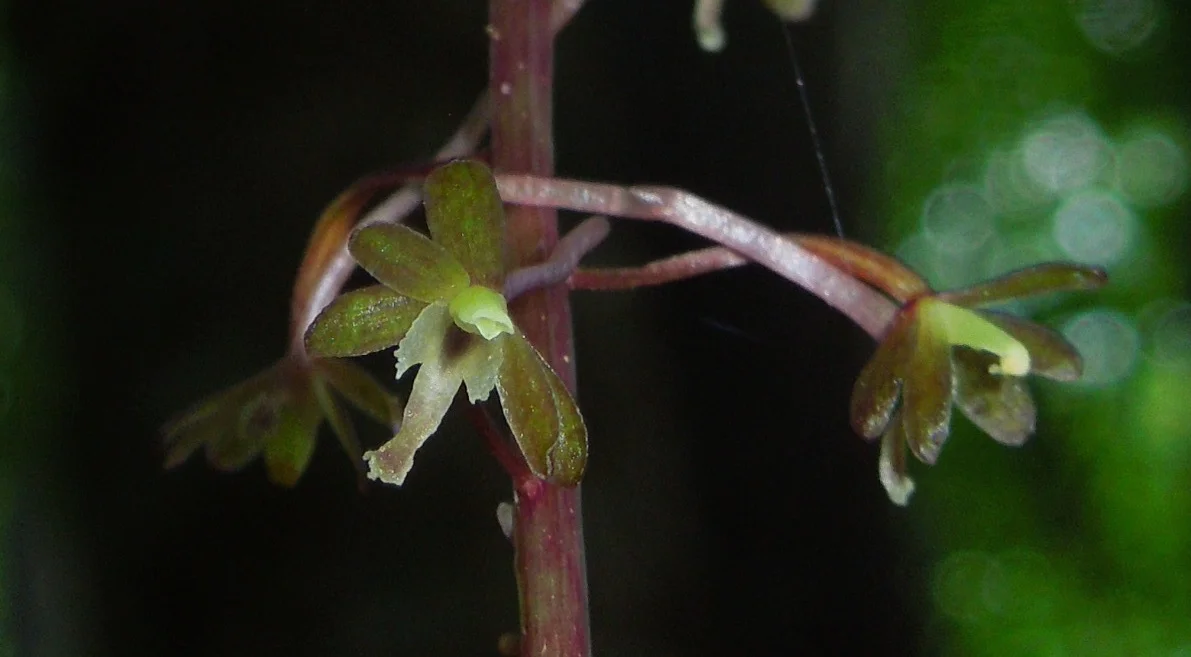
By the end of spring, the single leaf has senesced. If energy stores were ample that year the plant will then flower. A lanky brown spike erupts from the ground. Its purple-green color is subtle yet beautiful. The flowers themselves are a bit odd, even by orchid standards. Whereas most orchid flowers exhibit satisfying bilateral symmetry, the flowers of the cranefly orchid are distinctly asymmetrical. The dorsal sepal, along with the lateral petals, are scrunched up on either side of the column. This has everything to do with its pollinators.

DSCN0414.JPG

The cranefly orchid has coopted nocturnal moths in the family Noctuidae for pollination. These moths find the flowers soon after they open and stick around only as long as there is nectar still present in the long nectar spurs. The asymmetry of the bloom causes the pollinia to attach to one of the moth's eyes. In this way the orchid is able to ensure that its pollen is not wasted on the blooms of other species.

As in all plants, the production of flowers is a costly business. Sexual reproduction is all about tradeoffs. It has been found that cranefly orchids that flowered and successfully produced fruit in one year were much less likely to do so in the next. What's more, the overall size of the plant (leaves and corms) were greatly reduced. Its hard to eek out an existence on the forest floor.

What I find most interesting about this species is where it tends to grow. Any old patch of ground simply won't do. Research indicates that the cranefly orchid requires rotting wood as a substrate. It's not so much the wood they require but rather the organisms that are decomposing it. Like all orchids, the cranefly cannot germinate and grow without mycorrhizal associations. They just happen to partner with fungi that also decompose wood. Such a relationship underscores the importance of decaying wood to forest health.

Further Reading: [1] [2] [3] [4]

Meeting Amborella trichopoda

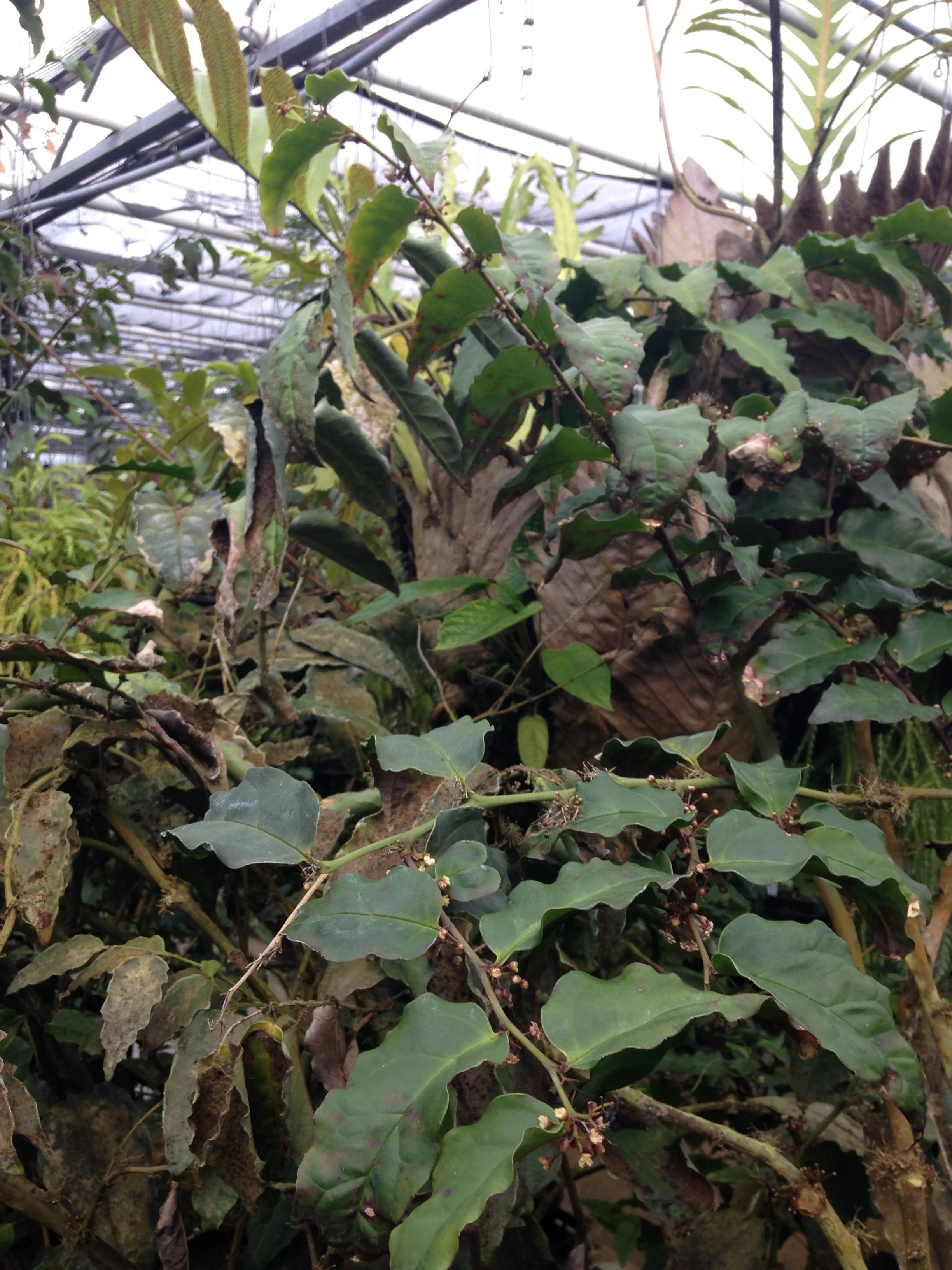
When I found out I would be seeing a living Amborella, a lump formed in my throat. There I was standing in one of the tropical houses at the Atlanta Botanical Garden trying to keep my cool. No amount of patience was ample enough to quell my excitement. How was I going to react? How big were these plants? Would I see flowers? Could I touch them? What were they growing in? My curiosity was through the roof.

Naturally this sort of excitement is reserved for those of us familiar with Amborella trichopoda. This strange shrub is not something that would readily stand out against a backdrop of tropical flora. However, if life history and ecology were to be translated into outward appearances, Amborella would likely be one of the most gaudy plants on this planet. What I was about the lay eyes on is the only member of the sole genus belonging to the family Amborellaceae, which is the sole member of the order Amborellales.

Even more exciting is its position on the angiosperm family tree. As flowering plants go, Amborella is thought to be the oldest alive today. Okay, so maybe this shrub isn't the oldest flowering plant in the world. It is likely that at one time, many millions of years ago, there were more representatives of Amborellaceae growing on this planet. Until we turn up more fossil evidence it is nearly impossible to say. Still, Amborella's place in the story of flowering plant evolution is consistently located at the base.

That is not to say that this shrub is by any means primitive. I think the first thing that shocked me about these plants is just how "normal" they appear. Sans flowers, I didn't see much out of the ordinary about them. They certainly look like they belong on our timeline. Without proper training in plant anatomy and physiology, there is little one could deduce about their evolutionary position. Regardless of my ignorance on plant morphology, there is plenty to look at on Amborella.

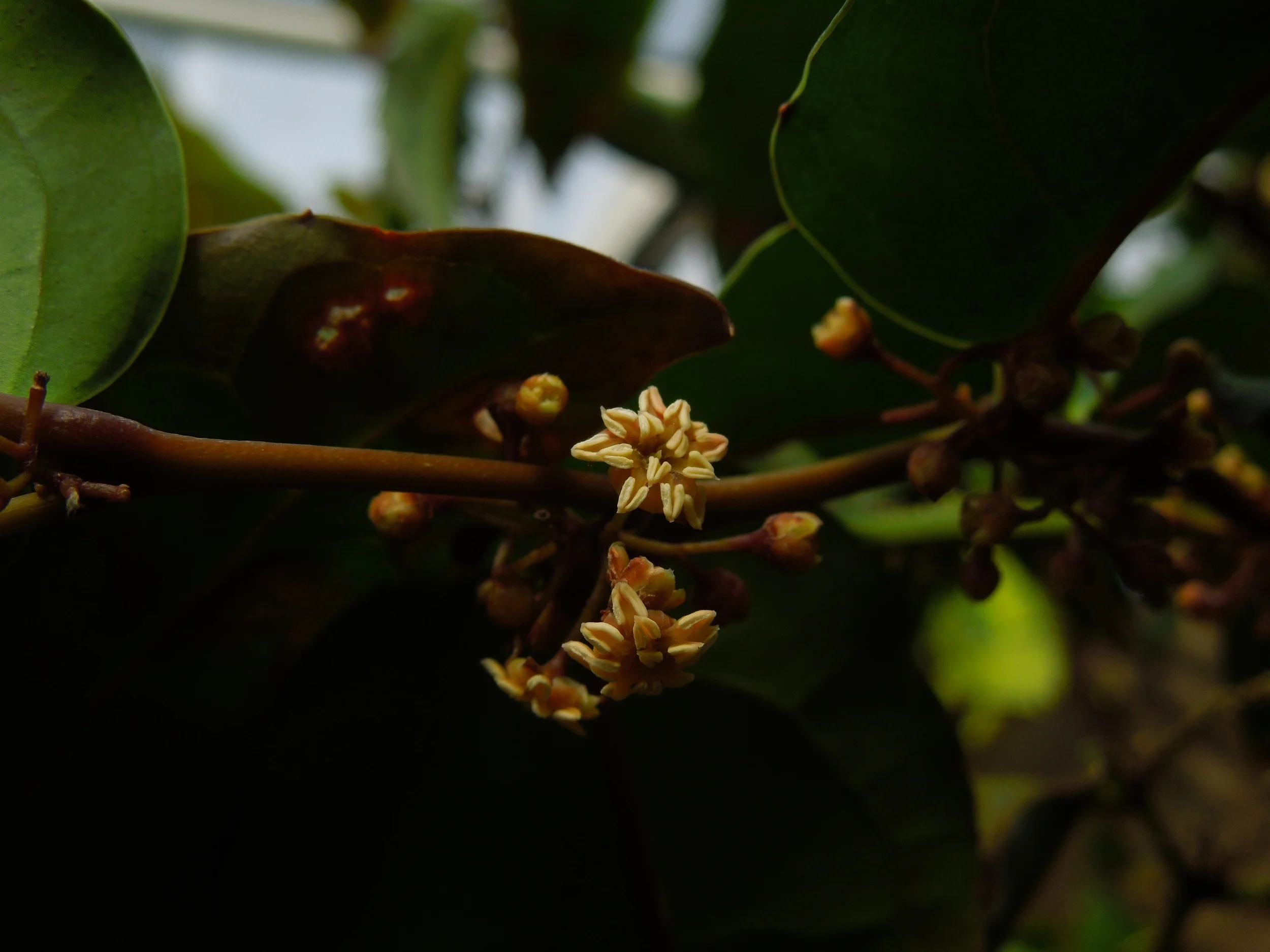
For starters, Amborella has tracheids but no vessel elements, making its vascular system more like that of a gymnosperm than an angiosperm. Its small flowers are borne in the axils of the evergreen leaves. It has no petals, only bracts arranged into a spiral of tepals. The female flowers consist of 4 to 8 free carpels and do not produce a style. Male flowers look like nothing more than a spiral cluster of stamens borne on short filaments.

If plant anatomy isn't enough to convince you, then the genetic analyses tell a much more compelling story. DNA sequencing consistently places Amborella at the base of the flowering plant family tree. Again, this is not to say that this shrub is by any means "primitive" but rather its lineage diverged long before what we would readily recognize as a flowering plant evolved. As such, Amborella offers us a window into the early days of flowering plants. By comparing traits present in more derived angiosperms to those of Amborella, researchers are able to better understand how the most dominant group of plants found their place in this world.

Another interesting thing happened when researchers looked at the DNA of Amborella. What they found was more than just Amborella genes. Inside the mitochondrial DNA are an unprecedented amount of foreign DNA from algae, lichens and mosses. In fact, an entire chunk of DNA corresponded to an entire mitochondrial genome of a moss! Researchers now believe that this is a case of extreme horizontal gene transfer between Amborella and its neighbors both growing on and around it. Both in the wild and in cultivation, Amborella is covered in a sort of "biofilm." Whether or not such gene transfer has assisted in the conservatism of this lineage over time remains to be seen.

At this point you may be asking how this lineage has persisted for over 130 million years. For the most part, it is probably due to chance. However, there is one aspect of its ecology that really stands out in this debate and that is its geographic distribution. Amborella is endemic to Grande Terre, the main island of New Caledonia. This is a very special place for biodiversity.

New Caledonia is a small fragment of the once great super-continent Gondwana. New Caledonia, which was part of Australia at that time, broke away from Gondwana when the super-continent began to break up some 200-180 million years ago. New Caledonia then broke away from Australia some 66 million years ago and has not been connected to another land mass since. A warm, stable climate has allowed some of the most unique flora and fauna to persist for all that time. Amborella is but one of the myriad endemic plants that call New Caledonia home. For instance, 43 species of tropical conifers that grow on these small islands are found nowhere else in the world. The whole region is a refugia of a long lost world.

Being a biodiversity hot spot has not spared New Caledonia from the threats of modern man. Mining, agriculture, urbanization, and climate change are all threatening to undo much of what makes this place so unique. The loss of a species like Amborella would be a serious blow to biodiversity, conservation, and the world as whole. We cannot allow this species to exist only in cultivation. New Caledonia is one place we must desperately try to conserve. Meeting this species has left a mark on me. Being able to observe living Amborella up close and personal is something I will never forget as my chances of seeing this species in the wild are quite slim. I am so happy to know that places like the Atlanta Botanical Garden are committed to understanding and conserving this species both in the wild and in cultivation. For now Amborella is here to stay. Long may it be that way.


Further Reading:

http://bit.ly/29MuMuw

http://bit.ly/29MuML0

http://bit.ly/29ZKNJS


The Mountain Sweet Pitcher Plant

DSCN9285.JPG

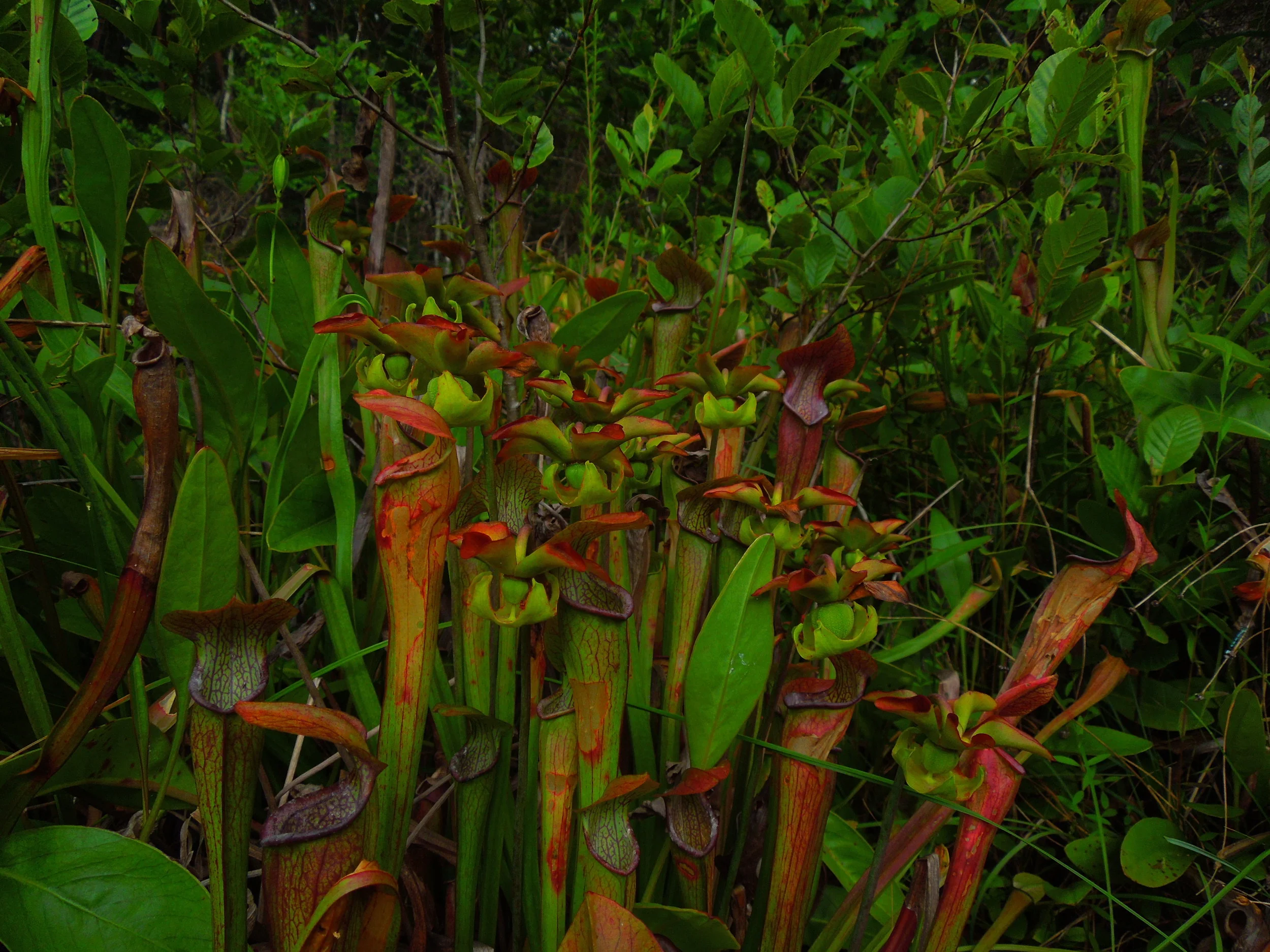
I am fascinated by pitcher plants. The myriad shapes, sizes, and colors make them quite a spectacle. Add to that their carnivorous habit and what is not to love? I am used to having to visit bogs or coastlines to see them in person so you can imagine my surprise to learn that a small handful of pitcher plants haunt the mountains of Southern Appalachia.

DSCN9284.JPG

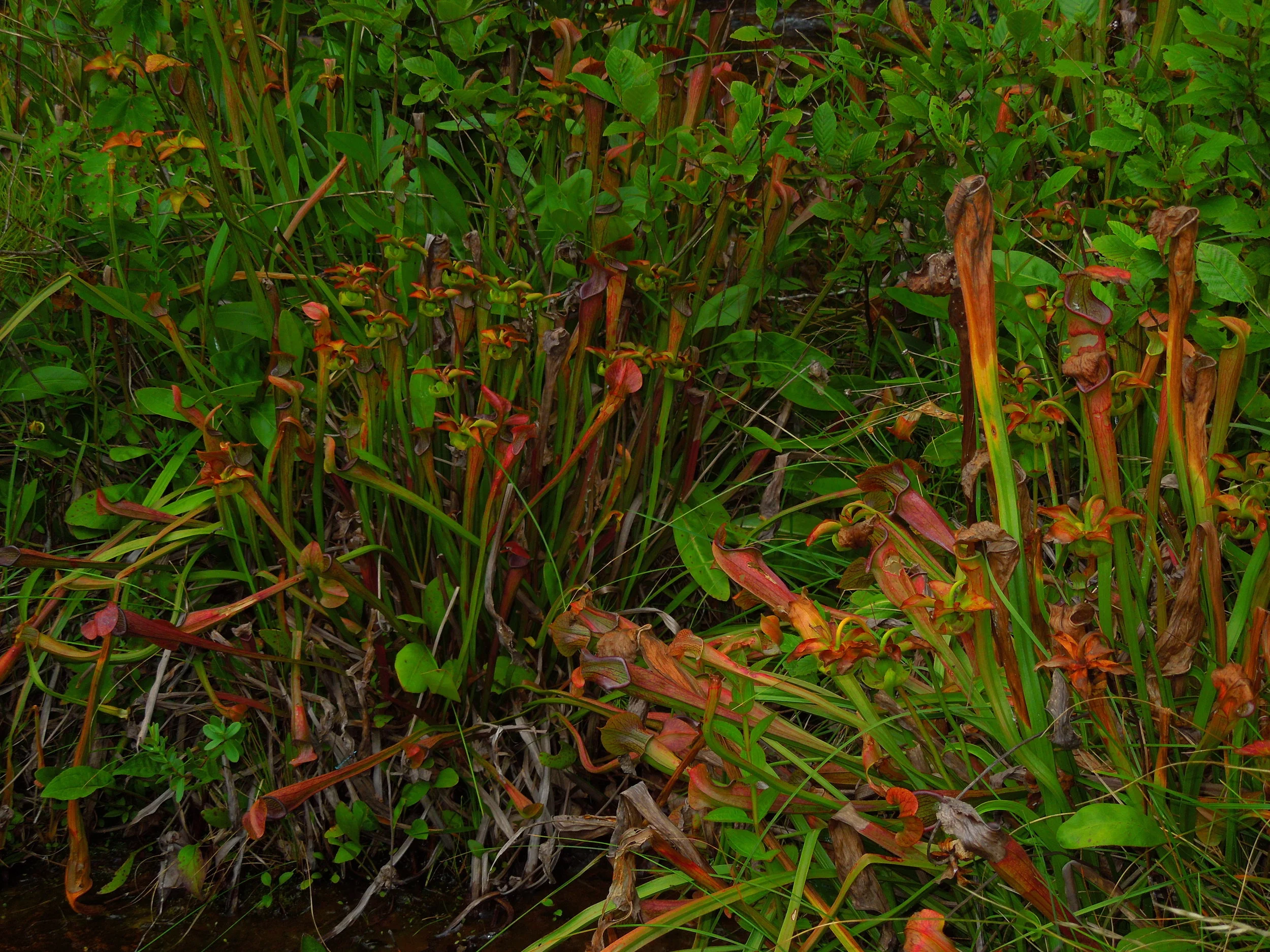
Sarracenia jonesii is a recent acquaintance of mine. I never knew this species existed until 2016. It is a slender pitcher plant whose traps grow taller and narrower than the purple pitcher plant (S. purpurea) but not nearly as tall and robust as species like S. leucophylla. Regardless of its size, this one interesting carnivore. One unique aspect of its ecology is the habitats in which it grows. What could be more strange than a pitcher plant clinging to sloping granite slabs?

DSCN2549.JPG

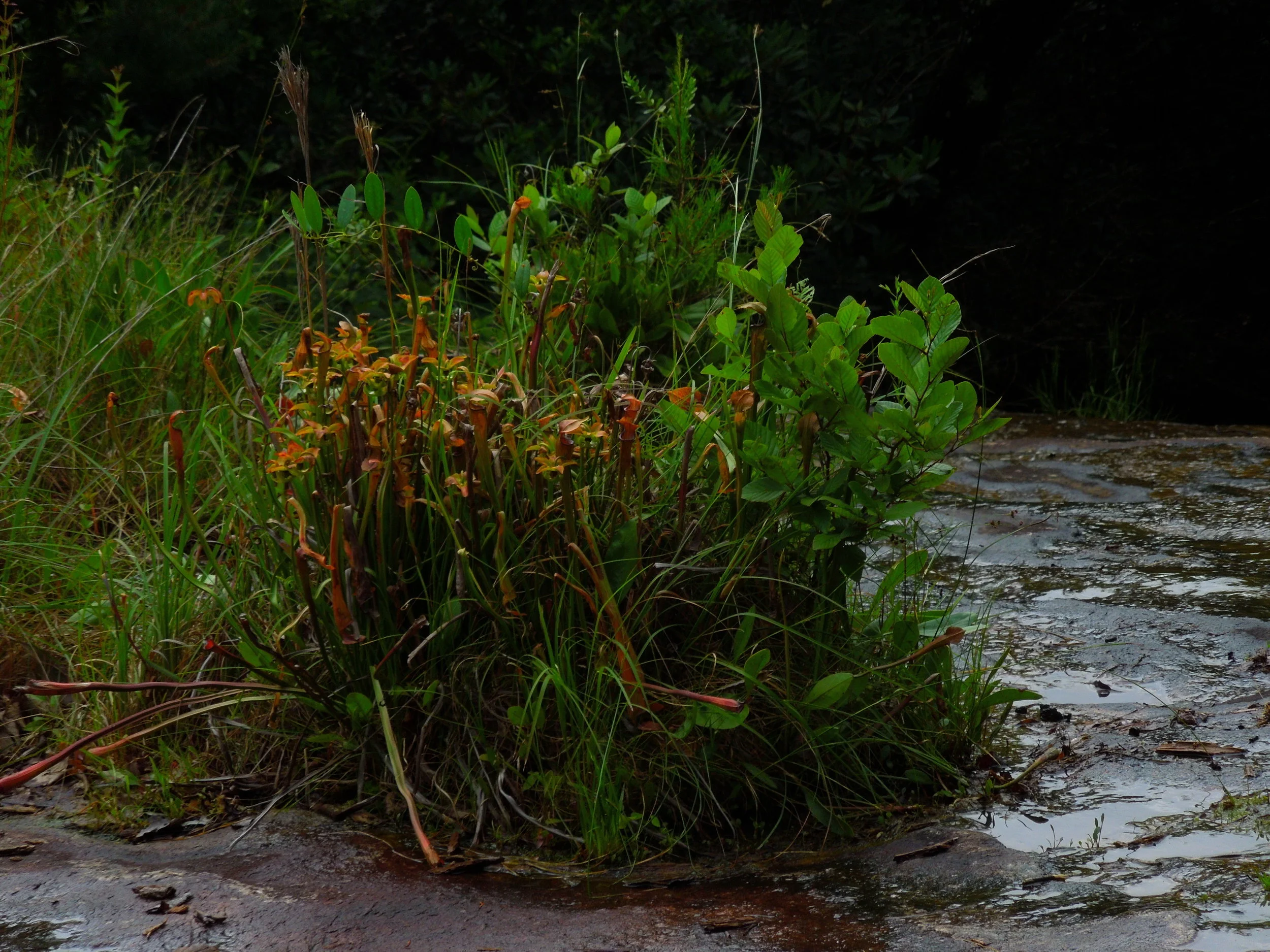
Most mountainous areas don't hold water for very long. Aside from bowls and the occasional lake, gravity makes short work of standing water. In southern Appalachia, this often results in impressive cascades where sheets of water flow over granite outcrops and balds. Where water moves slow enough to not wash soil and moss away, cataract bogs can form. Soils are so thin in these areas that trees and shrubs can't take root, thus keeping competition to a minimum. Because granite is rather inert, nutrients are scarce. All of these factors combine to make prime carnivorous plant habitat.

A cataract bog clinging to the side of a waterfall.

A cataract bog clinging to the side of a waterfall.

Along the edges of these cataract bogs, anywhere sphagnum and other mosses grow is where S. jonesii finds a home. One would think that growing in such hard-to-reach places would protect this interesting and unique carnivore. Sadly, that is not the case. To start with, S. jonesii was never common to begin with. Native to a small region of North and South Carolina, it is now only found in about 10 locations. 

Habitat destruction both direct and indirect (alterations in hydrology) has taken its toll on its numbers in the wild. To add insult to injury, poaching has become a serious issue. In fact, an all green population of this species was completely wiped out by greedy collectors looking to add something rare to their collection. The good news is that there are dedicated folks working on conserving and reintroducing this plant into the wild. In 2007, conservationists at Meadowview Biological Research Station, with help from the National Fish and Wildlife Foundation Grant, successfully reintroduced a population of S. jonesii to its former range.

Although the future remains uncertain for this species, it nonetheless has captured hearts and minds alike. Hopefully the charismatic nature of this species is enough to save it from extinction. I only wish such dedicated conservation efforts were directed at more imperiled plant species, both charismatic and not. 

Further Reading: [1] [2] [3]

One Hardy Shrub

13490747_1398582883501906_8045953981926034707_o.jpg


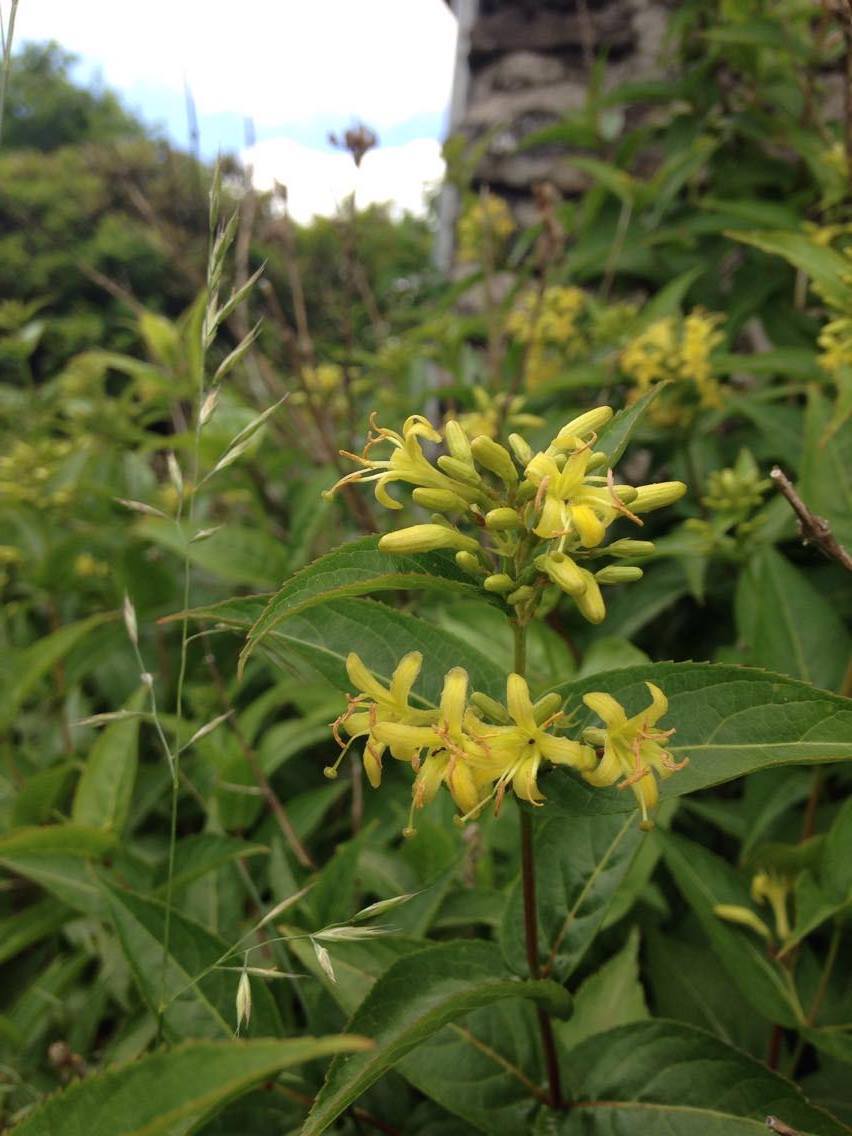
One would be hard pressed to find a native shrub with as much adaptability as the dwarf bush honeysuckle (Diervilla lonicera). It is a wide ranging species growing From Saskatchewan to Labrador in Canada all the way down into Georgia. Though it is most often encountered growing on rocky outcrops in the wild, it seems to do equally well under more mesic conditions. It grows rapidly and seems quite fond of suckering. As such, it is an excellent plant for erosion control. 

It is also an important species from an ecological perspective. Many species find this shrub quite appetizing. Its aggressive suckering habitat may be in response to such palatability as it seems to respond to browsing with increased vigor. Its thick growth form is excellent for nesting birds as well as any animal looking for shelter. 

As if cover and browse wasn't enough, the flowers of the dwarf bush honeysuckle are a boon for pollinators far and wide. Flowers range in color from red to yellow and they are accessible enough that many different pollinators benefit from their nectar and pollen rewards. Bumblebees seem to benefit the most from these blooms. It is a real joy to watch a large population of this shrub literally humming with bees. 

Further Reading:

http://bit.ly/29kefyw

http://bit.ly/29iuqac

The Endangered Running Buffalo Clover


Endangered species come in all different shapes and sizes. Though the average person on the street can readily cite charismatic animals species such as the giant panda or the white rhino, few folks ever realize that many of the world's plants are at risk of extinction. In fact, the latest reports show that one in five plant species are in danger of disappearing forever. They aren't all charismatic species like orchids either, some of the most endangered plants are often the most ignored. They simply don't find their way into conversations about conservation. 

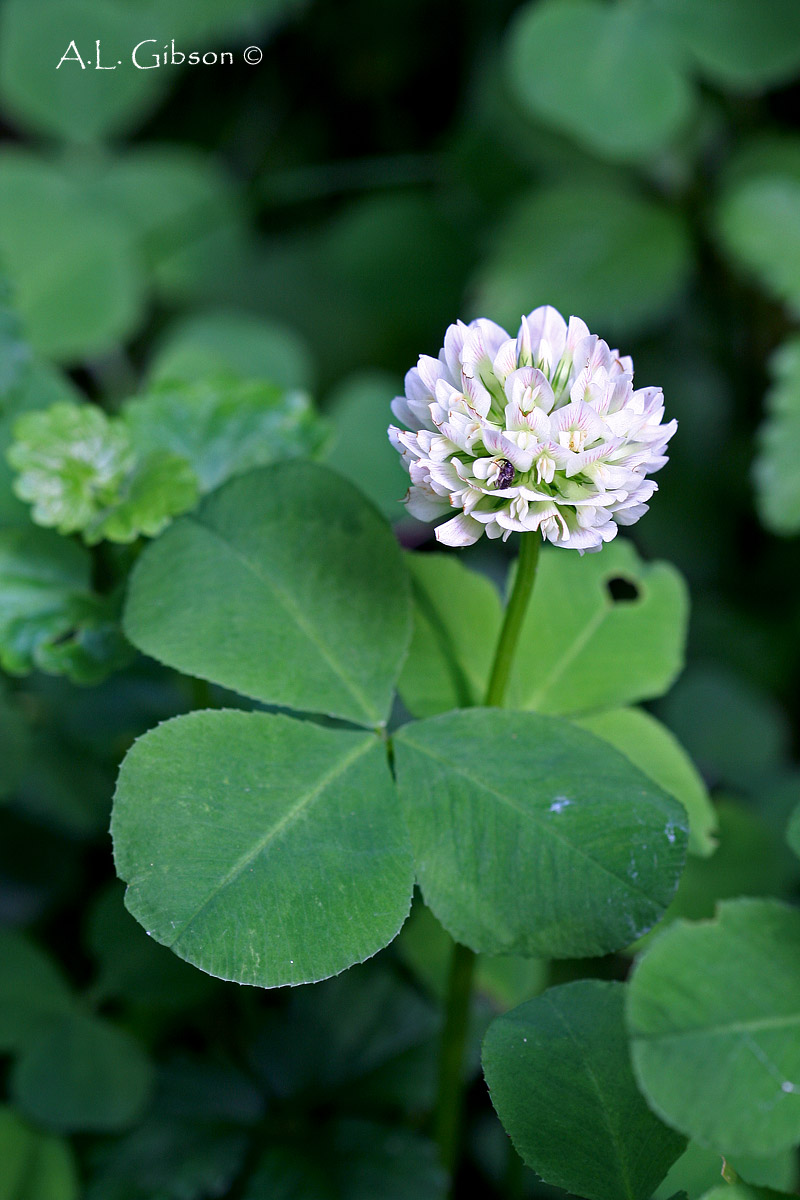
One prime example of such an imperiled plant is the running buffalo clover (Trifolium stoloniferum). This lovely little clover once ranged from Arkansas, through Illinois and Indiana, all the way to Ohio and West Virginia. It was a species of open disturbed areas in prairies and forests. It enjoyed rich soils and probably followed in the wake of the large herds of bison and regular fires that once shaped the countryside. Another interesting aspect of this clover's ecology is that it apparently does not fix nitrogen. It lacks the rhizobial associates that make legumes famous. 

The loss of the bison from most of its range coupled with rampant habitat destruction spelled disaster for the running buffalo clover. It was thought to be extinct for nearly a century until 1983 when a single population was discovered in West Virginia. Since then scattered populations have been found, however, these are few and far between. As such, it is now considered a federally endangered species. 

The continued survival of the running buffalo clover is completely tied to proper land management. Without a natural disturbance regime, this lovely little plant is quickly overtaken by more aggressive vegetation. Gone are the days of the roaming buffalo and natural fire regimes. 

Luckily this species was able to garnish enough attention to earn it some protection. However, for far too many plant species this is simply not the case. Until we change the kinds of conversations we are having about plants and habitat in general, we stand to lose more plant species than I care to imagine. This in turn will have rippling effects through the entire ecosystem. So, today I want you to think about the running buffalo clover as a stark reminder of just how important conservation can be. 

Photo Credit: Andrew Lane Gibson (http://bit.ly/25Sb6f1)

Further Reading:
http://1.usa.gov/1sB7oo9

Buffalonut - A Parasitic Shrub From Appalachia

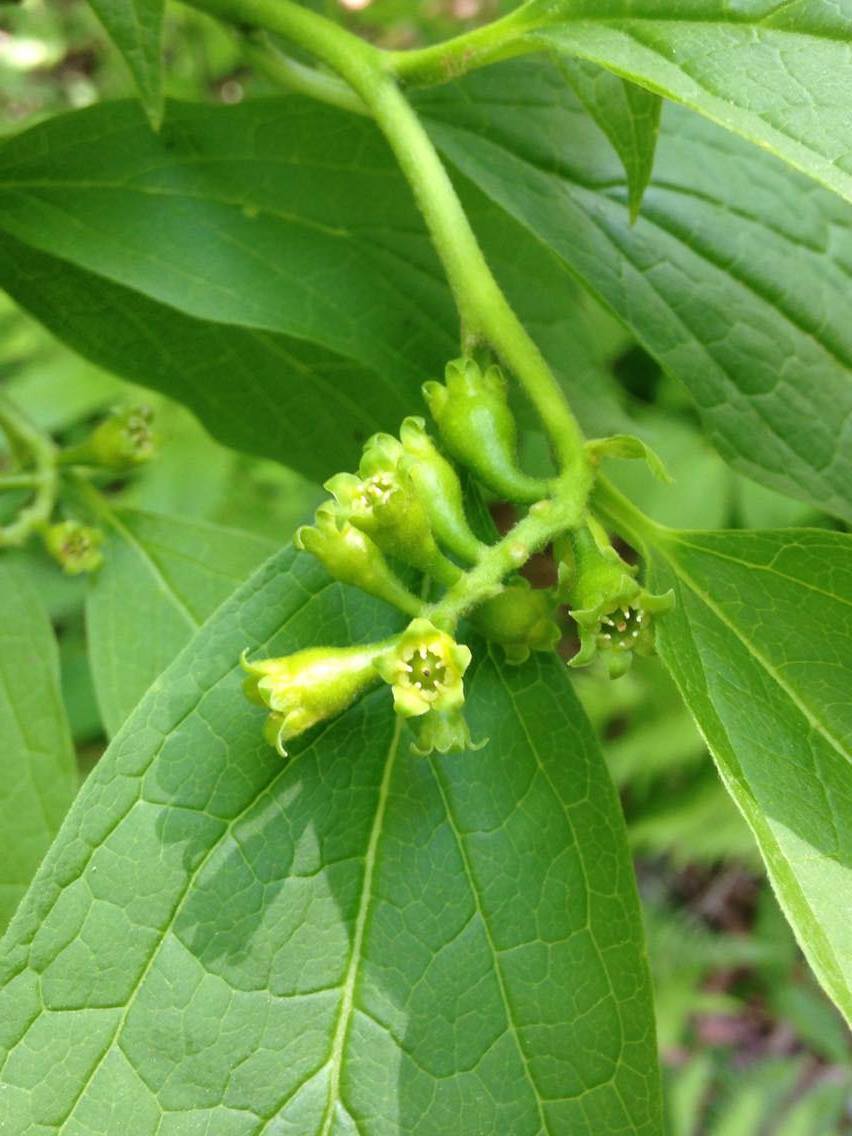
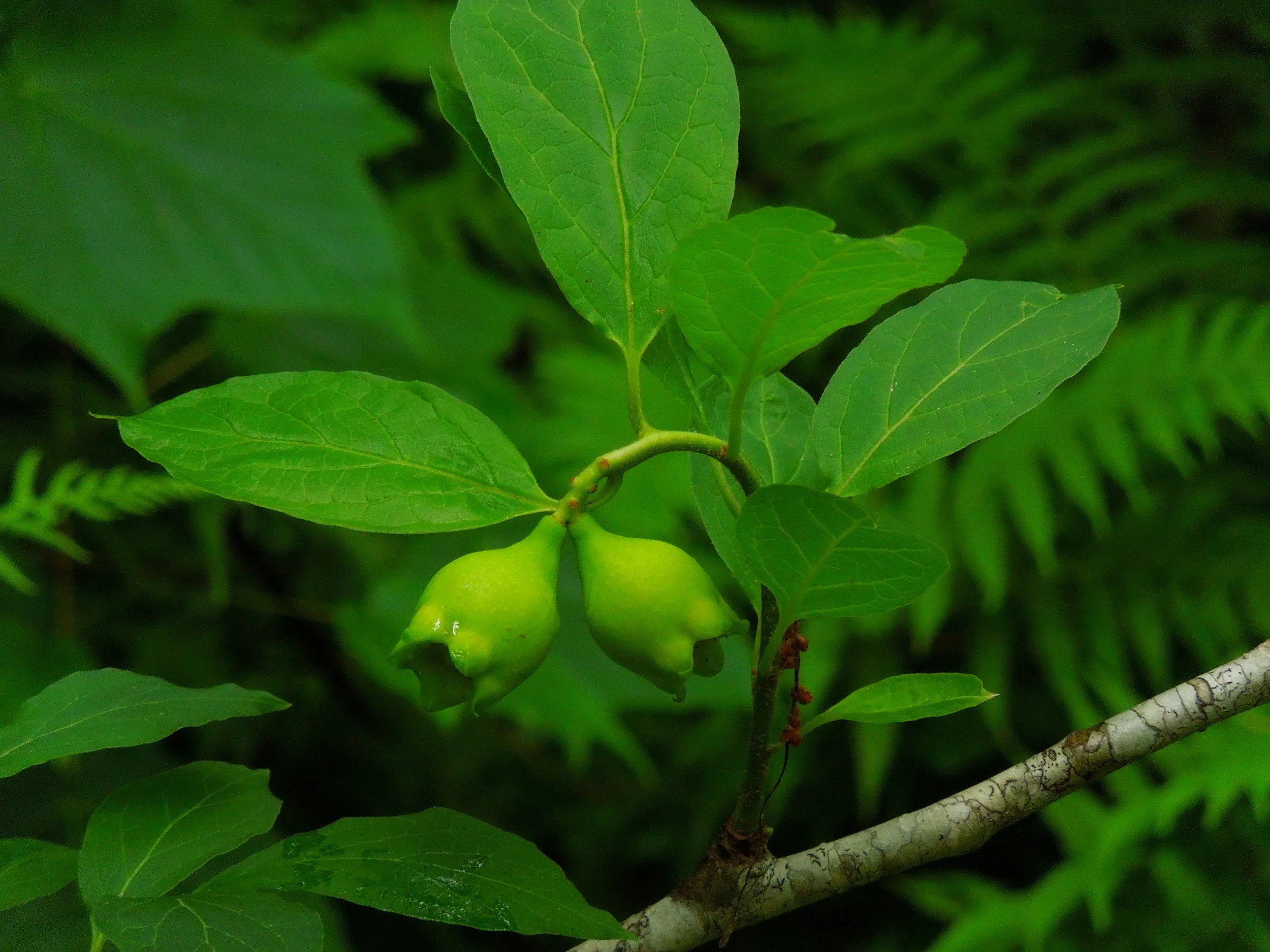
I have a hard time with shrubby species. They just don't stand out to me like herbaceous plants or giant trees. As such, my identification skills for this group of medium-sized woody plants are subpar. However, every once in a while I find something that I can't let go. Usually its a species with a trait that really stands out. This is how I came to know buffalo nut (Pyrularia pubera). Its unique inflorescence was like nothing I had ever encountered before. 

There is good reason for my unfamiliarity with this species. It is largely restricted to the core of the Appalachian Mountains, although there are records of it growing on Long Island as well. Regardless, it is not a species I grew up around. The first time I saw its flowers I was stumped. I simply couldn't place it. Luckily its unique appearance made it easy to track down. I was happy with buffalo nut for the time being but I was surprised yet again when I sat down for a chat with someone who knows woody species much better than I do. 

DSCN0157.JPG


As it turns out, buffalo nut belongs to the sandalwood family, Santalaceae. This makes it a distant cousin of the mistletoes. Like most members of this family, buffalo nut lives a parasitic lifestyle. Although it is fully capable of photosynthesis and "normal" root behavior, under natural conditions, it parasitizes the roots of other tree species. It doesn't really seem to have a preference either. Over 60 different species hailing from 31 different families have been recorded as hosts. 

When a buffalo nut seed germinates, it starts by throwing down a taproot. Once the taproot reaches a certain depth, lateral roots are sent out in search of a host. These roots "sniff out" the roots of other species by honing in on root exudates. When a suitable root is found, the buffalo nut root will tap into its host using specialized cells called haustoria. Once connected, it begins stealing water and nutrients. Buffalo nut roots have been known to travel distances of 40 feet in search of a host, which is pretty incredible if you ask me. 

It is easy to look down on parasites. Heck, they are largely maligned as free loaders. This could not be farther from the truth. Parasites are a healthy component of every ecosystem on the planet. They are a yet another player in a system that is constantly changing. What's more, the presence of parasites can actually increase biodiversity in a system by keeping certain species from becoming too dominant. Buffalo nut should not be persecuted. Instead it should be celebrated. It is yet another species that makes the Appalachian Mountain flora so unique. 


Further Reading: [1] [2]

Sweetshrub

DSCN9771.JPG

It's hard to be in a bad mood when there are sweetshrubs (Calycanthus floridus) in bloom. This wonderful native shrub is both easy on the eyes and the nose. In some parts of its range, it is affectionately referred to as Carolina allspice. It has been placed in the family Calycanthaceae, which it shares with other genera such as Idiospermum of Australia and Chimonanthus of Asia. This family is actually quite old. Genetic analysis coupled with fossil evidence suggests that the common ancestors of this group began diverging at some point during the Cretaceous, some 97 million years ago.

Sweetshrub is predominantly native to southeastern North America, though it can be found growing naturally as far north as the Virginias, though it seems to be expanding its range both north and west. It is quite an adaptable species when it comes to habitat but it seems to do best on rich loam in partially shaded conditions. Sweetshrub suckers readily and a small patch can quickly spread to cover a much larger area.

By far my favorite aspect of this shrub are its flowers. They don't produce any sepals or petals but instead put forth spirals of leathery tepals that open gradually as the flowers mature. Flower color is most often a deep shade of burgundy, however, orange and green flowers have been recorded as well. I usually smell them before I see them. To me, the flowers smell like sweet fermenting apples. Their main pollinators are sap beetles and it is not uncommon to find them crawling all over the blooms. I also frequently see fruit flies going about their business on these shrubs, undoubtedly attracted by the scent as well.

It's not just the flowers that smell either. The whole plant is rather aromatic. Scrape the bark and you may smell something akin to camphor. Crushed leaves smell sweet and spicy. However, the strength of these odors can vary greatly from plant to plant and may have a lot to do with its growing conditions. All in all this is one incredible species. Its adaptability, lack of pests, and pleasing appearance/fragrance have made this a popular shrub for native landscaping in the southeast.

Further Reading: [1] [2]

Fern Ant Farm

An epiphytic lifestyle is no walk in the park. Baking sun, drying winds, and a lack of soil are the norm. As a result, epiphytic plants exhibit numerous adaptations for retaining water and obtaining nutrients. One of the most interesting adaptations to this lifestyle can be seen in plants that have struck up a relationship with ants.

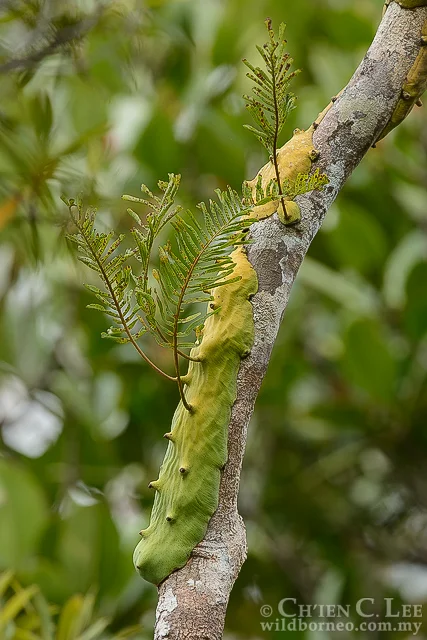
An amazing example of one such relationship can be seen in a genus of epiphytic ferns called Lecanopteris. Native to Southeast Asia and New Guinea, their unique look is equally matched by their unique ecology. Using a highly modified rhizome, they are able to latch on to the branch of a tree. In species such as Lecanopteris mirabilis (pictured above), it's as if the fronds are emerging from a strange green amoeba.

However, it's whats going on underneath their strange rhizomes that makes this group so fascinating. These ferns literally grow ant farms. Chambers and middens within the amorphous rhizome entice colonies of ants to set up shop. In return for lodging, the ants provide protection. Anything looking to take a bite out of a frond must contend with an army of angry ants. Moreover, the ants provide valuable nutrients in the form of waste and other detritus.

These are by no means the only plants to have evolved a relationship of this sort. Myriad plant species utilize ants for protection, nutrient acquisition, and seed dispersal. It has even been suggested that the unique morphology of Lecanopteris spores is an adaptation for ant dispersal. Certainly one can imagine how that would come into play. Interestingly enough, this group of ferns has attracted the attention of plant enthusiasts looking for a unique plant to grow in their home. As such, you can now find many different species of Lecanopteris being cultivated for the horticultural trade.

Photo Credit: Ch'ien C. Lee (www.wildborneo.com.my/photo.php?f=cld1505721.jpg)

Further Reading: [1] [2] [3] [4]

"The Ghosts of Cultivation Past"

Photograph © Andrew Dunn, 13 September 2005. Website: http://www.andrewdunnphoto.com/ licensed under CC BY-SA 2.0

Photograph © Andrew Dunn, 13 September 2005. Website: http://www.andrewdunnphoto.com/ licensed under CC BY-SA 2.0

All too often we think of a species' niche as a sort of address. Species will be present in suitable habitat and absent from unsuitable habitat. Certainly this oversimplification has been useful to us, however, it often ignores context. Species, especially long lived ones, can often be found in unsuitable habitat. Similarly, biotic interactions such as pollinators and seed dispersers are regularly overlooked when considering "suitable habitat." The absence of factors such as this can leave plants stranded in suboptimal conditions. 

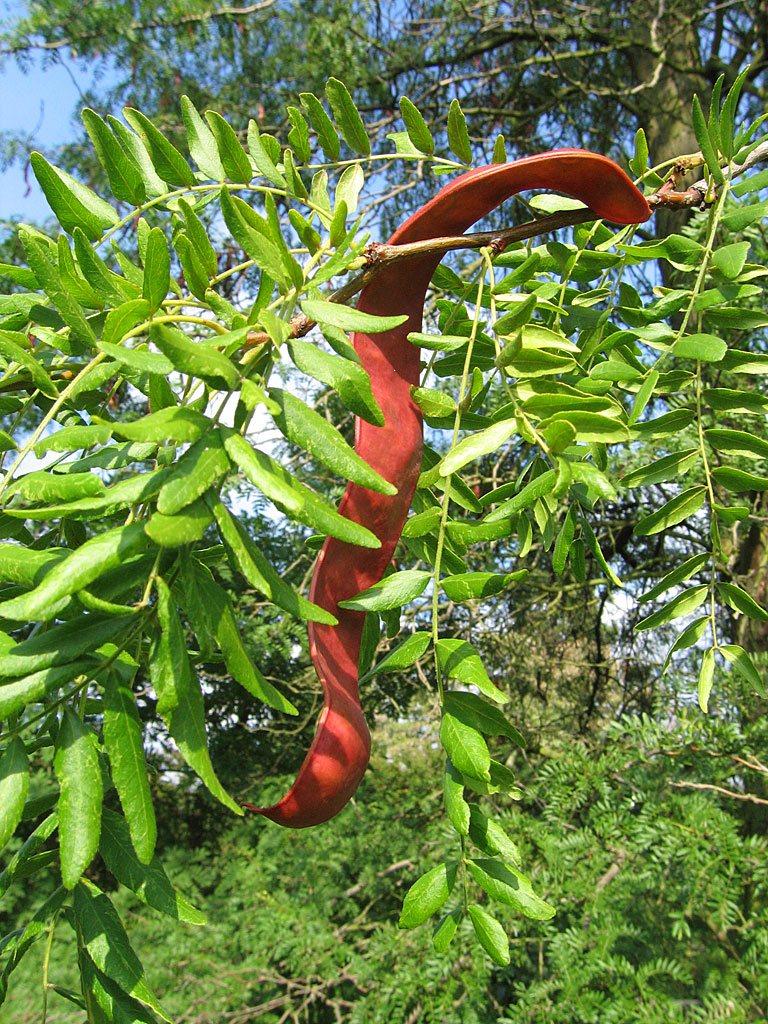
A recent paper published in PLOS One tackles this very idea by looking at a species of tree many of us will be familiar with - the honey locust (Gleditsia triacanthos). This central North American legume is widely planted as a street/landscape tree all over the United States. Ecologically speaking, honey locusts can be found growing wild in open xeric upland sites. In places like the southern Appalachian Mountains, however, they can also be found growing in mesic bottomlands. Regardless of where it is found, the honey locust seems to be severely dispersal limited (except in cases where cattle and other livestock have been introduced). 

Before modern times, honey locust likely relied on Pleistocene megafauna to get around. The end of the Pleistocene marked the end of these large mammals. Left behind were many different plant species that had evolved alongside them. For a small handful of these plants, humans were a saving grace. Such is the case for the honey locust. Inside the honey locust pods there is a sugary pulp, which in southern Appalachia, the Cherokee were quite fond of. The Cherokee also used the tree for making weapons and gamesticks. As such, the honey locust holds great cultural significance, so much so that the Cherokee named at least one settlement "Kulsetsiyi" (more commonly known today as Cullasaja), which translates to "honey locust place." 

Author, Dr. Robert Warren, noticed that in southern Appalachia, "Every time I saw a honey locust, I could throw a rock and hit an archaeological site.” What's more, the trees were not recruiting well unless cattle or some other form of human disturbance was present. This species seemed to be a prime candidate for testing persistent legacy effects in tree distributions. 

Using seed germination experiments and lots of mapping, Dr. Warren was able to demonstrate that honey locust distributions in the southern Appalachian region are more closely tied to Cherokee settlements than its own niche requirements. The germination experiments strengthened this correlation by showing that mesic bottomlands had the lowest germination and survival rates. 

Additionally, these sites are well known as former sites of Cherokee settlement and agriculture. Because this tree held such significance to their culture, it is quite likely that in lieu of Pleistocene megafauna, Native Americans, and eventually European livestock, allowed the honey locust to reclaim some of its former glory. Of course, today it is a staple of horticulture. Still, the point is that despite being found growing in a variety of habitat types, the honey locust is very often found in unsuitable habitat where it cannot reproduce without a helping hand. In the southern Appalachian region, honey locust distributions are more a reflection of Native American cultural practices.

Photo Credit: Cambridge Botanic Garden

Further Reading:
http://bit.ly/27SySpq

The Magnificent Mountain Laurel

IMG_1216.JPG

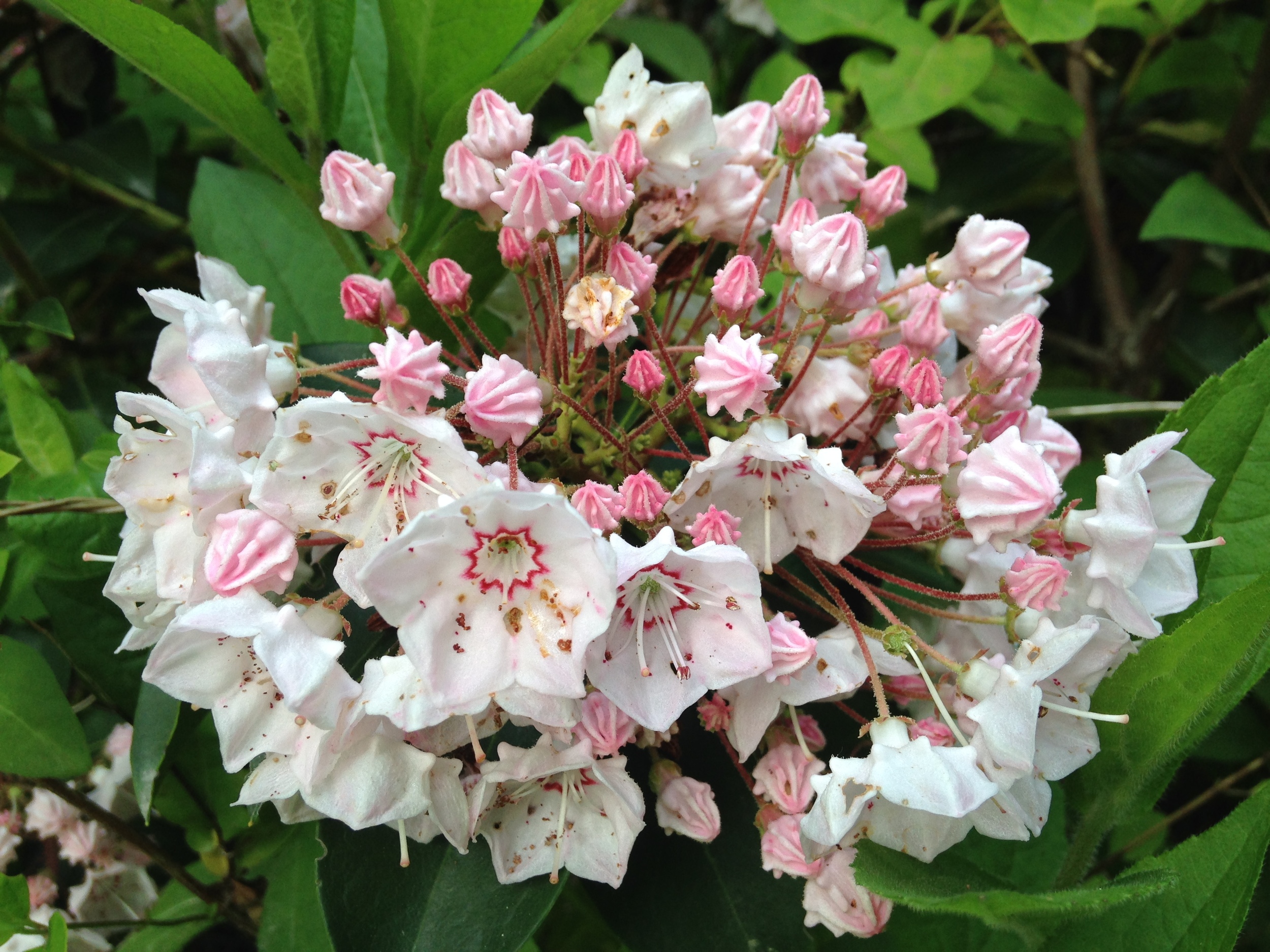
Mountainsides awash with blooming mountain laurel (Kalmia latifolia) are truly a spectacle. Seeing a sea of pinks, whites, and greens humming with pollinators makes you wonder why such a sight isn't talked about more outside of its range. Why hoards of tourists don't time their seasonal migrations around the blooming of this species is, to me, quite a mystery.

Mountain laurel was a shrub I was quite familiar with growing up. As a child, their shaded tunnel-like understory were some of my favorite places to explore and catch bugs. After moving to New York, I soon forgot about this shrub. Other species became my familiar backdrop. It took visiting the mountains of North Carolina to reawaken these long forgotten memories.

Mountain laurel is generally considered a shrub. In wet, humid areas in the Appalachians, they can readily reach a stature more fitting of a small tree. They are evergreen, holding on to their beautiful leaves throughout the winter. This helps save energy, which is especially useful in poor soils. It also allows mountain laurel to get a head start on photosynthesis as soon as temperatures become favorable.

My favorite part of this shrub are its flowers. Deep pink textured buds soon give way to a floral display that will knock your socks off. Each flower ranges in color from white to pink. Each bloom demands a closer inspection. They are ringed in tiny pockets, each housing an anther. As the flower opens, the pockets hold on to the anthers, drawing them tight. When an insect, especially a bee, disrupts the pockets, the anthers spring out of the pockets and bash the insect with pollen. Each visit is like stumbling into a army of tiny pollen-laden trebuchets. This can easily be simulated using a small stick.

Further Reading:
http://bit.ly/25eAwzI

The Aposematic Gall Hypothesis

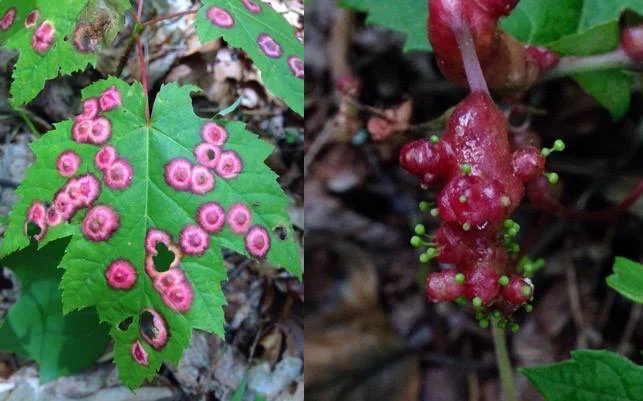
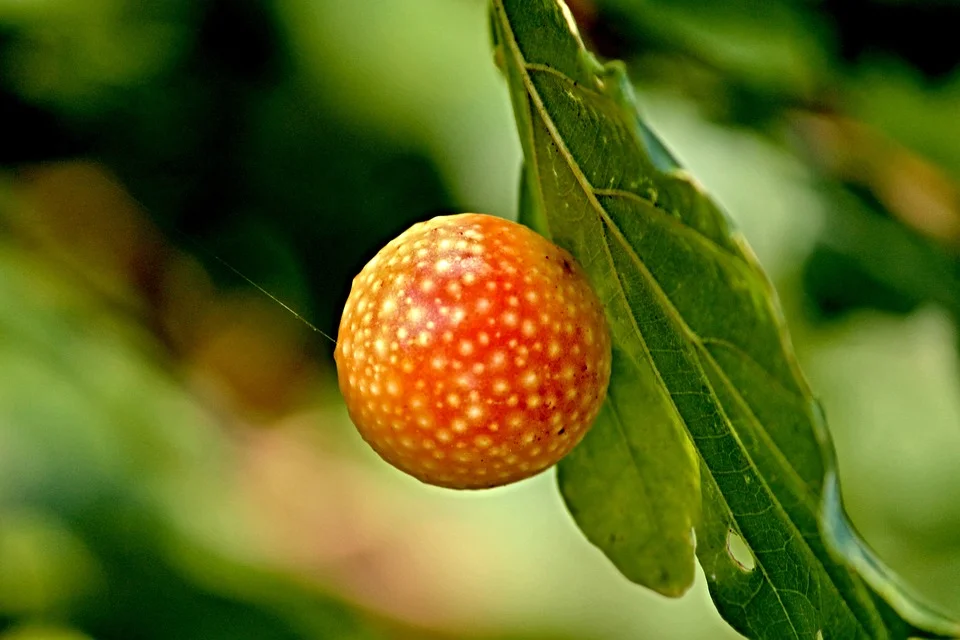
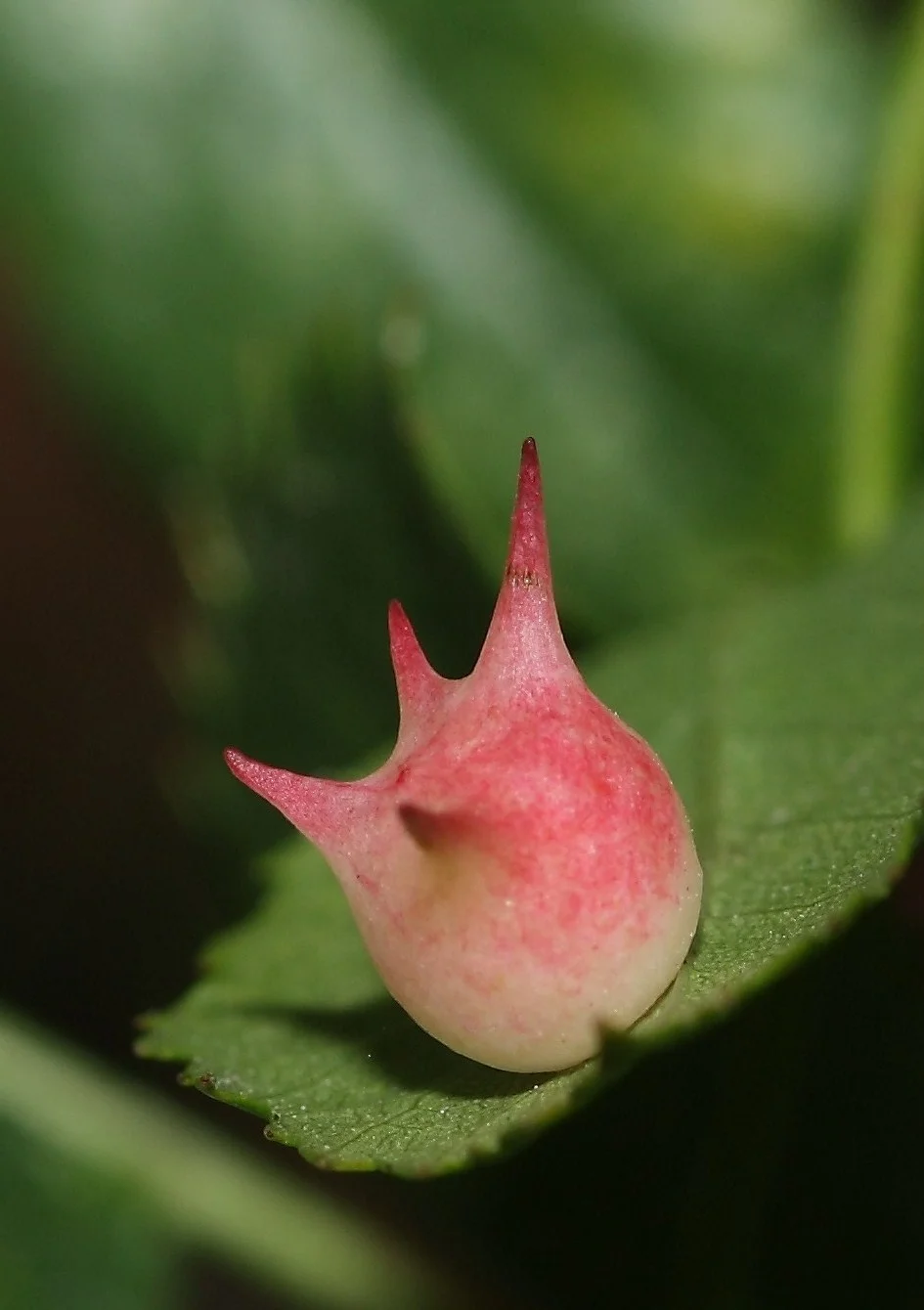
Maple eyespot gall (left) and the grape tumid gall (right)

Maple eyespot gall (left) and the grape tumid gall (right)

If you spend any time around plants you will have undoubtedly come across a gall. In fact, once you know what to look for you quickly realize that galls are everywhere. They come in many different shapes and sizes and they vary as much as the species you will find them on. Galls are abnormal growths on plant tissues and their causes range from bacteria, fungi, and nematodes to insects and mites. Most of the galls we regularly encounter are caused by insects. 

You can think of galls as a type of edible nursery chamber. A female insect will lay her eggs in the tissue of the plant and chemicals released by the eggs and subsequently the developing larvae trigger abnormal tissue growth in the plant. Every detail of each gall you see is the result of the insect housed inside, which has led some authors to consider gall formation a literal extension of the insect phenotype. Without the chemicals released by the developing insects, the plant would not form such elaborate growths.

Lime nail gall (Eriophyes tiliae). Public Domain.

Lime nail gall (Eriophyes tiliae). Public Domain.

As mentioned, galls act as an edible nursery chamber. Not only does the developing larvae gain physical protection, they also consume the swollen plant tissues on the inside of the gall. Despite the attention galls have received in the literature, very few studies have touched on one fact of gall ecology that becomes quite obvious to the casual observer - most of them are very conspicuous.

Oak apple gall (Cynipidae). Public domain.

Oak apple gall (Cynipidae). Public domain.

The shape and coloration of different kinds of gall causes them to really stand out against the background vegetation. Why would a structure meant to protect the developing insect inside be so easy to spot? A handful of interesting hypotheses have been put forth to explain this phenomenon. For starters, the chemical compounds that give many galls their distinctive coloration are the result of hijacked plant pigments such as carotenoids, anthocyanins, as well as tannins and other phenolic compounds. These are thought to protect the insect inside. This certainly plays a role, but we will come back to that in a minute.

Cynipid gall (Diplolepis polita). Photo by Dean Morley licensed under CC BY-ND 2.0

Cynipid gall (Diplolepis polita). Photo by Dean Morley licensed under CC BY-ND 2.0

Still, one would think being so strikingly obvious would have some serious drawbacks. Predators and parasitoids alike could easily hunt down a bright red gall. Even if potential predators can't see color, the outlandish shape of many galls certainly makes them stand out. There is another hypothesis that gets right to the core of this. Simply put, it is thought that the conspicuousness of galls serves as a warning to potential predators that eating them would be a mistake. In other words, galls very well may be aposematic. 

You will be most familiar with aposematic coloring in bees and wasps. Bright colors such as red or yellow contrasted against a strikingly different colored background serve as a warning to anything that might be thinking of taking a bite. "Stay away, I will hurt you" is the gist of the message. The bright coloration and often outlandish shape of galls coupled with the defensive compounds mentioned above may be sending a signal to herbivores, predators, and parasites to stay away or risk injury or illness. Being easy to find also makes galls easier to remember and a bad experience with one gall may make a bird think twice before messing with one again. In this way, the insects inside can go unmolested until it matures. 

Obviously there are many caveats to this idea. Certainly not all galls fall under this umbrella. The researchers behind this hypothesis have outlined a series of predictions that are thought to promote the evolution of aposematism as a strategy. What's more, this hypothesis will need to be tested on many different types of galls in many different habitats with many different potential predators if it is to hold up. Still, it is an interesting idea worth investigating. One can see the potential here. 
 

Photo Credits: [1] [2] [3]


Further Reading: [1]

The Whorled Pogonia

I live for moments like this. The only downside to that is I can never really predict when they are going to happen. There I was driving up a mountain road in search of a handful of other plant species related to my research. The road was narrow and there was a steep bank on the drivers side. The Southern Appalachian Mountains are brimming with botanical diversity. As such, it can be hard to tease out individual plants, especially while driving. This is why having a refined search image comes in handy. 

I was rounding a bend in the road when something out my window caught my eye. My mind went racing and it wasn't long before a suspicion crept into my head. If I was right, this was an opportunity I was not going to miss. I found the nearest pull off, parked the truck, and ran back down the road. I am so happy that I decided to trust my instincts. There in front of me was a small population of whorled pogonia orchids (Isotria verticillata). 

It was like being in the presence of a celebrity that I had been stalking for years. This was an orchid I have been dying to see. The harder I looked the more I saw. I had to sit down. Here in front of me was a species of orchid that isn't seen by many. In fact, entire populations of these species can go unseen for decades until they have enough energy to flower. 

Flowering in this species is said to be quite erratic. Because they live in shaded environments, building up the energy needed to reproduce can be difficult. Like all orchids, the whorled pogonia relies on an obligate relationship with mycorrhizal fungi to supply the nutrients it needs. In return, the orchids provide fungi with carbohydrates. The problem with erratic flowering, however, is that it makes reproduction difficult. Rarely are two populations flowering at the same time and in close enough proximity for successful cross pollination. More often, these orchids will self fertilize, which can lead to high rates of inbreeding. 

Large bees are the main pollinators of the whorled pogonia. The flowers themselves are reported to produce a feint odor reminiscent of Vanilla. This is interesting to note because in the greater scheme of orchid phylogenetics, this species is placed in the Vanilla subfamily, although such distinctions can get muddled quickly. Regardless, simply being in the presence of this orchid was enough to give me goosebumps. It is a shame that such a species is being lost throughout much of its range. 

Further Reading:
http://bit.ly/1ssBmdF

http://bit.ly/1WEmZzm

On Peonies and Ants

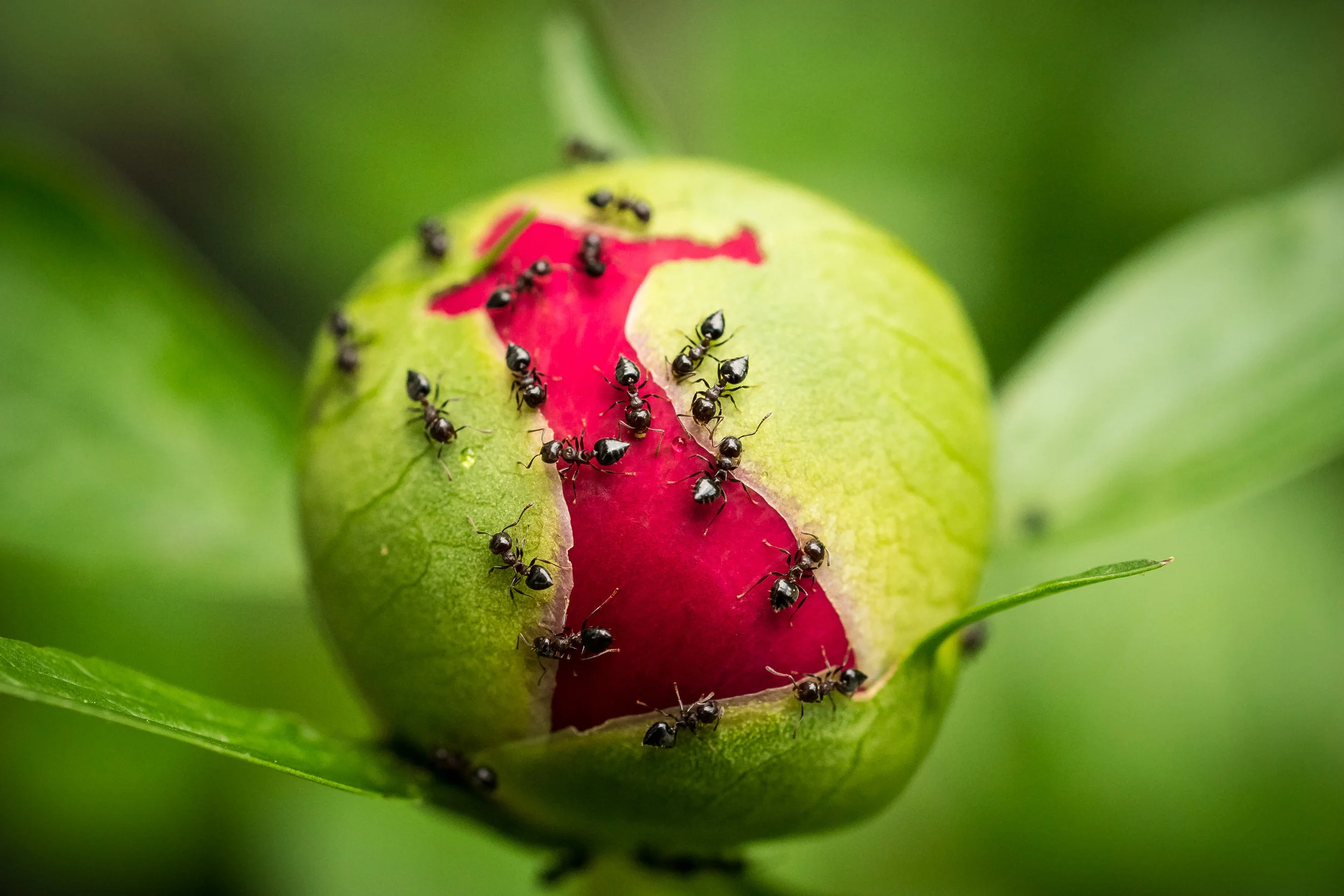
Photo by George Vopal licensed under CC BY 2.0

Photo by George Vopal licensed under CC BY 2.0

It is just about that time when peony buds burst forth and put on their late spring display. My mother loves her peonies and she gets very excited every year when they bloom. It's adorable. However, she has always been disgusted by the amount of ants the peonies attract. Indeed, many people all over the internet seem to feel the same way. Growing up, I always wondered why the ants seemed to swarm all over peony buds, so I decided to look into it a little deeper.

There are many sources out there that claim that peonies need ants in order to bloom. To me, this seems very maladaptive on the part of the peony. The genus Paeonia is represented in Asia, Southern Europe and parts of western North America. I am going to assume that the ant/peony relationship didn't start in the garden so it's roots have to be somewhere in the evolutionary history of the plant. What sense does it make for a plant to produce flower buds that excrete sticky sugars that keep them from opening until something cleans the sugars off? In fact, despite anecdotal reports, peony buds will open without ants. So then why does the plant bother to produce sugars that attract ants?

Interestingly enough, despite a good amount of searching, there is not a lot of research done on this subject but the answer to this question can come from looking at how ants interact with other plants and animals. Many plant species have special glands on their stems that produce sugary secretions which attract ants. It's not just plants either. Insects such as aphids and leafhoppers famously excrete honeydew that ants can't resist. In each of these cases, organisms are using the ants' natural tendency to guard a food source. The ants will viciously attack anything that threatens this easy meal.

It would seem to me that the peonies are doing just that with their flower buds. By secreting a sugary substance during their development, the plant are likely recruiting ants to protect the flowers, which for angiosperms, are the most precious part of the plant. It takes a lot out of a plant to flower and the threat of herbivory is ever present. If an insect tries to take a bite out of a bud, the ants quickly swarm and drive it off. It's a win-win situation. The ants get an easy, high-energy food source and the plant suffers less damage to its reproductive organs.

The scary part to me in researching all of this is plethora of information out there on how to get rid of the ants. People go through chemical after chemical to rid their peonies of ants when, in reality, the ants are some of the best friends a peony could have! So leave those ants alone and enjoy the free pest removal services they provide every spring!

Photo Credit: [1]

Further Reading:

http://www.youtube.com/watch?v=Gnm2nV_nwOk

Enigmatic Neviusia

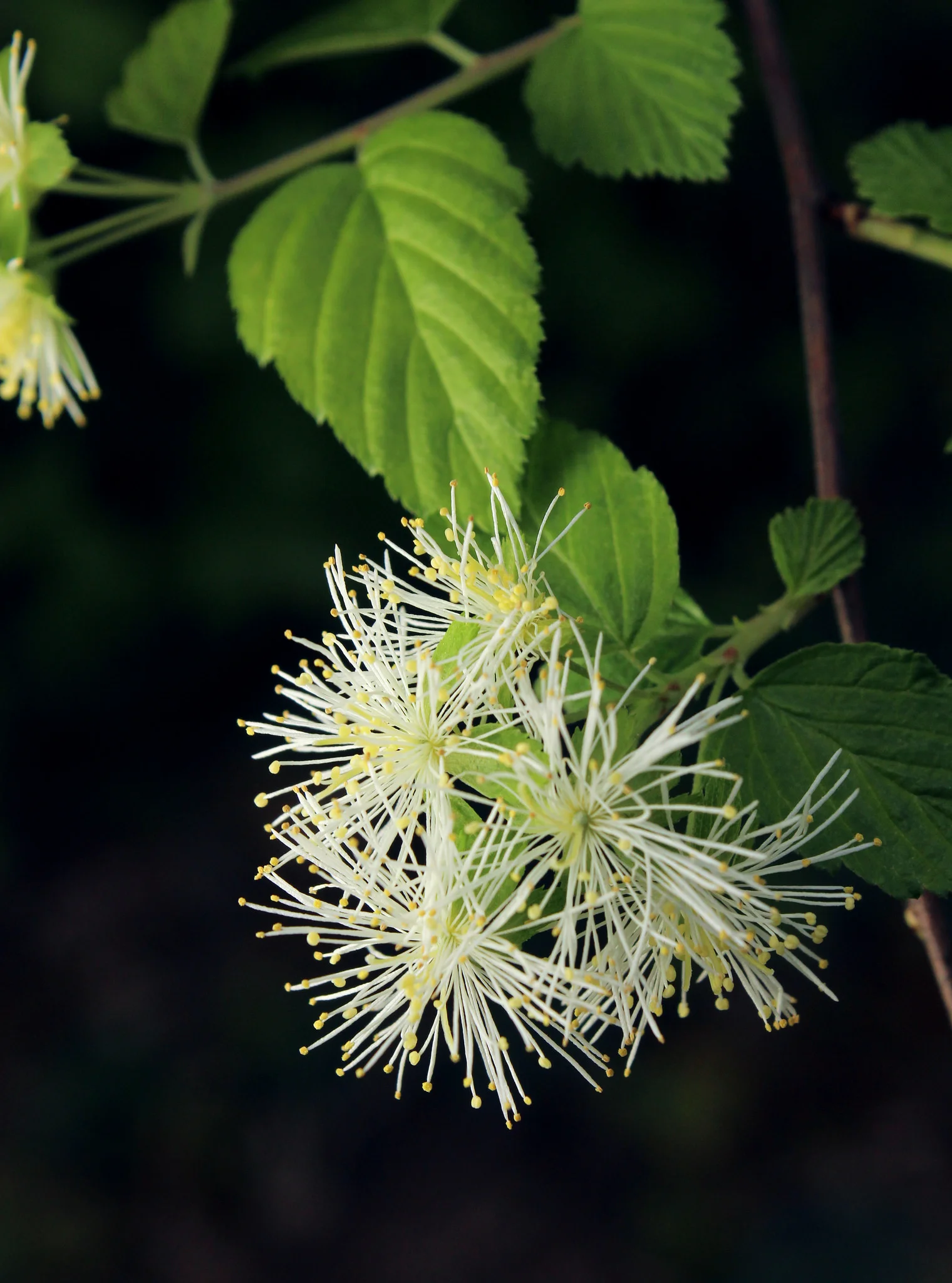
Photo by Philip Bouchard licensed under CC BY-NC-ND 2.0

Photo by Philip Bouchard licensed under CC BY-NC-ND 2.0

Neviusia. The first time I heard it mentioned I was certain the conversation had switched from reality to the world of Harry Potter. I was wrong. The name belongs to a genus of plants that are totally real. What's more, the natural history of this small group is absolutely fascinating.

The genus Neviusia is comprised of two extant species. N. alabamensis is endemic to a small region of the southeastern United States around northwest Georgia and the Ozark Mountains. Its cousin, N. cliftonii, was discovered in 1992 and is endemic to a small area around "Lake" Shasta in California. Fewer than 20 populations have been found and of them, six were flooded to create "Lake" Shasta. It would seem very strange that both species in this genus are not only endemic to extremely localized regions but also completely disjunct from one another. This is only the beginning.

Whereas fruits have been described for N. cliftonii, none have been reported in N. alabamensis. Ever. Thanks to genetic analysis, populations of both plants are thought to be entirely clonal. High rates of pollen sterility are to blame. Why this is the case is hard to say. It is thought that the genus Neviusia is a relict of the early Cenozoic. Fossil evidence from British Columbia suggest that this genus was once more diverse and more wide spread, having gradually declined to its current limited distribution. The Pleistocene was likely the last straw for these plants, being corralled into small refugia of suitable habitat by the glaciers. Lack of seed production (perhaps due to genetic drift) meant that these two species were to never recolonize their former range. At least not without help...

Since their discovery, these two species have garnered some attention. Like Franklinia, Neviusia have become a sort of horticultural curiosity and have since been out-planted in a variety of locations. My first and only encounter with Neviusia occurred in a conservation garden. Despite their popularity among researchers and gardeners alike, it is unlikely that Neviusia will ever reclaim even a fraction of their former glory. Instead, they remain as endemic reminders of a bygone era. Despite their limited range I think it is important to remember just how long they have survived in North America. After millions of years of survival and persistence, their biggest threat is now us.

Photo Credit: Philip Bouchard (http://bit.ly/1WpElzX)

Further Reading:
http://bit.ly/1NqFdlq

http://bit.ly/1ZFEa1G

http://bit.ly/1UT2WfF

http://bit.ly/24OshNM

http://bit.ly/1TFblOd

http://bit.ly/1rWecMq

Dwarf Larkspur

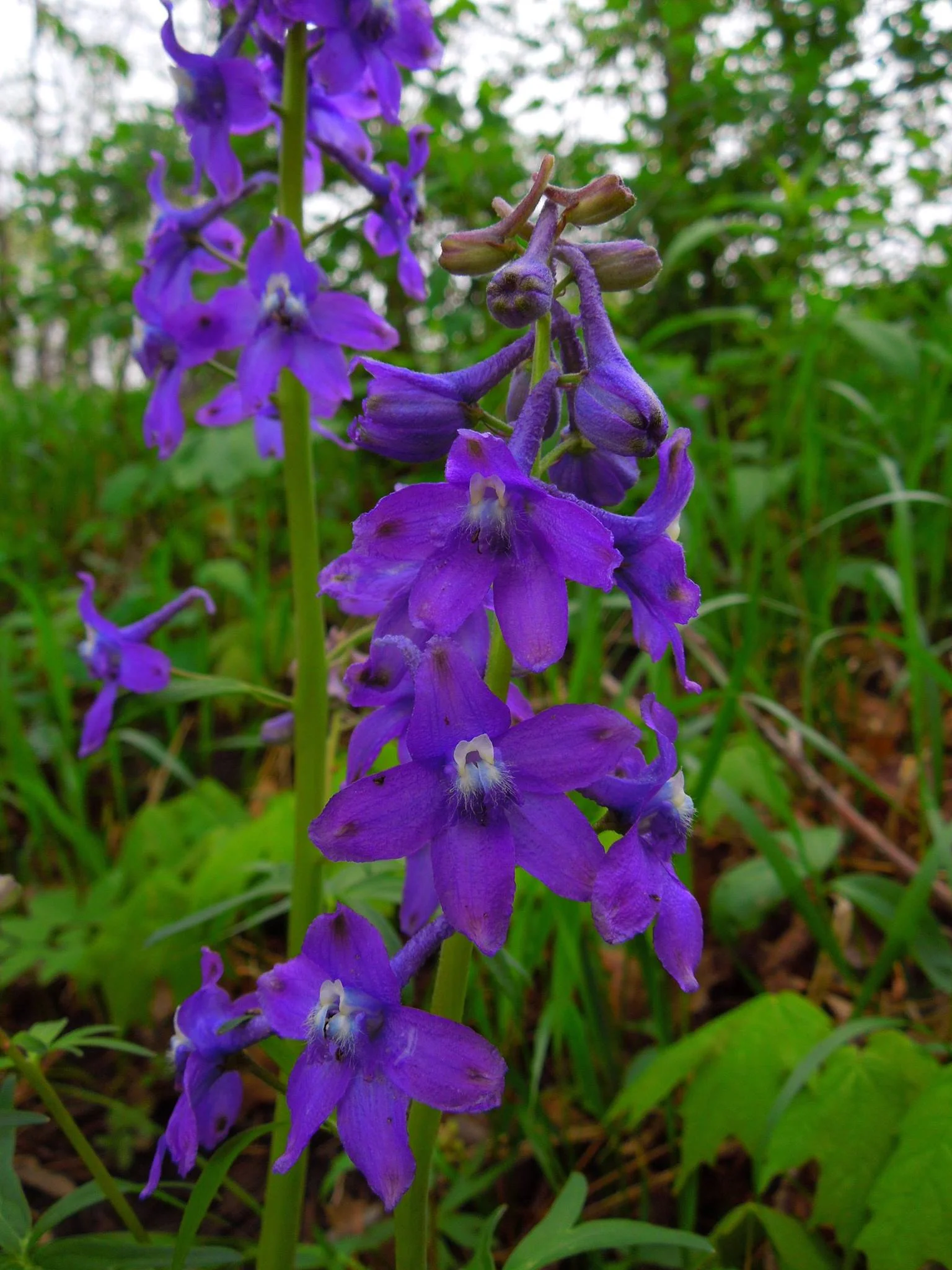
There are certain genera that I almost always encounter in a garden setting. These are usually gaudy cultivars from other continents. This is especially true for Delphiniums. Since I moved back east, the only Delphiniums I see are garden varieties. All of that changed when I moved to Illinois. During one of my first day hikes in the Midwest, I had the pleasure of meeting a Delphinium I had never met before. What's more, I managed to stumble upon a patch of forest that boasted a rather large population. The species in question is the dwarf larkspur (Delphinium tricorne) and it is a plant worth knowing. 

Dwarf larkspur is native to a good chunk of the eastern United States, only absent from the northeastern and southeastern portions. It is a spring bloomer, flowering for about three weeks in late spring. The inflorescence this plant produces is stunning to say the least. If you're lucky enough to find yourself surrounded by these plants like I was, its as if the entire forest floor is awash in a sea of deep purple. 

The flowers can only be pollinated by queen bumblebees and hummingbirds. Whereas other insects will visit the flowers, the morphology is such that they are not effective pollinators. By the beginning of summer, the plants will have produced their seeds. At this time, however, the embryo within is not yet mature. It will not mature until the coming fall. Dwarf larkspur embryos do not begin to grow until temperatures have dropped to around 5 °C (41 °F). Then and only then will the seeds be ready to germinate, all in time for the arrival of spring. 

Like nearly all members of the buttercup family, the dwarf larkspur produces toxic alkaloids. Because of this, few herbivores will chance a nibble. Unfortunately for Delphiniums across North America, this fact has earned them a rather negative reputation among livestock owners. Nonetheless, these plants are wonderful and important ecological components wherever they are native. What's more, dwarf larkspur is growing in popularity among native gardeners looking to add some color to shaded portions of their landscape. 

Further Reading: [1] [2]

Beautiful Bitterroot

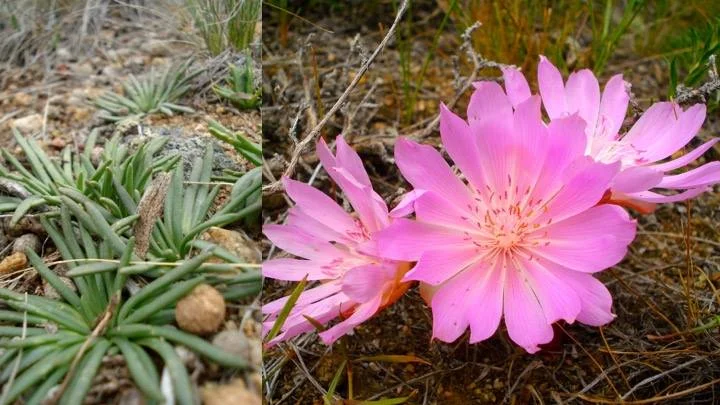
During the summer of 2011, I entered into a small love affair with a wonderful little succulent rosette. I would see them scattered about the sagebrush. They always brightened my day. They seemed so foreign compared to the northeastern flora I was used to. The cylindrical leaves were tightly packed and hugged the ground, no doubt to get away from the constant winds that blow across the terrain. It didn't take long to learn its name. The flora I was using told me that these plants were none other than Lewisia rediviva, more commonly known as bitterroot. 

Bitterroot is native to much of North America west of the Rockies. It can be found growing at elevations ranging from 2,500 feet to over 10,000 feet. This is one hardy little plant. Its position taxonomically speaking has changed a bit as of late. This species was once placed in the family Portulacaceae but recent analyses now suggest it in a new family - Montiaceae. 

The rosette of leaves are produced from a cylindrical taproot in late summer. They will remain green throughout the fall and into the harsh winter, insulated under the snow. This allows the plant to get a head start on photosynthesis come spring. As the snow slowly melts away, bitterroot begins producing flower buds. 

As the flower buds mature, the leaves begin to senesce. Very often you will find flowers and no leaves, which may lead some to believe they have witnessed two different plants. Either way, the flowers are quite the spectacle. Blooming time varies depending on latitude and elevation but between the months of April and June, bitterroot enters reproductive mode. If you're a fan of big flowers on small plants, then this species is right up your alley. The 2 inch flowers are borne flush with the ground and vary in color from stark white to bright pink. Their display is made all the more magnificent by the fact that bitterroot is often found growing in bare soil, devoid of other flowering forbs. 

Further Reading:

http://on.doi.gov/1QVDFKK

http://1.usa.gov/1Wim1JC

The Anachronistic Kentucky Coffee Tree

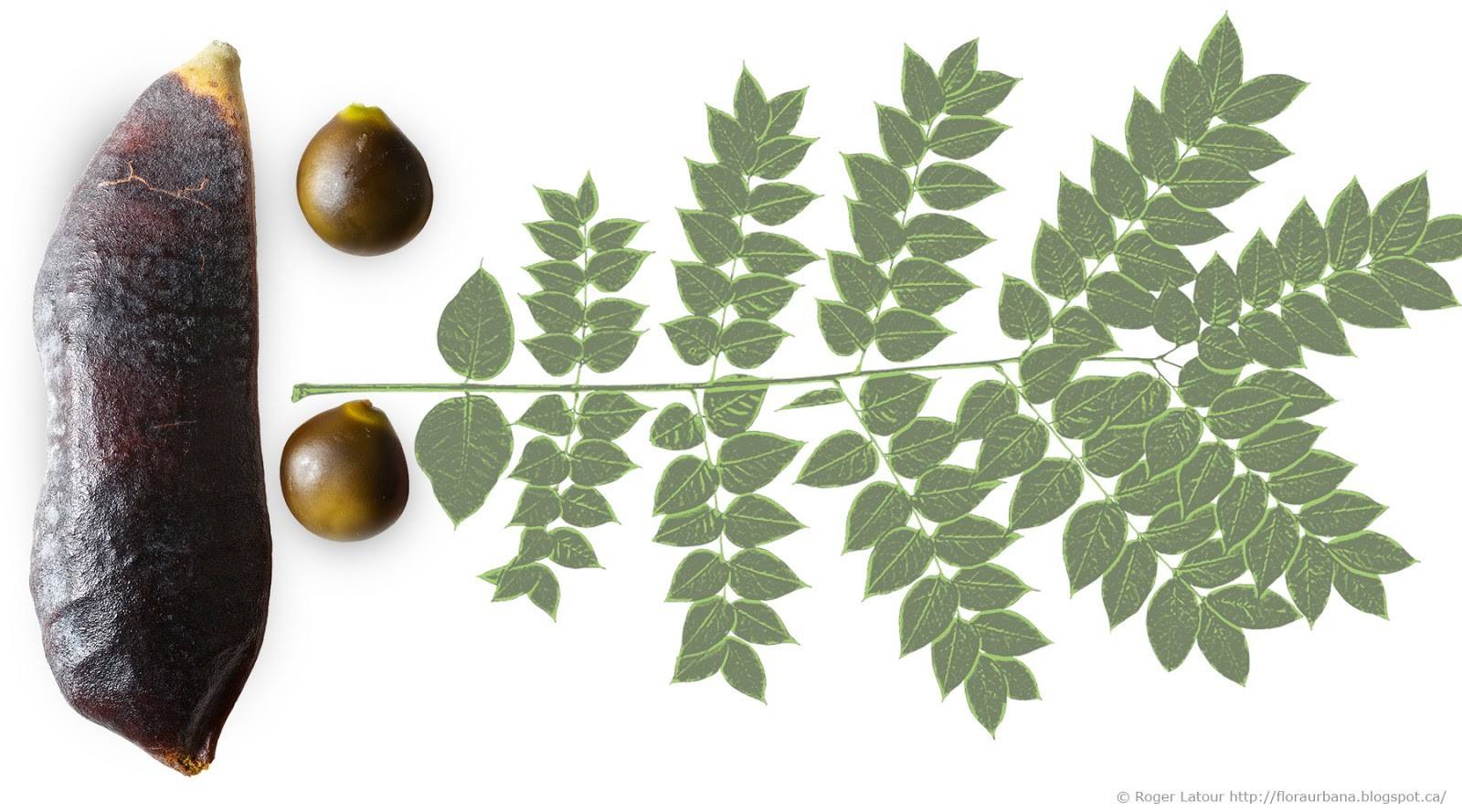
Photo by Flora Urbana

Photo by Flora Urbana

To see a Kentucky coffee tree (Gymnocladus dioicus) in the wild is a rare event. Each year your chances of doing so are diminishing. This interesting and beautiful legume is quite rare, growing in small scattered populations throughout eastern and Midwestern North America. Presettlement records hint that its rarity in nature is not necessarily a recent phenomenon either. It seems that, at least since humans have been paying attention, this tree has always been scarce. 

Despite its rarity in the wild, the Kentucky coffee tree has gained a lot of popularity as a landscape tree. It is an attractive species with contorted branching and large, airy leaves. It's about this time of year when folks start wondering if they have killed the new tree they planted last fall. I often hear complaints from folks new to this species that their trees must have lost their buds over the winter. The reason for this lies in its generic name. "Gymnocladus" is Greek for "naked branch." The leaf buds are not exposed like they are in other tree species. Instead, they are imbedded within the twigs, hidden under a hairy ring of bark. Kentucky coffee tree does not leaf out until late spring, well after most other trees have broken dormancy.

In the wild, Kentucky coffee tree can be found growing on floodplains and, very occasionally, scattered through upland habitats. As such, water has been invoked as the only known dispersal agent. This is a strange mechanism to call on as nothing about this tree (other than its current habitat) suggests adaptations for water dispersal. Its seed pods are quite heavy, chock full sweet pulp, and don't float very well. What's more, the pods often remain on the tree all winter and the large seeds within require ample scarification before they will germinate. They are toxic to boot. 

Even more perplexing is just how well this species does when planted outside of floodplains. It seems equally at home growing in a yard or along the sidewalk as it does on a floodplain. Taken together, all of these clues seem to suggest that the Kentucky coffee tree is missing something. Perhaps it is missing a preferred seed disperser? 

The megafaunal dispersal syndrome has become a sexy topic in ecology. Essentially it posits that North America was once home to a bewildering array of large mammals that flourished leading up to the end of the Pleistocene. With that many large animals haunting this once wild continent, many have suggested that North American vegetation evolved to cope with and even exploit their presence. Certainly we see this happen on a smaller scale with things like birds and small mammals. We see it on a much larger scale with animals like elephants and rhinos in Africa and Asia. Could it be that when the Pleistocene megafuna went extinct in North America, the plant species they dispersed suffered a huge ecological blow? 

The limited range of species like the Kentucky coffee tree would certainly seem to suggest so. Though it is a hard theory to test, the fruits of this tree seem adapted to something much more specific than running water. The large pod, the sweet pulp, and the hard seeds would suggest that the Kentucky coffee tree requires a larger mammalian herbivore to eat, scarify, and pass its seeds. No animal native to this continent today does the trick effectively. Most animals avoid the seeds entirely, which is likely due to their toxicity. Sure, the occasional seed germinates successfully, however, based on its limited natural range, the fecundity of the Kentucky coffee tree has been diminished. 

Photo Credit: Roger Latourwww.floraurbana.blogspot.ca

Further Reading:

http://1.usa.gov/1WUB4YX

http://bit.ly/239BSbW